
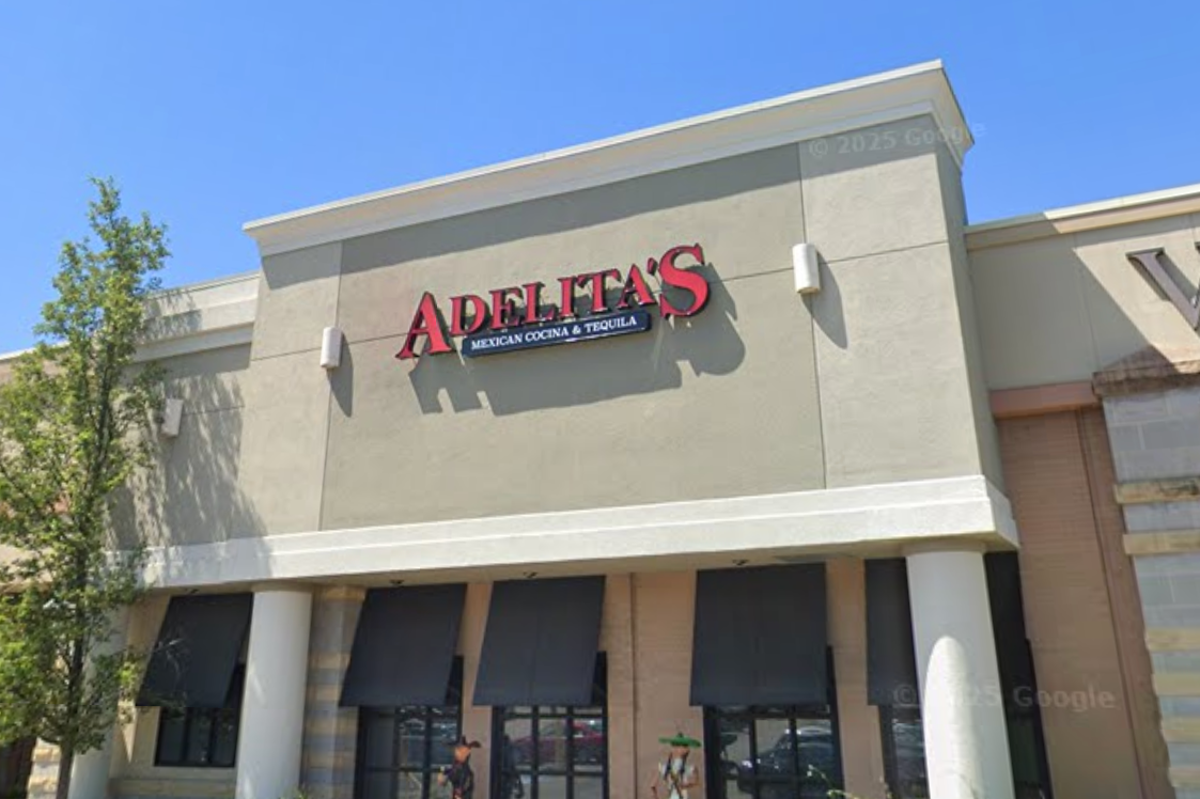
The death of an 18-year-old restaurant employee in Western New York has led to serious criminal charges against a bartender accused of providing her with alcohol after business hours. New York State Police say the case centers on the final hours of Maria Cecilia De Jesus-Garcia, a teenage hostess at Adelita’s Mexican Cocina & Tequila in Victor, and the actions taken by a co-worker who allegedly served her multiple alcoholic beverages despite her being under the legal drinking age.
Authorities have described the incident as a tragic sequence of events that culminated in the young woman’s death from acute ethanol intoxication, prompting renewed attention to underage drinking laws, workplace responsibility, and criminal liability within the hospitality industry. The arrest of bartender Ariel Ceja, 32, comes months after De Jesus-Garcia was found unresponsive in her home following an evening at the restaurant.
Investigators say their findings, including surveillance footage and witness accounts, indicate that alcohol was provided to the teenager after the restaurant closed for the night. Ariel Ceja now faces felony and misdemeanor charges, while prosecutors review the case amid an administrative transition within the district attorney’s office. The matter has drawn public scrutiny not only because of the severity of the outcome, but also because it occurred in a professional setting where alcohol service is regulated by strict state laws.
Events Leading to Maria Cecilia De Jesus-Garcia’s Death
According to New York State Police, Maria Cecilia De Jesus-Garcia was working as a hostess at Adelita’s Mexican Cocina & Tequila on August 4, 2024. The restaurant, located in Victor, a suburban community in Western New York, had completed regular service for the evening when the alleged alcohol consumption occurred. Investigators say that after the restaurant closed, De Jesus-Garcia was served alcoholic beverages by bartender Ariel Ceja while still on the premises.
De Jesus-Garcia was 18 years old at the time, below New York’s legal drinking age of 21. Police allege that the drinks were provided in violation of state law, which prohibits the sale or service of alcohol to individuals under that age, regardless of employment status or consent. Authorities have not specified the exact quantity or type of alcohol consumed, but later medical findings would indicate that the amount was significant.
After leaving the restaurant, De Jesus-Garcia reportedly took an Uber home. The following morning, she was found unresponsive. Emergency responders were called, but she was later pronounced dead. An autopsy and subsequent investigation determined that her cause of death was complications related to acute ethanol intoxication, commonly referred to as alcohol poisoning.
The incident triggered a multi-month investigation by state police. Officials reviewed surveillance footage from inside the restaurant, interviewed staff members, and examined digital and physical evidence related to the evening. Police have stated that the evidence supported the conclusion that alcohol was served to De Jesus-Garcia by a specific individual after closing time, leading them to identify Ariel Ceja as the primary suspect.
Read : Qatar’s Captivating Selfie Spots: Top Ten Destinations to Strike a Pose
The death of a young employee under these circumstances has raised difficult questions about oversight and conduct within the workplace. While restaurants and bars often employ staff under the legal drinking age in non-service roles, the law draws a clear line when it comes to providing alcohol to those employees. Authorities have emphasized that this distinction is central to the case.
Criminal Charges and Law Enforcement Findings
On December 18, following the completion of their investigation, New York State Police arrested Ariel Ceja without incident. Ariel Ceja was charged with criminally negligent homicide, a felony under New York law, and unlawful dealing with a child, a misdemeanor offense related to providing alcohol to someone under the legal age.
Criminally negligent homicide involves causing the death of another person through conduct that demonstrates a failure to perceive a substantial and unjustifiable risk. Prosecutors allege that serving alcohol to an underage individual, particularly in a setting where the server is trained and legally obligated to prevent such conduct, meets the threshold for criminal negligence when it results in death.
The misdemeanor charge of unlawful dealing with a child reflects the alleged act of providing alcohol to De Jesus-Garcia despite her age. In New York, this offense applies regardless of whether the underage person is an employee, family member, or acquaintance. Law enforcement officials have noted that these laws exist to prevent precisely the type of harm that occurred in this case.
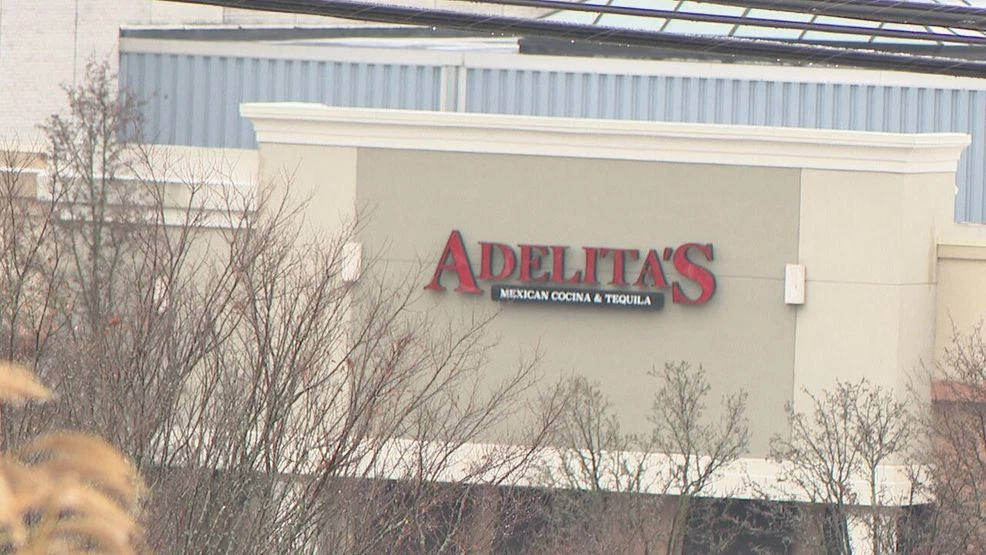
Police have not indicated whether any additional individuals or the restaurant itself may face charges or administrative penalties. However, investigations of this nature often involve parallel reviews by state liquor authorities, who have the power to impose fines, suspend licenses, or take other regulatory actions against establishments found to be in violation of alcohol service laws.
Ariel Ceja was taken into custody and is currently being held at the Ontario County Jail. He is scheduled to be arraigned next month, at which time he will formally enter a plea and the court will address matters such as bail and future hearing dates. If convicted, the felony charge could carry significant prison time, while the misdemeanor charge may result in additional penalties.
The case is now under review by the Ontario County District Attorney’s Office. Acting District Attorney Jason MacBride acknowledged the seriousness of the matter in a brief statement, noting that his office is currently reviewing a large number of pending cases during an ongoing transition. He said that while the case is among those under consideration, it would be inappropriate to comment further at this stage, emphasizing a commitment to evaluating every case in accordance with the law and the interests of justice.
Legal, Workplace, and Public Implications
The arrest and charges in this case have underscored the legal responsibilities placed on individuals who serve alcohol and the potential consequences of failing to adhere to those standards. In New York, bartenders and servers are required to undergo training that covers age verification, intoxication awareness, and the legal ramifications of improper service. These requirements are designed to protect patrons, employees, and the public at large.
Read : 18-Year-Old Pregnant Teen’s Unborn Child Killed in Shooting Near I-285 Ramp in Atlanta
Legal experts note that criminal cases arising from alcohol service are relatively rare but tend to draw heightened attention when they involve fatalities, particularly those of young people. While civil lawsuits are more commonly pursued by families in alcohol-related deaths, criminal prosecution signals that authorities believe the conduct rose beyond regulatory noncompliance into the realm of criminal liability.
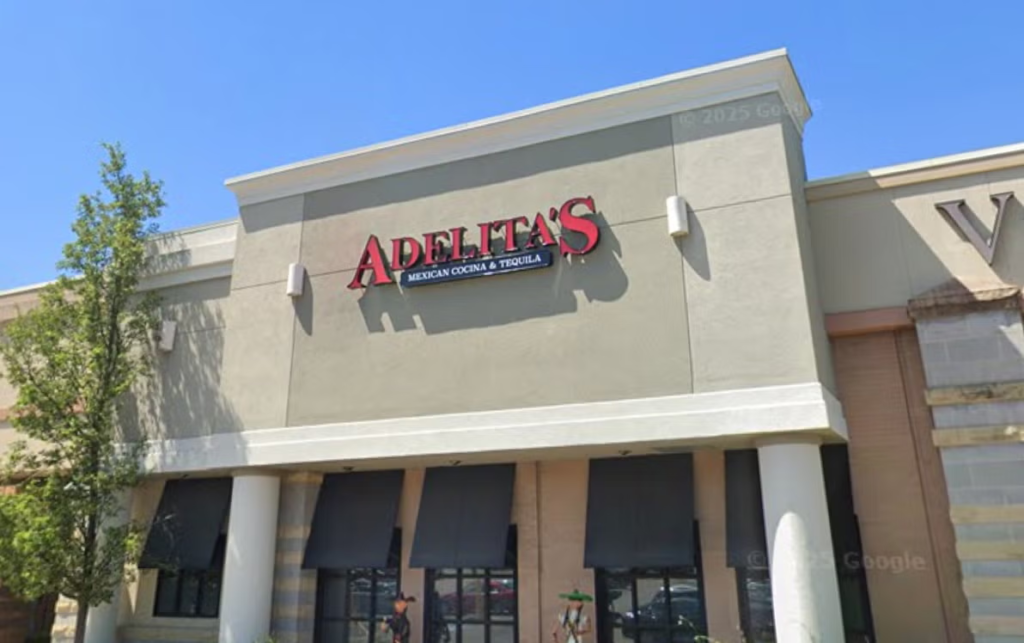
The workplace setting adds another layer of complexity. Restaurants and bars frequently employ teenagers and young adults in roles such as hosts, servers’ assistants, and kitchen staff. Employers are expected to maintain clear policies separating underage employees from alcohol consumption, especially after hours when supervision may be less formal. Failure to enforce these boundaries can expose individuals and businesses to legal and reputational risk.
Public reaction to the case has reflected broader concerns about underage drinking and alcohol culture within the hospitality industry. While social drinking among coworkers after a shift is not uncommon, the law makes no exception for underage employees. Authorities have reiterated that consent or familiarity does not negate legal responsibility when alcohol is provided to someone below the legal age.
For the family of Maria Cecilia De Jesus-Garcia, the criminal case represents only one aspect of the aftermath of her death. While officials have not disclosed whether civil action has been filed or is being considered, such cases often lead to wrongful death lawsuits against individuals and, in some instances, employers. These proceedings operate separately from the criminal justice process and have a different burden of proof.
As the legal process moves forward, the case is likely to serve as a reference point for discussions about accountability in alcohol service and the enforcement of underage drinking laws. Prosecutors will be tasked with demonstrating that Ariel Ceja’s actions met the legal standard for criminal negligence and directly contributed to De Jesus-Garcia’s death. Defense attorneys, in turn, may challenge aspects of causation, intent, and responsibility.
For now, the focus remains on the upcoming arraignment and the decisions that will follow from the district attorney’s review. The outcome of the case will be determined through the courts, but the circumstances surrounding the death of an 18-year-old employee after an evening at her workplace have already left a lasting impact on the local community and highlighted the serious consequences that can arise from violating alcohol service laws.