
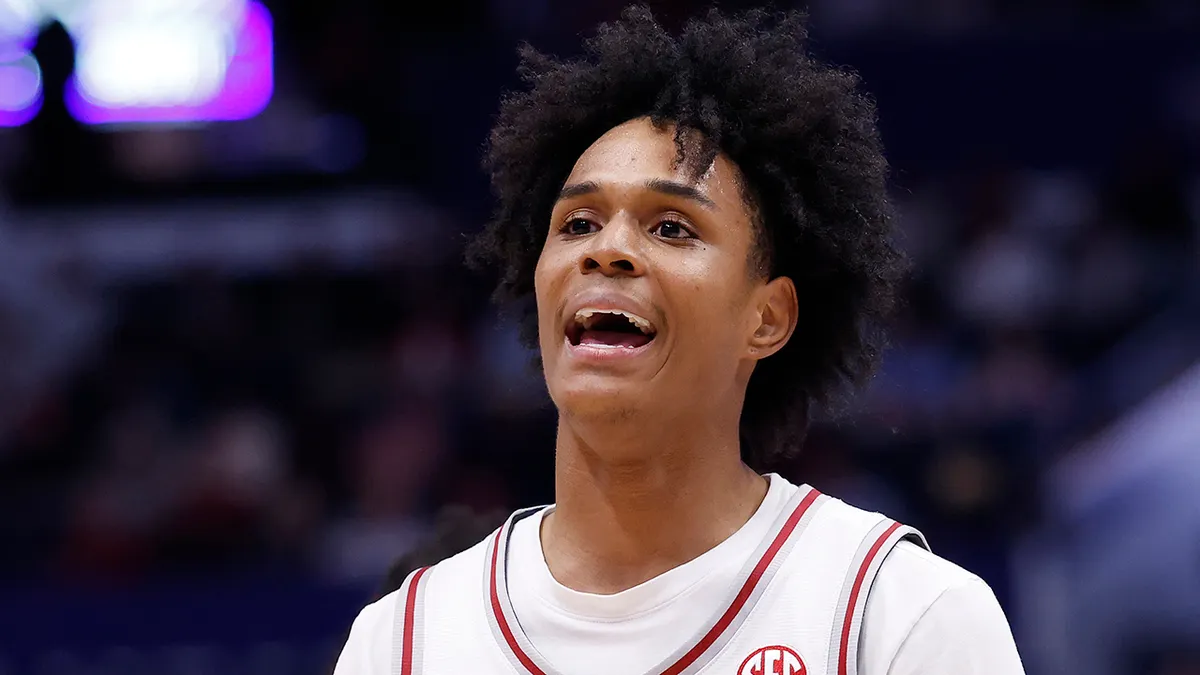
The Alabama Crimson Tide’s preparations for the NCAA Tournament have been unexpectedly disrupted by the arrest of one of their key players, Aden Holloway. Coming just days before March Madness, the incident has placed the program under intense scrutiny at a time when focus is typically reserved for on-court performance. Holloway, who has emerged as a significant contributor this season, now faces serious legal challenges that could impact both his immediate future and Alabama’s tournament aspirations. The timing of the arrest, coupled with the severity of the charges, has created uncertainty for the team and reignited discussions about discipline, accountability, and the pressures faced by student-athletes at the highest level of college basketball.
Details of the Arrest and Charges
Aden Holloway was arrested on Monday morning following a search conducted by a regional narcotics task force in Alabama. Authorities reported that the search uncovered a substantial quantity of marijuana, along with related materials and cash. Initial reports indicated that more than a pound of marijuana was found, though subsequent updates suggested the amount could have exceeded two pounds. Additional items recovered included packaging materials and paraphernalia, which contributed to the seriousness of the charges filed against him.
Holloway was charged with first-degree possession of marijuana not for personal use and failure to affix a tax stamp. Both charges are classified as felonies under Alabama law, reflecting the state’s strict stance on marijuana possession, particularly when quantities exceed what might be considered for personal consumption. Unlike some states where recreational marijuana has been legalized, Alabama maintains firm restrictions, allowing only limited medical use under specific conditions. There has been no indication that Holloway’s case involves medical authorization.
Following his arrest, Holloway was booked at the Tuscaloosa County Jail, where his bond was set at $5,000. He was later released on bond the same day. Reports indicate that Holloway told authorities he only uses marijuana personally, but the quantity discovered has led investigators to pursue more serious charges. The legal process is expected to unfold over the coming weeks, and the outcome could carry significant consequences, including potential penalties that extend beyond the basketball court.
Read : 6 Plants That Attract Snakes: Think Twice Before Planting These in Your Garden
The university responded by confirming that Holloway has been removed from campus pending further investigation. Officials stated that they are gathering additional information and will follow established procedures in handling the situation. This administrative action underscores the seriousness with which the institution is treating the matter, particularly given the visibility of the basketball program and its national profile.
Impact on Alabama’s NCAA Tournament Campaign
The timing of Holloway’s arrest could not be more challenging for Alabama, which recently secured a No. 4 seed in the NCAA Tournament. As the team prepares to face its first-round opponent, the absence of a key player introduces both strategic and psychological hurdles. Head coach Nate Oats has already indicated that the team is preparing to move forward without Holloway, at least for the opening rounds of the tournament.
Read : Arizona Rattlers Linebacker Patrick Jones Accused of Leaving Dog in Locked Hot Car
Holloway has played an increasingly important role in Alabama’s offense this season. After beginning his college career at Auburn and transferring to Alabama, he has developed into a reliable scoring option and playmaker. Averaging nearly 17 points and close to four assists per game, he has demonstrated efficiency from both the field and beyond the arc. His shooting percentages reflect a player who has not only found his rhythm but has also become a central component of the team’s offensive structure.
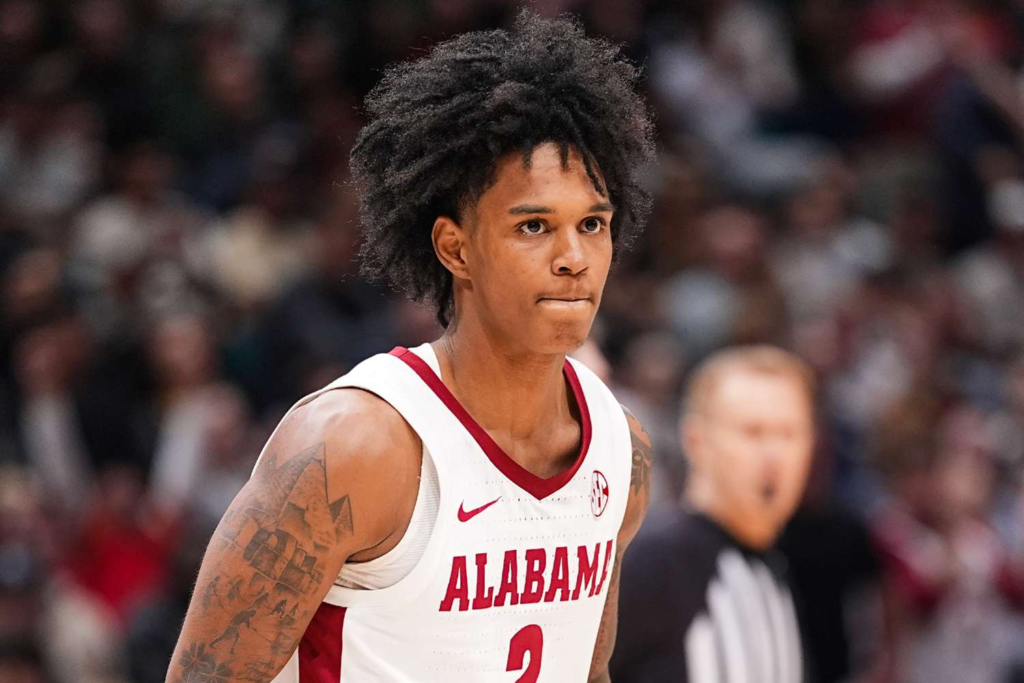
Without Holloway, Alabama will need to rely more heavily on its remaining roster to fill the gap. This could mean increased responsibilities for other guards and adjustments to the team’s offensive schemes. Depth and adaptability will be critical as the team navigates the early stages of the tournament. While Alabama has the talent to compete, losing a player of Holloway’s caliber at such a crucial moment presents a significant challenge.
The situation also places additional pressure on the coaching staff to maintain focus and cohesion within the team. Off-court distractions can have a tangible impact on performance, particularly in a high-stakes environment like March Madness. Players must balance the emotional weight of the situation with the need to remain disciplined and competitive on the court.
Historically, Alabama has faced similar challenges during the tournament period. Previous incidents involving players have tested the program’s resilience and ability to manage adversity. While each situation is unique, the recurring theme of off-court issues emerging at critical moments has become a point of concern for observers and analysts alike.
Broader Implications for College Athletics
Holloway’s arrest highlights broader issues within college athletics, particularly the challenges faced by young athletes navigating high-pressure environments. As student-athletes gain increased visibility and responsibility, their actions off the court are subject to intense scrutiny. Incidents like this raise questions about support systems, education, and the role of institutions in guiding players through both personal and professional challenges.
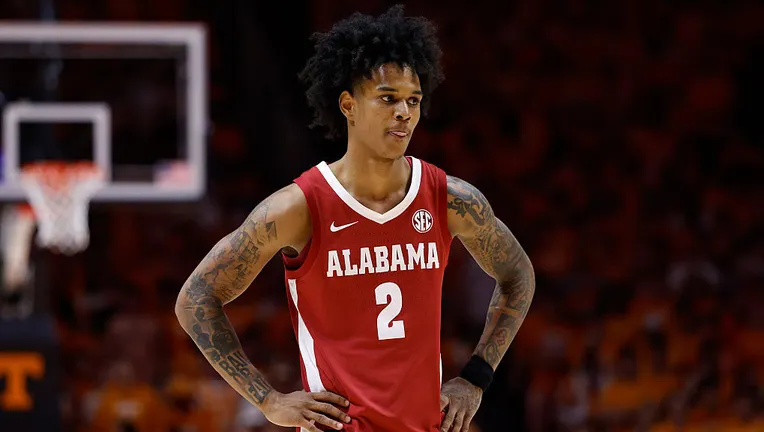
The legal landscape surrounding marijuana also adds complexity to the situation. With varying laws across states, athletes who travel and compete nationally must be aware of differing regulations. What may be permissible in one jurisdiction could carry severe penalties in another. This inconsistency creates potential risks for players who may not fully understand the legal implications of their actions.
For universities, incidents involving athletes can have reputational consequences that extend beyond the individuals involved. Athletic programs are often seen as representatives of their institutions, and controversies can influence public perception. As a result, schools must balance accountability with fairness, ensuring that due process is followed while maintaining the integrity of their programs.
The NCAA Tournament itself is a showcase of talent and opportunity, with players aiming to elevate their profiles and pursue professional careers. Situations like Holloway’s serve as a reminder of how quickly circumstances can change. A promising season can be overshadowed by a single incident, affecting not only the player’s future but also the trajectory of the entire team.
In the coming days, attention will remain focused on Alabama’s performance in the tournament and the status of Holloway’s case. While the team moves forward with its preparations, the broader conversation about discipline, responsibility, and the pressures of college sports is likely to continue.