
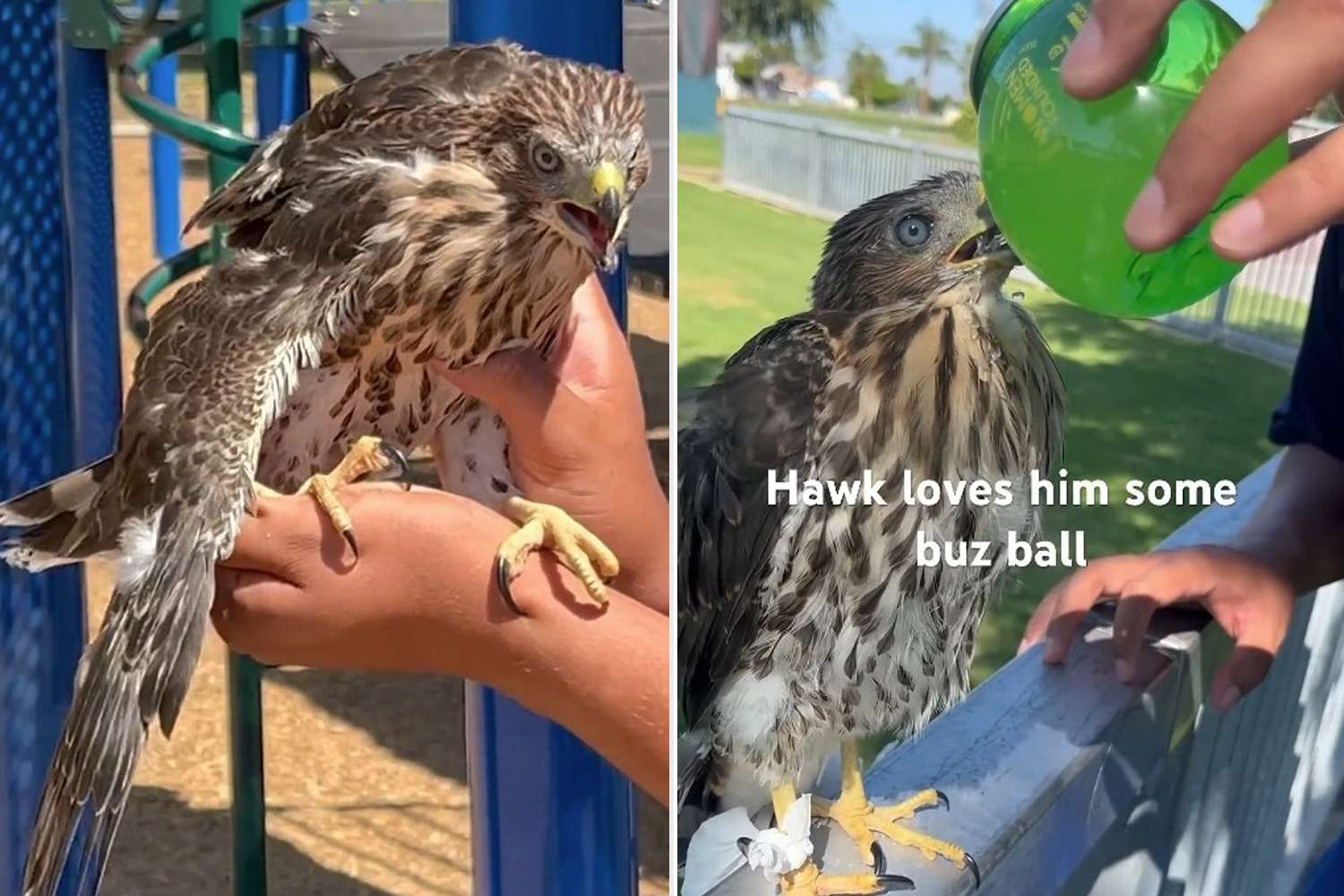
The sentencing of 25-year-old Cesar Gustavo Diaz in Los Angeles County has drawn widespread attention after a disturbing video surfaced online showing him pouring alcohol into the mouth of a protected hawk. The footage, which circulated on YouTube in 2025, prompted swift public outrage and a formal investigation by wildlife authorities.
The case has since resulted in jail time, probation, and a series of strict penalties designed to address both animal cruelty and broader public safety concerns. Authorities emphasized that the incident was not only morally troubling but also a violation of state and federal wildlife protection laws. The court’s decision reflects the seriousness with which California treats crimes involving protected species.
Incident at Amelia Mayberry Park and Investigation
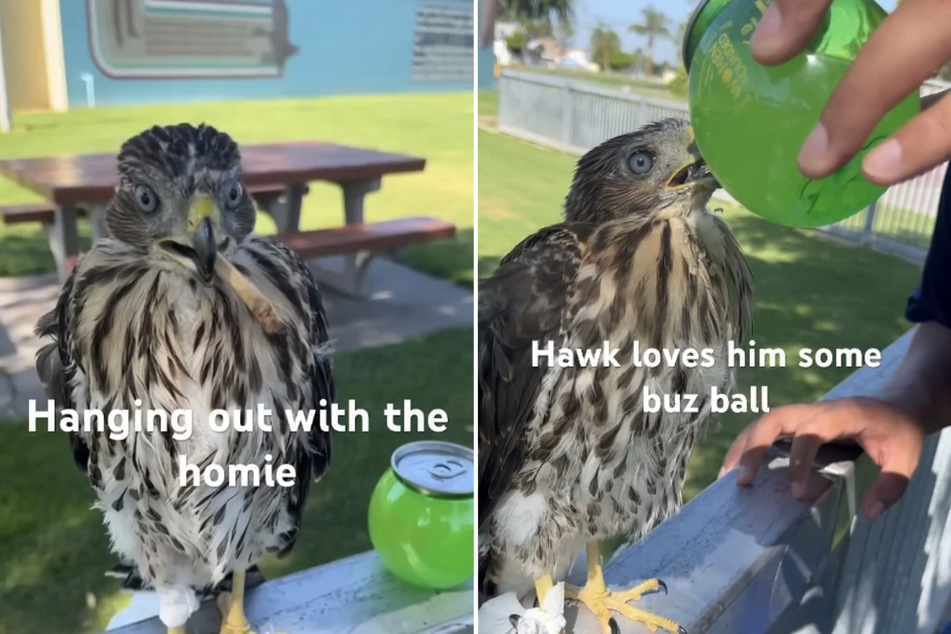
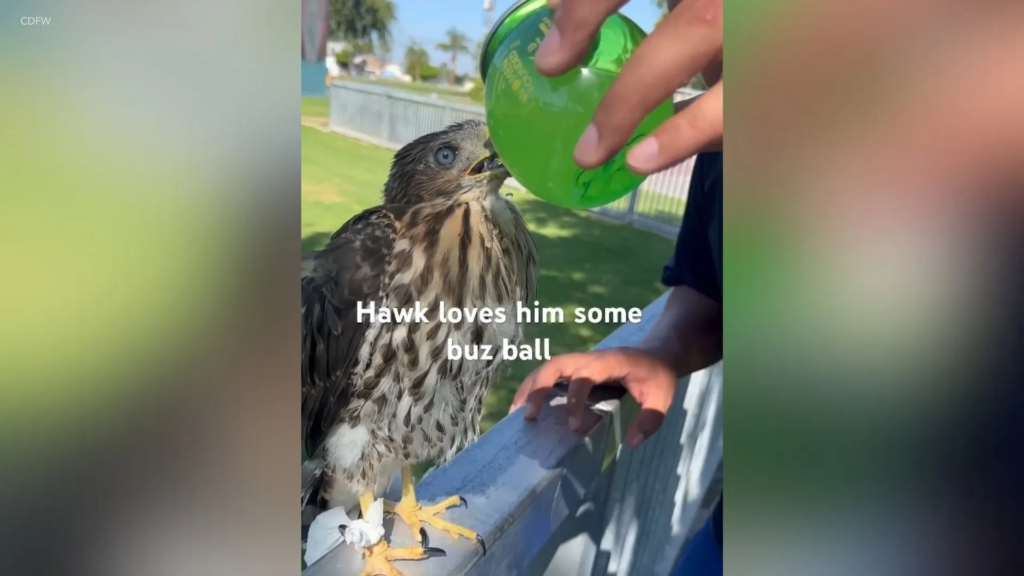
According to the California Department of Fish and Wildlife, the incident occurred in June 2025 at Amelia Mayberry Park in South Whittier, located in Los Angeles County. Diaz was seen in the video holding a juvenile Cooper’s hawk and pouring an alcoholic beverage into the bird’s mouth. Images later released by authorities suggested that the alcohol came from a green BuzzBallz cocktail container. The hawk, visibly restrained, appeared vulnerable as Diaz administered the substance.
Concerned members of the public alerted authorities after spotting the video online. The California Department of Fish and Wildlife’s Special Operations Unit launched an investigation, taking the matter seriously due to the species involved and the apparent intent displayed in the footage. Cooper’s hawks are protected under both California state law and federal wildlife statutes. Capturing, harming, or harassing them is illegal and can result in criminal prosecution.
Wildlife officers executed five search warrants during the course of the investigation. With assistance from detectives from the Los Angeles County Sheriff’s Department Operation Safe Streets unit, authorities identified Diaz. At the time of identification, Diaz was already in custody on unrelated charges. He was subsequently interviewed regarding the hawk incident. Officials stated that Diaz had allegedly released the hawk before the California Department of Fish and Wildlife could intervene directly in the animal’s recovery.
Read : Livie Rose Henderson Loses DoorDash Job Over Viral Video of Alleged Delivery Assault
The collaborative effort between wildlife officers and local law enforcement underscored the seriousness of the offense. Cases involving wildlife abuse can often be difficult to prosecute, particularly if the animal is no longer in custody or evidence is limited to digital footage. However, the existence of the publicly shared video played a critical role in substantiating the allegations.
Sentencing Details and Legal Consequences
On February 19, Cesar Gustavo Diaz entered a no-contest plea to an animal cruelty charge. A no-contest plea means the defendant does not admit guilt but accepts conviction and sentencing as though guilty. The court handed down a sentence that included 45 days in Los Angeles County Jail. However, Diaz had already served 44 days in custody ahead of sentencing, partly due to credit for time served and good behavior, meaning he had nearly completed the custodial portion of his punishment.
Read : Dollars for Dung! Maryland Zoo Offers to Name Animal Poop After Your Ex This Valentine’s Day
Beyond jail time, the court imposed 12 months of summary probation. Summary probation typically allows the individual to remain out of custody while complying with strict court-ordered conditions. Diaz was also ordered to complete 20 days of community labor and participate in a 24-session animal cruelty counseling program. These measures are intended not only as punishment but also as corrective steps aimed at reducing the likelihood of future offenses.
The sentencing included additional restrictions reflecting both animal welfare and public safety considerations. Diaz received a five-year prohibition on possessing animals, preventing him from legally owning or caring for pets during that period. He was also handed a ten-year firearm prohibition. Such restrictions are sometimes applied in cases where defendants are convicted felons or where courts determine that additional safeguards are warranted.
Financial penalties were also part of the sentence, with Diaz ordered to pay $220 in fines and fees. While modest compared to some criminal penalties, these fines form part of the broader accountability framework imposed by the court.
The combination of incarceration, probation, counseling, community service, and prohibitions signals a comprehensive judicial response. Authorities made clear that wildlife crimes are not treated lightly, especially when protected species are involved.
Wildlife Protection Laws and Public Response
The case has renewed attention on wildlife protection laws in California. Cooper’s hawks are safeguarded under both state and federal regulations, which prohibit capturing, harming, or harassing the species without proper authorization. These protections exist to maintain ecological balance and safeguard biodiversity. Birds of prey, including hawks, play an important role in controlling rodent populations and maintaining healthy ecosystems.
The California Department of Fish and Wildlife reminded the public that interfering with protected wildlife can result in criminal charges. The department also highlighted the importance of public vigilance, noting that concerned citizens played a pivotal role in bringing the video to their attention. Without those reports, the incident might have gone unaddressed.
Read : Animal Influencer ‘The Real Tarzann’ Mike Holston Hospitalized After Skydiving Accident
Public reaction to the case has been strong, particularly given the visual nature of the evidence. Social media platforms amplified awareness of the video, and many users expressed outrage over the treatment of the juvenile hawk. The visibility of the footage likely contributed to the speed and scope of the investigation, demonstrating how digital evidence can shape modern law enforcement responses.
Wildlife officials frequently stress that even seemingly minor acts of harassment toward protected animals can have serious consequences. Alcohol consumption poses clear risks to birds, especially juveniles. Exposure to toxic substances can lead to organ damage, neurological impairment, and even death. Although officials did not publicly confirm the hawk’s condition after release, the act itself constituted illegal interference with wildlife.
The case also highlights a broader pattern in which wildlife crimes intersect with digital media. The online sharing of illegal acts can serve as both evidence and a catalyst for public scrutiny. In this instance, the YouTube video became central to the prosecution’s case.
Authorities reiterated that protecting wildlife is a shared responsibility. Law enforcement agencies rely on community reporting to identify violations, especially in parks and open spaces where officers are not always present. The cooperation between the public, wildlife officials, and sheriff’s deputies in this case illustrates how such partnerships function in practice.
The Los Angeles County District Attorney’s Office and county courts spokesperson did not immediately provide additional public comment following sentencing. However, the formal announcement from the California Department of Fish and Wildlife made clear that the department views enforcement of wildlife laws as a priority.
In the aftermath of the sentencing, the case stands as a reminder of the legal consequences associated with harming protected species. It also reflects the evolving landscape of accountability in an era where actions recorded and shared online can rapidly trigger criminal investigations. For wildlife authorities in California, the outcome reinforces their commitment to enforcing conservation laws and responding decisively when violations occur.
Afunentrar, yeah? Pretty standard stuff, easy enough to sign up and get going. Could be a good option if you need somewhere quick. afunentrar
Betweb.com caça niquel, now we’re talking! Love a good slot machine. Looks promising for those who enjoy the caça niquel. betweb.com caça niquel
G66, got to explore a little bit. It has potential. User friendly and easy to navigate. I would recommend a look. g66