
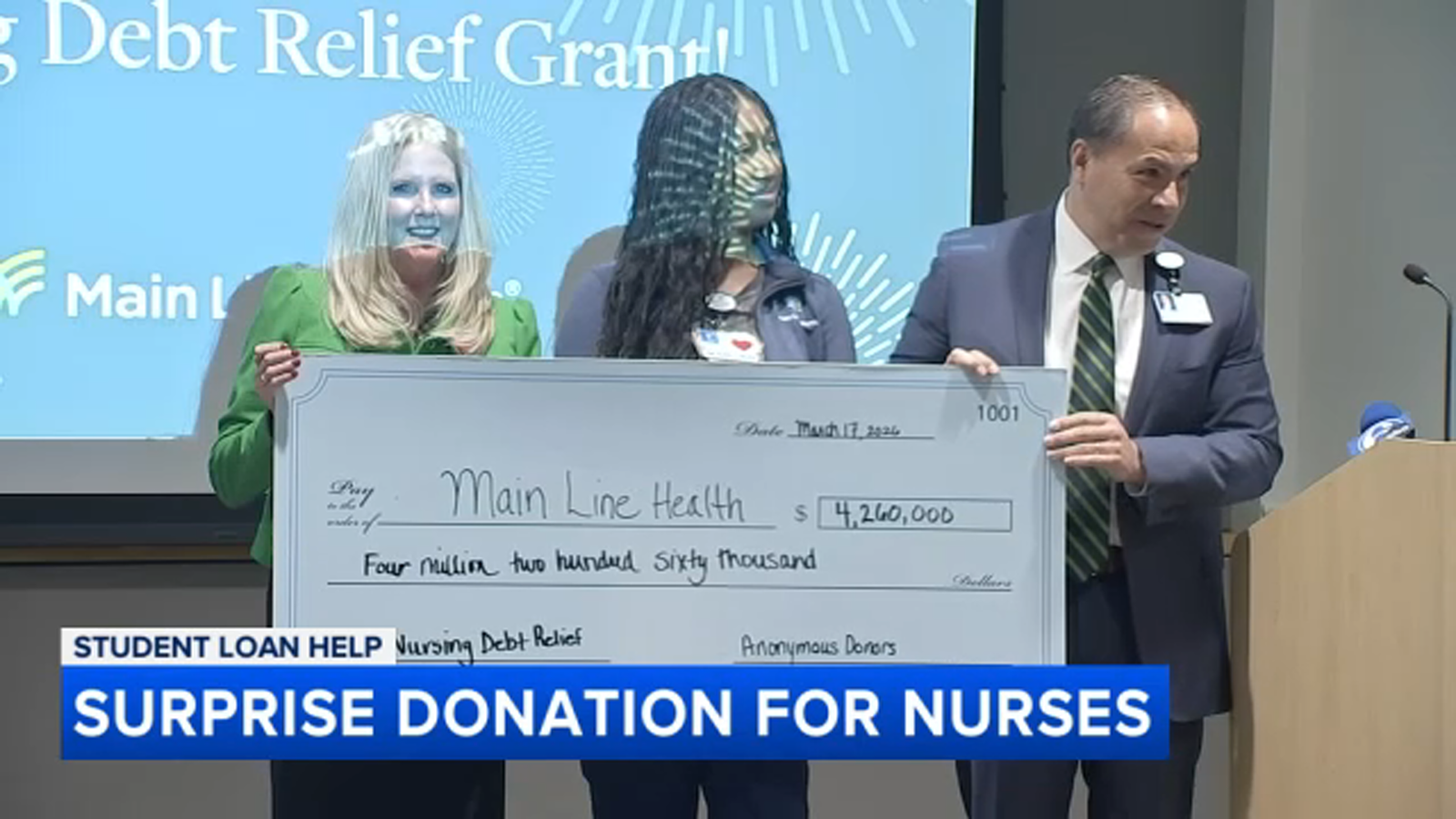
A remarkable act of generosity has brought unexpected relief and renewed hope to nurses at Bryn Mawr Hospital in Montgomery County, where an anonymous donor contributed $1 million to help reduce the burden of student loan debt. The surprise announcement, revealed during a gathering of hospital staff, quickly transformed into a deeply emotional moment for many nurses who have spent years balancing demanding work schedules with financial obligations.
Coming after years marked by the intense strain of the COVID-19 pandemic, the donation serves not only as financial assistance but also as a powerful recognition of the dedication and sacrifices made by frontline healthcare workers. The contribution is part of a broader wave of giving that has impacted multiple facilities within the Main Line Health system, including Lankenau Medical Center, Paoli Hospital, and Riddle Hospital.
Together, these donations have created a ripple effect of support, reaching hundreds of nurses and reinforcing a culture of appreciation within the healthcare community. For the nurses at Bryn Mawr Hospital, however, the moment carried a particularly personal significance, as it directly addressed one of the most pressing challenges many of them face: the long-term weight of student debt.
A Surprise That Carried Deep Emotional Impact
The announcement of the donation was intentionally kept under wraps, adding to the emotional intensity of the moment when it was finally revealed. Nurses gathered without knowing the purpose of the event, only to find themselves at the center of a life-changing surprise. One nurse was even selected to help deliver the announcement, making the experience more personal and memorable for those in attendance. The reaction was immediate and heartfelt, with many expressing disbelief, gratitude, and overwhelming emotion.
For healthcare professionals who often work long hours under high-pressure conditions, such recognition is rare. The pandemic years in particular placed extraordinary demands on nurses, both physically and emotionally. Many continued to serve despite personal risks, staffing shortages, and the constant stress of caring for critically ill patients. Against this backdrop, the anonymous donation felt like a meaningful acknowledgment of their resilience and commitment.
The emotional responses shared by nurses highlighted how much the gesture meant beyond its monetary value. It was not just about financial assistance, but about feeling seen and appreciated. For some, the support represented a turning point in their professional journey, offering reassurance that their efforts had not gone unnoticed. The anonymity of the donor further deepened the impact, shifting the focus entirely onto the act of giving rather than the individual behind it.
Read : McDonald’s Loses Chicken “Big Mac” Trademark Battle Against Irish Food Chain
Hospital leadership emphasized that the donor was inspired by stories of compassion and dedication from the nursing staff. Hearing firsthand accounts of the challenges nurses faced, as well as the critical role they played in patient care, motivated the donor to contribute in a way that would make a tangible difference. This connection between storytelling and action underscores the importance of sharing real experiences within the healthcare system, as they can inspire meaningful change.
Relieving Financial Pressure and Supporting Work-Life Balance
Student loan debt is a significant concern for many nurses, often requiring years of repayment that can limit financial flexibility and personal choices. By providing grants of up to $3,600 to eligible applicants, the donation directly addresses this issue in a practical and impactful way. While the amount may not eliminate debt entirely, it represents a meaningful step toward financial stability for many recipients.
For nurses like Matt Roberts, the impact goes beyond numbers. The reduction in financial pressure can translate into improved quality of life, allowing individuals to spend more time with their families and less time working additional shifts to meet financial obligations. In a profession where burnout is a well-documented issue, even small changes in workload and stress levels can have significant benefits.
Read :TMH Sues Patient Who Refuses to Leave Hospital Room Five Months After Discharge
The ability to reduce overtime and reclaim personal time is particularly valuable in healthcare, where work-life balance is often difficult to achieve. Nurses frequently juggle demanding schedules with family responsibilities, leaving little room for rest or personal pursuits. By easing financial constraints, the donation creates space for nurses to prioritize their well-being and relationships, which in turn can enhance their effectiveness at work.

Hospital officials noted that a total of 173 nurses applied for the grant, reflecting the widespread need for financial assistance within the workforce. The structured approach to distributing the funds ensured that the support reached those who could benefit most, while also adhering to guidelines that maximize the value of the grants for recipients. The decision to cap individual grants at $3,600 allowed the hospital to assist a larger number of nurses, extending the impact of the donation.
This targeted approach demonstrates how thoughtful allocation of resources can amplify the benefits of philanthropic efforts. Rather than focusing on a few large awards, the program prioritizes broad participation, ensuring that more individuals experience relief. In doing so, it fosters a sense of collective support and shared benefit among the nursing staff.
A Growing Culture of Generosity in Healthcare
The $1 million donation to Bryn Mawr Hospital is part of a larger pattern of giving that has emerged across the Main Line Health system. Combined with contributions to other hospitals, the total amount distributed has reached $4.26 million, benefiting more than 600 nurses. This ongoing wave of generosity reflects a growing recognition of the critical role nurses play in healthcare and the need to support them in meaningful ways.
What makes this trend particularly notable is its potential to inspire further acts of giving. According to hospital leadership, the anonymous donor was influenced by previous donations made at another facility, suggesting that generosity can be contagious. When individuals see the positive impact of such contributions, they may be encouraged to take similar actions, creating a chain reaction that extends far beyond a single institution.
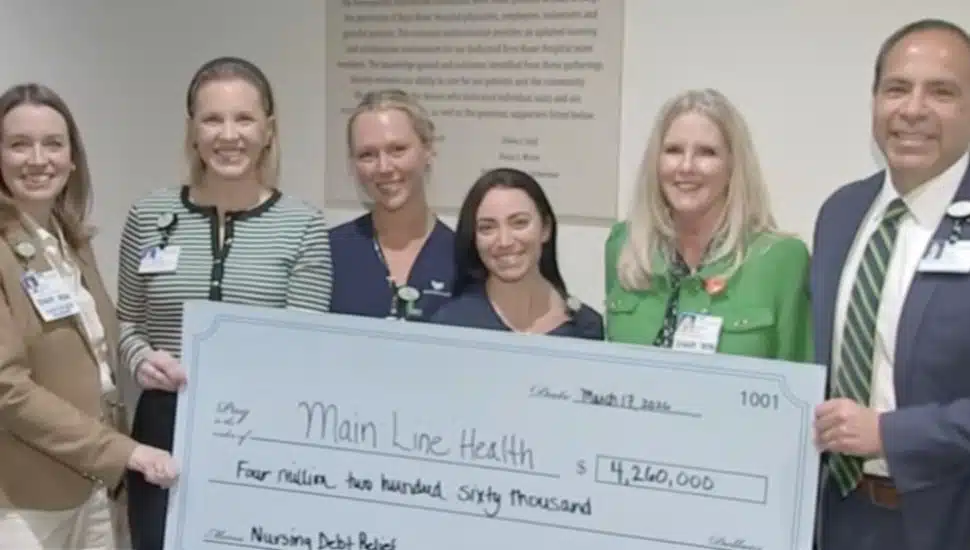
This phenomenon highlights the importance of visibility and storytelling in philanthropy. By sharing the outcomes of these donations and the experiences of those who benefit from them, healthcare organizations can amplify their impact and attract additional support. The stories of nurses who have been able to reduce their debt, spend more time with their families, or simply feel appreciated serve as powerful motivators for potential donors.
At the same time, the focus remains on the recipients and their experiences rather than the identity of the donor. This approach reinforces the idea that the true value of philanthropy lies in its ability to make a difference, not in recognition or publicity. The donor’s expressed joy in giving further underscores this perspective, emphasizing that the act of helping others can be deeply rewarding in itself.
For healthcare systems, fostering a culture of generosity involves more than facilitating donations. It requires creating an environment where staff feel valued, supported, and empowered. Initiatives like the student loan relief program contribute to this goal by addressing real challenges faced by employees and demonstrating a commitment to their well-being.
As the healthcare industry continues to navigate evolving challenges, including workforce shortages and increasing demands, such efforts take on added importance. Supporting nurses is not only a matter of fairness but also a strategic investment in the sustainability of the healthcare system. When nurses are less burdened by financial stress and better able to maintain a healthy work-life balance, they are more likely to remain in the profession and provide high-quality care.
The anonymous donation to Bryn Mawr Hospital stands as a powerful example of how targeted, thoughtful philanthropy can create meaningful change. By addressing both financial and emotional needs, it offers a model for future initiatives aimed at supporting healthcare workers. The ripple effects of this generosity will likely continue to be felt for years to come, both within the hospital and across the broader community of caregivers.