

The death of 22-year-old Australian snowboarder Ella Day Brooke during a winter sports trip to Japan has drawn international attention to ski lift safety and the risks associated with equipment entanglement. Brooke was travelling with friends when a tragic accident occurred at Tsugaike Mountain Resort in Nagano prefecture, one of Japan’s most popular snow destinations. What began as a routine disembarkation from a ski lift ended in a fatal incident that authorities and resort officials have since described as sudden and devastating.
The circumstances of her death, confirmed by Japanese police and the lift operator, have prompted an official investigation and renewed scrutiny of safety procedures at ski resorts frequented by large numbers of international visitors. According to police and company statements, Brooke’s backpack became caught on a ski lift chair as she attempted to get off, leaving her dragged across the snow and suspended mid-air.
Despite an emergency response by resort staff and her swift transfer to hospital, she suffered cardiac arrest and was later pronounced dead. Australian authorities have confirmed her death and are providing consular assistance to her family. The incident has deeply affected both the local resort community and those following the case abroad, particularly given Brooke’s young age and the ordinary nature of the activity she was undertaking at the time.
Details of the Incident at Tsugaike Mountain Resort
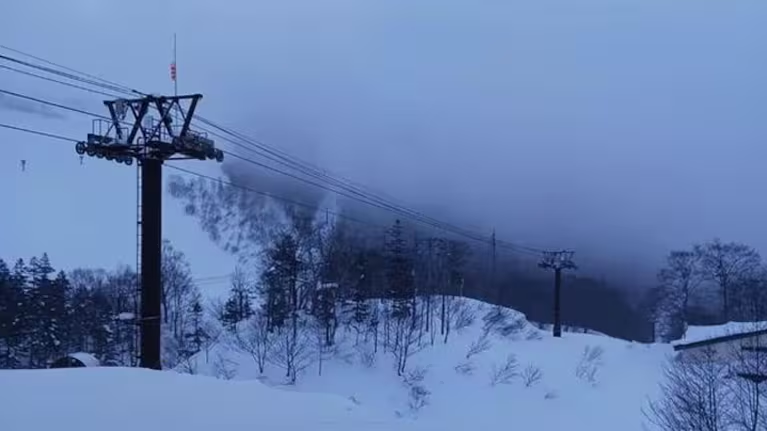
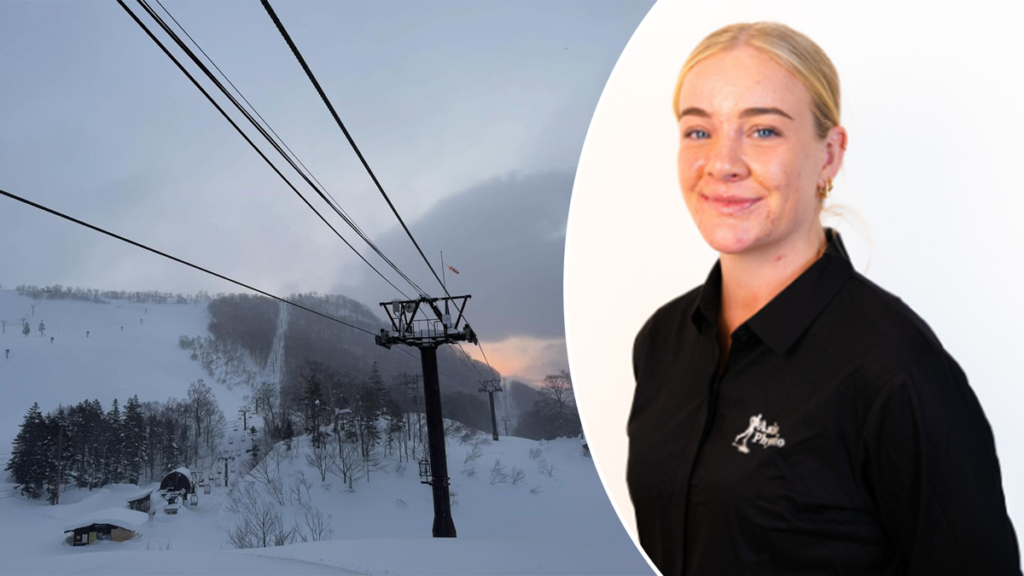
The incident occurred on 30 January at Tsugaike Mountain Resort, located in the Hakuba Valley region of Nagano prefecture on Japan’s main island of Honshu. The area is a well-known winter sports destination, drawing skiers and snowboarders from around the world due to its reliable snowfall and extensive lift infrastructure. Ella Day Brooke was using one of the resort’s chair lifts when the accident took place shortly after she attempted to disembark.
According to statements from Tsugaike Gondola Lift Co. and local police, an unfastened waist-belt buckle on Brooke’s backpack became entangled in the ski lift chair. While the waist belt caught on the chair, the chest strap of the backpack remained fastened. This combination prevented the backpack from detaching from her body as she moved forward after exiting the lift. As a result, she was dragged along with the moving chair and lifted into the air.
Kubo Tsuneo, the company’s chief executive and director, explained that because the chest strap was secured, the backpack stayed attached to Brooke, causing her to be pulled along rather than freed from the equipment. The dragging reportedly caused severe stress and injuries, and she soon went into cardiac arrest. Resort staff responded by pressing the emergency stop button to halt lift operations as soon as the situation was identified.
An attendant rushed to assist Brooke, and emergency medical measures were initiated at the scene. She was then transported by ambulance to a hospital. Despite these efforts, hospital officials later declared her dead upon arrival. Police confirmed that the cause of death was linked to cardiac arrest following the accident, and described her injuries as critical.
A young Queenslander killed at a ski resort in Japan was a trained avalanche rescuer who had saved lives. It was the 22-year-old's rescue backpack, which became caught in the chairlift. @JdeRichard pic.twitter.com/AZxTW6pMyg
— 7NEWS Queensland (@7NewsBrisbane) February 3, 2026
Authorities in Nagano said the incident occurred quickly and left little opportunity for intervention before Brooke was seriously harmed. The police are continuing to examine the circumstances surrounding the accident, including the operation of the lift and the role of personal equipment in the fatal entanglement.
Official Responses and Ongoing Investigation
In the aftermath of the incident, both the Tsugaike Mountain Resort and Tsugaike Gondola Lift Co. issued public statements expressing condolences to Brooke’s family and announcing that a formal investigation would be launched. The companies offered a joint apology, acknowledging the seriousness of the accident and the loss of life.
Kubo Tsuneo stated that resort staff acted immediately once the danger was identified, stopping the lift and providing emergency assistance. He emphasised that the company would review its safety measures to prevent similar incidents in the future. While no conclusions have yet been released regarding liability or procedural failures, the operator has pledged to strengthen safety protocols and staff training.
Read : Snowboarder Ryan Wedding Who Was on FBI’s Ten Most Wanted Fugitives List Arrested in Mexico
Nagano Omachi Police are conducting their own investigation, focusing on how the entanglement occurred and whether any operational or safety issues contributed to the fatal outcome. This includes reviewing lift design, disembarkation procedures, and safety warnings provided to guests. Investigators are also examining whether existing guidelines adequately address the risks posed by backpacks and other personal equipment worn while using ski lifts.
Australia’s Department of Foreign Affairs and Trade confirmed that Brooke was an Australian citizen and that consular officials were in contact with her family. In a statement, the department expressed its deepest condolences and said it was providing support during what it described as an extremely difficult time. Due to privacy obligations, the department declined to provide further details.
The incident has also attracted attention within the wider ski industry, where safety experts have noted that while ski lift accidents are relatively rare, entanglements involving clothing or equipment can have severe consequences. Resorts around the world commonly advise guests to remove backpacks before boarding lifts or to ensure that all straps are securely tucked away. The investigation at Tsugaike is expected to assess how such guidance was communicated and enforced.
Japan’s Ski Resorts and Safety Considerations for Visitors
Japan is widely regarded as one of Asia’s leading snow sports destinations, particularly among international visitors seeking high-quality powder snow. Resorts in regions such as Nagano and Hokkaido attract hundreds of thousands of foreign tourists each winter, many of whom are young travellers or seasonal workers combining recreation with travel. The popularity of these resorts has placed increasing emphasis on multilingual safety communication and consistent enforcement of rules.
Read : Snowboarder Ueli Kestenholz Dies After Being Trapped in Avalanche in Lötschental Valley
Ski lift systems in Japan are generally considered modern and well-maintained, with strict regulations governing their operation. However, as with ski resorts worldwide, safety depends not only on mechanical reliability but also on user behaviour and awareness. Wearing backpacks, camera straps, or loose clothing while boarding and exiting lifts has long been recognised as a potential hazard if not properly managed.
In Brooke’s case, the entanglement of an unfastened waist buckle combined with a secured chest strap created a situation in which the backpack could not detach when caught. This sequence of events has highlighted a specific risk scenario that may not be fully appreciated by all resort users, particularly those unfamiliar with lift protocols or distracted during disembarkation.
The tragedy has prompted renewed discussion about whether additional measures are needed, such as clearer instructions to remove backpacks before using lifts, physical checks by lift attendants, or design modifications to reduce snag points. Some resorts internationally require guests to carry backpacks on their laps rather than on their backs while riding chair lifts, precisely to minimise entanglement risks.
While investigations continue, the incident serves as a stark reminder of how quickly accidents can occur in environments that are otherwise perceived as recreational and controlled. For many visitors, ski resorts represent leisure and enjoyment, yet they also involve complex machinery and inherent risks that require constant vigilance.
As authorities work to determine the precise factors that led to Ella Day Brooke’s death, her case has already had a profound impact on discussions around safety awareness and prevention. For her family and friends, the loss is immeasurable, and for the wider public, the incident underscores the importance of rigorous safety practices in popular tourist destinations.