
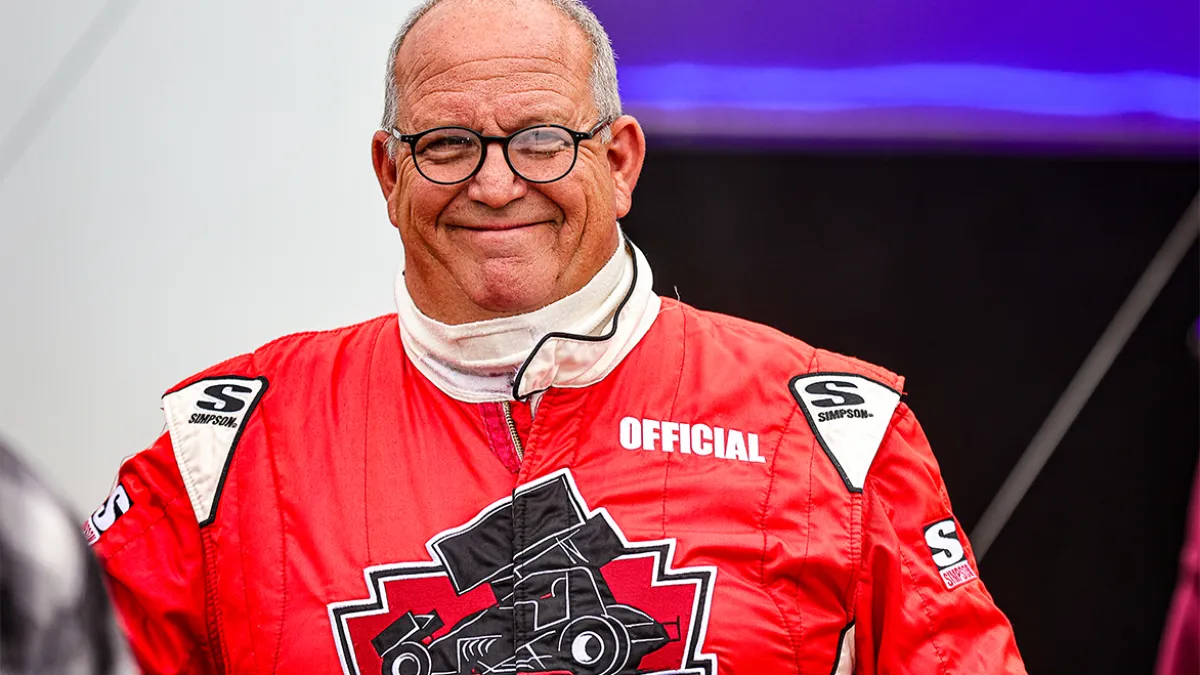
The sudden and tragic death of veteran safety official and retired firefighter Billy Hurt has sent shockwaves through the motorsports and emergency response communities. Known for his decades of dedication to saving lives both on and off the track, Hurt lost his life in a devastating accident while doing what he had always done—rushing to help others in danger.
The incident occurred during a sprint car racing event in Texas, transforming what began as a routine emergency response into a heartbreaking loss that has deeply affected colleagues, drivers, and fans alike. As details continue to emerge, the circumstances surrounding the collision highlight not only the inherent risks faced by safety crews but also the extraordinary commitment of individuals like Hurt, whose contributions often go unnoticed despite their critical importance.
A Routine Emergency Turns Fatal on the Track
The incident unfolded at a race track in Kennedale, Texas, just outside Fort Worth, during a high-energy sprint car event. These races are known for their speed and intensity, and accidents, while unfortunate, are not uncommon. Safety teams are always on standby, prepared to act within seconds when a crash occurs. On that Saturday evening, shortly before 9 pm, such a situation arose, prompting immediate action from track officials.
Billy Hurt and fellow safety official Jerry Myers were among those responding to an on-track accident. Both men were operating all-terrain vehicles, a standard mode of transportation for quickly navigating the infield during emergencies. In the urgency to reach the crash site, their vehicles collided with each other in what authorities have described as a highly unusual and unexpected event. The impact threw both men from their ATVs, resulting in severe injuries.
Emergency responders quickly shifted their focus from the initial racing incident to aiding Hurt and Myers. Despite their efforts, Billy Hurt succumbed to his injuries. Jerry Myers, who was also seriously hurt, was transported to a nearby hospital, where he remains in stable condition and is reportedly recovering. The race was cancelled shortly after the accident, as the gravity of the situation became clear to everyone present.
Read : 61% of US Adults Will Have Some Type of Heart Disease by 2050
Witnesses described the collision as something they had never seen before. In a sport where safety crews are trained to handle chaos with precision and coordination, such an incident between responders themselves is exceedingly rare. The shock among spectators and participants was immediate, as the realization set in that a routine safety response had turned into a fatal tragedy.
A Lifetime Dedicated to Safety and Service
Billy Hurt’s legacy extends far beyond the events of that night. He was widely respected as a pioneer in vehicle extrication, a specialized field focused on rescuing individuals trapped in wrecked vehicles. His expertise was not limited to theory; it was built on years of hands-on experience as a firefighter and safety professional. Throughout his career, Hurt trained countless emergency responders, sharing his knowledge with fire departments and rescue teams across multiple regions.
Read : Firefighters Rescue Young Hereford Cross Cow Trapped Up to Its Shoulders in Mud
His work as an instructor had a profound and lasting impact. He was known for teaching not only the technical aspects of extrication but also the mindset required to perform under pressure. From basic rescue techniques to complex scenarios involving large vehicles like school buses, Hurt ensured that those he trained were prepared for any situation. His dedication to education meant that his influence extended far beyond his own actions, as each firefighter he trained carried forward his methods and principles.
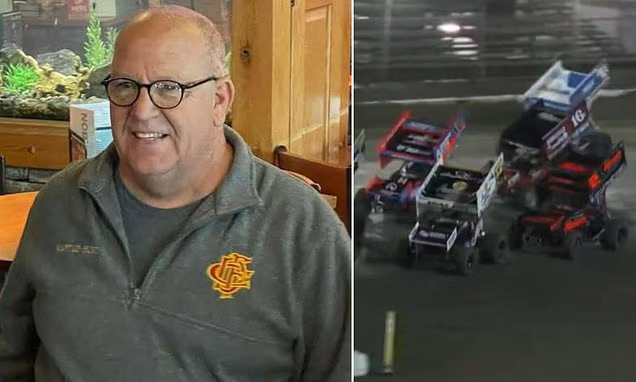
In the world of motorsports, Hurt had become a familiar and trusted presence. Safety officials like him operate behind the scenes, often unnoticed by the public, yet they play a vital role in ensuring that drivers have a chance to survive high-speed crashes. Hurt’s reputation was built on reliability, professionalism, and an unwavering commitment to the well-being of others. Drivers and team members knew that when he was on duty, they were in capable hands.
Colleagues frequently described him as someone who embodied selflessness. His decision to respond to emergencies, even in high-risk environments, reflected a lifelong commitment to helping others. Whether he was at a race track or training first responders, Hurt approached every task with the same level of seriousness and compassion. His contributions have been credited with improving safety standards and saving lives, making his loss all the more significant.
Tributes Highlight the Hidden Heroes of Motorsport
In the aftermath of the accident, tributes poured in from across the racing community and beyond. Many expressed not only their grief but also their appreciation for the often-overlooked role of safety crews. Drivers, in particular, emphasized that their ability to compete relies heavily on the presence of skilled and courageous individuals like Billy Hurt.
Messages shared by those in the sport underscored a common sentiment: while drivers may receive the spotlight, it is the safety teams who stand ready to face danger without recognition. These individuals are tasked with entering hazardous situations at a moment’s notice, often putting their own lives at risk to ensure others can walk away from devastating crashes. Hurt’s death has brought renewed attention to this reality, prompting reflection on the sacrifices made by those working behind the scenes.
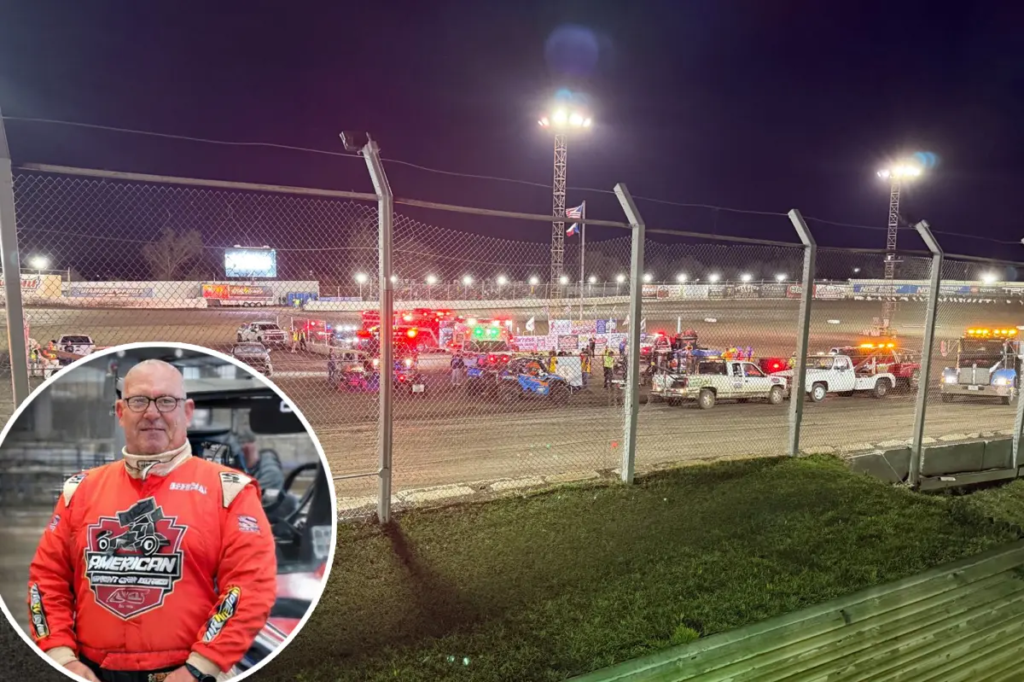
Organizations connected to motorsports also released statements honoring Hurt’s contributions. He was described as a trusted figure whose presence brought reassurance to everyone around him. His professionalism was matched by his kindness, making him not only a respected colleague but also a friend to many. Those who had worked with him spoke of his ability to connect with people, whether he was assisting at an event or teaching a training session.
Fire service communities likewise paid tribute, recognizing Hurt as a mentor and leader. Many credited him with shaping their careers and improving their ability to respond to emergencies. His influence, they noted, would continue to be felt for years to come, as the knowledge he imparted remains embedded in the practices of those he trained.
The incident has also sparked conversations about safety protocols for emergency responders within motorsports environments. While such accidents are rare, the collision highlights the need for constant evaluation and improvement of procedures to protect those who dedicate themselves to protecting others. Ensuring clear communication, coordination, and operational safety among response teams is essential, especially in high-pressure situations where seconds can make a difference.
Billy Hurt’s passing serves as a powerful reminder of the risks inherent in emergency response roles. His life’s work demonstrated a commitment to service that extended beyond personal safety, reflecting a belief in the importance of helping others no matter the circumstances. As the racing community mourns his loss, it also recognizes the enduring impact of his contributions and the example he set for future generations of responders.
His story is one of dedication, expertise, and quiet heroism—qualities that define many who work in similar roles but rarely receive widespread recognition. Through the tributes and memories shared by those who knew him, it is clear that Billy Hurt’s legacy will continue to influence both motorsports safety and emergency response training for years to come.
Prosta Peak is a high-quality prostate wellness supplement formulated with a comprehensive blend of 20+ natural ingredients and essential nutrients to support prostate health