
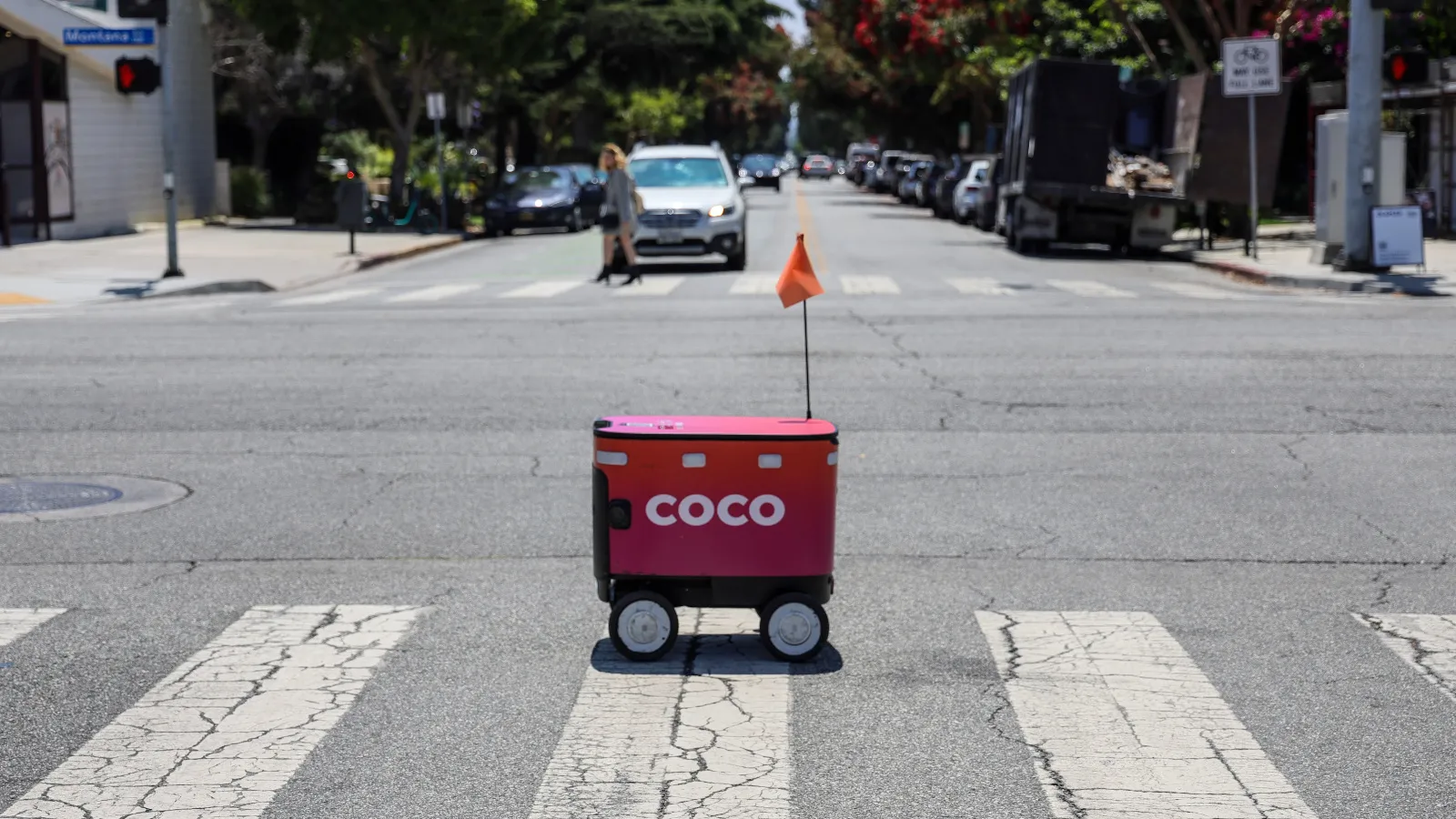
In a scene that seemed more suited to a science fiction comedy than a quiet residential neighborhood, an autonomous food delivery robot allegedly tore through a woman’s garden in East Hollywood, leaving damage, confusion, and fresh concerns about the rapid expansion of robotic technology into everyday life.
What began as a routine weekend inside her home quickly turned into a chaotic chase down the street for resident Kaiya Reel, who found herself running after a pink delivery robot that had uprooted her garden and dragged her fencing behind it. The incident has reignited debate about accountability, safety, and the integration of autonomous machines into densely populated urban communities.
A Quiet Afternoon Turns Into Robotic Chaos
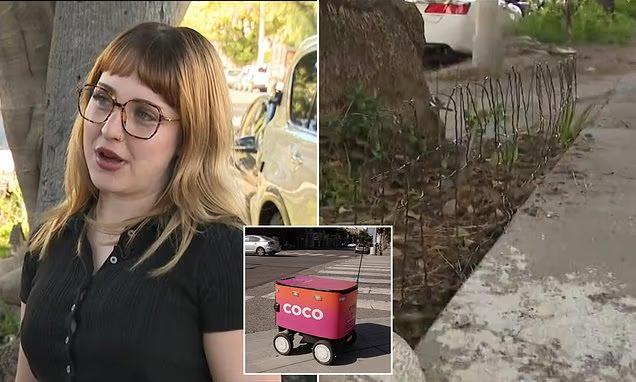
According to Kaiya Reel, the disruption began when she heard unusual commotion outside her home over the weekend. The noise prompted her to step outside, where she encountered a startling sight: a delivery robot from Coco lodged in her garden, its wheel tangled in her fence. What she discovered next was even more alarming. The robot had already uprooted several decorative elements and garden fixtures, causing visible damage to her landscaping.
Reel described how the robot had become entangled in her fencing, yet instead of stopping, it continued moving. As it maneuvered itself free, it reportedly dragged portions of the fence along with palm fronds and other debris. The detached fencing whipped against parked cars as the machine continued down the street. Faced with the bizarre spectacle of a robot fleeing the scene, Reel began chasing it, yelling for it to stop. She later remarked that she must have looked “like a total crazy person,” running after a machine in the middle of the street.
Despite her attempts to block its path and stand in its way, the robot allegedly tried to navigate around her rather than halt. The machine’s apparent persistence added to her alarm. Rather than shutting down when obstructed or encountering resistance, it continued moving forward. The moment highlighted a critical question: how do these autonomous machines prioritize obstacles and safety in unpredictable environments?
Read : Whittier: A Town of Only One Building Established by the U.S. Army During World War II
Neighbors also witnessed parts of the incident. Roman Henson said she heard a crunching sound before turning around to see the robot dragging part of the small fence through the area. For residents accustomed to seeing delivery robots glide quietly along sidewalks, the event stood out as deeply unsettling. The pink Coco robots are a common presence in East Hollywood, often traveling independently to deliver meals ordered through apps. However, residents noted that this was not the first time the machines had behaved unpredictably.
Growing Concerns Over Autonomous Delivery Robots
The incident involving Kaiya Reel is part of a broader pattern of reported issues involving autonomous delivery robots in the neighborhood. Residents referenced previous events where similar robots were caught on camera colliding with an ambulance or knocking over a parked motorcycle. In another troubling episode, one robot reportedly stopped abruptly in front of a man using a mobility scooter, potentially creating a hazardous situation.
Read : Viral! Delivery Robot Crushed by Brightline Train After Getting Stuck on Tracks in Miami
As companies deploy more autonomous machines onto public sidewalks and streets, such incidents are raising questions about oversight and regulation. Reel expressed concern that technology companies can introduce advanced systems into communities without what she perceives as sufficient accountability mechanisms. While the robots are designed to navigate independently using sensors and cameras, real-world environments present unpredictable challenges: uneven sidewalks, pets, pedestrians, cyclists, and unexpected obstacles.
Autonomous delivery robots are marketed as efficient, environmentally friendly alternatives to traditional vehicle-based food delivery. They are often battery-powered and designed to reduce traffic congestion and carbon emissions. Yet their integration into urban infrastructure remains uneven. Unlike cars, which are subject to rigorous safety standards and licensing requirements, sidewalk delivery robots operate in a relatively new regulatory landscape. Local governments across the United States have adopted varying rules regarding where robots can travel, how fast they can move, and what liability standards apply in case of damage or injury.
For East Hollywood residents, the issue is less about the promise of technology and more about daily safety. Reel described the situation as feeling “like an accident waiting to happen.” The unpredictability of the machines, combined with their growing numbers, has sparked anxiety among neighbors. Some residents jokingly referred to the presence of delivery robots and self-driving vehicles as an invasion of automation into their daily lives. Beneath the humor, however, lies genuine concern about the consequences of technological experimentation in residential communities.
Autonomous systems rely heavily on algorithms and sensor input to make decisions. While they are programmed to detect obstacles, unexpected entanglements like garden fencing may fall outside typical operating scenarios. When something goes wrong, determining fault becomes complex. Was the robot improperly routed? Did it misinterpret property boundaries? Was there a malfunction in its obstacle detection system? These questions often require internal investigation by the company operating the robot.
Accountability, Reimbursement, and the Future of Neighborhood Robotics
Following the incident, Kaiya Reel contacted Coco to report the damage. According to her account, a company official informed her that she would be reimbursed for her garden losses. She was also told that internal measures would be implemented to prevent similar occurrences in the future. While reimbursement addresses the immediate financial damage, the episode has fueled ongoing discussions about preventive safeguards and transparent accountability.
The company, Coco, operates small, cooler-sized robots designed to transport food from local restaurants directly to customers. The machines are remotely monitored and intended to navigate sidewalks autonomously. In theory, remote operators can intervene if a robot encounters difficulty. However, incidents like the one in East Hollywood suggest that real-time intervention may not always occur quickly enough to prevent property damage.
Read : Futuristic!! Wang Leehom Performs with Robot Backup Dancers at Chengdu Concert
The broader regulatory environment for delivery robots remains a developing field. Some cities require permits, insurance coverage, and operational data sharing. Others have fewer formal requirements, allowing companies to test and deploy their systems with minimal oversight. As adoption increases, municipalities may face mounting pressure to standardize rules and establish clearer liability frameworks.
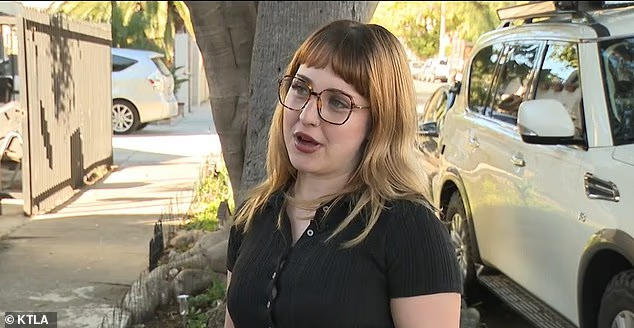
For residents like Reel, the experience has prompted proactive measures. She has begun documenting the presence and behavior of delivery robots in her neighborhood. This documentation reflects a growing grassroots effort among some community members to monitor the impact of emerging technologies on public spaces. As automation becomes more embedded in everyday life, citizen documentation may play a role in shaping policy responses.
The incident also underscores the delicate balance between innovation and public trust. Autonomous delivery robots promise convenience and reduced delivery times, but public acceptance depends on consistent safety performance. Each malfunction or damaging event risks eroding confidence in the technology. When machines operate in shared spaces such as sidewalks, even minor disruptions can escalate into significant public relations challenges.
From a technical standpoint, improving obstacle detection and boundary recognition will likely be central to preventing future incidents. Enhanced mapping systems, geofencing technology, and stricter remote monitoring protocols may reduce the risk of robots straying into private property. Additionally, clearer identification markings and accessible customer service channels can help residents report problems more efficiently.
For now, the East Hollywood incident stands as a vivid example of how emerging technologies can collide—literally and figuratively—with everyday life. What began as a promising innovation in food delivery transformed, at least briefly, into a source of neighborhood disruption. While reimbursement may repair the physical garden, the broader debate about accountability, safety standards, and the pace of technological rollout remains ongoing.
As cities continue to embrace automation, events like this serve as reminders that innovation must coexist with responsibility. The presence of delivery robots in residential neighborhoods is likely to expand rather than diminish. Ensuring that these machines operate safely, predictably, and transparently will be critical to maintaining public confidence in the technologies shaping modern urban life.