
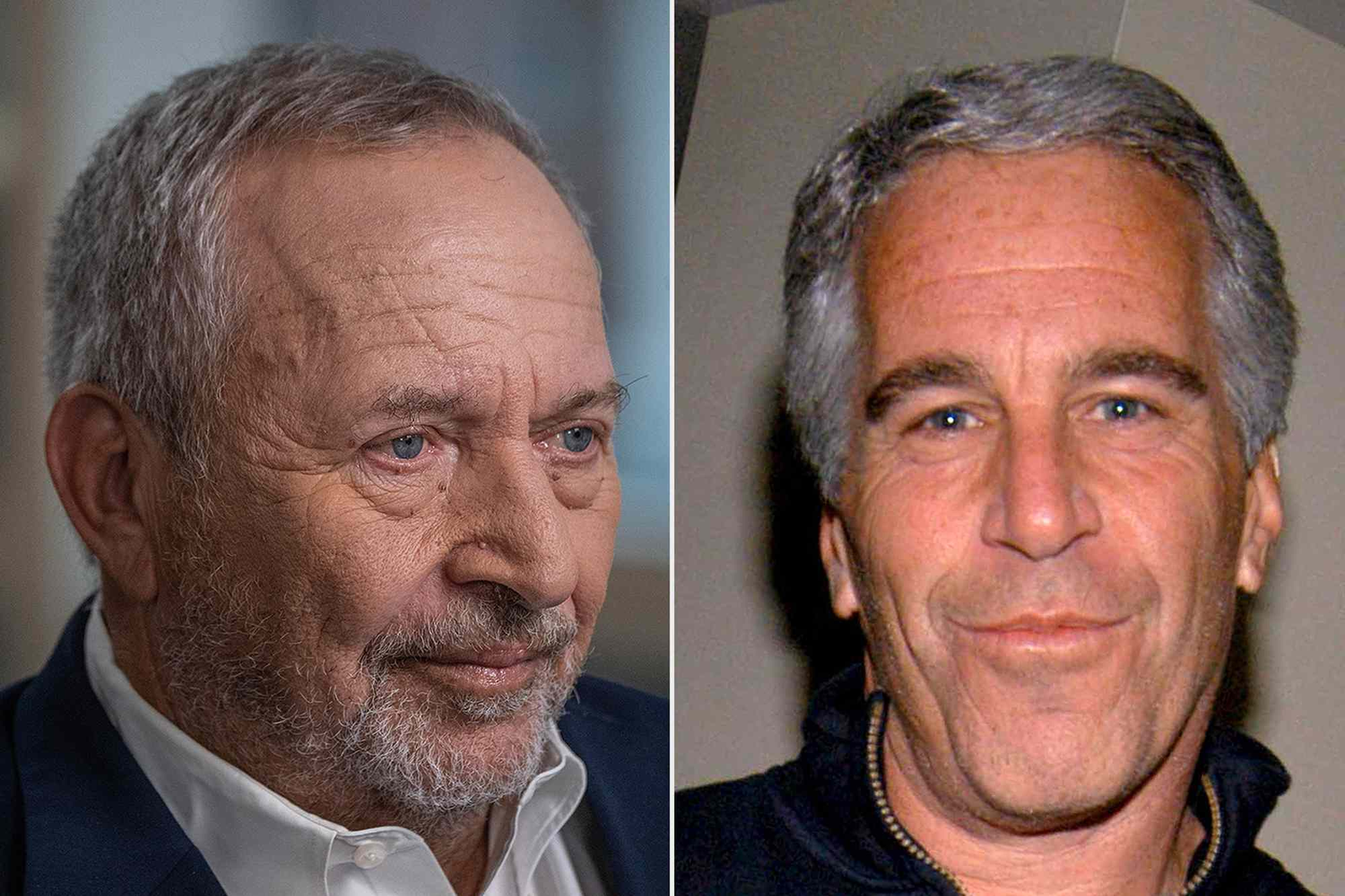
The decision by Larry Summers to retire from his professorship at Harvard University marks a significant development in the continuing fallout surrounding individuals linked to the late financier Jeffrey Epstein. Summers, a prominent economist and former U.S. Treasury Secretary, announced that he will step down at the end of the academic year, describing the move as a difficult but necessary decision.
His retirement comes amid heightened scrutiny following the release of government documents detailing correspondence between Summers and Epstein, a convicted sex offender whose associations with powerful figures have sparked years of controversy. The move signals another high-profile consequence in a saga that has reshaped reputations across academia, finance, and public service.
Summers’ announcement, confirmed by a Harvard spokesperson, also includes his resignation as co-director of the Mossavar-Rahmani Center for Business and Government at the Harvard Kennedy School. According to the university, he will remain on leave until the academic year concludes and will not teach classes or accept new advisees during that period. His exit, first reported by The Harvard Crimson student newspaper, underscores the growing institutional and reputational pressure faced by individuals whose past associations with Epstein have come under renewed examination.
A Distinguished Career in Economics and Public Service
Larry Summers has long been regarded as one of the most influential economic policymakers of his generation. A former president of Harvard University, he also served as U.S. Treasury Secretary under President Bill Clinton from 1999 to 2001. During that tenure, Summers played a central role in shaping late-1990s economic policy and addressing international financial crises. Years later, he returned to the White House as Director of the National Economic Council under President Barack Obama, where he helped craft stimulus measures aimed at stabilizing the U.S. economy during the aftermath of the Great Financial Crisis.
Throughout his career, Summers maintained a reputation for intellectual rigor and assertive policy positions. He was instrumental in debates over fiscal stimulus, financial regulation, and macroeconomic stabilization, often occupying the center of national policy discussions. His influence extended beyond government service into academia, where he taught and mentored thousands of students at Harvard. Even after stepping down from public office, he remained a visible voice in global economic debates, contributing commentary and research on issues ranging from inflation to global growth.
However, his professional accomplishments have increasingly been overshadowed by questions about his past relationship with Jeffrey Epstein. Documents released by the government revealed years of correspondence between the two men, raising concerns about judgment and ethics. Some of the emails reportedly included comments by Summers that were widely criticized as inappropriate or sexist. The content of these exchanges, along with the broader context of Epstein’s criminal history, intensified scrutiny not only of Summers but also of the institutions that maintained ties with Epstein or individuals associated with him.
We’re seeing more fallout from the Epstein files impacting high profile public figures.
— The National Desk (@TND) February 26, 2026
Former Treasury Secretary under Clinton and Obama, Larry Summers, announced he will resign from teaching at Harvard.
Tech mogul Bill Gates apologized to his staff at the Gates Foundation… pic.twitter.com/ziQWOCFP3G
In November, Summers publicly acknowledged his regret, stating that he was “deeply ashamed” of his relationship with Epstein. At the time, he announced a pause in public engagements in an effort to rebuild trust and repair relationships. These statements represented an attempt to address mounting criticism, yet the subsequent release of additional documents appears to have renewed concerns and prompted further institutional review.
Institutional Response and Professional Consequences
Harvard University has indicated that Summers’ resignation as co-director of the Mossavar-Rahmani Center was accepted in connection with the university’s ongoing review of documents related to Epstein. The dean of the Harvard Kennedy School accepted his resignation as part of this process. The university declined to comment on whether termination was considered or what financial arrangements might accompany Summers’ departure, reflecting a cautious approach as the review continues.
Summers’ situation is not isolated. The Epstein scandal has had far-reaching consequences across multiple sectors. As more documents and correspondence have been released, public scrutiny has extended to business leaders, academics, and political figures whose interactions with Epstein were previously less visible. In Summers’ case, the consequences have been tangible and substantial. He was banned for life from the American Economic Association due to his ties to Epstein. Additionally, he stepped down from his position on the board of OpenAI and resigned from an advisory board role at Spanish bank Santander.
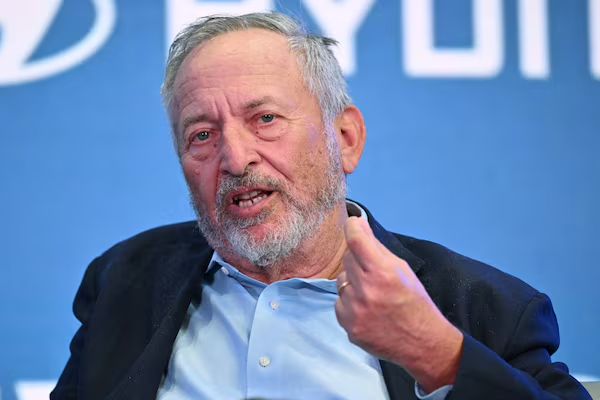
These developments highlight how reputational risks can quickly escalate in the context of renewed public attention. Even relationships that predated the full understanding of Epstein’s criminal activities have been reevaluated through a contemporary lens that demands heightened ethical accountability. Institutions, particularly universities, are increasingly sensitive to public perception and to the values they project regarding leadership, governance, and integrity.
Harvard’s decision to place Summers on leave and limit his responsibilities until the end of the academic year reflects a measured response. Rather than an abrupt dismissal, the university appears to be managing a transition that acknowledges both Summers’ longstanding contributions and the seriousness of the concerns raised by newly released materials. For an institution with its own history of scrutiny over prior connections to Epstein, the handling of Summers’ case is likely to be closely watched by students, faculty, alumni, and the broader public.
Reputation, Accountability, and the Path Forward
The retirement of a figure as prominent as Larry Summers raises broader questions about accountability and the long-term implications of association with controversial individuals. For Summers, the resignation marks the closing chapter of a formal academic career at Harvard, though he has expressed an intention to remain active in research and commentary. In his statement, he said that, free of formal responsibilities as President Emeritus and a retired professor, he looks forward to engaging in analysis and commentary on global economic issues.
Read : Who is Allyson Friedman, Hunter College Professor Whose Racist Hot Mic Remarks Spark Outrage?
The episode also illustrates the evolving standards by which leaders are judged. While Summers’ professional record includes decades of public service and academic achievement, public discourse has increasingly focused on the ethical dimensions of personal and professional relationships. In a climate where transparency and institutional responsibility are paramount, associations that might once have attracted limited attention now carry significant consequences.
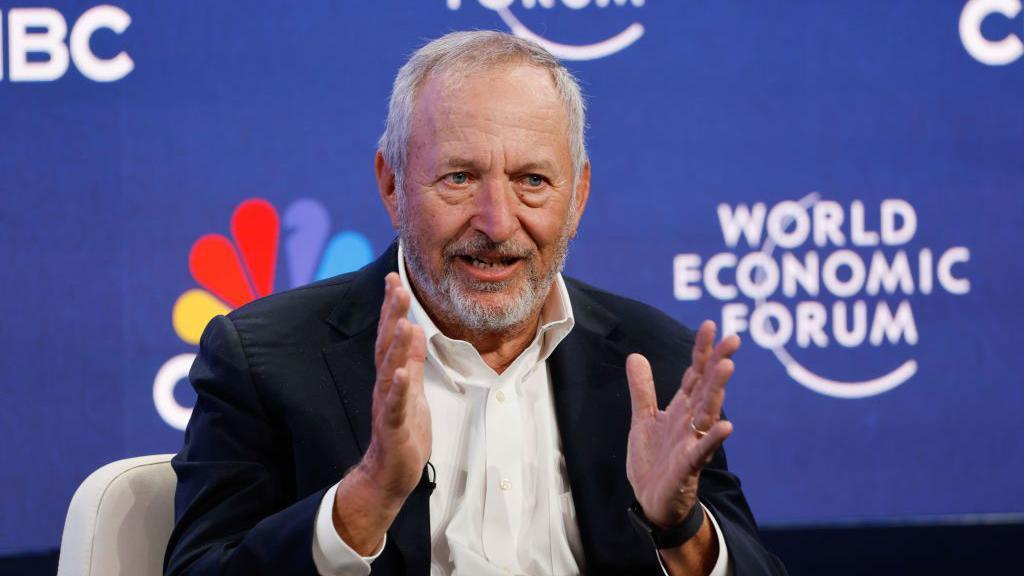
For Harvard, the situation represents another moment of reckoning regarding past ties to Epstein and related controversies. Universities function not only as centers of scholarship but also as moral communities that articulate shared values. Decisions concerning high-profile faculty members therefore resonate beyond campus boundaries, influencing perceptions of institutional integrity and governance.
Summers’ retirement does not erase his influence on economic policy or his role in shaping debates during critical moments in U.S. history. His contributions to fiscal stimulus strategies during the Great Financial Crisis remain part of the historical record, as does his leadership within both the Clinton and Obama administrations. At the same time, the controversy surrounding his association with Epstein will likely remain intertwined with assessments of his legacy.
The unfolding developments reflect a broader societal shift toward greater scrutiny of elite networks and personal relationships. As documents continue to surface and institutions conduct internal reviews, more individuals may face similar evaluations of past conduct. In this context, Summers’ decision to retire can be seen as both a personal response to mounting pressure and a reflection of institutional dynamics that prioritize credibility and public trust.
As he transitions into retirement from formal academic duties, Summers has indicated a desire to continue contributing to economic discourse. Whether and how his voice will be received in public forums remains to be seen. What is clear is that the Epstein scandal continues to reverberate across sectors, reshaping careers and prompting ongoing debates about ethics, responsibility, and the standards expected of those in positions of influence.
References:
Casino hobart
References:
https://paulsen-cardenas-5.blogbright.net/how-to-play-canasta-complete-guide-with-rules-strategy-and-tips
References:
Human growth hormones steroids
References:
http://43.143.142.38:7001/candraeudy906/4697616/wiki/Dianabol-Real-Before-%26-After-Results%2C-Timing-Secrets%2C-and-Critical-Safety-Protocols
References:
William hill casino login
References:
https://notes.io/ecAYC
References:
D ball steroid for sale
References:
https://music.1mm.hk/cruztompson864
References:
Cycling steroids
References:
https://www.godhip.com/josettesiddins
References:
Best gnc supplements to get ripped
References:
http://8.140.248.67:3000/ewanson8059052
References:
Decanoate steroid
References:
https://www.latflex.net/@taedwight70245?page=about
References:
Stackers pills high
References:
https://live.eposbd.net/@kristan96r1244?page=about
References:
Gnc supplements near me
References:
http://74.48.174.77:3000/dwaynepool8183
References:
Closest supplement to steroids 2016
References:
https://gitea.zczcfiles.com.cn/ivanhaswell52
References:
Is one cycle of steroids worth it
References:
https://git.chalypeng.xyz/latoyalamothe2
References:
Steroids in pills
References:
https://parnian.app/gerardorchard4
Wonderful posts. With thanks.
References:
https://www.pradaan.org/members/raywriter6/activity/838459/
References:
Instant Casino Einzahlungsmethoden
References:
https://etuitionking.net/forums/users/deletejune8/
References:
Instant Casino Bonus Code
References:
https://enouvelles.space/item/594134
References:
Anabolic steroid for sale
References:
https://md.chaosdorf.de/s/vaHoXPCp9E
References:
Russian steroids for sale
References:
https://arbeitswerk-premium.de/employer/i-tried-appetite-suppressants-for-30-days-heres-what-actually-happened/
References:
Penis enlargement hormone
References:
https://jobcopusa.com/employer/what-to-know-before-using-tren-steroids/