
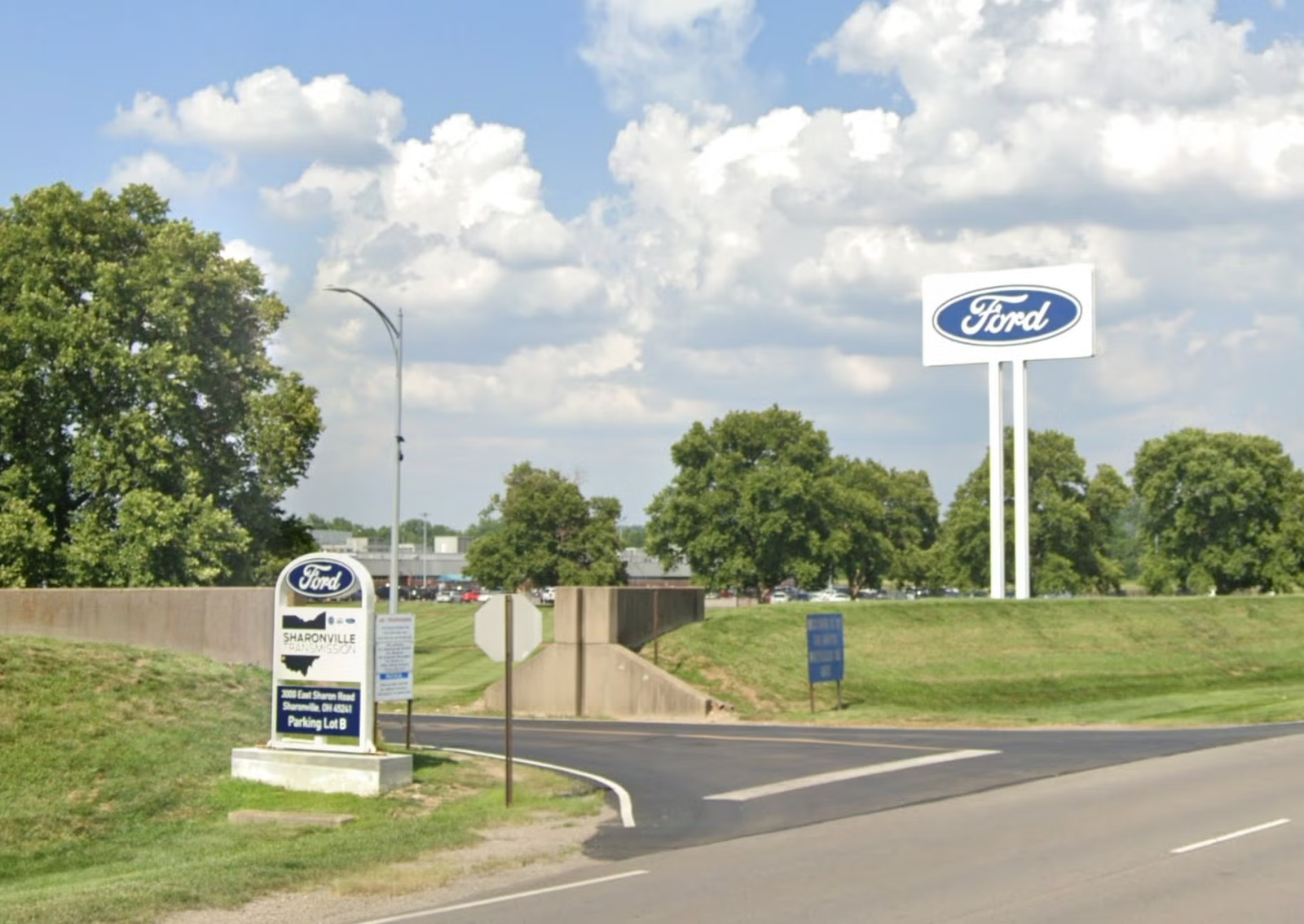
The sudden death of a longtime industrial worker during a routine maintenance task has once again drawn attention to the inherent dangers present in manufacturing environments. Gregory Knopf, a 64-year-old employee from Goshen, lost his life after a press machine at the Sharonville Transmission Plant unexpectedly activated while he was servicing it. The incident occurred on a Monday morning and has since prompted investigations by multiple authorities.
What began as a standard workday quickly turned into a fatal accident, leaving coworkers, family members, and the wider community grappling with the loss. The tragedy underscores the critical importance of strict safety protocols, especially in environments involving heavy machinery capable of causing irreversible harm within seconds.
Details of the Fatal Industrial Accident
The accident unfolded at approximately 9:45 a.m., when emergency responders were called to the Sharonville facility following reports of a worker trapped in machinery. According to initial accounts, the press machine involved was undergoing routine service when it unexpectedly powered on. In that moment, Gregory Knopf was pinned by the equipment, resulting in severe injuries.
Witnesses present at the scene reportedly observed the incident, and their accounts are now part of the ongoing investigation. Emergency personnel worked quickly to free Gregory Knopf from the machine, and life-saving measures were attempted immediately after his extraction. He was transported to a nearby hospital for further treatment, but despite the efforts of first responders and medical staff, he was pronounced dead shortly after arrival.
The nature of the accident has been classified as industrial, with no immediate indication of foul play. However, the unexpected activation of machinery during maintenance raises serious questions about operational safeguards and whether proper lockout or shutdown procedures were fully implemented. These protocols are designed to ensure that machines remain completely inactive while workers perform servicing tasks, and any failure in this system can lead to catastrophic outcomes.
Read : Discover Europe’s Top Ten Most Beautiful Countries: A Visual Odyssey
In industrial settings, press machines are among the most powerful and potentially dangerous pieces of equipment. They are designed to exert immense force to shape or assemble components, and any unintended activation can be fatal. Even experienced workers are vulnerable if safety mechanisms fail or if there is a lapse in procedural compliance. The fact that this incident occurred during routine service highlights the unpredictable risks workers face, even during tasks considered standard.
Investigation and Safety Concerns
Following the incident, multiple agencies began investigating the circumstances surrounding the accident. Authorities are working to determine exactly how the press machine was able to turn on while it was being serviced. This includes examining whether safety devices malfunctioned, whether procedures were properly followed, and whether there were any mechanical or human errors involved.
Industrial safety investigations typically involve a detailed review of maintenance logs, machine condition, employee training records, and witness testimonies. In this case, investigators are likely focusing on whether lockout-tagout procedures were properly applied. These procedures are essential in preventing accidental machine startup by isolating energy sources before maintenance begins. If these steps are bypassed or improperly executed, the consequences can be devastating.
Read : Firefighters Rescue Young Hereford Cross Cow Trapped Up to Its Shoulders in Mud
Another key aspect of the investigation will be the condition of the machine itself. Mechanical failures, electrical issues, or software malfunctions could have contributed to the unexpected activation. Determining whether the equipment had any prior issues or warnings will be crucial in understanding whether the accident could have been prevented.

Workplace safety regulations in industrial environments are stringent, but enforcement and compliance can vary. Even with established guidelines, incidents continue to occur, often due to a combination of human error and equipment failure. This tragedy serves as a reminder that safety is not a one-time checklist but an ongoing commitment that requires vigilance at every level, from management to frontline workers.
Employers are expected to provide not only safe equipment but also adequate training and supervision. Workers, in turn, must adhere strictly to safety protocols, even during routine tasks. The challenge lies in maintaining this discipline consistently, particularly in environments where familiarity with tasks can sometimes lead to complacency.
The outcome of the investigation will likely determine whether any changes or corrective actions are necessary at the facility. It may also influence broader industry practices, especially if systemic issues are identified. Industrial accidents often lead to renewed scrutiny and, in some cases, the introduction of stricter safety measures to prevent similar incidents in the future.
Impact on the Workplace and Community
The death of Gregory Knopf has had a profound impact on those who knew him, particularly his coworkers who witnessed or responded to the incident. Industrial workplaces often foster close-knit relationships, and the sudden loss of a colleague can be deeply unsettling. Employers typically provide counseling and support services in such situations, recognizing the emotional toll such events can have on employees.
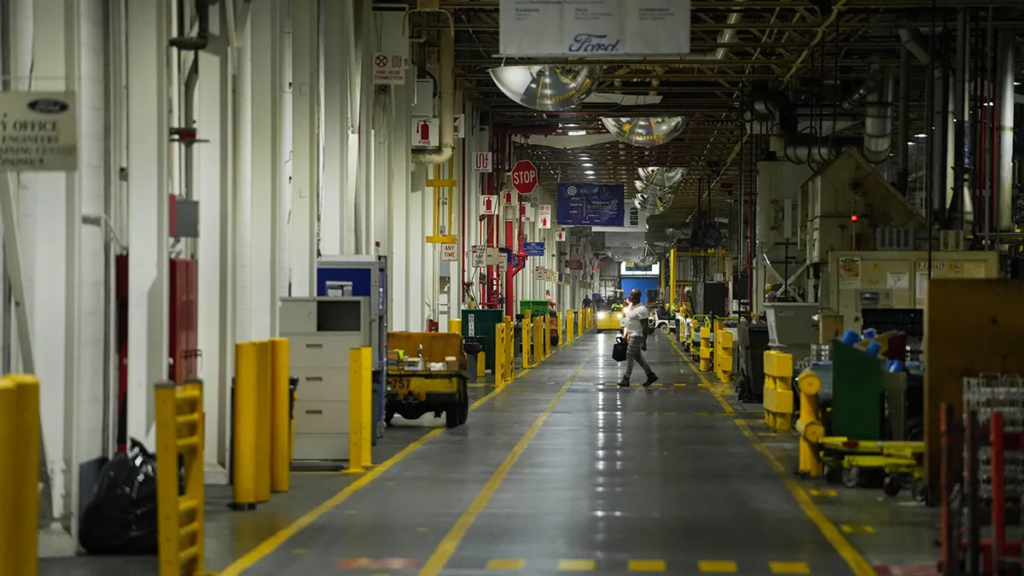
For Gregory Knopf’s family, the loss is immeasurable. At 64, he was likely nearing retirement, making the tragedy even more poignant. His death not only represents the loss of a life but also the loss of years of experience, knowledge, and personal connections built over a lifetime. The company has expressed condolences and indicated that it is working to support the family during this difficult time. Beyond the immediate circle of family and coworkers, the incident resonates with the broader community.
Industrial accidents, especially fatal ones, often raise public concern about workplace safety standards. They prompt questions about how such incidents can occur and what measures are in place to protect workers. This tragedy also highlights the broader issue of occupational hazards faced by workers in manufacturing and industrial sectors. Despite advancements in technology and safety protocols, the risk of serious injury or death remains present. Each incident serves as a reminder of the human cost associated with industrial work and the importance of continuous improvement in safety practices.
Communities that rely on industrial facilities for employment often face a complex balance between economic opportunity and workplace risk. While such facilities provide jobs and support local economies, they also carry inherent dangers that must be carefully managed. Ensuring worker safety is not only a regulatory requirement but also a moral responsibility. In the aftermath of the incident, there will likely be increased attention on safety procedures at the facility and possibly across similar operations.
Workers may become more cautious, management may reinforce protocols, and regulators may conduct additional inspections. While these responses cannot undo the loss, they may help prevent future tragedies. The story of Gregory Knopf serves as a stark reminder of the importance of workplace safety and the devastating consequences when systems fail. It underscores the need for constant vigilance, thorough training, and unwavering commitment to safety at every level of industrial operations.