
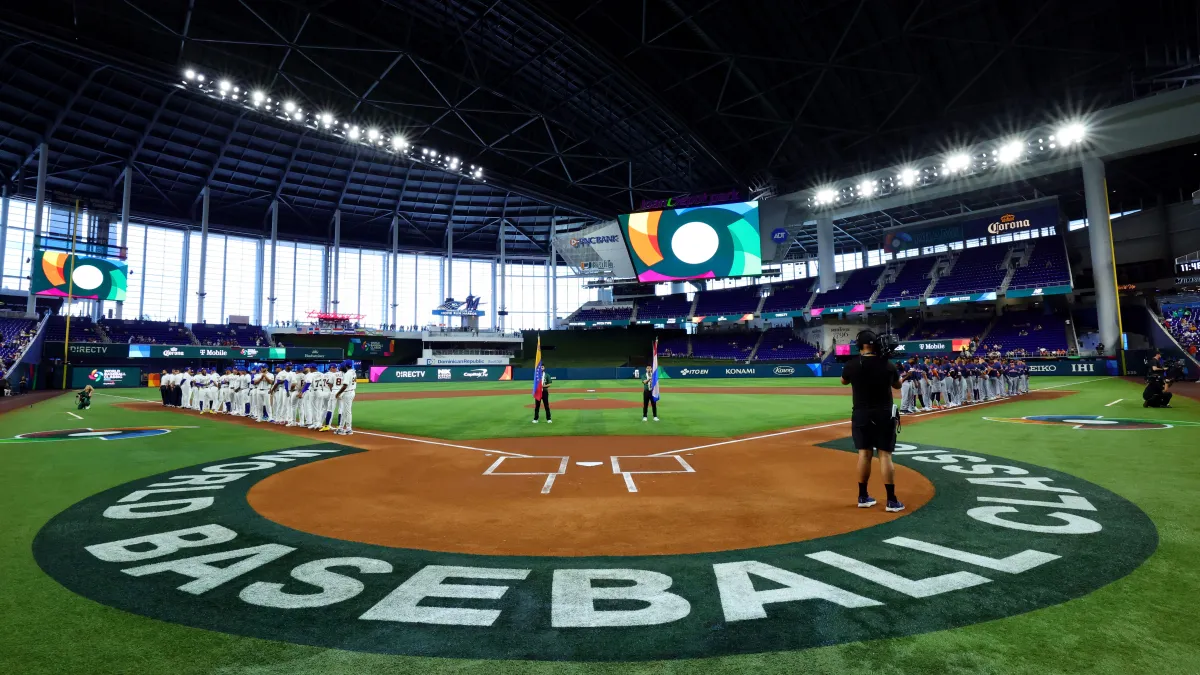
Major international sporting events often draw large crowds and passionate fans eager to witness historic matchups in person. The excitement surrounding these events, however, can also attract individuals attempting to exploit the demand for tickets. Authorities in Miami say one such case unfolded outside loanDepot Park when a man allegedly sold fraudulent tickets to spectators hoping to attend a World Baseball Classic game. The incident resulted in the arrest of a 42-year-old suspect, Hector Giral Hernandez, who now faces serious fraud charges after multiple fans were reportedly turned away from the stadium when their tickets were found to be invalid.
According to law enforcement officials, the case began when security personnel at loanDepot Park noticed irregularities at several entrances during a highly anticipated game between Venezuela and Japan in the World Baseball Classic. Fans arriving at the stadium were being denied entry after presenting wristbands that were supposed to function as admission tickets. Investigators later determined that several of those wristbands were fake, prompting authorities to launch an immediate inquiry into who might have been responsible for distributing them.
The alleged scheme quickly came into focus when a victim who had purchased one of the wristbands reported the issue to authorities and identified the man who had sold it to them. Detectives working the event in plain clothes moved swiftly, leading to the detention and eventual arrest of Hector Giral Hernandez. The case highlights how large sporting events can become targets for fraudulent activity and underscores the importance of vigilance by both event organizers and fans when purchasing tickets.
Security Concerns Emerge at loanDepot Park During World Baseball Classic
The situation began unfolding during a busy game day at loanDepot Park in Miami, a venue known for hosting major baseball events and international competitions. Detectives from the Miami-Dade Sheriff’s Office were working at the stadium as part of routine security measures when they were approached by the facility’s director of security regarding suspicious activity at several entrances. According to investigators, multiple spectators had attempted to enter the stadium but were denied access after security staff discovered that the wristbands they presented were not legitimate tickets.
The discovery of these fraudulent wristbands raised immediate concerns among stadium officials, especially because the World Baseball Classic is one of the sport’s most widely followed international tournaments. Games featuring teams such as Venezuela and Japan often attract thousands of fans, including many who travel long distances to attend. With such high demand for seats, authorities say it is not uncommon for scammers to attempt to exploit eager fans by offering tickets outside stadiums.
Witness accounts indicated that several individuals had purchased their wristbands from a man walking around outside the stadium shortly before the game began. The man allegedly approached fans who were either looking for last-minute tickets or hoping to find cheaper alternatives to official sales. According to the arrest report, the suspect offered wristbands that he claimed would allow entry to the game, convincing buyers that they were legitimate passes.
The situation escalated when security personnel noticed that multiple spectators attempting to enter the stadium were presenting similar wristbands. Once staff realized that the bands were counterfeit, those individuals were denied entry. For many fans, the moment was frustrating and disappointing, as they had already paid money and believed they had valid tickets to one of the tournament’s most anticipated games.
Read : Lupin Recalls 51,000 Bottles of Generic Antibiotics in the U.S. Due to Temporary Health Issues
Authorities quickly recognized that the pattern of fraudulent wristbands suggested an organized effort rather than isolated mistakes. The presence of undercover detectives at the stadium proved crucial, as they were able to immediately begin gathering information from victims and witnesses. This rapid response ultimately led investigators to the man suspected of selling the fake tickets.
Victim Identifies Suspect Leading to Arrest
The breakthrough in the case occurred when one of the victims who had been turned away at the gate spoke directly with law enforcement officers at the stadium. According to the arrest report, the individual explained that they had purchased a wristband ticket from a man outside the stadium who claimed it would grant entry to the Venezuela versus Japan matchup. When the victim attempted to enter the venue, however, security personnel informed them that the wristband was not valid.
Read : Kelvin Sferrazza Arrested for Stealing Rolls of Lottery Tickets from Greenville Gas Station
While speaking with authorities, the victim reportedly spotted the same man nearby and pointed him out to detectives. The identification provided officers with probable cause to detain the suspect for questioning. Investigators approached the man, later identified as Hector Giral Hernandez, and began asking him about the allegations.
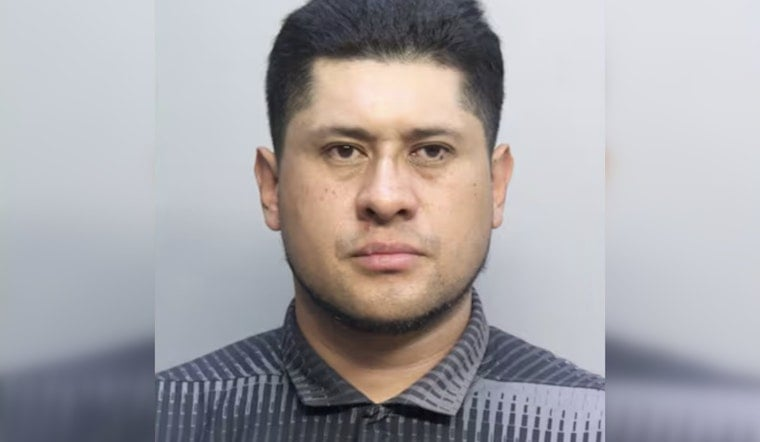
During the interaction, Hernandez reportedly told detectives in Spanish that he was from New York and had come to Miami to watch the game. He also claimed that a friend had told him that someone else was selling tickets in the area for between $60 and $70. According to the report, Hernandez stated that he did not know what had happened regarding the fraudulent wristbands.
Despite his explanation, investigators said the circumstances surrounding the incident suggested a coordinated effort to defraud fans attempting to attend the game. Authorities determined that Hernandez had allegedly been selling wristbands that he represented as legitimate admission tickets even though they were not authorized by the stadium or event organizers. The investigation indicated that multiple people had purchased similar wristbands from the same individual before being denied entry.
Based on the evidence gathered at the scene, detectives concluded that Hernandez was involved in what they described as an organized scheme to defraud both spectators and the Miami Marlins organization, which operates the stadium. He was taken into custody and transported to the Turner Guilford Knight Correctional Center in Miami-Dade County.
Charges and Broader Concerns About Ticket Fraud
Following his arrest, Hernandez was formally charged with organized scheme to defraud, according to Miami-Dade jail records. The charge is a serious offense that can apply when authorities believe an individual intentionally carried out a plan designed to deceive others for financial gain. In cases involving counterfeit tickets, prosecutors typically argue that suspects knowingly sold items that they knew were invalid in order to collect money from unsuspecting buyers.
While the investigation into the incident focused on the events outside loanDepot Park, the case also reflects a broader issue that frequently arises around major sporting events. Ticket scams have been reported at stadiums across the United States, particularly during high-profile games where demand far exceeds supply. Fraudsters often target fans searching for last-minute tickets near the venue, taking advantage of the urgency and excitement surrounding the event.

In many cases, counterfeit tickets or wristbands may appear convincing at first glance, especially to fans who are unfamiliar with the venue’s official ticketing systems. Once victims attempt to enter the stadium, however, the fraudulent passes are quickly detected by security staff or electronic scanners. By that point, the person who sold the ticket may already have disappeared from the area.
Authorities regularly advise fans to purchase tickets only through official vendors or authorized resale platforms to avoid becoming victims of scams. Transactions conducted outside stadiums or through unofficial sellers carry a higher risk of fraud because there is often little accountability if the ticket turns out to be fake. In situations like the one reported in Miami, victims can lose both their money and the opportunity to attend the event.
For fans who traveled to loanDepot Park hoping to witness the World Baseball Classic matchup, the alleged scheme created an unfortunate disruption. The tournament itself is designed to celebrate international baseball competition, bringing together some of the sport’s top players and passionate supporters from around the world. Incidents involving ticket fraud can overshadow that excitement and create negative experiences for those who simply want to enjoy the game.
As the case moves forward through the legal system, investigators may continue examining whether additional victims were affected by the alleged scheme. Authorities often encourage anyone who believes they purchased fraudulent tickets to contact law enforcement so that investigators can determine the full scope of the incident.
The arrest of Hector Giral Hernandez serves as a reminder that while major sporting events create unforgettable experiences for fans, they can also attract individuals attempting to exploit the enthusiasm surrounding them. Law enforcement officials and stadium security teams remain vigilant during such events, working to ensure that spectators can attend safely and that those who attempt to profit through deception are held accountable.