
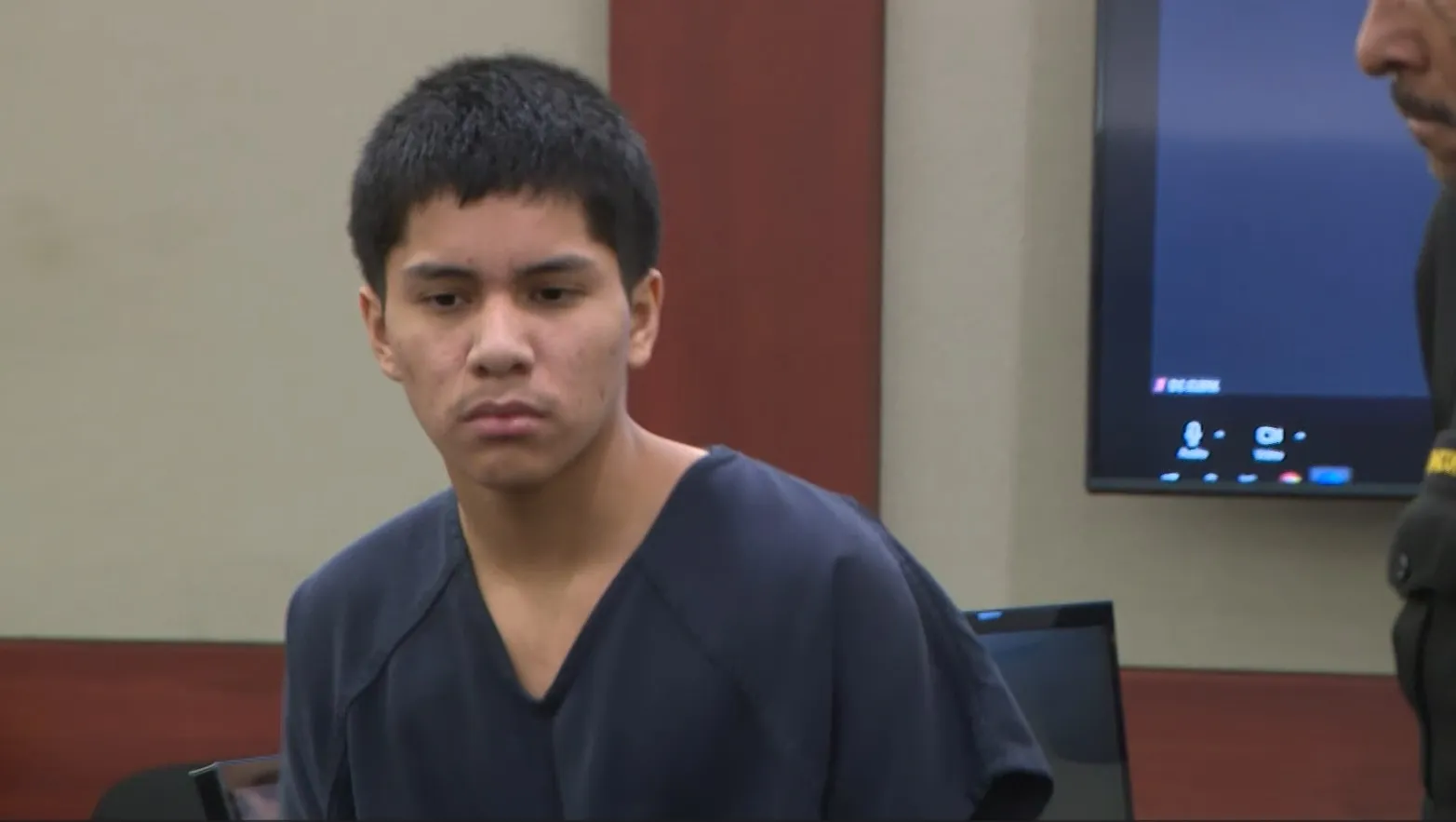
The sentencing of a teenage driver in Las Vegas has drawn attention to the devastating consequences of impaired driving, particularly when it involves young lives on both sides of the tragedy. A 17-year-old, Henrry Norberto, has been sentenced to a prison term ranging from three to 20 years after causing a fatal crash that killed 10-year-old Brandon Martinez.
The case has sparked emotional reactions from the victim’s family, raised questions about accountability within the justice system, and highlighted the ongoing dangers of driving under the influence of alcohol and drugs. What makes this incident particularly painful is not only the loss of a child but also the fact that the driver responsible was himself a minor at the time, bringing into focus the complex intersection of youth, responsibility, and irreversible consequences.
A Fatal Decision on the Wrong Side of the Road
The events leading to the crash reveal a chain of reckless decisions that ended in irreversible loss. On June 28, 2025, Henrry Norberto, then just 16 years old, drove a Ford F-250 pickup truck while under the influence of both marijuana and alcohol. Authorities later confirmed that he was traveling in the wrong direction, heading southbound in lanes designated for northbound traffic near the Interstate 15 corridor and the Las Vegas Speedway. This dangerous and illegal maneuver resulted in a violent collision with another pickup truck traveling in the correct direction.
Inside that vehicle was 10-year-old Brandon Martinez, seated in the passenger seat, with his father behind the wheel. The impact of the crash proved fatal for Brandon, turning an ordinary day into a lifelong nightmare for his family. The suddenness of the incident underscores the unpredictable and often catastrophic nature of impaired driving, where a single lapse in judgment can destroy multiple lives in seconds.
Investigators determined that Norberto’s impairment significantly contributed to his inability to make safe driving decisions. Driving under the influence already impairs reaction time, coordination, and judgment, but combining substances only increases the level of risk. Adding the factor of driving on the wrong side of a highway creates an almost unavoidable path toward disaster. The crash was not merely an accident but the result of a sequence of preventable actions that culminated in tragedy.
Read : Barcelona’s Disfrutar Has Officially Been Crowned the 2024 Best Restaurant in the World
The legal process that followed saw Norberto plead guilty on February 3 to driving under the influence resulting in death or substantial bodily harm. This plea acknowledged responsibility, but for the victim’s family, it did little to ease the pain of losing a child. The case serves as a stark reminder that road safety laws exist for a reason, and violating them can have consequences far beyond legal penalties.
Courtroom Emotions and a Controversial Sentence
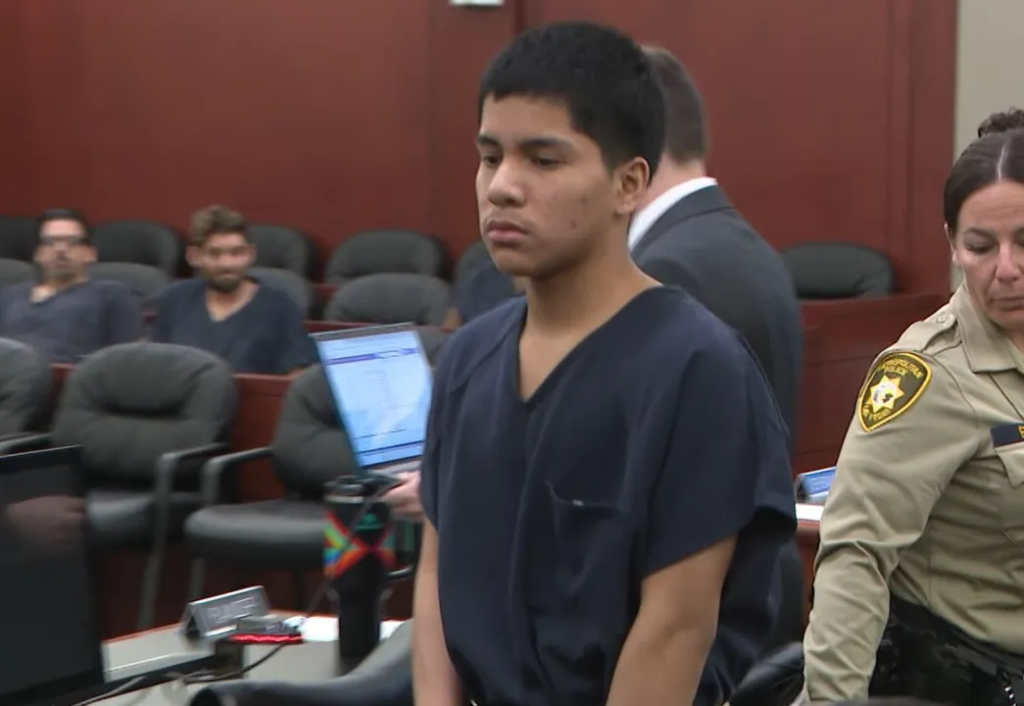
When the case reached sentencing, the courtroom became a space of grief, anger, and conflicting views on justice. The prosecution and defense had agreed upon a sentence ranging from three to 15 years in prison. However, the presiding judge chose to extend the maximum potential sentence, ultimately imposing a term of three to 20 years. While this decision exceeded the initial agreement, it still fell short of what the victim’s family had hoped for.
Brandon Martinez’s parents expressed deep dissatisfaction with the outcome, believing that the punishment did not adequately reflect the severity of their loss. They had sought a minimum of 10 years, arguing that anything less would fail to deliver meaningful justice. For them, the sentence represented not closure but another layer of pain, reinforcing their belief that the system had not fully recognized the value of their son’s life.
Read : Ambulance Driver Faces DUI Charges After Crash Kills Infant, Leaves Mother in Critical Condition
In court, emotions ran high as Brandon’s mother held a framed photograph of her son, a silent but powerful reminder of the life that had been taken. His father’s visible grief added to the weight of the moment, illustrating the enduring impact of the tragedy. The defendant, meanwhile, offered an apology, acknowledging that his words could not undo the harm caused. While expressions of remorse are often part of such proceedings, they rarely bring comfort to families who must live with permanent loss.

The judge’s statement during sentencing captured the difficult balance between acknowledging the youth of the offender and the gravity of the crime. The remark that sending a child to prison is bad, but sending a child to the cemetery is worse, reflected the tragic duality of the case. Both the victim and the offender were young, but only one lost his life.
Another aspect that intensified the controversy was the possibility of early release. Norberto was credited with 262 days already served in detention, meaning he could potentially be released in as little as two years. For the Martinez family, this prospect was particularly painful, as it suggested that the person responsible for their son’s death might regain freedom far sooner than they could find any sense of peace.
The sentencing has also prompted broader discussions about the role of judges and prosecutors, with the victim’s family urging the public to pay closer attention to those elected to such positions. Their frustration highlights a recurring tension in the justice system, where legal outcomes do not always align with public expectations or the emotional realities of those directly affected.
The Broader Impact of DUI Tragedies on Families and Society
Beyond the specifics of this case, the incident reflects a much larger issue that continues to affect communities worldwide: driving under the influence. Despite widespread awareness campaigns and strict legal penalties, impaired driving remains a leading cause of fatal accidents. Each case carries its own story, but the underlying pattern is often the same—a preventable decision leading to irreversible consequences.
Read : Jessica T. Hughes Charged in Crash That Killed 20-Year-Old Rylee Hanson
For families like the Martinez family, the impact extends far beyond the initial loss. The absence of a child reshapes every aspect of daily life, from family dynamics to emotional well-being. Brandon’s younger sibling must now grow up without a brother, while his parents face the ongoing challenge of coping with grief that does not fade with time. The emotional toll is compounded by the need to revisit the events repeatedly through legal proceedings and public attention.
At a societal level, cases like this highlight the importance of early education and intervention, particularly for young drivers. Teenagers are already at higher risk due to inexperience, and the addition of substances significantly increases the likelihood of dangerous behavior. Preventing such incidents requires not only enforcement of laws but also efforts to instill a sense of responsibility and awareness before individuals even get behind the wheel.
The role of community awareness cannot be overlooked. Public discussions, media coverage, and educational programs all contribute to shaping attitudes toward impaired driving. However, the persistence of such incidents suggests that more needs to be done to translate awareness into action. This includes stronger support systems, better access to safe transportation alternatives, and continued emphasis on the real-life consequences of reckless behavior.
Legal consequences, while necessary, often come too late to prevent the damage already done. Prison sentences, fines, and restitution payments cannot restore lost lives or fully compensate grieving families. In this case, Norberto has been ordered to pay approximately $16,000 in restitution, a figure that underscores the limitations of financial compensation in the face of profound emotional loss.
The case also raises difficult questions about how society handles juvenile offenders in serious crimes. Balancing accountability with the recognition of a young person’s capacity for change is a complex issue. While some argue for harsher penalties to serve as a deterrent, others emphasize rehabilitation and the potential for reform. This tension is particularly evident in cases involving fatal outcomes, where the need for justice is intensified by the permanence of the harm caused.
Ultimately, the tragedy involving Brandon Martinez serves as a powerful reminder of the stakes involved in every decision made on the road. It illustrates how a single moment of impaired judgment can lead to consequences that ripple outward, affecting families, communities, and even the broader conversation about justice and responsibility.