

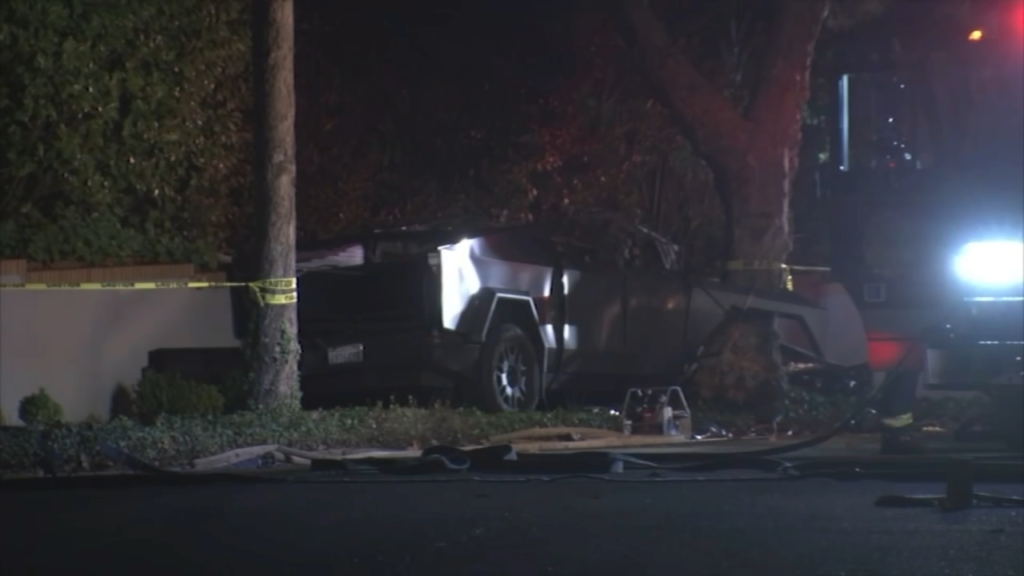
The devastating crash in Piedmont during Thanksgiving break in 2024 left a lasting scar on a community and raised urgent questions about vehicle safety in the age of advanced automotive design. Four young college students, recently graduated from high school and home for the holidays, were involved in a catastrophic accident when the Tesla Cybertruck they were traveling in slammed into a tree and burst into flames.
Three of them lost their lives, while the fourth, Jordan Miller, survived with severe injuries that continue to affect his life more than a year later. Now, Miller has filed a lawsuit against Tesla, alleging that the vehicle’s design contributed significantly to the tragic outcome. The case has become a focal point in an ongoing debate about the balance between innovation, aesthetics, and safety in modern electric vehicles. The legal action brought forward by Miller is not an isolated response to the crash.
It follows earlier lawsuits filed by the families of the deceased victims, indicating a broader concern about the vehicle’s safety features and how they function during emergencies. At the heart of the lawsuit is a claim that the Cybertruck’s electronic door system and lack of traditional exterior handles prevented both occupants and rescuers from escaping or accessing the vehicle in time. As details continue to emerge, the case is drawing attention not only for its emotional weight but also for its potential implications on vehicle design standards and manufacturer responsibility.
The Night of the Crash and Its Immediate Aftermath
The crash occurred during what should have been a joyful holiday reunion. The four students were traveling together when the vehicle lost control, ultimately colliding with a tree. According to investigators, factors such as speed, alcohol, and possibly drugs played a role in the incident. However, while these elements contributed to the crash itself, the lawsuit argues that they do not fully explain the fatal outcome that followed.
Once the vehicle struck the tree, it quickly caught fire, creating a rapidly escalating emergency. A friend who had been driving behind them witnessed the crash and rushed to the scene in an attempt to help. Despite acting quickly and desperately trying to open the doors, the rescuer was unable to gain access to the vehicle. The absence of traditional door handles and reliance on an electronic system allegedly made it impossible to open the doors from the outside during the critical moments following the crash.
In a final effort, the rescuer broke a window and managed to pull Jordan Miller out of the burning vehicle. Unfortunately, the flames and structural barriers prevented access to the other occupants, who remained trapped inside. The inability to reach them in time resulted in the loss of three young lives, a tragedy that has since resonated deeply within the community.
Read : Michael Jackson’s Children Blocked from Late Singer’s Trust Over ‘$700m Tax Bill’
Emergency responders later arrived, but by then, the situation had already turned fatal for most of those inside the vehicle. The incident has since been revisited multiple times through investigations, memorials, and public discussions, particularly as the anniversary of the crash prompted renewed attention to the circumstances surrounding it.
Allegations Against Vehicle Design and Safety Features
Central to Jordan Miller’s lawsuit is the argument that the Cybertruck’s design created a dangerous environment during an emergency. The legal claim focuses specifically on the electronic door system and the lack of accessible manual overrides or external handles that could be used in the event of a power failure or system malfunction. According to the lawsuit, these design choices turned the vehicle into what has been described as a “trap” once the crash occurred.
Miller’s attorney has emphasized that while modern vehicles increasingly rely on electronic systems for convenience and aesthetics, they must still provide reliable and intuitive ways for occupants and rescuers to exit or enter the vehicle during emergencies. The lawsuit alleges that Tesla was aware, or should have been aware, of the risks associated with such a design and failed to implement adequate safeguards.
Read : 67-Year-Old Karen Cooke Lewis Arrested for Vandalizing Tesla Cybertruck with Board of Nails
The claim further argues that relatively simple design changes could have made a significant difference. These could include the addition of manual door release mechanisms that are easily accessible, or external handles that function independently of the vehicle’s electronic systems. According to the legal argument, such modifications would not have compromised the vehicle’s visual appeal or performance but could have dramatically improved safety outcomes.

Another aspect of the lawsuit involves the concept of “conscious disregard for safety.” This legal standard suggests that a manufacturer knowingly ignored potential risks associated with a product. If proven, it could have serious implications not only for this case but also for how automotive companies approach the integration of new technologies into their vehicles.
The case also raises broader questions about how safety is evaluated in vehicles that feature unconventional designs. Traditional safety testing often focuses on crashworthiness and the effectiveness of restraint systems, but incidents like this highlight the importance of post-crash accessibility and survivability. As vehicles become more technologically advanced, ensuring that they remain functional and safe in extreme conditions becomes increasingly complex.
Lasting Impact on Victims and Broader Legal Implications
For Jordan Miller, survival came at a tremendous cost. The injuries sustained in the crash were severe, including extensive burns, spinal damage, and other physical trauma that required multiple surgeries and ongoing medical treatment. Recovery has been a long and painful process, both physically and emotionally. The lawsuit describes not only the immediate injuries but also the long-term consequences that Miller is expected to face for the rest of his life.
Burn injuries, in particular, often involve prolonged treatment, including skin grafts and rehabilitation, as well as a high risk of complications. In addition to the physical pain, survivors frequently experience psychological trauma, including anxiety, depression, and post-traumatic stress. The combination of these factors underscores the profound impact the crash has had on Miller’s life.
Read : Two Tesla Cybertrucks Catch Fire in Santa Monica Parking Garage
The legal action seeks to hold Tesla accountable for these damages while also aiming to drive changes that could prevent similar tragedies in the future. Miller’s attorney has stated that the case is not only about compensation but also about encouraging safer design practices across the automotive industry. The argument is that manufacturers have a responsibility to anticipate how their vehicles will perform in worst-case scenarios and to design them in a way that prioritizes human safety above all else.
There is also the possibility that Miller’s lawsuit could be consolidated with other cases filed by the families of the deceased victims. Such a move could strengthen the overall legal challenge by presenting a unified argument about the alleged design flaws and their consequences. It would also streamline the legal process, potentially leading to a more comprehensive examination of the issues involved.
Beyond the courtroom, the case has sparked wider discussions about the role of regulation and oversight in the rapidly evolving electric vehicle market. As companies push the boundaries of design and technology, regulators may need to revisit existing safety standards to ensure they adequately address new risks. This could include updated requirements for emergency access, clearer guidelines for electronic systems, and more rigorous testing of unconventional vehicle features.
The Piedmont crash serves as a stark reminder that innovation must be accompanied by careful consideration of safety. While advancements in automotive technology have brought numerous benefits, they also introduce new challenges that must be addressed proactively. The outcome of this lawsuit could play a significant role in shaping how these challenges are approached in the years to come.
As the case moves forward, it will likely continue to draw attention from both the public and industry stakeholders. For the families affected, it represents a pursuit of accountability and a way to honor the lives that were lost. For the automotive sector, it may serve as a catalyst for change, prompting a reevaluation of how vehicles are designed and how safety is prioritized in an era of rapid technological advancement.
Boostaro is a purpose-built wellness formula created for men who want to strengthen vitality, confidence, and everyday performance.
ProDentim is a distinctive oral-care formula that pairs targeted probiotics with plant-based ingredients to encourage strong teeth, comfortable gums, and reliably fresh breath.
HeroUP is a premium mens wellness formula designed to support sustained energy, physical stamina, and everyday confidence.
Mitolyn is a carefully developed, plant-based formula created to help support metabolic efficiency and encourage healthy, lasting weight management.
PurDentix is a revolutionary oral health supplement designed to support strong teeth and healthy gums. It tackles a wide range of dental concerns
AquaSculpt is a high-quality metabolic support supplement created to help the body utilize fat more efficiently while maintaining steady, reliable energy levels throughout the day.
Maintaining prostate health is crucial for men’s overall wellness, especially as they grow older. Conditions like reduced urine flow, interrupted sleep
Gluco6 is a natural, plant-based supplement designed to help maintain healthy blood sugar levels.
InsuLeaf is a high-quality, naturally formulated supplement created to help maintain balanced blood glucose, support metabolic health, and boost overall vitality.
Arialief is a carefully developed dietary supplement designed to naturally support individuals dealing with sciatic nerve discomfort while promoting overall nerve wellness.
Manergy is an advanced male vitality supplement created to help support healthy testosterone levels
The bodys natural process of skin cell renewal is essential for preserving a smooth, healthy, and youthful-looking complexion.
NerveGenics is a naturally formulated nerve-health supplement created to promote nerve comfort, cellular energy support, antioxidant defense
ProstAfense is a premium, doctor-crafted supplement formulated to maintain optimal prostate function, enhance urinary performance, and support overall male wellness.
Nitric Boost Ultra is a daily wellness formula designed to enhance vitality and help support all-around performance.
Prosta Peak is a high-quality prostate wellness supplement formulated with a comprehensive blend of 20+ natural ingredients and essential nutrients to support prostate health
NerveCalm is a high-quality nutritional supplement crafted to promote nerve wellness, ease chronic discomfort, and boost everyday vitality.
Kerassentials is an entirely natural blend crafted with 4 potent core oils and enriched by 9 complementary oils and vital minerals.
GL Pro is a natural dietary supplement formulated to help maintain steady, healthy blood sugar levels while easing persistent sugar cravings.
NativeGut is a precision-crafted nutritional blend designed to nurture your dog’s digestive tract.
MounjaBoost is a next-generation, plant-based supplement created to support metabolic activity, encourage natural fat utilization
Prostadine concerns can disrupt everyday rhythm with steady discomfort, fueling frustration and a constant hunt for dependable relief.
This gave me a whole new perspective on something I thought I already understood. Great explanation and flow!
Prosta Peak is a high-quality prostate wellness supplement formulated with a comprehensive blend of 20+ natural ingredients and essential nutrients to support prostate health
Backbiome is a naturally crafted, research-backed daily supplement formulated to gently relieve back tension and soothe sciatic discomfort.
GL Pro is a natural dietary supplement formulated to help maintain steady, healthy blood sugar levels while easing persistent sugar cravings.
NativeGut is a precision-crafted nutritional blend designed to nurture your dog’s digestive tract.
AquaSculpt is a high-quality metabolic support supplement created to help the body utilize fat more efficiently while maintaining steady, reliable energy levels throughout the day.
I always look forward to your posts. Keep it coming!
The bodys natural process of skin cell renewal is essential for preserving a smooth, healthy, and youthful-looking complexion.
Visium Pro is an advanced vision support formula created to help maintain eye health, sharpen visual performance, and provide daily support against modern challenges such as screen exposure and visual fatigue.
ViriFlow is a dietary supplement formulated to help maintain prostate, bladder, and male reproductive health. Its blend of plant-based ingredients is designed to support urinary comfort and overall wellness as men age.
Nitric Boost Ultra is a daily wellness formula designed to enhance vitality and help support all-around performance.
Thanks for making this so reader-friendly.
Backbiome is a naturally crafted, research-backed daily supplement formulated to gently relieve back tension and soothe sciatic discomfort.
Your breakdown of the topic is so well thought out.