
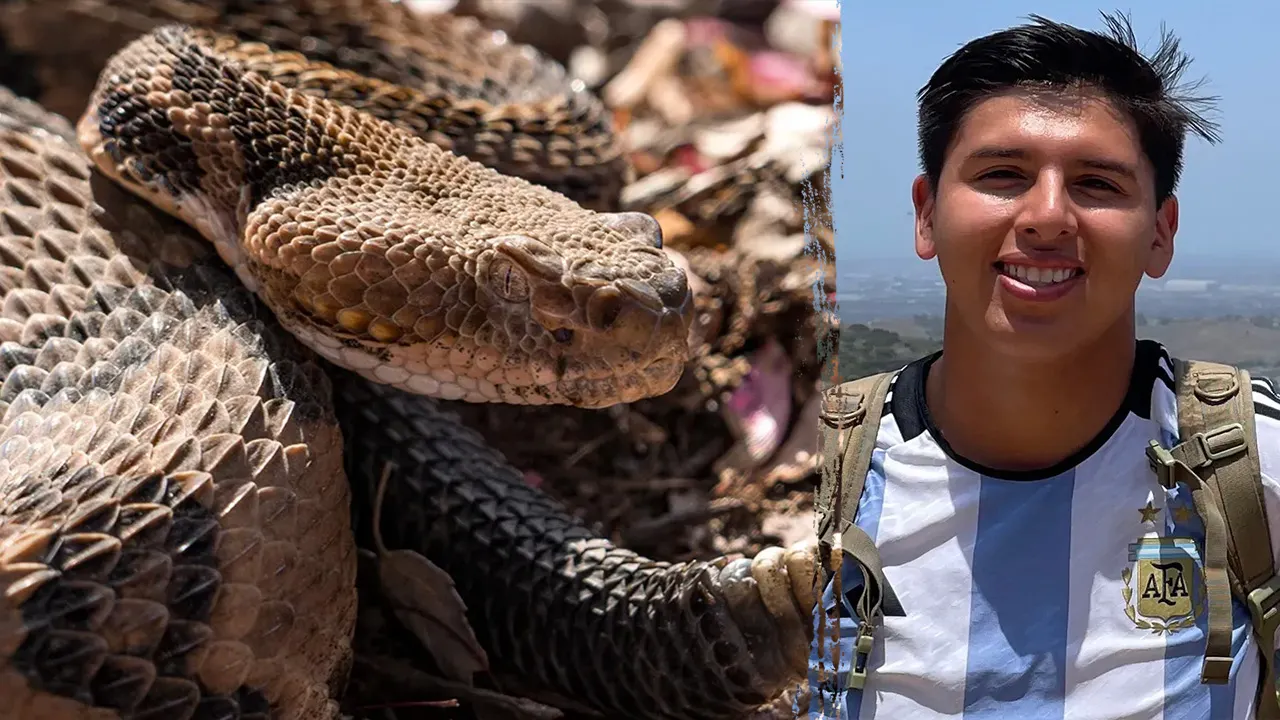
Outdoor recreation is often associated with physical challenge, scenic landscapes, and moments of escape from everyday life. Across the United States, hiking and mountain biking trails attract millions of people each year who seek adventure in natural environments. Yet these landscapes are also home to wildlife that can pose serious risks when humans and animals unexpectedly cross paths. Encounters with venomous snakes are rare, and fatalities from such incidents are even rarer, but they remain a stark reminder that nature carries inherent dangers. A recent tragedy in Southern California illustrates how quickly an ordinary outdoor activity can turn into a life-threatening emergency.
Julian Hernandez, a 25-year-old man from Costa Mesa, California, died after suffering a rattlesnake bite while mountain biking on a trail in Irvine. The incident occurred more than a month before his death, setting off weeks of medical treatment and uncertainty for his family as doctors worked to save his life. Hernandez was initially transported to a hospital after the bite and remained under intensive medical care while complications developed. Despite medical intervention and prolonged treatment, he died on March 4 from injuries connected to the snakebite.
His death drew attention not only because of the tragic loss of a young life but also because fatalities from rattlesnake bites in the United States are extremely uncommon. Health authorities estimate that thousands of venomous snake bites occur each year nationwide, but only a very small number of those cases result in death. Hernandez’s case underscores both the seriousness of venomous snake bites and the importance of rapid medical response when such incidents occur.
A Mountain Bike Ride Turns into a Medical Emergency
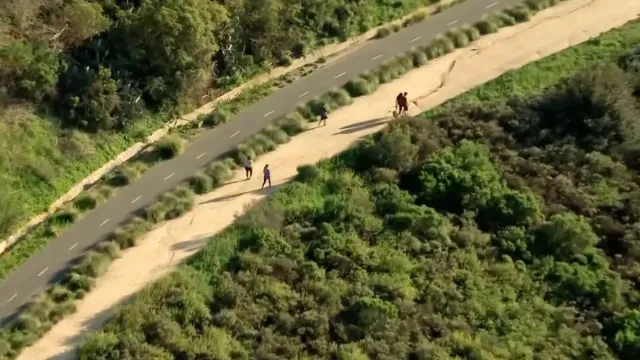
The incident that ultimately led to Julian Hernandez’s death took place on the morning of February 1 at the Quail Hill Trailhead in Irvine, an area known for its scenic trails and popularity among hikers, runners, and mountain bikers. Located near a community recreation area, the trail system is frequented by outdoor enthusiasts who come to enjoy Southern California’s mild climate and open landscapes. On that morning, Hernandez was riding his mountain bike along the trail when he encountered a rattlesnake and was bitten.
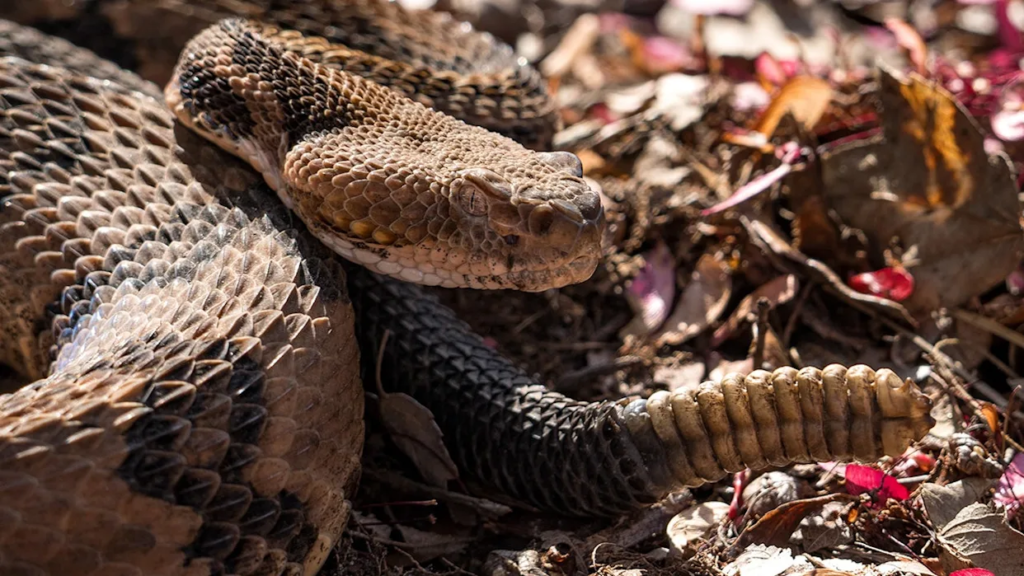
Details about the exact circumstances of the encounter remain limited, but encounters between cyclists or hikers and rattlesnakes are not unheard of in regions where the reptiles are native. Rattlesnakes typically inhabit rocky hillsides, dry grasslands, and brush-covered trails, and they often rely on camouflage to blend into their surroundings. In many cases, the snakes remain still and avoid confrontation, but they may strike if they feel threatened or if someone comes too close without noticing them.
After being bitten, Hernandez was quickly transported to a hospital for treatment. Medical professionals began emergency care to address the effects of the venom, which can cause extensive damage within the body. Soon after his arrival, Hernandez fell into a coma, signaling that the venom had already begun to produce severe complications. He was placed in intensive care, where he remained for weeks as doctors attempted to stabilize his condition and treat the effects of the bite.
Read : Exploring Day Lengths on Different Planets
The prolonged hospitalization placed his family in a difficult and emotional position. They waited for updates from medical staff and remained hopeful that he might recover from the life-threatening injuries. Despite these efforts, Hernandez ultimately succumbed to complications related to the bite more than a month after the initial incident.
Understanding the Dangers of Rattlesnake Venom
Rattlesnakes are among the most recognizable venomous snakes in North America, known for the distinctive rattle on the end of their tails that produces a warning sound when they feel threatened. While their reputation often evokes fear, most rattlesnakes prefer to avoid human contact. They generally strike only when they perceive a direct threat or when they are accidentally disturbed.
Venom from rattlesnakes is a complex mixture of toxins designed to immobilize prey and begin the digestive process. When injected into humans through a bite, the venom can cause a wide range of medical complications. These may include tissue damage, internal bleeding, severe pain and swelling, and disruption of the body’s clotting system. In severe cases, venom can also affect vital organs such as the kidneys, heart, and lungs.
Read : 12-Year-Old Boy Critically Injured After Crashing Into Trees at Black Mountain of Maine
Medical experts emphasize that rattlesnake bites place significant stress on the human body. The toxins can spread through the bloodstream and trigger cascading effects that may lead to organ failure if not treated promptly. Even when treatment begins quickly, the body may still struggle to recover from the damage caused by the venom.
The primary treatment for rattlesnake bites is antivenom, a medication developed specifically to counteract the toxins in snake venom. Administering antivenom as soon as possible after a bite significantly improves a patient’s chances of survival and recovery. The medication works by neutralizing venom molecules in the bloodstream, reducing their ability to cause further damage.
However, antivenom treatment is not always simple. Patients often require close monitoring, supportive care, and additional treatments to manage complications such as swelling, bleeding disorders, or organ dysfunction. Recovery may take days or weeks depending on the severity of the bite and how the patient’s body responds to treatment.
According to national health estimates, between 7,000 and 8,000 venomous snake bites occur in the United States each year. Despite these numbers, fatalities remain extremely rare, typically averaging only a handful annually. The low death rate is largely due to improvements in emergency medical response, better access to antivenom, and increased public awareness about seeking immediate treatment.
Medical Advice and Safety After Snake Encounters
Medical professionals stress that immediate medical care is the most important step following a venomous snake bite. Delays in treatment can allow venom to spread further through the body, increasing the likelihood of severe complications. Even if the symptoms initially appear mild, healthcare providers recommend that anyone bitten by a rattlesnake go to a hospital as quickly as possible.
Experts also caution against outdated or dangerous first-aid practices that were once widely believed to help snakebite victims. Techniques such as attempting to suck venom out of the wound, cutting the bite area, or applying tight tourniquets can actually worsen injuries. These actions may cause additional tissue damage or restrict blood flow in ways that complicate medical treatment.
Read : Eddie Hill and Jayden Long Found Dead on Yr Wyddfa After Mountain Hike
Instead, specialists advise that victims focus on remaining calm and limiting physical movement after a bite. Keeping the heart rate low can slow the spread of venom through the bloodstream. The bitten limb should be kept in a neutral position and not raised excessively above the heart. Removing tight clothing or jewelry near the bite area is also recommended because swelling can occur rapidly.
Equally important is contacting emergency services or arranging transportation to the nearest hospital as quickly as possible. Emergency responders and hospital staff are trained to manage snakebite cases and can administer antivenom and supportive care when necessary. Early intervention remains the most effective way to reduce the severity of complications.
In the wake of Hernandez’s death, his family has been grappling with grief while also seeking clarity about what happened during the weeks following the bite. They launched a fundraising effort to help cover funeral expenses and other financial burdens associated with the tragedy. In messages shared publicly, family members described Hernandez as strong and healthy before the incident and expressed the deep loss felt by those who knew him.
They also indicated that they want to pursue answers regarding the circumstances surrounding his treatment and medical care. According to statements from family members, part of the fundraising effort will support legal actions intended to understand the sequence of events that occurred between the time he was hospitalized and the moment he died. For them, the search for answers is connected to a broader hope that lessons learned from the case could help prevent other families from experiencing similar tragedies.
The story of Julian Hernandez highlights the unpredictable nature of wildlife encounters and the serious consequences that can arise even from rare events. Mountain biking, hiking, and other outdoor activities remain widely enjoyed pursuits that offer physical and mental benefits to millions of people. At the same time, these activities take place in ecosystems where animals live and move naturally, sometimes leading to unexpected interactions.
For those who spend time on trails, awareness of surroundings and understanding local wildlife can reduce risks. Many parks and recreation areas provide guidelines encouraging visitors to watch where they step or ride, remain on designated paths, and give wildlife space if encountered. Rattlesnakes often provide warning signals before striking, including the familiar rattling sound that serves as a signal to back away slowly.
Even with precautions, encounters cannot always be avoided. Hernandez’s death stands as a rare but sobering example of how serious venomous snake bites can become. While most people who experience such bites survive with proper medical care, the incident demonstrates that the consequences can sometimes be devastating, leaving families and communities mourning a life lost too soon.