
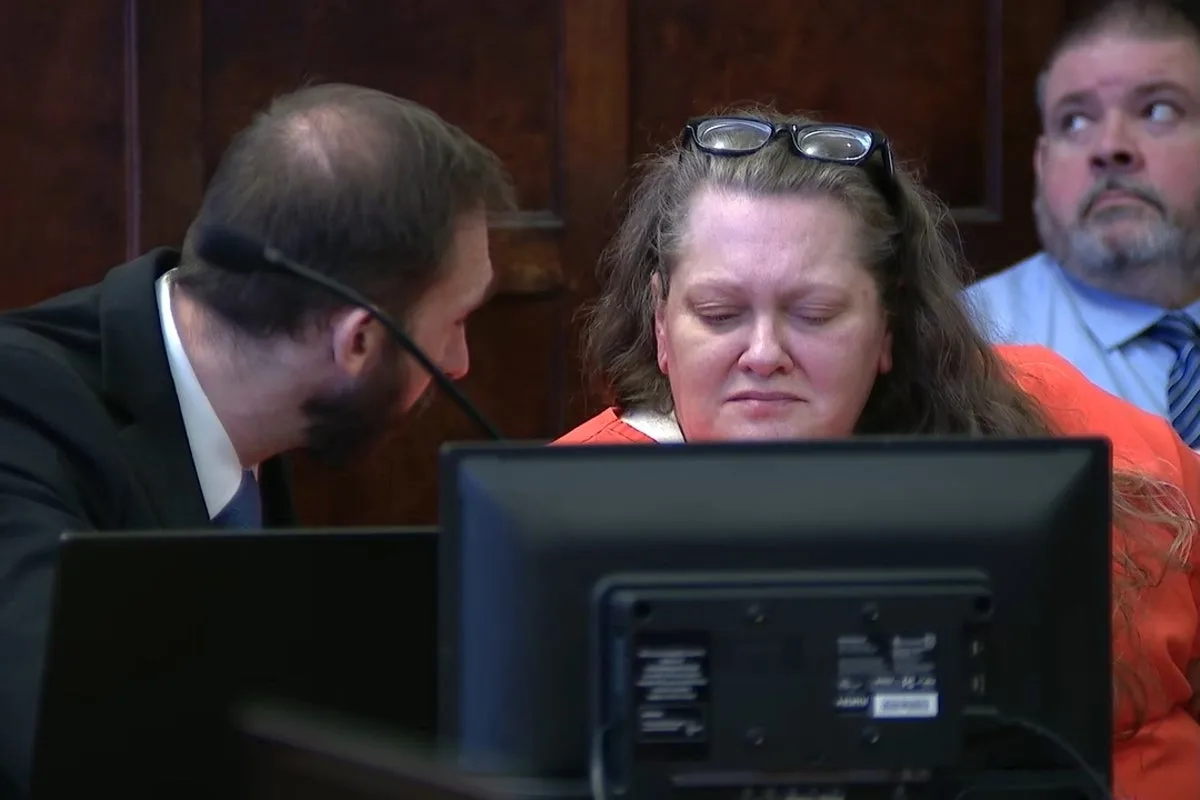
A West Virginia courtroom delivered a stark and emotional judgment on February 25 as Julie Miller was sentenced to 15 years to life in prison for the death of her 14-year-old daughter, Kyneddi Miller. The sentencing marked the culmination of a deeply troubling case that centered on prolonged neglect, untreated illness, and the tragic death of a teenager who weighed just 58 pounds at the time she died. Prosecutors described a pattern of inaction and isolation that ultimately led to fatal consequences. The court imposed the maximum penalty allowed under the law, underscoring the gravity of the circumstances and the profound impact of the loss on the family and community.
Julie Miller had previously pleaded guilty in November to the charge of death of a child by a parent by child abuse. Under the terms of her sentence, she will be eligible for parole after serving 15 years. If granted parole, she will also be required to complete 50 years of supervised release. The decision followed detailed testimony from prosecutors, law enforcement, and family members, painting a harrowing picture of Kyneddi’s final months.
Details of the Investigation and Guilty Plea
The case began on April 17, 2024, when Kyneddi Miller was found unresponsive on the bathroom floor of her West Virginia home. According to a criminal complaint, she was discovered in what authorities described as an “emaciated to a skeletal state.” Law enforcement officials reported that the teenager went into cardiac arrest and subsequently died.
Investigators learned that Kyneddi Miller had reportedly struggled with an eating disorder. However, authorities alleged that she had not received medical care for at least four years prior to her death. The complaint further stated that she had been unable to function independently for four to five days before she was found due to her deteriorating physical condition. It also alleged that she had not been eating for months and that her health had been in decline for a prolonged period.
Boone County Prosecutor Dan Holstein presented testimony indicating that Kyneddi Miller weighed just 58 pounds at the time of her death. He told the court that she spent the final days of her life alone on the bathroom floor. The prosecutor characterized the circumstances as prolonged neglect rather than a single moment of harm, describing it as a daily failure to intervene while the child’s condition worsened.
Julie Miller ultimately entered a guilty plea to the charge of causing the death of a child by abuse as a parent. By doing so, she accepted responsibility under state law, foregoing a trial. The plea set the stage for sentencing proceedings that would focus on the extent of harm and the appropriate punishment under the statute.
Sentencing Hearing and Court Statements
During the sentencing hearing, Boone County Circuit Judge Stacy Nowicki-Eldridge delivered pointed remarks about the severity of the case. The judge stated that the child had “literally starved to death” and emphasized that no child should ever endure such suffering. The court imposed the maximum sentence available, reflecting the judge’s assessment of the seriousness of the offense and the prolonged nature of the neglect.
Read : 21 Intriguing Facts About Stonehenge
Prosecutor Dan Holstein argued that the death resulted from more than a single act, describing it as the consequence of sustained inaction. He questioned whether the conduct stemmed from selfishness or another source but emphasized that the effect was the same: a child wasting away without adequate intervention. Holstein also suggested that Kyneddi must have experienced significant agony in her final days, suffering largely alone.
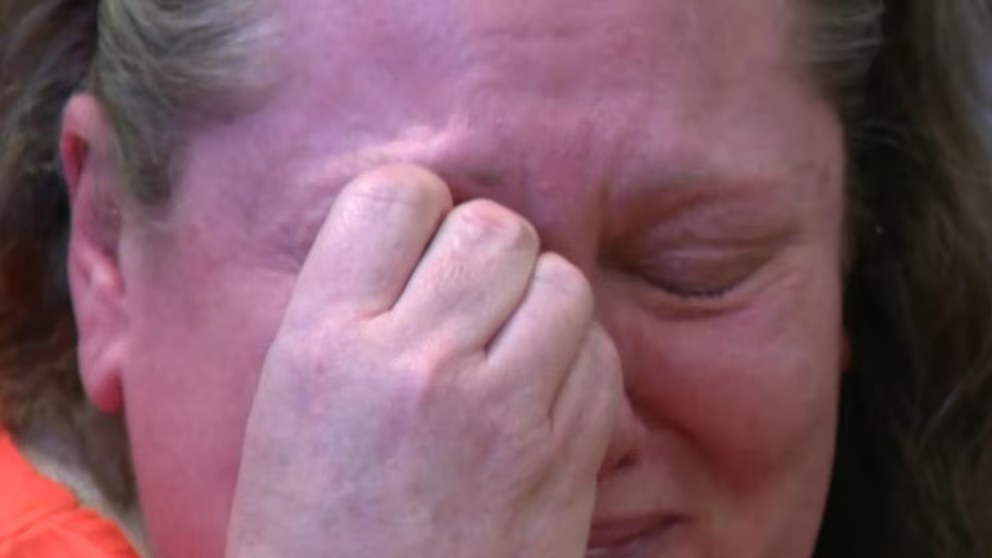
Julie Miller addressed the court tearfully before sentencing was finalized. She stated that she loved her daughter and described her as “the best little girl since day one.” She expressed that she missed her every second of every day and referred to Kyneddi Miller as her world. Her remarks were part of a broader proceeding that included victim impact statements from family members.
Kyneddi Miller’s older sister delivered an emotional statement in court, describing her sibling as a “piece of sunlight” that had been taken from the Earth. She spoke about the enduring pain of the loss and the sense that nothing could ever fully heal the wound left by her sister’s death. The statement underscored the personal toll of the tragedy beyond the legal consequences being imposed.
Under the terms of the sentence, Julie Miller must serve at least 15 years before she can seek parole. If she is eventually released, she will be subject to five decades of supervised release, a condition that reflects ongoing oversight by the criminal justice system.
Broader Allegations and Ongoing Proceedings
The investigation also led to charges against Kyneddi’s grandparents, Jerry and Donna Stone. Court documents alleged that they, along with Julie Miller, failed to provide necessary food and medical care to the teenager during the months immediately preceding her death. Authorities asserted that the lack of intervention contributed to the deteriorating condition that ultimately proved fatal.
Read : Hugo Powell Becomes First UK Child Born to Mother with Womb Transplant from Deceased Donor
In August, Jerry Stone was found incompetent to stand trial, according to court proceedings. His case has therefore been paused pending further legal developments. Donna Stone’s trial has been delayed and is scheduled to move forward at a later date. These proceedings remain separate from Julie Miller’s case, though they arise from the same set of allegations concerning the care provided to Kyneddi.
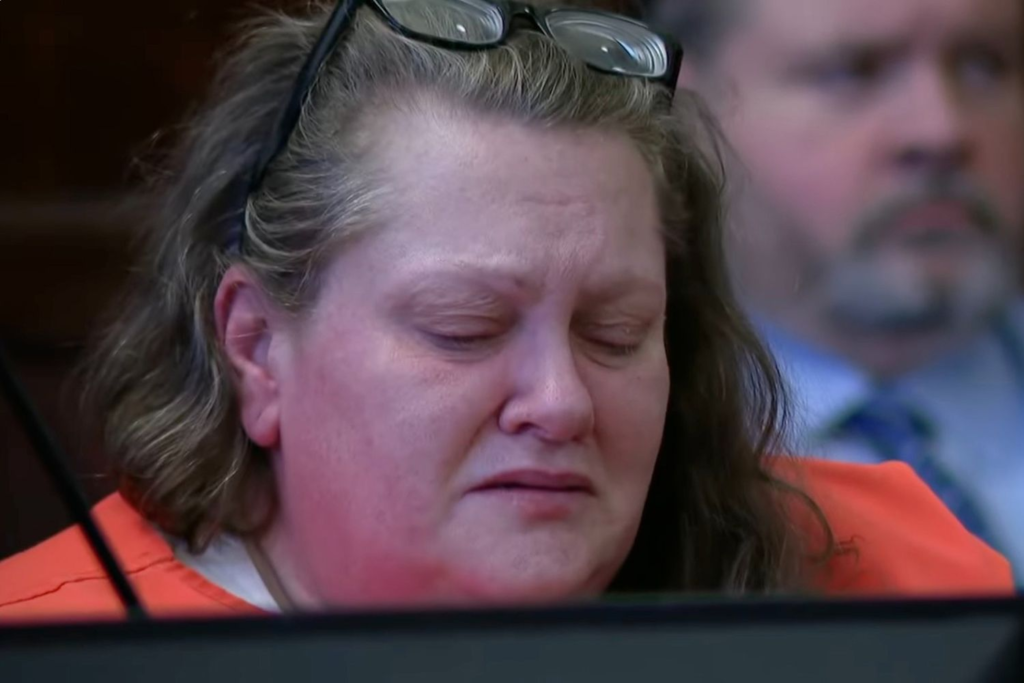
The case has drawn significant public attention due to the age of the victim, the nature of the neglect, and the allegations that medical care had not been sought for several years. It has also raised broader questions about how eating disorders and other chronic conditions are addressed within families and communities, and the responsibilities that caregivers bear under state law when a minor’s health is in jeopardy.
Prosecutors emphasized that regardless of any underlying disorder, caregivers have a legal duty to seek appropriate treatment and ensure a child’s basic needs are met. The criminal complaint described a pattern in which Kyneddi’s condition allegedly worsened over months or even years without effective intervention. The resulting weight loss and physical decline were central to the state’s case that the death was preventable.
The sentencing of Julie Miller closes one chapter of the legal proceedings but leaves others unresolved as related cases continue. For the Miller family, the outcome represents both accountability under the law and a painful reminder of a life cut short. The courtroom statements reflected the emotional complexity of the case: expressions of grief and love from the mother, anguish from siblings, and condemnation from prosecutors and the bench.
As the criminal justice process continues with the remaining defendants, the case stands as a stark example of how prolonged neglect can carry severe legal consequences. The court’s decision to impose the maximum sentence underscores the judiciary’s view of the seriousness of the offense and the responsibility placed on parents to safeguard the well-being of their children.