
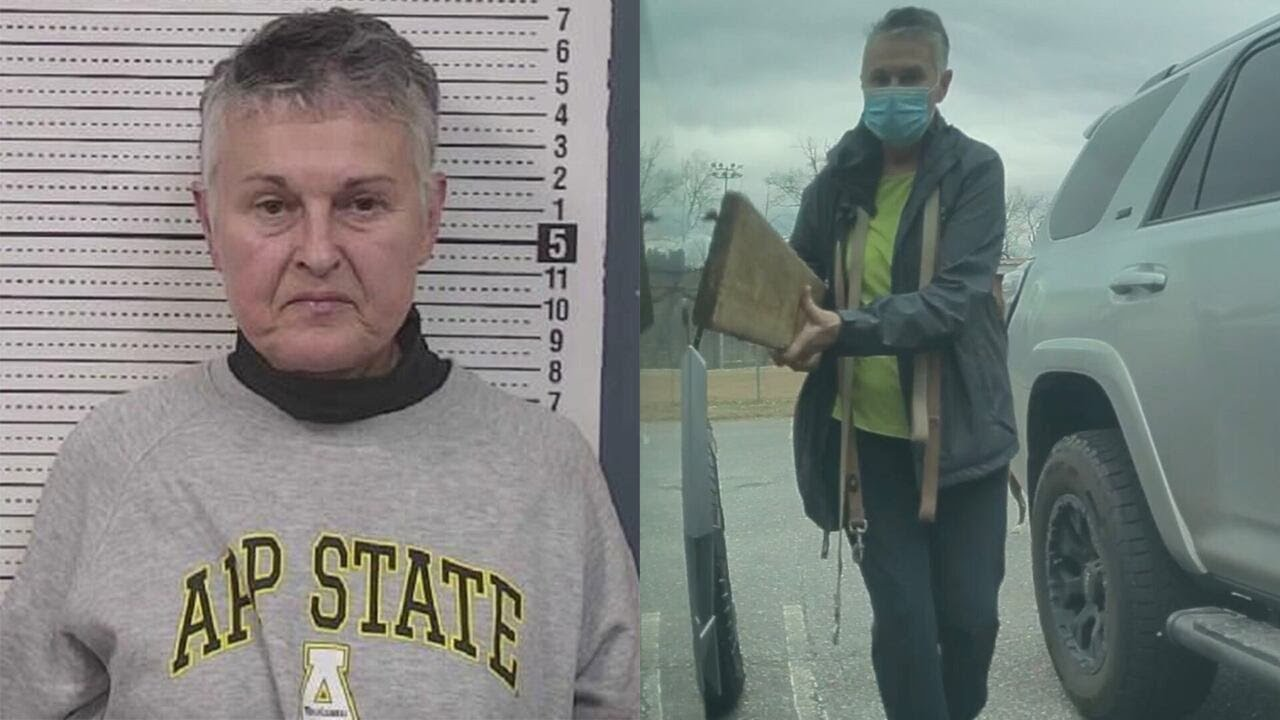
A quiet North Carolina community became the center of an unusual vandalism case after authorities arrested a 67-year-old Karen Cooke accused of deliberately damaging a high-profile electric vehicle. The incident, which unfolded in Collettsville, drew attention not only because of the method used but also due to the role modern vehicle technology played in identifying the suspect. According to investigators, the alleged act was not random or accidental but a targeted effort that was clearly captured on the vehicle’s built-in camera system, ultimately leading to a swift arrest.
The case highlights how evolving automotive technology is increasingly intersecting with law enforcement efforts. What might once have been a difficult crime to solve due to lack of witnesses or evidence instead became a straightforward investigation. With clear footage available, deputies were able to quickly identify and charge the suspect, bringing the situation to a rapid conclusion. At the same time, the incident raises broader questions about motivations behind such acts, especially when they involve deliberate damage using unusual tools.
Incident Details and Arrest
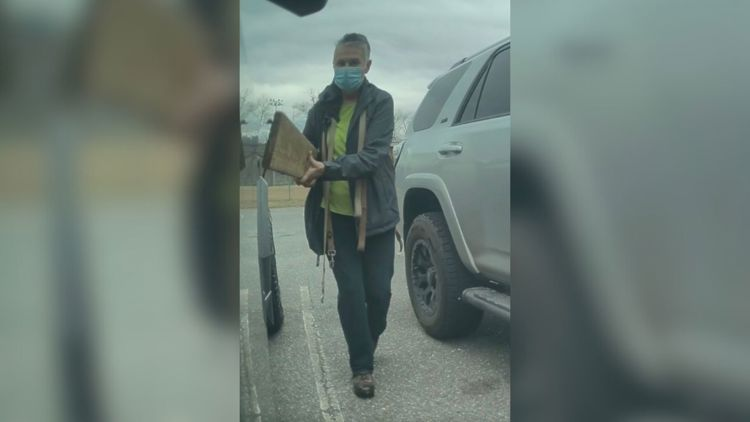
The situation began on a Sunday afternoon when the Caldwell County Sheriff’s Office received a report of vandalism involving a parked Tesla Cybertruck. The vehicle’s owner informed deputies that a woman had approached the truck and used a board embedded with nails to scratch and damage its surface. The act appeared intentional, with the tool suggesting premeditation rather than a spontaneous outburst.
Upon reviewing the evidence, investigators discovered that the Cybertruck’s onboard camera system had recorded the entire event. The footage clearly showed the suspect carrying out the act, providing authorities with a reliable visual record. This eliminated much of the uncertainty that often accompanies vandalism cases, where identifying the perpetrator can be challenging without eyewitnesses or surveillance footage.
Using the recorded video, deputies were able to identify the suspect as Karen Cooke Lewis, a 67-year-old resident of Caldwell County. The clarity of the footage played a crucial role in confirming her identity, allowing law enforcement to proceed confidently with the case. By Tuesday afternoon, just two days after the reported incident, Lewis was taken into custody.
She was subsequently charged with misdemeanor damage to property. Authorities set her bond at $1,000, reflecting the classification of the offense under local law. The relatively quick timeline from incident to arrest underscores how technological evidence can significantly accelerate investigations that might otherwise take weeks or even months to resolve.
Role of Vehicle Camera Technology in the Case
One of the most significant aspects of this case is the role played by the Cybertruck’s integrated camera system. Modern vehicles, particularly those designed with advanced safety and security features, often include multiple cameras that continuously monitor the surroundings. These systems are typically intended to assist with driving, parking, and safety, but they are increasingly proving valuable in documenting criminal activity.
In this instance, the camera system captured a detailed record of the vandalism as it occurred. This footage served as direct evidence, leaving little room for dispute regarding what happened or who was responsible. For investigators, such recordings provide a level of clarity that traditional evidence often cannot match.
Read : Two Tesla Cybertrucks Catch Fire in Santa Monica Parking Garage
The presence of these cameras effectively transforms vehicles into mobile surveillance units. Unlike stationary security cameras that cover fixed areas, vehicle cameras can record incidents in a wide range of environments, from residential streets to parking lots. This expanded coverage increases the likelihood that unlawful acts will be documented, even in areas without extensive surveillance infrastructure.
🚨#BREAKING: A nearly 70-year-old North Carolina real-life Karen… Karen Lewis… has been arrested after she was caught on camera meticulously vandalizing a Tesla Cybertruck using a board with nails hammered into it.
— Matt Van Swol (@mattvanswol) March 18, 2026
She was released on just a $1,000 bond.
Police say they… pic.twitter.com/QQfXiKQp8w
The use of recorded footage also simplifies the legal process. When clear visual evidence is available, it reduces reliance on witness testimony, which can sometimes be inconsistent or unreliable. Instead, law enforcement and prosecutors can present objective recordings that depict the incident exactly as it occurred.
As more vehicles incorporate similar technology, cases like this may become more common. Individuals considering acts of vandalism or other property crimes may increasingly find themselves recorded without realizing it. This shift could have a deterrent effect, discouraging such behavior due to the higher likelihood of being identified and prosecuted.
Legal and Social Implications of the Incident
While the act itself may be categorized as misdemeanor property damage, the circumstances surrounding the case bring attention to broader social and legal considerations. The deliberate nature of the vandalism, combined with the unusual method involving a board with nails, suggests a level of intent that goes beyond accidental damage or minor misconduct.
Read : Influencer and OnlyFans Star Nicole Pardo Molina Kidnapped at Gunpoint from Lilac Cybertruck
From a legal standpoint, misdemeanor charges indicate that the damage, while intentional, did not reach the threshold for more serious felony charges. However, even misdemeanor convictions can carry consequences, including fines, potential jail time, and a permanent criminal record. For individuals involved, such outcomes can have lasting impacts on their personal and financial circumstances.
Socially, the case has sparked curiosity about what might motivate someone to carry out such an act. Vandalism can stem from a variety of factors, including personal disputes, frustration, or broader attitudes toward certain types of property or technology. While the specific motivations in this case have not been publicly detailed, the deliberate preparation of a tool suggests that the act was not impulsive.
The incident also reflects a growing intersection between traditional criminal behavior and modern technology. As vehicles and other everyday objects become more technologically advanced, they are increasingly capable of capturing and preserving evidence. This evolution is reshaping how crimes are detected and investigated, often making it more difficult for offenders to avoid accountability.
For communities, cases like this serve as a reminder of both the risks and the protections associated with technological advancements. While property damage remains a concern, the ability to document and respond to such incidents more effectively offers a measure of reassurance. Law enforcement agencies are adapting to these changes, incorporating digital evidence into their investigative processes and leveraging technology to improve outcomes.
At the same time, the situation underscores the importance of responsible behavior and awareness of legal consequences. Acts of vandalism, regardless of scale, can lead to legal repercussions and community disruption. As technology continues to evolve, the likelihood of such actions being recorded and prosecuted will only increase, reinforcing the need for accountability in public and private spaces.
Boostaro is a purpose-built wellness formula created for men who want to strengthen vitality, confidence, and everyday performance.