
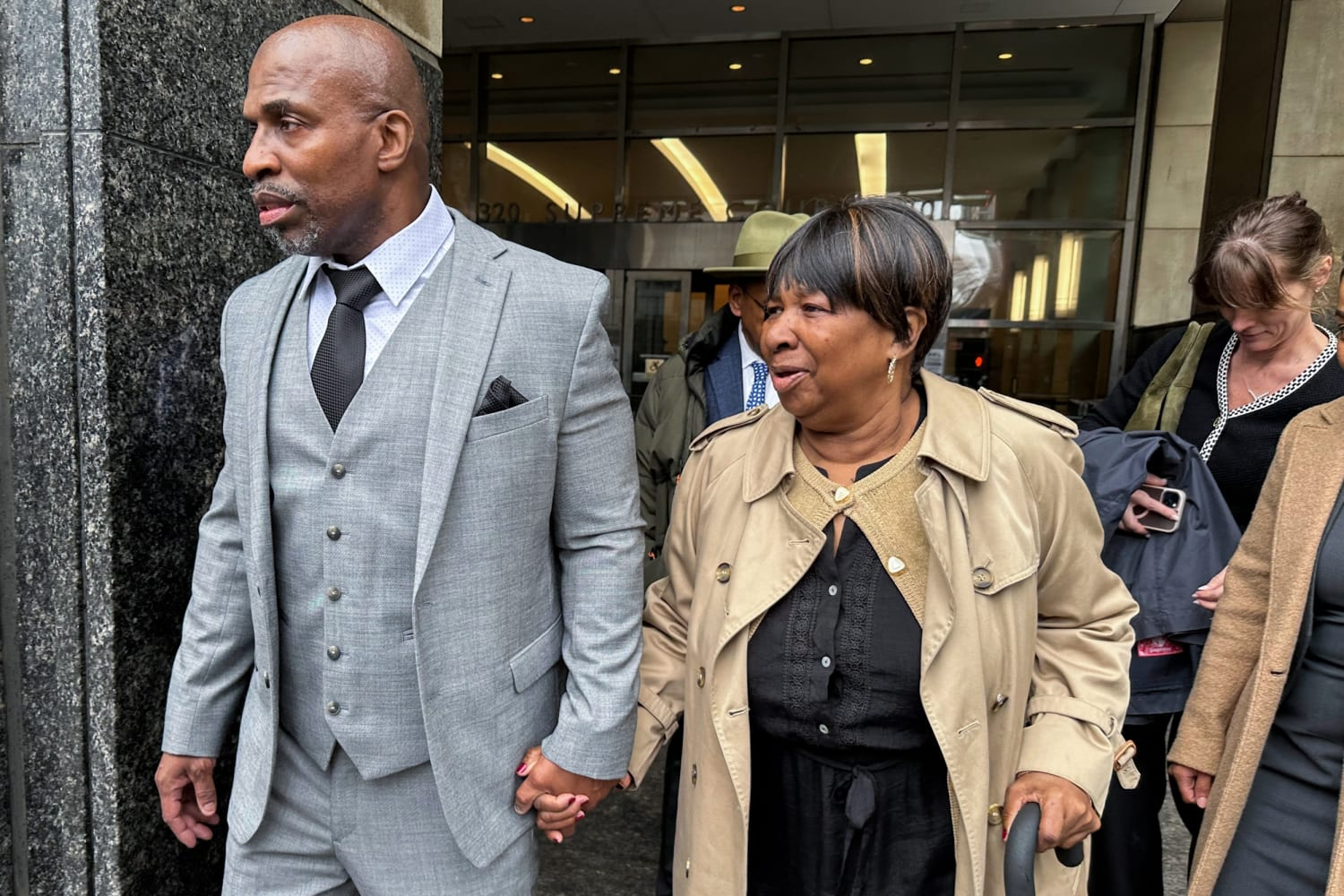
The case of Kenneth Windley stands as a stark example of how errors in the criminal justice system can profoundly alter the course of a person’s life. After spending nearly two decades in prison for a crime he did not commit, Windley was finally freed when prosecutors revisited his case and determined that he had been wrongfully convicted. His release not only restores his freedom but also raises difficult questions about investigative processes, witness identification, and the long-term consequences of judicial mistakes. At 61 years old, Windley walked out of court with his conviction vacated, marking the end of a long and painful chapter that began with what appeared to be an ordinary purchase intended to help his mother.
The Circumstances That Led to Conviction
The events that led to Kenneth Windley’s imprisonment date back to April 1, 2005, in Brooklyn’s Crown Heights neighborhood. A 70-year-old man was followed into his apartment building and robbed inside an elevator by two individuals. The assailants took a relatively small amount of cash along with two blank money orders. While the crime itself was serious, the investigation that followed would ultimately link an innocent man to the offense.
Kenneth Windley came under suspicion after using one of the stolen money orders to purchase a stove for his mother. According to his testimony, he had bought the money order from two men outside an appliance store, believing it to be legitimate despite acknowledging that the sellers appeared to be street hustlers. He stated that he had never used a money order before and did not inquire about its origin. This lack of familiarity, combined with poor judgment, placed him in a vulnerable position that later proved costly.
Authorities connected Kenneth Windley to the robbery primarily through this transaction. The victim identified him as one of the perpetrators, a factor that carried significant weight during the trial. Eyewitness identification, although often persuasive in court, has been widely scrutinized for its potential unreliability, especially in high-stress situations such as violent crimes. In this case, the identification became a cornerstone of the prosecution’s argument.
Read : Panama is Preparing to Evacuate First Island Due to Rising Sea Levels
In 2007, Kenneth Windley was convicted of second-degree robbery. Due to prior felony convictions, he received a harsh sentence of 20 years to life in prison. Despite maintaining his innocence throughout the trial, his defense was unable to overcome the combination of circumstantial evidence and eyewitness testimony. The conviction marked the beginning of a prolonged period of incarceration during which Windley would continue to assert that he had no involvement in the crime.
Years of Incarceration and the Fight for Justice
Kenneth Windley’s time in prison spanned nearly 19 years, a period during which he consistently maintained his innocence. Like many individuals claiming wrongful conviction, he faced the daunting challenge of proving that the justice system had erred. Access to resources, legal representation, and investigative support is often limited for incarcerated individuals, making such efforts particularly difficult.
Read : Brian Pippitt Freed After Spending 26 Years in Prison for Crime He Did Not Commit
Over time, Kenneth Windley managed to track down the actual perpetrators of the robbery. These individuals had been involved in a pattern of similar crimes targeting elderly victims returning home from banks. Their criminal activities matched the circumstances of the 2005 robbery, providing a crucial link that had been overlooked during the initial investigation.
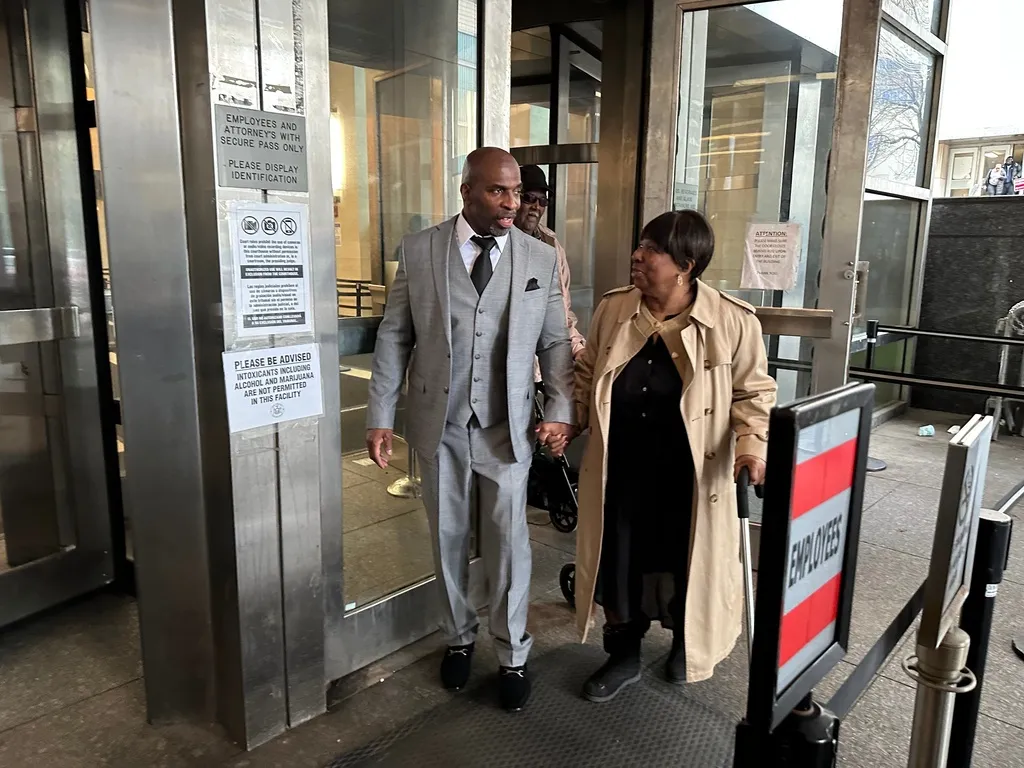
The men eventually confirmed that Kenneth Windley had not participated in the crime. Their statements were supported by additional evidence, including recorded prison phone calls and emails, which corroborated their accounts. This new information became a turning point in the case, prompting prosecutors to take a closer look at the conviction.
The re-examination of Kenneth Windley’s case reflects a broader trend in the justice system toward reviewing potential wrongful convictions. Prosecutors, in some jurisdictions, have established conviction integrity units dedicated to investigating claims of innocence. These units aim to identify and correct errors, ensuring that justice is served even after a conviction has been secured.
In Windley’s case, the review ultimately concluded that he was not involved in the robbery. This finding led to the decision to vacate his conviction, effectively acknowledging that the original verdict had been flawed. For Windley, the ruling represented both vindication and a bittersweet realization of the years lost to imprisonment.
Exoneration and the Broader Implications
Windley’s release highlights the profound impact of wrongful convictions on individuals and their families. Nearly two decades of his life were spent behind bars, separated from loved ones and deprived of opportunities that cannot be recovered. While his exoneration restores his legal status, it cannot fully compensate for the personal and emotional toll of incarceration.
The case also underscores the importance of scrutinizing evidence used in criminal trials. Eyewitness identification, which played a central role in Windley’s conviction, has been shown in numerous studies to be susceptible to error. Factors such as stress, lighting conditions, and the passage of time can all affect a witness’s ability to accurately recall events. In situations where such testimony is not supported by strong corroborating evidence, the risk of wrongful conviction increases significantly.
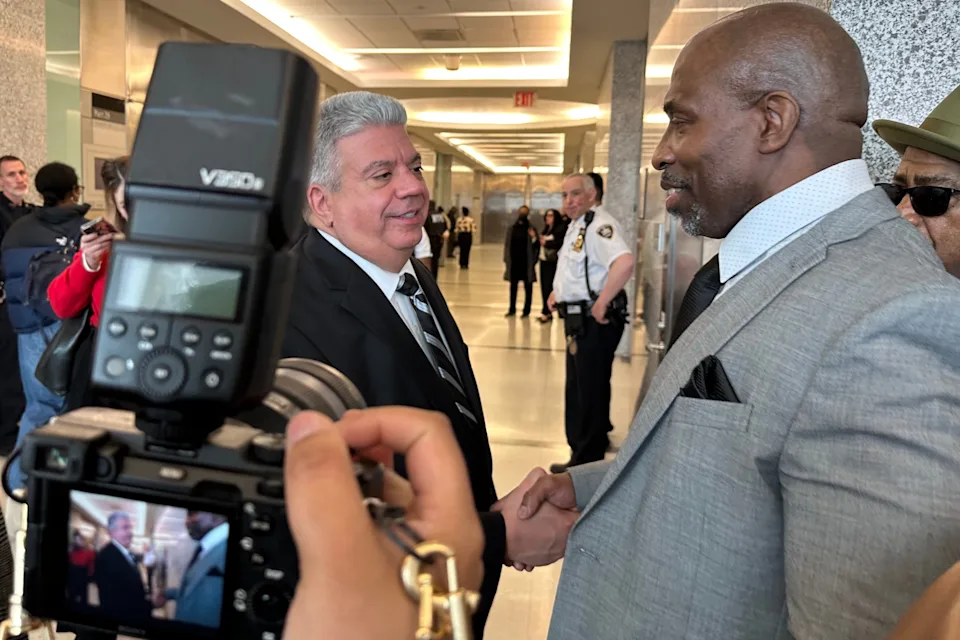
Additionally, Windley’s case illustrates how circumstantial evidence can be misinterpreted. His use of a stolen money order, while suspicious, did not necessarily indicate involvement in the robbery. Without a thorough investigation into alternative explanations, such evidence can lead to incorrect conclusions. The failure to identify and apprehend the actual perpetrators at the time further compounded the problem.
The role of prosecutors in revisiting past convictions is another critical aspect highlighted by this case. By re-examining evidence and considering new information, they have the ability to correct injustices and restore public confidence in the legal system. The decision to vacate Windley’s conviction demonstrates a commitment to fairness and accountability, even when it involves acknowledging past mistakes.
For Windley, the moment of release was marked by a sense of relief and acceptance. After years of fighting to prove his innocence, he expressed that what mattered most was the acknowledgment that the error had been corrected. His statement reflects a pragmatic perspective shaped by years of hardship, focusing on the present rather than dwelling on what cannot be changed.
The broader implications of his case extend beyond his individual experience. It serves as a reminder of the need for ongoing reforms in the criminal justice system, including improved investigative practices, better safeguards against unreliable evidence, and greater support for individuals seeking to challenge wrongful convictions. As more cases like Windley’s come to light, they contribute to a growing awareness of the systemic issues that can lead to such outcomes.
Windley’s story is ultimately one of endurance and resilience. Despite the challenges he faced, he continued to assert his innocence and pursue justice. His exoneration not only restores his freedom but also reinforces the principle that the legal system must remain open to correction and improvement.