
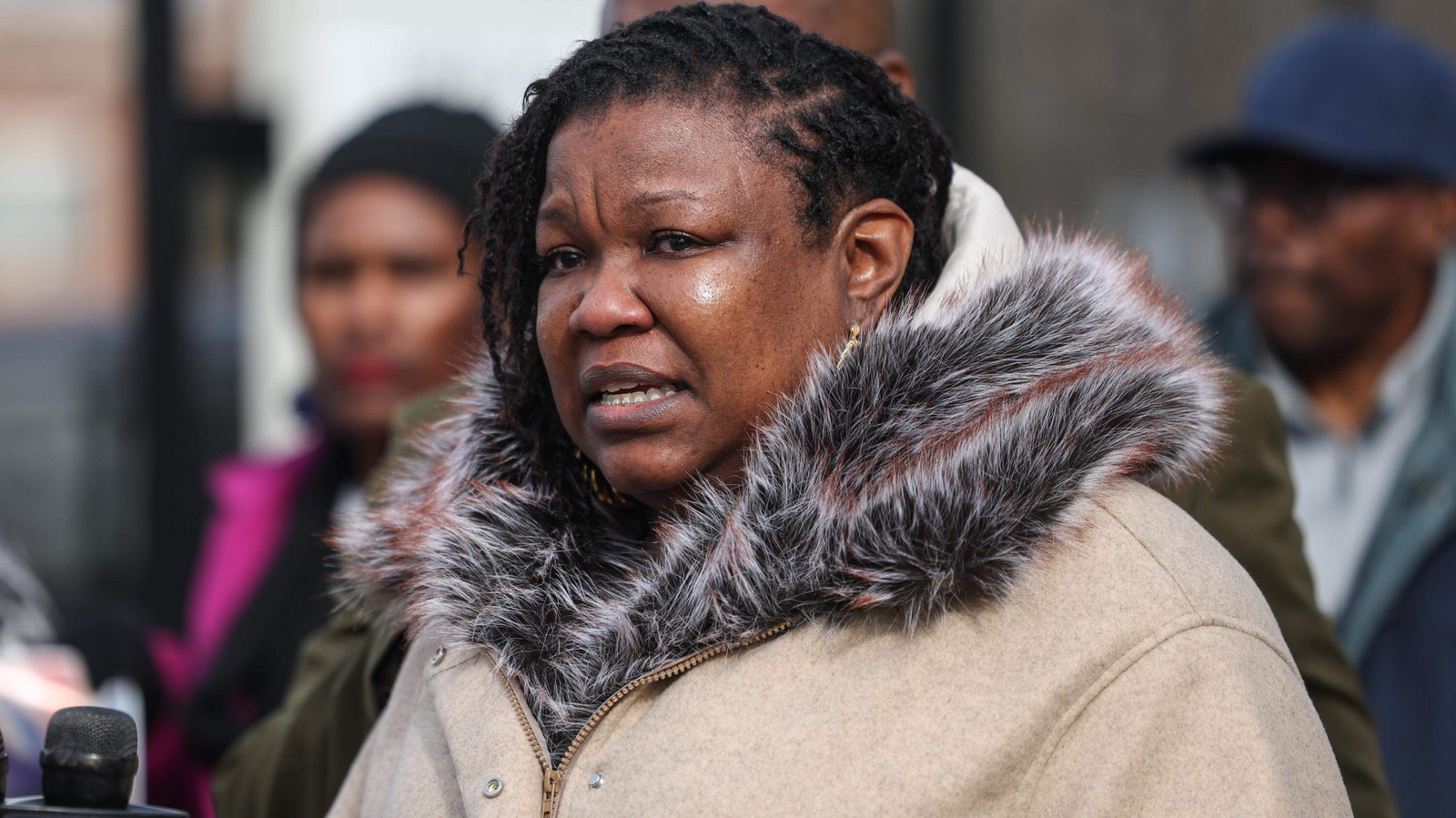
LaChunda Hunter’s pregnancy was unexpected and deeply meaningful. After believing she could not conceive, she learned in September 2021 that she was pregnant, describing the news as a miracle. That sense of hope was soon replaced by trauma following the premature birth and death of her daughter, Legacy, and by a series of events that Hunter says left her uncertain whether the child she buried was, in fact, her own. Now, Hunter has filed a lawsuit against Novant Health and local physicians, alleging negligence, emotional distress, and failures in communication and recordkeeping that compounded her grief and raised disturbing questions about what happened inside the neonatal intensive care unit.
A high-risk pregnancy and a fragile beginning
LaChunda Hunter’s pregnancy quickly became medically complex. She was admitted to the hospital early after showing signs of high blood pressure, a condition that can pose serious risks to both mother and child. On Feb. 13, 2022, she underwent a C-section at Novant Presbyterian Medical Center, delivering Legacy at just 23 weeks gestation. Infants born at this stage face extremely low survival rates and often require intensive, round-the-clock medical support.
According to Hunter, despite the grim odds, early indications from the medical team suggested that Legacy was stable and showing signs of resilience. Hunter recalls being told that while the situation was serious, her daughter was “thriving” under the circumstances. Legacy remained in the NICU, where she was supported by ventilators and other life-sustaining equipment. Three days after the birth, Hunter was discharged from the hospital while her daughter continued to receive care.
On the morning of Feb. 19, Hunter visited Legacy in the NICU. She says she later received a message from a nurse stating that the baby was doing well. That assurance, she says, made the events that followed even more devastating. That same night, LaChunda Hunter received a phone call informing her that Legacy had died. The sudden reversal, with no warning of a decline, marked the beginning of what Hunter describes as a cascade of confusion and unanswered questions.
Read : Jainism: The Most Peaceful Religion in the World
When LaChunda Hunter returned to the hospital the next day, she says she was escorted to a room she believed resembled a storage area rather than a proper viewing space. There, she was presented with a baby wrapped in multiple blankets in a dimly lit environment. Hunter maintains that the conditions prevented her from clearly seeing the child’s face or identifying features. Trusting the hospital’s account, she proceeded with funeral arrangements, assuming the child she was shown was her daughter.
Conflicting phone calls and disputed medical records
Several days after being told her daughter had died, LaChunda Hunter received a phone call that upended her understanding of what had occurred. According to her account, a doctor contacted her and spoke in optimistic terms about Legacy’s progress, describing improvements and expressing confidence about the infant’s condition. The call left Hunter stunned. Her assistant, who was present, intervened to explain that Hunter had already been informed that her baby had died.
Read : Highmark Health Employee Timothy Haver Charged with Contaminating Co-Worker’s Mug with Bodily Fluid
Hunter says the doctor ended the call abruptly. Later that same day, she received another call from a different physician, who told her there had been a mistake. The optimistic call, she was told, had concerned another infant, and Hunter’s phone number had been mistakenly placed in the wrong medical chart. While the explanation was presented as a clerical error, LaChunda Hunter says it deepened her distress rather than resolving it.
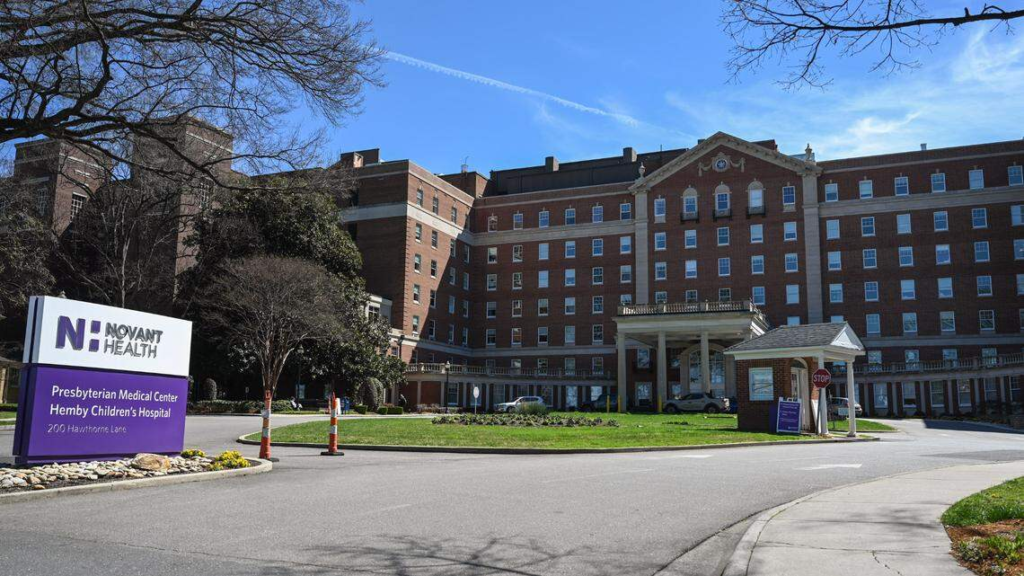
According to the lawsuit, LaChunda Hunter requested a formal investigation by Novant Health and sought access to her daughter’s full medical records. She also asked to physically see the infant whose test results and progress had reportedly been discussed in the mistaken call. The complaint alleges that hospital officials declined to meet with her to provide a detailed explanation of what went wrong.
The medical records Hunter eventually reviewed, she says, contained inconsistencies that heightened her doubts. Among the discrepancies cited in the lawsuit are chart entries indicating that tubes were removed from Legacy days after her reported death. To Hunter, such entries suggested either serious documentation failures or the possibility that records were misattributed between patients. In either case, she argues, the errors represent negligence with profound emotional consequences.
For LaChunda Hunter, these inconsistencies undermined her confidence in the hospital’s account of events. Rather than providing clarity, the records raised new questions about whether proper identification protocols were followed in the NICU and whether families were accurately informed about their children’s conditions.
Identification concerns, DNA testing, and legal claims
Legacy’s body was transferred to a funeral home on Feb. 20, 2022. Before the funeral, Hunter requested a private DNA test, driven by her belief that the infant she was asked to bury did not resemble her daughter. She says the baby appeared older and looked different from Legacy as she remembered her, even leading her to suspect the child might have been male. Hunter recalls specific identifying marks on her daughter’s forehead from skin irritation and bruising that she did not observe on the baby at the funeral home.
The initial DNA test returned inconclusive results, which Hunter says further validated her concerns. According to her account, Novant Health then requested a second DNA test. The results of that test indicated the baby was Hunter’s biological child. However, Hunter disputes the validity of the second test, stating that she never signed consent for a new sample and does not believe a second collection was properly conducted.
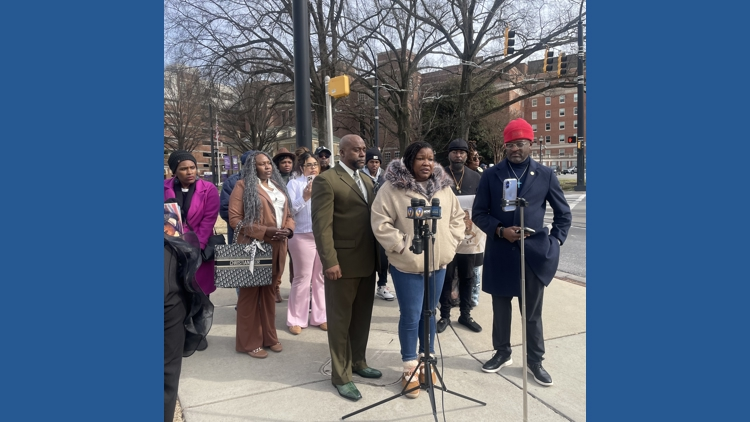
Despite her doubts, LaChunda Hunter ultimately proceeded with the burial. She says the decision was made under emotional strain and without the certainty she sought. The experience, she argues, deprived her of the ability to grieve with closure and confidence that her daughter was properly identified and cared for, even in death.
In her lawsuit, Hunter alleges negligence, emotional distress, and financial hardship resulting from the hospital’s actions and omissions. She contends that failures in communication, documentation, and patient identification violated basic standards of care and inflicted lasting psychological harm. Beyond her personal loss, Hunter says she is pursuing legal action to prevent other families from enduring similar experiences.
Novant Health has issued a general statement in response to inquiries, emphasizing its commitment to compassionate care while citing privacy laws as a limitation on discussing individual cases. The statement notes the organization’s recognition of the complexity of grief and the responsibility caregivers bear when guiding families through moments of loss.
For Hunter, the legal case is not solely about damages but about answers. She describes missing every milestone she expected to experience as a mother and says the uncertainty surrounding her daughter’s death has compounded her grief. The lawsuit seeks accountability and transparency, aiming to determine exactly what happened in the NICU and whether systemic failures contributed to the confusion that continues to haunt her.
You are a very bright individual!