
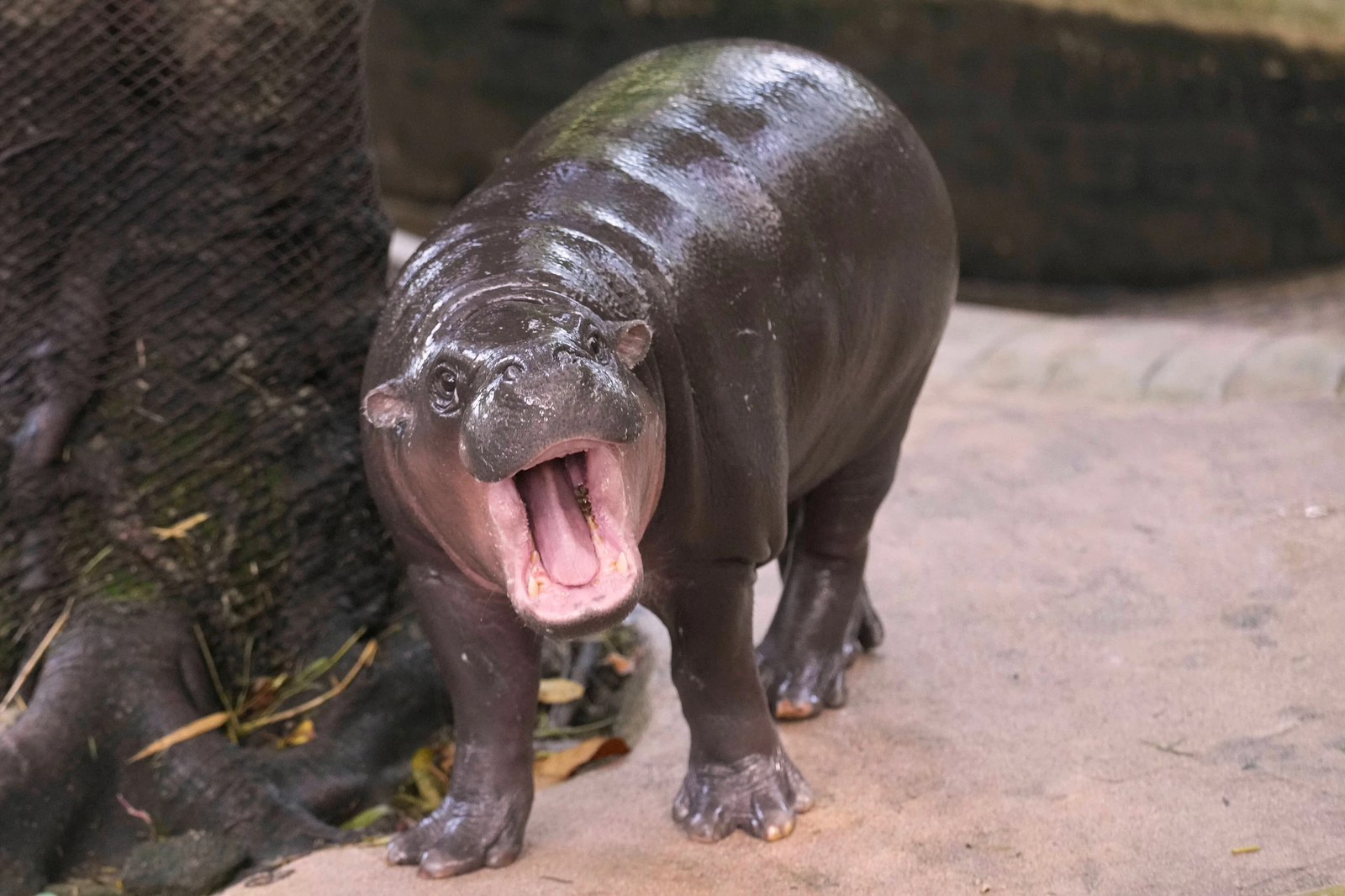
A shocking incident at Khao Kheow Open Zoo in Thailand has drawn global attention after a man unlawfully entered the enclosure of Moo Deng, a pygmy hippo that rose to international fame through viral social media videos. The event, which took place in the early evening hours, has sparked renewed conversations about visitor safety, animal welfare, and the growing impact of viral animal fame. While the situation could have escalated into a dangerous encounter, authorities confirmed that no harm came to either the animals or the intruder.
Nevertheless, the episode has highlighted the risks associated with ignoring zoo regulations and the challenges institutions face in protecting animals that attract widespread public attention. The man reportedly took advantage of a moment when staff members were occupied with routine evening duties, slipping into a restricted area where Moo Deng and her mother were present.
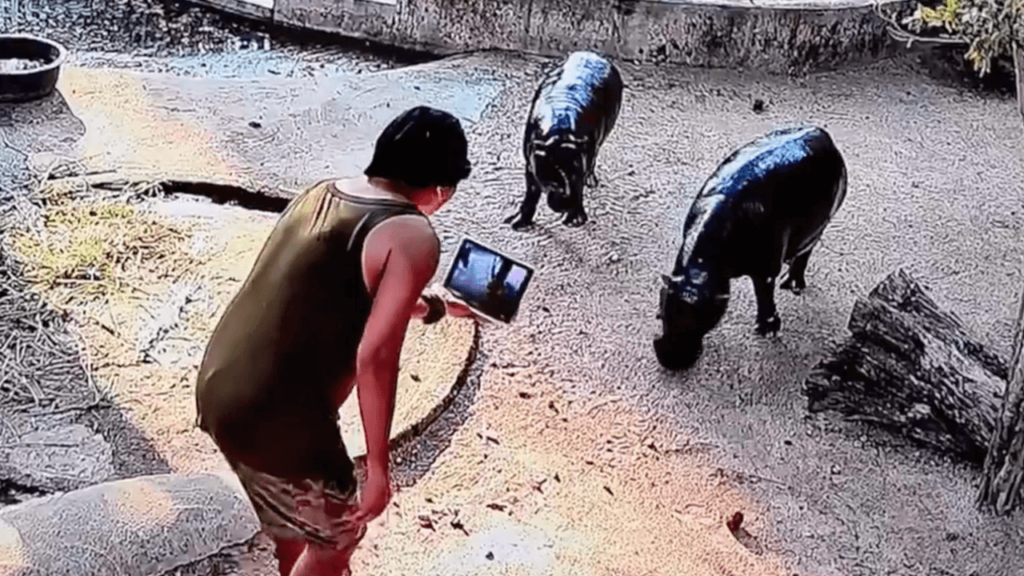
Surveillance footage later showed him inside the enclosure, apparently filming or photographing the animals before climbing back out. His actions prompted immediate concern from zoo authorities and visitors alike, leading to his arrest and subsequent legal action. Though the man has since been released on bail, the investigation into his motives continues, leaving many questioning what could drive someone to take such a risk.
The Rise of Moo Deng and Public Fascination
Moo Deng’s popularity did not emerge overnight but developed rapidly after videos showcasing her playful behavior captured the attention of audiences worldwide. As a young pygmy hippo, she became a symbol of charm and curiosity, drawing millions of viewers online and significantly increasing visitor numbers at Khao Kheow Open Zoo. Her natural antics, combined with her unique appearance, made her an instant favorite among animal lovers, turning her into one of the most recognizable animals in captivity in recent years.
This level of fame, while beneficial in promoting awareness about pygmy hippos and conservation, also brings unintended consequences. Increased attention often leads to overcrowding, heightened visitor excitement, and, in some cases, inappropriate behavior from individuals seeking a closer or more personal interaction with the animal. The incident involving the trespasser illustrates how viral fame can blur the boundaries between admiration and intrusion, especially when individuals underestimate the potential dangers involved.
Zoos around the world have faced similar challenges when animals gain widespread attention. Visitors may feel a sense of familiarity or connection that encourages them to break rules, forgetting that these are still wild animals with unpredictable instincts. In Moo Deng’s case, her calm demeanor and playful personality may have contributed to a false perception of safety, leading the intruder to believe he could enter the enclosure without consequences.
Man in Thailand arrested after trespassing inside Moo Deng enclosure
— MustShareNews (@MustShareNews) March 18, 2026
The Khao Kheow Open Zoo announced that the man who had trespassed into the enclosure containing Moo Deng has been arrested.
Read more here: https://t.co/cetHMS32ll pic.twitter.com/jOTC0JX7qi
The situation also underscores the role of social media in shaping human behavior. Viral content can create a sense of accessibility that does not exist in reality, encouraging risky actions in pursuit of unique photos or videos. While Moo Deng’s popularity has undoubtedly benefited the zoo in terms of visibility and attendance, it has also introduced new responsibilities in managing crowd behavior and ensuring strict adherence to safety protocols.
The Incident and Immediate Response
The events unfolded during a time when zoo staff were engaged in routine tasks, creating a brief lapse in direct supervision. The man reportedly used this opportunity to enter the restricted enclosure, bypassing safety barriers designed to protect both visitors and animals. Security footage later revealed that he spent a short period inside the habitat, focusing on capturing images or video of Moo Deng and her mother before exiting the area.
Read : Six‑Year‑Old Boy With Terminal Cancer Dies After Fulfilling Last Wish to Meet Moo Deng
Zoo officials acted swiftly upon discovering the breach, coordinating with authorities to identify and apprehend the individual. He was subsequently arrested and charged with trespassing, a serious offense given the potential risks involved. Although he did not attempt to touch the animals, the mere act of entering their space posed a significant threat. Pygmy hippos, despite their relatively small size compared to their larger relatives, are still powerful animals capable of inflicting serious injury if provoked.
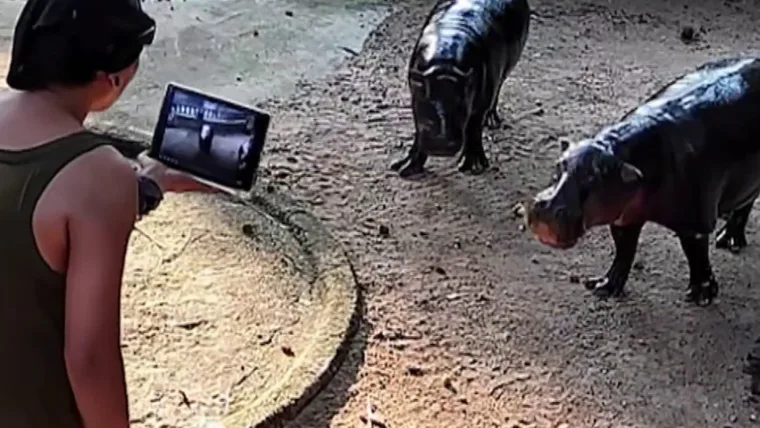
Fortunately, no aggressive behavior was reported from Moo Deng or her mother during the incident. Caretakers later confirmed that both animals remained unharmed and showed no immediate signs of distress. However, veterinary teams were instructed to closely monitor their behavior in the aftermath, as such disruptions can sometimes lead to stress or changes in routine patterns.
Zoo officials also emphasized that the outcome could have been far worse. The statement that the intruder was “fortunate not to have been bitten” reflects the inherent danger of such actions. Even animals that appear calm can react unpredictably when their territory is invaded, particularly in environments where they are accustomed to controlled human interaction from trained staff only.
The swift response by authorities and zoo personnel helped prevent the situation from escalating further. However, the incident has raised questions about whether additional security measures are necessary, especially for enclosures housing animals that attract large crowds. While surveillance systems and staff vigilance play a crucial role, the unpredictable nature of human behavior remains a constant challenge.
Safety, Responsibility, and Lessons for the Future
The incident serves as a stark reminder of the importance of respecting boundaries in environments designed to protect both humans and animals. Zoos operate under strict guidelines to ensure the safety of visitors while maintaining the well-being of the animals in their care. These rules are not merely suggestions but essential measures that prevent accidents and preserve the integrity of the habitat.
Read : Canadian Entrepreneur Vitalik Buterin Donates $290,000 to Famous Hippo Moo Deng
When individuals choose to ignore these guidelines, they not only endanger themselves but also place animals at risk. In many cases, animals involved in incidents with humans may face consequences despite acting on instinct. This reality underscores why strict enforcement of rules is critical, as even a single breach can lead to outcomes that affect innocent animals.
The growing influence of viral content adds another layer of complexity. As animals like Moo Deng gain global recognition, zoos must adapt their strategies to manage increased attention. This may include enhanced security, clearer signage, and public awareness campaigns emphasizing the importance of responsible behavior. Educating visitors about the risks and reinforcing the idea that admiration does not justify intrusion are essential steps in preventing similar incidents.
At the same time, the responsibility does not rest solely with institutions. Visitors play a crucial role in maintaining a safe environment by respecting rules and understanding the nature of wild animals. The desire for unique experiences or social media content should never outweigh considerations of safety and ethics.
The legal consequences faced by the intruder highlight that such actions are taken seriously. Trespassing in a zoo environment is not only a violation of property laws but also a direct threat to public safety and animal welfare. Authorities have made it clear that similar behavior will result in strict action, reinforcing the message that rules are in place for a reason.
Ultimately, the incident involving Moo Deng’s enclosure reflects a broader issue in the intersection of wildlife, public spaces, and digital culture. It demonstrates how quickly fascination can turn into risk when boundaries are ignored. While the outcome in this case was fortunately without injury, it serves as a warning that not all situations may end as safely.
The continued monitoring of Moo Deng and her mother ensures that any delayed effects of the disturbance can be addressed promptly. Meanwhile, the zoo’s response and public communication reinforce its commitment to the safety and well-being of its animals. As discussions around this event continue, it stands as a reminder that respect for wildlife must remain at the forefront, regardless of how familiar or beloved an animal may seem.