
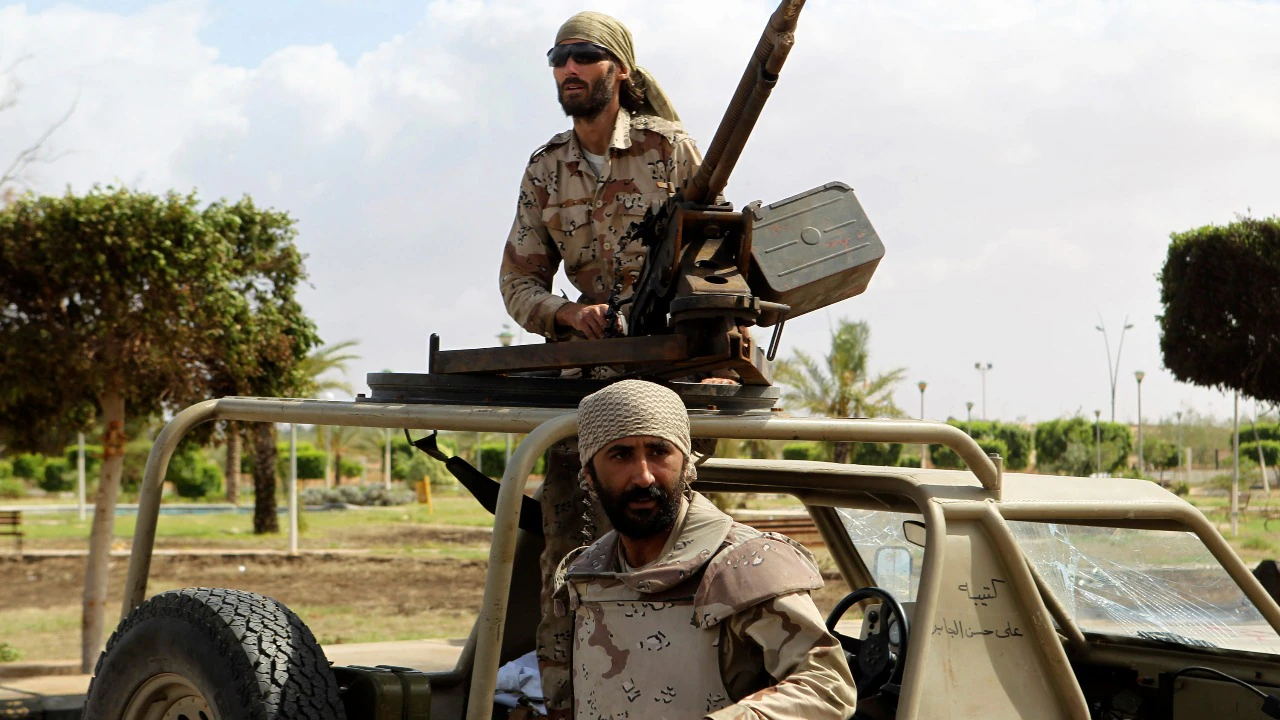
The arrest of an American national in India over allegations linked to drone warfare training and cross-border militant activity has drawn significant international attention. The case, which involves multiple foreign nationals and an alleged network operating across India and Myanmar, has raised serious concerns about regional security, illegal movement across sensitive borders, and the evolving role of private individuals in modern conflict zones.
At the center of this investigation is Matthew Aaron VanDyke, a figure whose past experiences in global conflict areas and involvement in paramilitary training initiatives have made him a subject of scrutiny. His journey from a war correspondent and filmmaker to someone accused of facilitating military training operations highlights a complex and controversial trajectory that intersects with geopolitics, private military involvement, and national security concerns.
Background and Rise to Prominence
Matthew Aaron VanDyke first gained global recognition during the Libyan Civil War in 2011, a conflict that saw widespread international involvement and the collapse of a long-standing regime. Unlike traditional journalists or observers, VanDyke became directly involved on the ground, aligning himself with rebel fighters during the uprising. His participation went beyond reporting, as he embedded himself within armed groups and experienced the realities of frontline combat.
During this period, he was captured and imprisoned, an ordeal that later contributed to his public image as someone deeply engaged in conflict situations rather than merely documenting them. Following his release, VanDyke leveraged his experiences to establish a reputation as a security analyst, war correspondent, and documentary filmmaker. His work often focused on conflict zones and the dynamics of insurgencies, resistance movements, and unconventional warfare.
Over time, he founded an organization known as Sons of Liberty International (SOLI), which positioned itself as a group providing military training, strategic guidance, and support to local armed factions involved in resistance efforts around the world. SOLI’s activities have been a point of debate. While some have viewed the organization as supporting legitimate resistance movements, others have raised concerns about the legality and implications of providing military training to non-state actors.
The blurred line between advisory roles and active participation in conflicts has made VanDyke a controversial figure in international security discussions. His involvement in various regions suggested a pattern of engagement with groups operating outside formal state military structures, raising questions about oversight, accountability, and the broader impact of such interventions.
Read : The Unsolved Mysteries of the Taos Hum
VanDyke’s background reflects a shift seen in modern conflicts, where individuals and small organizations can play influential roles traditionally reserved for state actors or large military institutions. His transition from documenting wars to actively engaging in them underscores the changing nature of warfare, where private expertise and informal networks increasingly intersect with global security issues.
Arrest in India and Allegations of Drone Warfare Training
The recent arrest of Matthew Aaron VanDyke in Kolkata marks a significant escalation in the scrutiny surrounding his activities. Indian authorities, particularly the National Investigation Agency (NIA), have alleged that VanDyke was involved in a coordinated effort to facilitate drone warfare training for armed groups operating in Myanmar. Alongside him, six Ukrainian nationals were also detained in different parts of India, including Lucknow and Delhi, indicating a broader network of foreign individuals allegedly participating in the operation.
According to investigative findings, a group of Ukrainian nationals entered India on tourist visas over a period of time. From there, they reportedly traveled to northeastern regions, including Guwahati and Mizoram, before crossing into Myanmar without proper authorization. The purpose of this movement, as suspected by authorities, was to conduct pre-arranged training sessions in drone warfare for ethnic armed groups active in Myanmar’s ongoing internal conflict.
The allegations also extend to the movement of equipment. Authorities believe that large consignments of drones were imported from Europe and routed through India into Myanmar. These drones were allegedly intended for use by the same armed groups receiving training. Such claims have heightened concerns about the misuse of Indian territory as a transit route for military hardware and the potential implications for national security.
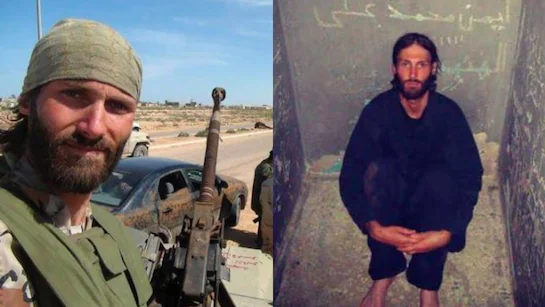
The case has been presented before a court in Delhi, where the accused were produced following their arrests. Investigators sought extended custody to examine the details of the alleged operation, including travel routes, communication networks, and potential collaborators. The court granted custody for further investigation, allowing authorities to analyze seized electronic devices and conduct additional inquiries across multiple locations.
The involvement of drone technology adds a significant dimension to the case. Drone warfare has become an increasingly prominent feature of modern conflicts, offering both strategic advantages and new challenges. The ability to train non-state actors in such technology raises concerns about the proliferation of advanced combat capabilities beyond conventional military forces. In regions already marked by instability, such developments can alter the balance of power and complicate efforts to maintain peace and security.
Security Implications and Ongoing Investigation
The broader implications of this case extend beyond the individuals directly involved. Indian authorities have expressed concerns about the potential connections between the armed groups in Myanmar and organizations that are banned within India. These links suggest the possibility of cross-border collaboration that could impact internal security, particularly in sensitive northeastern regions where insurgent activities have historically been a challenge.
The investigation is also focused on determining whether there are local networks within India that may have facilitated the movement of individuals and equipment. Questions remain about how drones were transported, whether logistical support was provided domestically, and if there were any gaps in monitoring systems that allowed such activities to take place. The analysis of mobile phones and other seized materials is expected to play a key role in uncovering these details.
The geopolitical context adds another layer of complexity. Myanmar has been experiencing prolonged internal conflict, with various ethnic armed groups engaged in resistance against the ruling military establishment. Reports of foreign individuals, including mercenaries and former military personnel, entering the region to provide training have surfaced previously. The presence of such actors raises concerns about the internationalization of local conflicts and the potential for escalation.
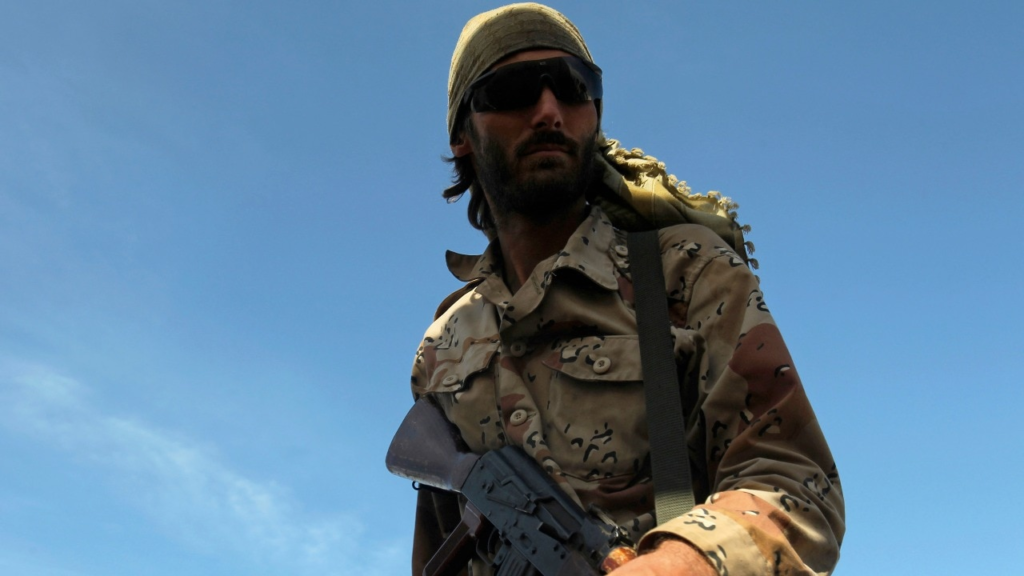
From a legal standpoint, the case highlights the challenges of addressing activities that occur across multiple jurisdictions. The use of tourist visas for purposes unrelated to tourism, illegal border crossings, and the provision of military training to non-state actors all fall within areas of concern for law enforcement agencies. Coordinating investigations that span different countries requires cooperation and information-sharing, making such cases particularly complex.
For India, the situation underscores the importance of vigilance in border regions and the need to monitor the movement of foreign nationals more closely. The northeastern states, due to their proximity to international borders and diverse terrain, have often been sensitive areas from a security perspective. Ensuring that these regions are not used as transit points for activities that could undermine national stability remains a priority for authorities.
At the same time, the case raises broader questions about the role of private individuals and organizations in modern warfare. As conflicts evolve, the involvement of non-state actors, including those offering training and strategic support, has become more common. While some argue that such involvement can support legitimate causes, others warn of the risks associated with unregulated military assistance and the potential for unintended consequences.
The ongoing investigation into Matthew Aaron VanDyke and his alleged associates is likely to shed more light on these issues in the coming weeks. Authorities are expected to continue examining evidence, tracing connections, and assessing the full scope of the operation. The outcome of the case could have implications not only for those directly involved but also for how similar activities are addressed in the future.
As the situation develops, it remains a significant example of how global conflicts, emerging technologies, and cross-border movements intersect in ways that challenge traditional notions of security and governance.