

In a chilling case that has sparked outrage and renewed debates over U.S. immigration policies, Mena Mohsen Farez Nmn Awad, an Egyptian national who entered the country through the Diversity Visa Lottery program, stands accused of a brutal armed assault on a 16-year-old girl in Nashville, Tennessee. The incident, which unfolded on New Year’s Eve 2025, highlights the vulnerabilities in America’s immigration system and the devastating consequences for innocent victims.
Awad, who has been in the U.S. since 2017, now faces multiple serious charges, including aggravated rape with a weapon, aggravated assault with a deadly weapon, and aggravated burglary. As details emerge, this story serves as a stark reminder of the need for stringent vetting processes to protect communities from repeat offenders. With ICE issuing a detainer to prevent his release, the case underscores broader concerns about public safety and border security.
The Horrific New Year’s Eve Assault
The nightmare began in the early hours of December 31, 2025, in a quiet Nashville apartment. According to reports, the 16-year-old victim was asleep in her bed, sharing the space with her young nephew, when Mena Mohsen Farez Nmn Awad allegedly forced his way into the home. Armed with a handgun tucked into his waistband, he targeted the teenager in a violent attack that has left the community reeling. The victim awoke to the terrifying reality of an intruder looming over her, his intentions clear and menacing.
In a moment of sheer desperation and quick thinking, the girl managed to break free from her assailant’s grasp. She prioritized the safety of her nephew, securing the child while pleading with Awad to leave. She even promised not to report him if he fled the scene, a tactic that ultimately allowed her to escape further harm. Once the immediate danger passed, the traumatized teen reached out to her sister, who promptly contacted local authorities. This swift action set off a chain of events leading to Awad’s apprehension.
Law enforcement’s response was thorough. A search warrant was executed, and investigators pieced together evidence from the crime scene. Awad, however, had already fled Tennessee. It wasn’t until January 16, 2026, that he was located and arrested in Louisville, Kentucky. Extradited back to Tennessee the following week, he was formally charged with the aforementioned crimes. The presence of a firearm during the assault elevated the charges to aggravated levels, reflecting the severity of the threat posed to the victim.
Read : 33-Year-Old DoorDash Driver David Valentine Jr. Killed After Gunfire Erupts Near Nashville Nightclub
This assault is not just a isolated incident but a profound violation that has shattered the sense of security for the victim and her family. The psychological trauma inflicted on a minor, especially in the sanctity of her own home, is immeasurable. Community leaders in Nashville have expressed solidarity with the victim, calling for justice and enhanced protections against such predators. The fact that the attack occurred on a night meant for celebration—New Year’s Eve—adds an extra layer of tragedy, turning what should have been a joyful transition into the new year into a lifelong scar.
Read : Bridging Cultures: 20 Uncommon Habits that Distinguish Asians from Westerners
As the legal proceedings unfold, details from the victim’s account paint a picture of calculated aggression. Awad’s alleged break-in suggests premeditation, raising questions about how he selected his target. The handgun, while not discharged, served as a tool of intimidation, ensuring compliance through fear. This element alone classifies the crime as particularly heinous under Tennessee law, where weapons in sexual assaults carry heavy penalties. Prosecutors are likely to emphasize these factors in court, aiming for a conviction that reflects the gravity of the offense.
Awad’s Immigration Background and Criminal Record
Mena Mohsen Farez Nmn Awad’s journey to the United States began in 2017 when he was admitted through the Diversity Visa Lottery program, also known as the Green Card Lottery. This initiative, designed to promote diversity in immigration by granting visas to individuals from countries with low rates of immigration to the U.S., has come under fire in light of this case. Awad, an Egyptian national, benefited from this random selection process, which critics argue lacks sufficient background checks and vetting.
Since his arrival, Awad has amassed a troubling criminal history that predates the Nashville assault. Records indicate multiple charges, including domestic violence, intimidation, unlawful possession of a weapon, violation of a court order, and vehicle theft. These offenses paint a portrait of a repeat offender whose behavior escalated over time, culminating in the violent attack on the teenager. Despite these red flags, Awad remained in the country, free to roam and potentially endanger others.
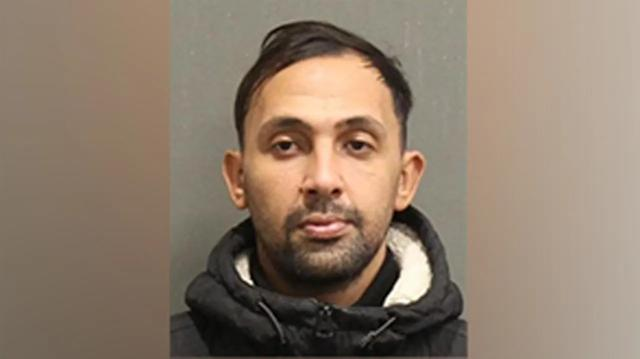
The Department of Homeland Security (DHS) confirmed Awad’s status as a Diversity Visa recipient, noting that he was legally admitted but failed to uphold the responsibilities that come with such privileges. Immigration and Customs Enforcement (ICE) has since initiated removal proceedings against him, signaling an intent to deport him upon resolution of his criminal case. The detainer lodged by ICE ensures that, even if local authorities consider release on bail, Awad will be transferred to federal custody to prevent him from re-entering U.S. communities.
This pattern of criminality raises critical questions about the efficacy of post-admission monitoring for visa recipients. While the Diversity Visa program requires applicants to meet basic eligibility criteria, such as education or work experience, it does not include ongoing surveillance for criminal activities. Awad’s case exemplifies how gaps in the system can allow dangerous individuals to slip through and build a record of offenses without immediate immigration consequences.
Advocates for immigration reform point to Awad’s history as evidence of the need for more robust integration and accountability measures. His repeated brushes with the law—spanning domestic disputes to weapons violations—suggest a disregard for U.S. norms and laws. Yet, until the New Year’s Eve incident, these infractions did not trigger deportation, allowing him to continue posing a risk. Now, with ICE’s involvement, the focus shifts to ensuring that justice is served both criminally and through removal from the country.
Broader Implications for U.S. Immigration Policy
The case of Mena Mohsen Farez Nmn Awad has ignited fierce discussions on U.S. immigration policies, particularly the Diversity Visa Lottery program. Assistant Secretary Tricia McLaughlin minced no words in her condemnation, stating, “Horrendous immigration policies allowed this monster into our country and made victims of children and families.” She further criticized the program directly: “This child rapist was allowed into our country by the Diversity Lottery program. Secretary Noem paused the diversity lottery to ensure no more Americans are harmed by this disastrous program. ICE lodged an arrest detainer to ensure he is not released onto our streets to victimise more children.”
Read : 9-1-1: Nashville Actress Isabelle Tate Dies at 23 from Rare Form of Charcot-Marie-Tooth Disease
McLaughlin’s statements reflect a growing sentiment among policymakers who view the lottery as a flawed mechanism that prioritizes randomness over security. Established in 1990, the program allocates up to 50,000 visas annually to promote cultural diversity. However, detractors argue it invites applicants from high-risk regions without adequate scrutiny, potentially admitting individuals with criminal inclinations or ties to unstable areas.
In response to cases like Awad’s, there have been calls for reform or outright suspension of the program. Secretary Noem’s decision to pause it underscores a proactive stance to prevent future tragedies. Proponents of the pause contend that it allows time for enhanced vetting protocols, including deeper background checks and biometric data integration, to be implemented.
On the other side, supporters of the Diversity Visa argue that isolated incidents should not overshadow the program’s benefits, which have enabled millions to pursue the American Dream. They emphasize that the vast majority of recipients integrate successfully and contribute positively to society. Nonetheless, Awad’s egregious actions fuel the narrative that even one failure is too many, especially when it results in harm to vulnerable populations like children.
The ICE detainer in this case exemplifies the federal government’s commitment to public safety. By prioritizing deportation for criminal aliens, ICE aims to deter similar offenses and protect communities. Awad’s removal proceedings will run parallel to his criminal trial, ensuring that, regardless of the outcome, he faces consequences on multiple fronts.
This incident also highlights the intersection of immigration and criminal justice systems. Local law enforcement in Nashville and Louisville collaborated seamlessly with federal agencies, demonstrating the importance of inter-agency coordination. As the case progresses, it may influence legislative changes, potentially leading to stricter criteria for visa programs and mandatory reporting of criminal activities by immigrants.
In conclusion, the assault on the 16-year-old girl in Nashville is a tragic event that exposes flaws in the immigration framework. While Awad awaits trial, the broader conversation must focus on balancing diversity with security to prevent such horrors. The victim’s bravery in escaping and reporting the crime deserves recognition, and society owes it to her and others to demand accountability from those who exploit systemic weaknesses. As we reflect on this case, it’s clear that protecting the innocent must remain paramount in shaping America’s immigration future.
I visited a lot of website but I believe this one holds something special in it in it