
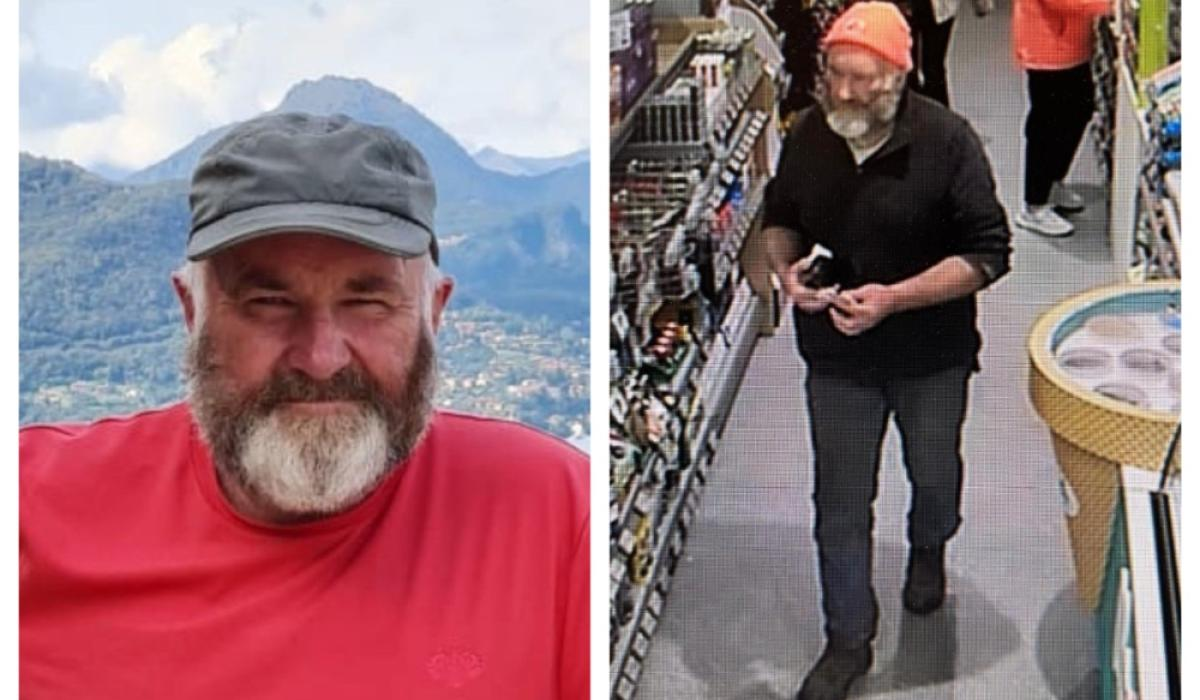
The investigation into the killing of Kerry farmer Michael Gaine has entered a significant new phase following the re-arrest of American national Michael Kelley. Gardaí detained the 53-year-old man early this morning at approximately 7.30am under a warrant obtained to question him in connection with the murder. He is currently being held at a garda station in Kerry and can be questioned for up to 24 hours under Section 4 of the Criminal Justice Act, 1984. The development marks a renewed focus in a case that has deeply affected the local community and drawn national attention due to its disturbing details and prolonged investigative efforts.
Mr Kelley had previously been arrested on May 18 last year in relation to the same investigation. On that occasion, he was questioned for a full 24 hours before being released without charge. He later publicly identified himself as the individual questioned by gardaí and has consistently denied any knowledge of the circumstances surrounding Mr Gaine’s death. His re-arrest suggests investigators have gathered additional information or evidence that has prompted further questioning as they continue to build their case.
Michael Gaine, aged 56, disappeared from his farm on March 20 and was reported missing the following day. What began as a missing person inquiry soon evolved into a homicide investigation as gardaí uncovered evidence that indicated foul play. The case shocked the rural community near Kenmare, approximately 6 kilometres from where Mr Gaine’s remains were later discovered.
Timeline of Disappearance and Discovery
The sequence of events surrounding Michael Gaine’s disappearance has been central to the investigation. On March 20, Mr Gaine was last seen at his farm. When he failed to make contact with family or acquaintances, concern quickly mounted, and he was officially reported missing on March 21. Gardaí initiated search operations in and around the farm and surrounding countryside, examining sheds, outbuildings, and agricultural facilities as part of their efforts to trace his whereabouts.
For weeks, the search continued without resolution, intensifying anxiety within the community. Nearly two months later, investigators made a grim discovery: Mr Gaine’s body parts were located in a slurry tank on his farm. The finding dramatically escalated the case from a missing persons inquiry to a confirmed murder investigation. The location of the remains on the property itself raised complex questions about the events that transpired between Mr Gaine’s disappearance and the discovery of his body.
According to investigators, gardaí believe Mr Gaine was murdered in a cattle shed on the farm. It is further suspected that his body was dismembered before being placed in the slurry tank in an apparent attempt to conceal the crime. The methodical nature of the alleged actions has underscored the seriousness of the investigation and the painstaking forensic work required to piece together what happened.
The discovery of remains in agricultural infrastructure such as a slurry tank presented significant technical and logistical challenges for forensic teams. Slurry tanks are designed for the storage of animal waste and can be hazardous environments due to toxic gases and difficult access conditions. Recovery operations in such settings demand specialist equipment and expertise, adding further complexity to an already sensitive investigation.
Michael Kelley’s Connection to the Farm
Michael Kelley, a former soldier originally from Maine in the United States, had been living on Mr Gaine’s farm in the old farmhouse. His presence on the property at the time of Mr Gaine’s disappearance has been a focal point in the investigation. While his residency alone does not establish culpability, it naturally placed him within the scope of garda inquiries as detectives worked to determine who had access to the farm and its facilities during the relevant period.
Read : Who is Brian Fransen, Coleharbor Farmer Set to Appear in Budweiser’s 2026 Super Bowl Ad?
Mr Kelley has publicly acknowledged that he was the man previously arrested in connection with the case. After his initial release without charge, he denied any involvement in or knowledge of the murder. The re-arrest suggests that investigators believe there are further matters requiring clarification or that new evidence has emerged since his first detention.
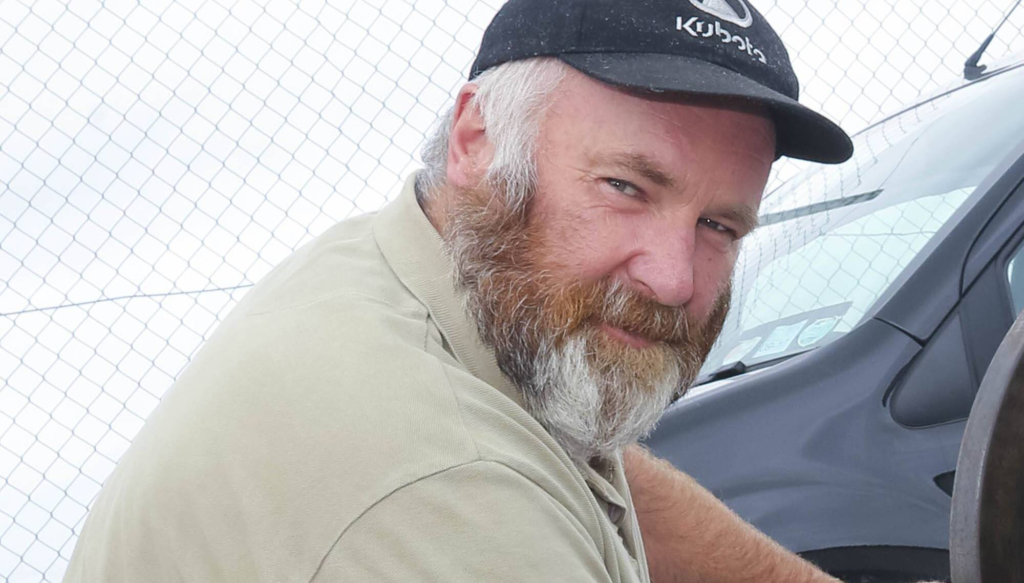
Under Section 4 of the Criminal Justice Act, 1984, gardaí may detain a suspect for questioning for up to 24 hours in relation to serious offences. This period allows investigators to conduct structured interviews, confront the detainee with evidence, and explore inconsistencies or new lines of inquiry. The use of this provision reflects the gravity of the allegations under investigation.
The renewed detention does not equate to a charge or a finding of guilt. Rather, it forms part of the investigative process as gardaí seek to establish a complete and coherent account of the events surrounding Mr Gaine’s death. Legal safeguards apply during detention, including access to legal representation and oversight of interview procedures.
The fact that a warrant was specifically obtained to arrest and question Mr Kelley indicates that investigators presented grounds to justify the action. Such warrants are typically based on accumulated evidence or developments deemed sufficient to support renewed detention.
Ongoing Investigation and Garda Efforts
The investigation is being led by the Serious Crime Unit in the Kerry Division, with support from the Garda National Bureau of Criminal Investigation (GNBCI). The involvement of the GNBCI underscores the complexity and seriousness of the case. This specialist unit is frequently deployed in major investigations involving homicide, organized crime, or cases requiring advanced forensic coordination.
Gardaí have previously stated that a man in his 50s was arrested in connection with the investigation on Tuesday morning, a reference to Mr Kelley’s detention. The coordination between local and national units suggests a comprehensive investigative approach, combining local knowledge with national-level expertise in serious crime analysis and evidence gathering.
Read : Brittany Farmer Sentenced to 45 Years in Prison for Death of 3-Year-Old Boy
Family liaison officers continue to work closely with Mr Gaine’s family, providing updates and support as the investigation progresses. Such liaison roles are a critical component of major investigations, ensuring that families are kept informed while maintaining the integrity of the inquiry. The impact of a violent death on relatives is profound, and ongoing communication helps manage expectations and address concerns.
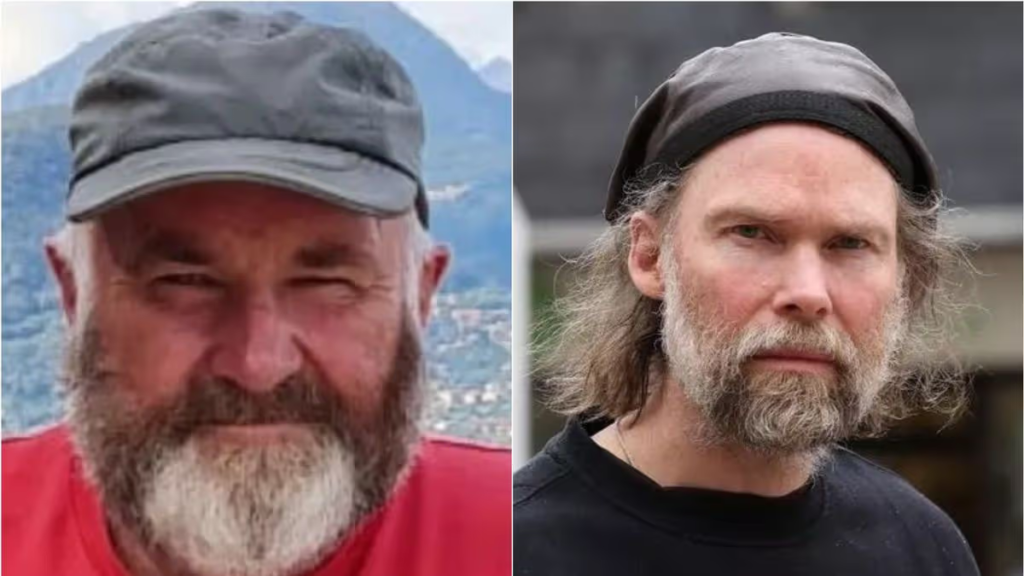
The rural setting of the crime has also shaped the investigative landscape. Farms often encompass large areas of land with multiple buildings, machinery, and storage facilities. Establishing precise timelines, identifying who had access to various areas, and securing physical evidence across such environments can be particularly challenging. Forensic examinations may involve soil analysis, examination of tools and equipment, and reconstruction of movement patterns within sheds and yards.
Community reaction to the case has been one of shock and sorrow. Rural communities tend to be tightly knit, and violent crimes in such settings can deeply unsettle residents. The discovery that Mr Gaine’s remains were located on his own property added a further layer of distress to those who knew him personally or lived nearby.
As Mr Kelley remains in custody, investigators are likely focusing on clarifying inconsistencies, examining forensic findings, and correlating witness statements with physical evidence. The detention period is time-limited, placing pressure on investigators to conduct focused and effective questioning.
At this stage, no charges have been announced in connection with the re-arrest. The outcome of the detention will determine the next steps, whether that involves formal charges, further investigative actions, or release pending additional inquiries. The presumption of innocence remains a cornerstone of the legal process, and all proceedings will unfold within that framework.
The murder of Michael Gaine has become one of the most closely followed criminal investigations in Kerry in recent years. The renewed arrest of Michael Kelley represents a pivotal development in the case, signalling that gardaí believe further examination is necessary as they work to bring clarity and accountability to a crime that has left a lasting impact on a family and a community.