
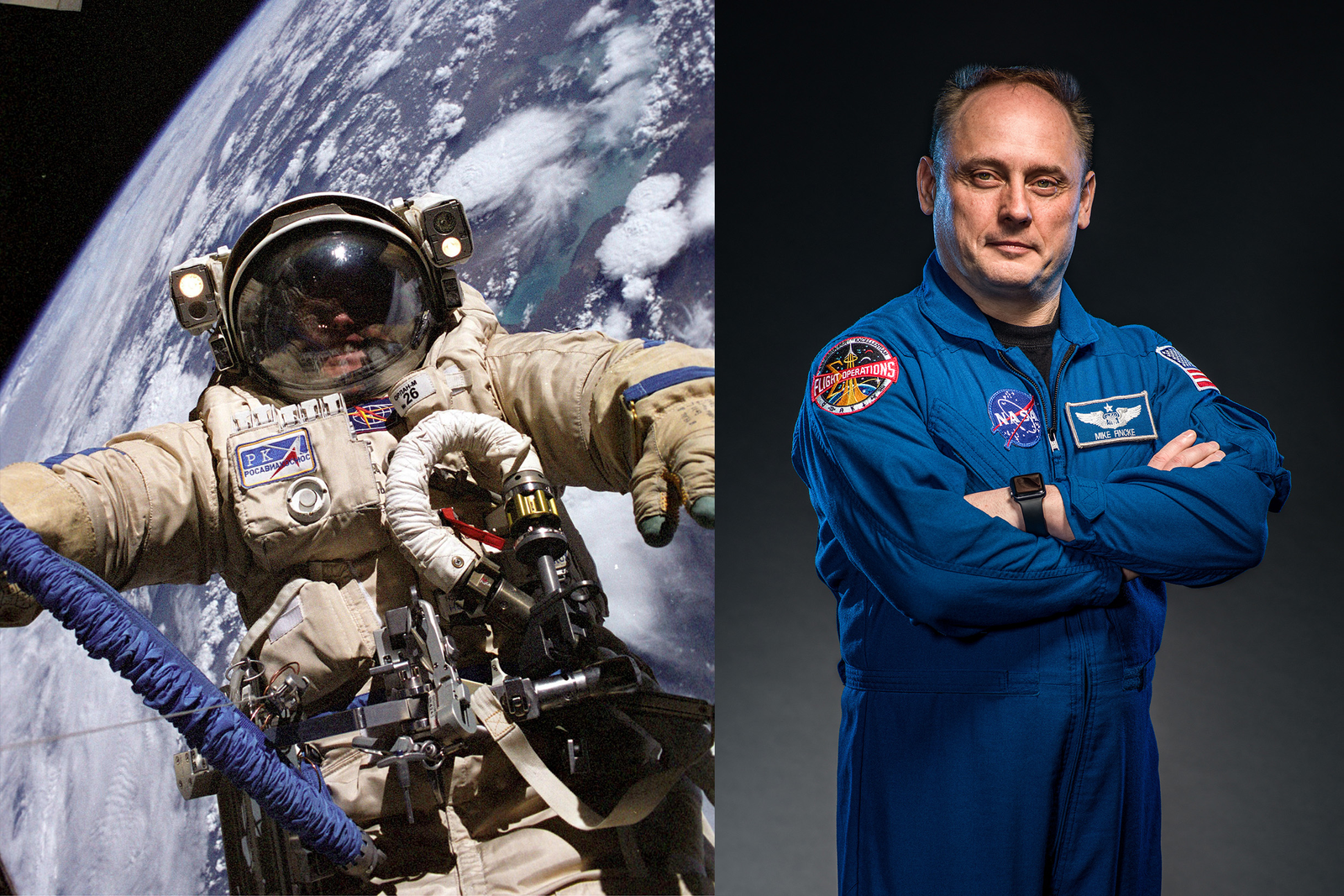
Mike Fincke is one of NASA’s most experienced astronauts, a veteran spaceflight professional whose decades-long career has been defined by technical expertise, operational leadership, and extended missions aboard the International Space Station. In early January, however, his name drew widespread attention for an entirely different reason. Fincke publicly identified himself as the astronaut whose unexpected medical condition prompted NASA’s first-ever medical evacuation from the orbiting laboratory.
While the space agency emphasized that the return was not an emergency, the event marked a rare and historic moment in human spaceflight operations. Fincke’s calm response, gratitude toward his colleagues, and continued recovery have underscored both the human vulnerability inherent in space exploration and the strength of the systems designed to safeguard astronauts far from Earth.
A Distinguished Career in Human Spaceflight
Selected as a NASA astronaut in 1996, Mike Fincke brought with him a strong background in military aviation and engineering. A retired Air Force colonel, he had already accumulated extensive flight experience before entering the astronaut corps. His technical training and leadership skills made him well-suited for long-duration missions, and over the course of his career he would become one of the agency’s most seasoned spacefarers.
Fincke has logged 549 days in space across four missions, placing him among the more experienced astronauts of his generation. His flights have included extended stays aboard the International Space Station, where he participated in scientific research, station maintenance, and spacewalk operations. These missions demanded not only technical proficiency but also psychological resilience and teamwork in a confined and high-stakes environment.
Over the years, Fincke has contributed to the advancement of human spaceflight during a transformative era. His missions spanned periods of construction and expansion of the space station, as well as evolving partnerships between NASA and commercial providers. Known for his professionalism and methodical approach, he built a reputation as a steady presence during complex orbital operations.
This is a developing situation.
— Ellie in Space 🚀💫 (@Ellieinspace) January 8, 2026
NASA is considering a rare early return of Crew-11 after canceling a planned ISS spacewalk due to an unspecified medical issue with one astronaut.
The crew member is stable, but the EVA — slated for Zena Cardman and Mike Fincke — was scrubbed.… pic.twitter.com/zCMNvWwwc5
By the time of his most recent mission, Fincke was widely regarded as a spaceflight veteran whose experience was invaluable to younger crew members. His leadership role aboard the station reflected both his time in service and the confidence NASA placed in his judgment. That background made the January medical event all the more significant, as it involved not a novice astronaut facing unexpected difficulty, but a seasoned professional who had already spent well over a year and a half cumulatively in space.
The Medical Event That Led to a Historic Evacuation
On January 7, while aboard the International Space Station, Fincke experienced what he later described as a “medical event that required immediate attention.” He did not disclose the nature of the condition, and NASA has not released specific medical details. However, he explained that his crewmates responded quickly and effectively, working in coordination with NASA flight surgeons on the ground.
According to Fincke, his condition stabilized rapidly thanks to the prompt intervention of his fellow astronauts and guidance from medical professionals in mission control. This response reflects the extensive medical training astronauts receive before flight. Crew members are prepared to handle a wide range of health issues, from minor injuries to more serious conditions, using equipment available on the station and under the remote supervision of doctors on Earth.
Read : 71-Year-Old Texas Woman Dies from Brain-Eating Amoeba After Using Tap Water for Nasal Rinse
Despite the stabilization, NASA determined after further evaluation that the safest course of action was an early return to Earth for Fincke and his fellow crew members. The decision was not classified as an emergency evacuation but rather as a carefully coordinated plan designed to provide access to advanced medical imaging and diagnostic tools not available in orbit. The International Space Station is equipped with certain medical capabilities, but it does not carry the full range of diagnostic technology found in major hospitals on Earth.
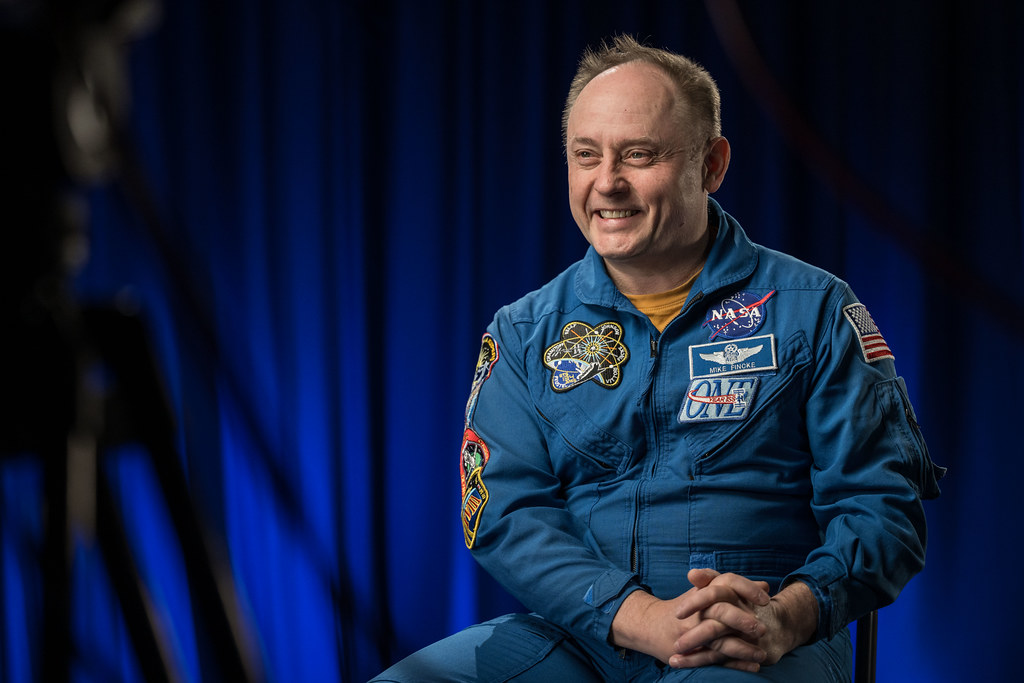
The early return took place on January 15, approximately a week after the medical event. Fincke and his crew splashed down off the coast of San Diego after completing five and a half months in space. The mission, originally intended to last longer, ended earlier than planned in order to ensure Fincke could undergo thorough evaluation and treatment if necessary.
The medical situation also resulted in the cancellation of a planned spacewalk involving Fincke and another NASA astronaut. Spacewalks are among the most physically demanding activities in human spaceflight, requiring peak health and stamina. In light of the medical event, proceeding with the extravehicular activity would have posed unacceptable risk.
The evacuation marked the first time NASA had executed a medical evacuation from the International Space Station. While astronauts have returned early for various reasons in the past, this case was specifically characterized as a medical-driven return. The event highlighted the importance of contingency planning and the coordination between NASA, commercial spacecraft providers, and ground-based medical teams.
Recovery, Gratitude, and the Human Side of Exploration
Following the splashdown, Fincke was transported for further medical evaluation and care. He expressed deep gratitude to the medical professionals at Scripps Memorial Hospital La Jolla near San Diego, who were part of the post-landing support network. In addition, he thanked his fellow crew members—Zena Cardman, Kimiya Yui, Oleg Platonov, Chris Williams, Sergey Kud-Sverchkov, and Sergei Mikayev—as well as the broader NASA team and SpaceX personnel involved in the mission.
His public statement reflected both humility and perspective. “Spaceflight is an incredible privilege, and sometimes it reminds us just how human we are,” he wrote. The comment captured the dual nature of space exploration: while astronauts operate cutting-edge technology in one of the most extreme environments imaginable, they remain subject to the same biological realities as anyone on Earth.
Read : 26-year-old PhD Student Daniela Lucas Declines Offer for an Internship in NASA
Fincke reported that he is doing very well and continues to undergo standard post-flight reconditioning at NASA’s Johnson Space Center in Houston. Post-flight rehabilitation is routine for astronauts after extended missions. The human body undergoes significant changes in microgravity, including muscle atrophy, bone density loss, fluid redistribution, and cardiovascular adjustments. Even without a medical event, astronauts must participate in carefully structured reconditioning programs to restore strength and balance.
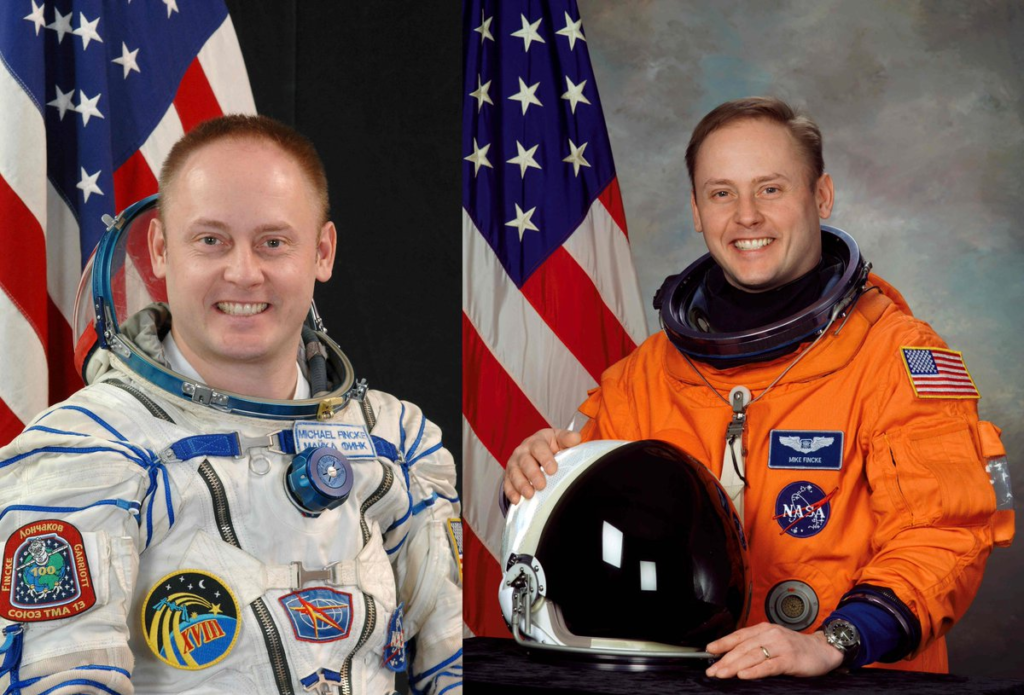
The January incident also serves as a reminder of the medical challenges inherent in long-duration spaceflight. As space agencies plan for extended missions to the Moon and eventually Mars, medical autonomy and in-flight treatment capabilities become increasingly important. The International Space Station, orbiting relatively close to Earth, allows for return within hours. Future missions deeper into space will require even more robust onboard medical systems and training.
Fincke’s situation demonstrates the effectiveness of existing safety protocols. The rapid stabilization, coordinated decision-making, and orderly return suggest that NASA’s planning for medical contingencies functioned as intended. The absence of panic or emergency declarations further underscores the controlled nature of the response.
Throughout his career, Fincke has exemplified professionalism and dedication to exploration. The medical event, rather than diminishing his record, adds another dimension to his service. It reveals not only the risks astronauts accept but also the strength of the collaborative systems that support them. His openness about the experience, even without disclosing specific medical details, contributes to public understanding of the realities of life in space.
As he continues his recovery and post-flight conditioning, Fincke remains a prominent figure within the astronaut corps. With 549 days in space across four missions, he stands as one of the most experienced American astronauts of his era. The January evacuation may have been unprecedented in NASA’s history, but it also demonstrated the resilience of a program designed to protect those who venture beyond Earth’s atmosphere.
In acknowledging the efforts of his crewmates and medical teams, Fincke emphasized the collective nature of space exploration. Astronauts depend on one another in orbit and on thousands of professionals on the ground. His experience has become a case study in preparedness, teamwork, and the careful balance between ambition and safety that defines modern human spaceflight operations.