
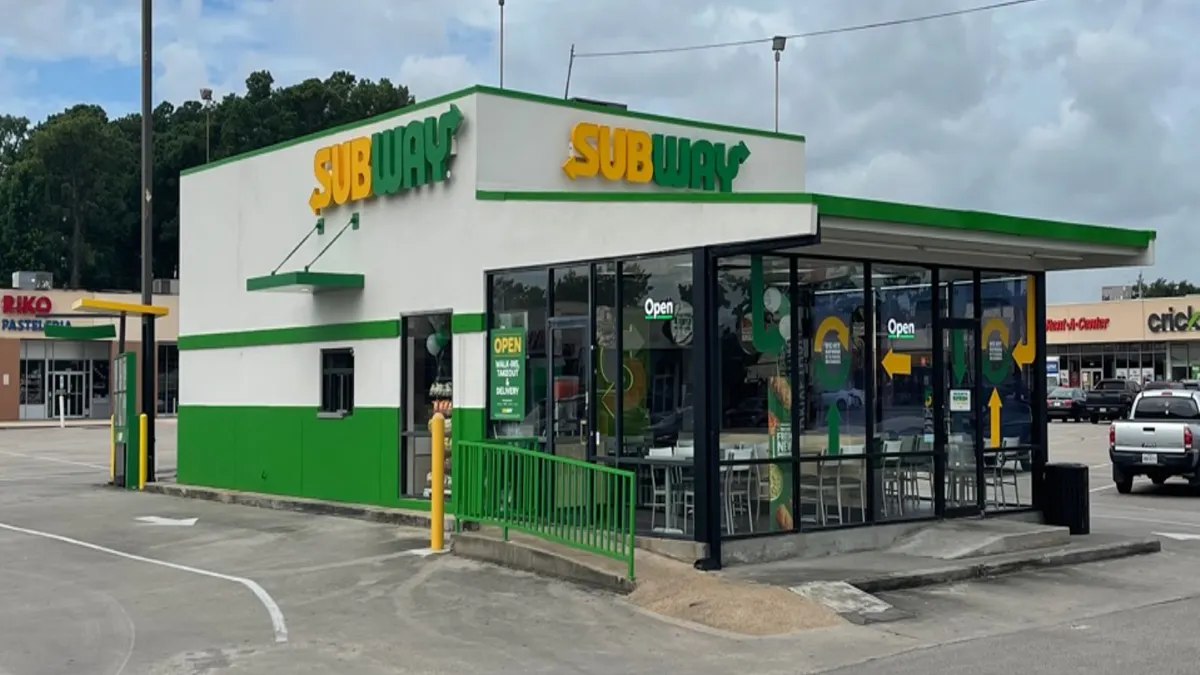
A company that operates numerous Subway sandwich franchises across the northeastern United States has entered Chapter 11 bankruptcy proceedings, highlighting the financial strain affecting some franchise operators in the fast-food industry. MTF Enterprises, which runs 15 Subway locations in Maine along with dozens of additional stores along the East Coast, filed for bankruptcy protection in federal court in Pennsylvania earlier this year.
The filing allows the company to reorganize its finances while continuing to operate its restaurants. For employees, customers, and local communities where these franchises operate, the move introduces uncertainty about the long-term future of the stores. At the same time, the company’s restructuring plan suggests an attempt to stabilize operations and maintain its presence across the region.
The company’s financial challenges have been building over time, according to court documents and reports about its debts and obligations. Issues ranging from high-interest financing arrangements to unpaid rent and taxes have placed significant pressure on the franchise operator. While the stores remain open for now, the bankruptcy filing underscores broader challenges facing franchise businesses that operate on thin margins while carrying significant debt.
Financial Pressures and Debt Obligations
MTF Enterprises’ bankruptcy filing provides a detailed look into the company’s financial situation. According to its initial filing in January, the company reported assets between $500,000 and $1 million, while its total liabilities ranged from $1 million to $10 million. Such a gap between assets and liabilities illustrates the scale of the financial pressure the company is facing.
A major portion of the company’s debt stems from merchant cash advance loans. These types of financing arrangements are often used by small businesses that need quick access to capital but may not qualify for traditional bank loans. However, they typically come with high interest rates and aggressive repayment schedules. Court filings indicate that MTF Enterprises owes approximately $1.4 million on two such merchant cash advance loans alone.
In addition to those obligations, the company has about $2.3 million in other outstanding loans. When combined with its merchant advance debt, the total amount owed rises significantly and contributes to the company’s overall liabilities listed in the bankruptcy filing. The company also owes money to multiple creditors across several states. One of the larger debts includes $243,309 owed to Maine Revenue Services, the state agency responsible for tax administration. Another significant creditor is Sysco, a Texas-based food distribution company that supplies products to restaurants.
MTF Enterprises reportedly owes Sysco $157,146 for goods and services. Beyond these major creditors, the company owes smaller amounts to at least 18 additional creditors located in multiple states. These debts include unpaid vendor bills, service payments, and other operational expenses that accumulated over time.
Read : Hronis, Inc. Files for Chapter 11 Bankruptcy
Another layer of financial pressure involves unpaid rent at several locations in Maine. According to a separate lawsuit filed within the bankruptcy case, MTF Enterprises owes thousands of dollars in back rent across more than a dozen stores. Since franchise locations often operate in leased commercial spaces, rent obligations can become a major challenge when sales decline or cash flow becomes tight.
Read : I Work from the Moment I Wake Up Till I Go to Bed: Nvidia CEO Huang
The combination of high-interest financing, operational costs, and unpaid rent has created a complicated financial situation for the company. Filing for Chapter 11 allows MTF Enterprises to attempt to restructure these debts while continuing to operate its restaurants.
Operational Challenges Across Maine Locations
MTF Enterprises operates its Subway restaurants in leased spaces across numerous towns in Maine, stretching from Portland on the southern coast to Calais near the Canadian border. This wide geographic footprint means the company manages multiple leases, employees, and supply chains simultaneously, all of which can become more difficult to maintain when financial difficulties arise.
Several of the company’s Maine locations faced operational disruptions late last year. In December, Maine Revenue Services temporarily revoked the business registration certificates for at least seven of the franchise locations. As a result, those stores were forced to close for several days. The closures were not permanent, and the stores eventually reopened once the registration issues were resolved. However, the incident drew attention to the company’s regulatory and financial difficulties. Losing business registration certification, even temporarily, can interrupt daily operations and lead to lost revenue.
Despite those setbacks, the company has continued operating its stores throughout Maine. The restaurants are located in a variety of communities, including Blue Hill, Boothbay, Brunswick, Calais, Hampden, Machias, Old Town, Portland, Richmond, Standish, Topsham, Westbrook, and Wiscasset. Many of these locations serve as convenient dining options for local residents and travelers.
Court filings related to the bankruptcy case indicate that MTF Enterprises owes rent at each of these locations. Because the company operates as a subtenant under lease agreements connected to Subway corporate entities, rent payments flow through a layered leasing structure. When payments fall behind, landlords may take legal action or pursue repayment through bankruptcy proceedings.
Two Maine locations—Bucksport and Lisbon Falls—were not included in the lawsuit over unpaid rent. This suggests those stores may not currently have outstanding rent disputes tied to the bankruptcy case. Operating dozens of restaurant locations simultaneously can create logistical complexity. Franchise owners must manage payroll, rent, supply deliveries, taxes, and maintenance across multiple sites. If revenue at some stores declines, the financial strain can quickly spread across the entire network of locations.
For customers in Maine communities, the immediate impact of the bankruptcy filing remains unclear. Many of the stores continue operating normally, and Chapter 11 bankruptcy allows businesses to remain open while reorganizing their finances. However, if the company is unable to successfully restructure its debt, some locations could eventually face closure or transfer to new operators.
Reorganization Plans and the Future of the Franchise Network
The purpose of Chapter 11 bankruptcy is not necessarily to shut down a company, but to give it an opportunity to reorganize and stabilize its finances. MTF Enterprises has indicated in court filings that it intends to continue operating its restaurants as part of a restructuring plan. According to those filings, the company’s plan to emerge from bankruptcy depends heavily on its ability to maintain operations at its 43 Subway franchise locations along the East Coast. Keeping the stores open would allow the company to generate revenue while negotiating repayment terms with creditors.
Read : BJ’s Restaurant & Brewhouse Files Chapter 11 Bankruptcy
If the reorganization plan succeeds, MTF Enterprises could potentially restructure its loans, extend repayment timelines, or negotiate settlements with some creditors. Such arrangements are common in Chapter 11 cases and are designed to help businesses regain financial stability while preserving jobs and services. However, the company’s future also depends on broader trends affecting the restaurant industry and the Subway franchise system. Across the United States, more than 1,600 Subway locations have closed since 2022.
These closures reflect changing consumer habits, increased competition, and financial pressures on franchise operators. Subway remains one of the largest fast-food chains in the world, but the brand has faced challenges in recent years as it adjusts its business model and franchise structure. Some franchisees have reported rising costs for ingredients, labor, and rent while dealing with fluctuating sales. For franchise operators like MTF Enterprises, maintaining profitability can be difficult when expenses increase faster than revenue.
High-interest financing arrangements can further complicate the situation by adding large repayment obligations on top of regular operating costs. The outcome of the bankruptcy proceedings will likely determine whether MTF Enterprises can continue operating its network of restaurants or whether some locations may change ownership. In many Chapter 11 cases involving franchise businesses, stores may eventually be sold to new franchise operators if the original owner cannot maintain them.
For employees working at the company’s restaurants, the restructuring process may bring uncertainty but also the possibility of stability if the business successfully reorganizes. Keeping stores open during bankruptcy proceedings allows workers to continue their jobs while the company negotiates with creditors. Local communities in Maine may also be watching the situation closely. Many of the franchise locations serve as convenient dining spots for residents, travelers, and workers looking for quick meals. The presence of these restaurants contributes to local commercial activity and employment.
As the bankruptcy case moves forward in federal court, creditors, landlords, and the company itself will negotiate terms that could shape the future of the franchise network. Whether through restructuring, debt settlements, or potential sales of certain locations, the process will determine how MTF Enterprises moves beyond its current financial difficulties.
The coming months will likely provide greater clarity on the company’s reorganization strategy and the long-term outlook for its Subway franchises in Maine and along the East Coast. For now, the Chapter 11 filing represents an effort by the company to stabilize its finances while continuing to serve customers and maintain operations across its network of restaurants.
**heroup**
HeroUP is a premium mens wellness formula designed to support sustained energy, physical stamina, and everyday confidence.