
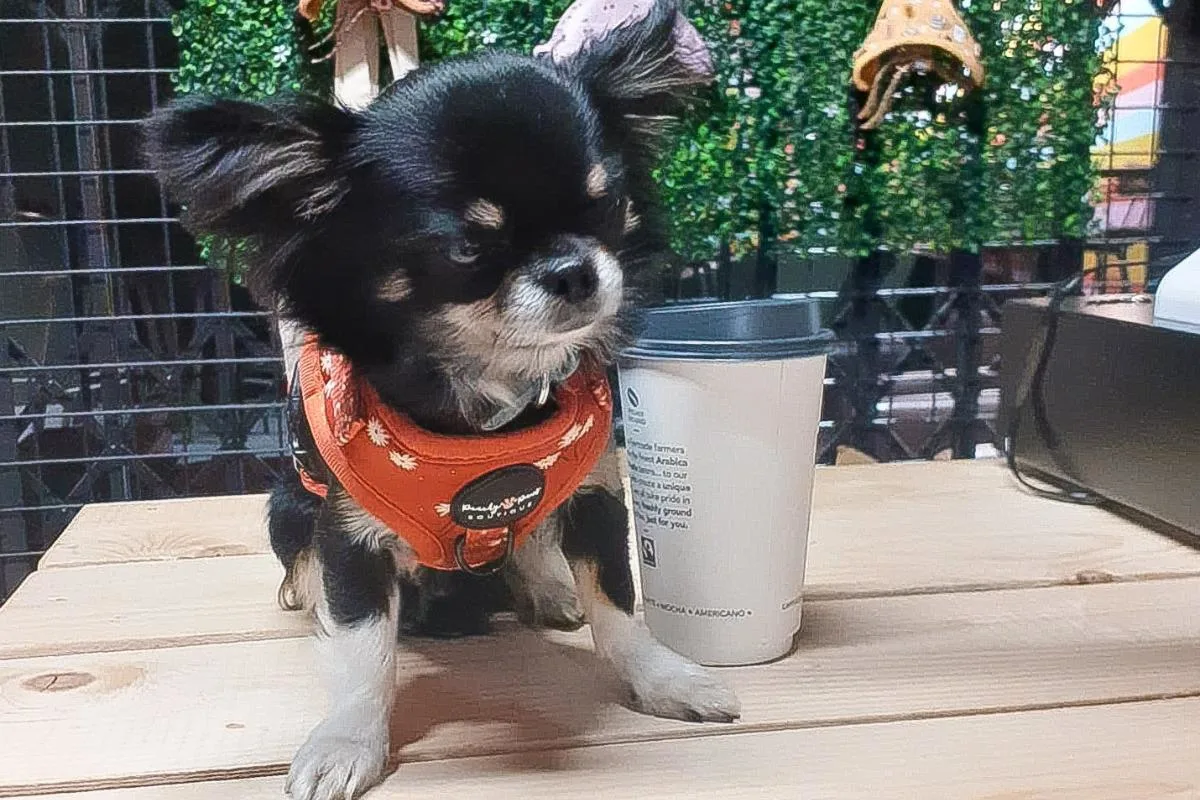
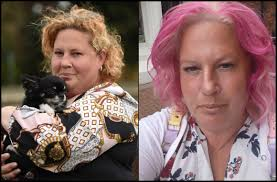
The story of a dog owner once celebrated for claiming to have Britain’s smallest dog has taken a troubling and deeply unsettling turn. What initially appeared to be a lighthearted moment of national curiosity has since unraveled into a serious case of animal neglect and illegal breeding practices. The sentencing of Gemma Blackman has drawn attention not only because of her previous media presence but also due to the disturbing nature of the offences uncovered during the investigation.
Authorities revealed a pattern of behavior that exposed multiple animals to suffering, raising broader concerns about unethical breeding and the responsibilities that come with pet ownership. The case began with a complaint from a puppy buyer, a seemingly small incident that ultimately triggered a wider investigation into Blackman’s activities.
Over time, investigators uncovered evidence that painted a starkly different picture from the one previously presented in the media. Rather than a proud owner of a unique pet, Blackman was found to have been running an unlicensed breeding operation that prioritized profit over the health and welfare of animals. The details that emerged highlight the dangers of unregulated breeding and the consequences when animal care standards are ignored.
Uncovering the Illegal Breeding Operation
The investigation revealed that Gemma Blackman had been breeding dogs illegally for approximately three years. During this period, she used her chihuahua, Olaf, as a stud dog, repeatedly breeding him to generate income. Authorities estimated that she earned around £12,000 from these activities, all while operating without the required licence. This lack of oversight meant that essential welfare standards were not being met, leaving the animals vulnerable to neglect and poor living conditions.
More concerning was the discovery that some of the dogs involved in the breeding program had genetic conditions. Responsible breeding practices strictly prohibit the use of animals with known hereditary health issues, as these conditions can be passed on to offspring, leading to long-term suffering. In this case, however, such precautions were ignored. The investigation found clear evidence that dogs with genetic ailments were deliberately bred, increasing the likelihood of health complications in their puppies.
Licensed breeders are required to adhere to strict guidelines designed to protect animal welfare, including ensuring proper veterinary care, maintaining suitable living environments, and avoiding harmful breeding practices. By operating outside these regulations, Blackman not only violated the law but also created conditions in which animals were subjected to unnecessary risks. The absence of professional oversight allowed the situation to continue unchecked until a complaint brought it to the attention of authorities.
Read : 35-Year-Old Man Breaks Hardest Bone in the Human Body While Coughing
The role of Olaf, the chihuahua once highlighted in media coverage, adds a layer of irony to the case. Previously presented as a remarkable pet due to his small size, he became central to a breeding operation that ultimately contributed to the suffering of other animals. What was once a point of pride became part of the evidence used to demonstrate the extent of the illegal activities.
Evidence of Neglect and Animal Suffering
Beyond the issue of illegal breeding, investigators uncovered significant evidence of animal cruelty. One of the most serious findings was Blackman’s failure to seek veterinary care when it was clearly needed. Animals under her care were left without proper medical attention, even when they were suffering from illness or complications. This neglect resulted in avoidable pain and, in some cases, the death of the animals involved.
Read : ‘Life Below Zero’ Star Jessie Holmes Wins Back-to-Back Iditarod Trail Sled Dog Race
Veterinary care is a fundamental responsibility for any pet owner, and its absence in this case was particularly alarming. The investigation revealed that the lack of intervention was not an isolated incident but part of a broader pattern of neglect. Animals that required urgent treatment were not taken to a vet, leading to prolonged suffering that could have been prevented with timely action.
The consequences of such neglect extend beyond individual animals. When dogs are bred in poor conditions without proper health checks, the resulting puppies may inherit both physical and behavioral issues. These problems can affect their quality of life and place additional burdens on future owners, who may be unaware of the underlying issues at the time of purchase. This creates a cycle of harm that reaches far beyond the initial act of neglect.
Authorities described the case as demonstrating a consistent pattern of offending, indicating that the actions were not accidental or isolated. Instead, they reflected a sustained disregard for animal welfare. This pattern played a significant role in the court’s decision, as it highlighted the seriousness of the offences and the need for accountability.
The emotional impact of such cases should not be overlooked. Dogs are widely regarded as companions that bring comfort and joy to their owners. When they are subjected to neglect and exploitation, it not only harms the animals themselves but also undermines the trust that people place in breeders and pet sellers. The distress experienced by buyers who unknowingly purchase animals from such operations adds another dimension to the issue, emphasizing the need for greater awareness and regulation.
Legal Consequences and Broader Implications
Blackman admitted to charges of animal cruelty as well as breeding and selling dogs without a licence. The court sentenced her to a community order and imposed a two-year ban on breeding dogs. In addition to these restrictions, she was ordered to pay over £2,000 in costs and a victim surcharge. While the sentence reflects the seriousness of the offences, it also raises questions about the effectiveness of current penalties in deterring similar behavior.
Read : Disturbing! 5-Day-Old Baby Mauled to Death by Family Dog
The case serves as a reminder of the importance of enforcement when it comes to animal welfare laws. Regulations governing breeding are designed to protect animals from exactly the kind of conditions uncovered in this investigation. However, these protections are only effective when violations are identified and addressed promptly. The role of local authorities in responding to complaints and conducting thorough investigations is therefore crucial.

There is also a broader lesson for prospective pet owners. The demand for puppies can sometimes lead individuals to purchase animals without fully verifying the credibility of the breeder. This case underscores the importance of choosing licensed breeders or reputable rescue organizations. By doing so, buyers can help ensure that they are not inadvertently supporting unethical practices.
Education plays a key role in preventing similar cases in the future. Potential pet owners should be aware of the signs of irresponsible breeding, such as lack of proper documentation, poor living conditions, or reluctance to provide information about the animal’s health history. Increased awareness can reduce the market for illegally bred animals and encourage higher standards across the industry.
The involvement of media in the earlier stages of this story also highlights the contrast between public perception and reality. What was once presented as a unique and charming narrative ultimately concealed a far more troubling situation. This serves as a reminder that appearances can be misleading and that claims made for attention or recognition should be viewed with a degree of caution.
Ultimately, the sentencing of Gemma Blackman represents both accountability for past actions and a warning about the consequences of neglecting animal welfare. It brings attention to the responsibilities that come with breeding and owning animals, emphasizing that these responsibilities cannot be ignored without serious consequences.
Boostaro is a purpose-built wellness formula created for men who want to strengthen vitality, confidence, and everyday performance.
HeroUP is a premium mens wellness formula designed to support sustained energy, physical stamina, and everyday confidence.
ProDentim is a distinctive oral-care formula that pairs targeted probiotics with plant-based ingredients to encourage strong teeth, comfortable gums, and reliably fresh breath.
Mitolyn is a carefully developed, plant-based formula created to help support metabolic efficiency and encourage healthy, lasting weight management.
PurDentix is a revolutionary oral health supplement designed to support strong teeth and healthy gums. It tackles a wide range of dental concerns
Gluco6 is a natural, plant-based supplement designed to help maintain healthy blood sugar levels.
Arialief is a carefully developed dietary supplement designed to naturally support individuals dealing with sciatic nerve discomfort while promoting overall nerve wellness.
Maintaining prostate health is crucial for men’s overall wellness, especially as they grow older. Conditions like reduced urine flow, interrupted sleep
InsuLeaf is a high-quality, naturally formulated supplement created to help maintain balanced blood glucose, support metabolic health, and boost overall vitality.
NerveGenics is a naturally formulated nerve-health supplement created to promote nerve comfort, cellular energy support, antioxidant defense
ProstAfense is a premium, doctor-crafted supplement formulated to maintain optimal prostate function, enhance urinary performance, and support overall male wellness.
MounjaBoost is a next-generation, plant-based supplement created to support metabolic activity, encourage natural fat utilization
NerveCalm is a high-quality nutritional supplement crafted to promote nerve wellness, ease chronic discomfort, and boost everyday vitality.
Manergy is an advanced male vitality supplement created to help support healthy testosterone levels
Kerassentials is an entirely natural blend crafted with 4 potent core oils and enriched by 9 complementary oils and vital minerals.
The bodys natural process of skin cell renewal is essential for preserving a smooth, healthy, and youthful-looking complexion.
AquaSculpt is a high-quality metabolic support supplement created to help the body utilize fat more efficiently while maintaining steady, reliable energy levels throughout the day.
NativeGut is a precision-crafted nutritional blend designed to nurture your dog’s digestive tract.
Prostadine concerns can disrupt everyday rhythm with steady discomfort, fueling frustration and a constant hunt for dependable relief.
Prosta Peak is a high-quality prostate wellness supplement formulated with a comprehensive blend of 20+ natural ingredients and essential nutrients to support prostate health
Nitric Boost Ultra is a daily wellness formula designed to enhance vitality and help support all-around performance.
GL Pro is a natural dietary supplement formulated to help maintain steady, healthy blood sugar levels while easing persistent sugar cravings.
ViriFlow is a dietary supplement formulated to help maintain prostate, bladder, and male reproductive health. Its blend of plant-based ingredients is designed to support urinary comfort and overall wellness as men age.
Visium Pro is an advanced vision support formula created to help maintain eye health, sharpen visual performance, and provide daily support against modern challenges such as screen exposure and visual fatigue.
Backbiome is a naturally crafted, research-backed daily supplement formulated to gently relieve back tension and soothe sciatic discomfort.