
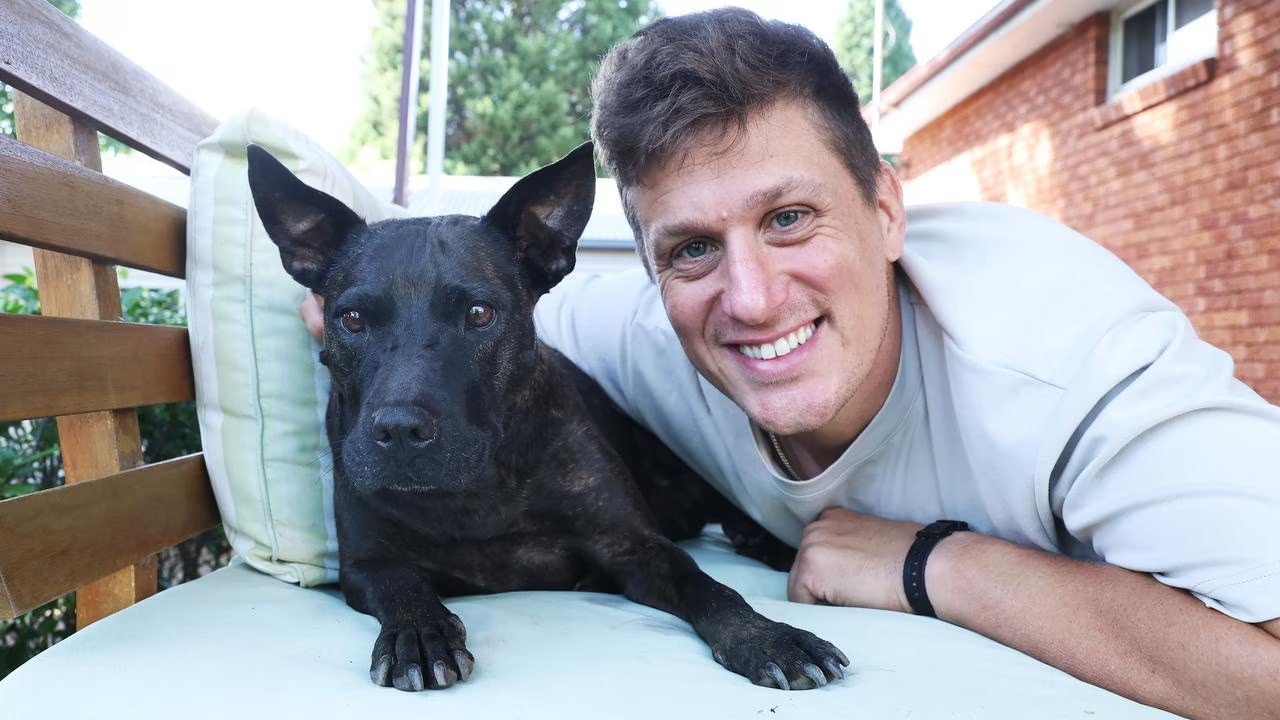
When a beloved pet is diagnosed with a life-threatening disease, most owners rely entirely on veterinarians and available treatments. For Australian technology entrepreneur Paul Conyngham, however, the diagnosis of his rescue dog Rosie with an aggressive mast cell tumour became the beginning of an extraordinary scientific journey. Instead of accepting the prognosis that his dog might have only months to live, Conyngham turned to tools more familiar to the technology world than to veterinary clinics: artificial intelligence, genomic data and advanced computational analysis.
Rosie had already undergone conventional treatments such as surgery and chemotherapy, but the disease continued to threaten her life. Faced with limited options, Paul Conyngham decided to investigate the problem himself. With no formal medical or biological training, he began exploring whether modern AI tools and genetic sequencing could reveal insights about Rosie’s cancer. What followed was an unusual collaboration between a determined dog owner, cutting-edge technology and professional researchers. The effort eventually led to the development of a personalised mRNA cancer vaccine designed specifically for Rosie’s tumour.
The story captured attention because it highlights a new era in medicine where accessible technologies such as AI and genome sequencing can allow individuals to participate in scientific discovery. Conyngham’s work did not replace doctors or scientists, but it demonstrated how powerful digital tools can accelerate research when combined with determination and expert collaboration.
From Tech Executive to Amateur Cancer Researcher
Paul Conyngham built his career in the technology sector, where problem-solving, data analysis and experimentation are part of daily work. Those same instincts shaped the way he approached Rosie’s illness. Rather than viewing the diagnosis as the end of the road, he saw it as a problem that might be explored through data and computational tools.
The first step in his experiment involved sequencing Rosie’s genetic material. Conyngham arranged for both the dog’s DNA and the DNA from the tumour to be analysed, a process that cost around $3,000. Genetic sequencing produced large datasets containing information about mutations inside the cancer cells. These mutations can alter proteins within the tumour, potentially creating targets for treatments that stimulate the immune system.
Once the genomic data was available, Conyngham began analysing it using artificial intelligence tools. AI systems capable of interpreting biological data can identify mutations, predict protein structures and suggest possible therapeutic strategies. By examining the genetic changes within Rosie’s tumour, he attempted to determine which abnormal proteins might trigger an immune response if used in a vaccine.
Despite having no background in biology, Conyngham used widely available AI platforms to explore the genetic information. The tools helped him examine mutated proteins and consider which might serve as suitable targets for treatment. This process involved searching through complex datasets and identifying candidate molecules that could potentially train the immune system to attack the cancer cells.
When Paul Conyngham approached researchers and veterinarians with his analysis, some were surprised by the level of work he had already completed. Although the scientific community ultimately provided the expertise required to transform the idea into a real treatment, the groundwork created by a determined pet owner helped accelerate the process.
Australian tech entrepreneur Paul Conyngham explains how he used ChatGPT/AlphaFold (spent $3,000 with no biology background) to create a custom MRNA vaccine to treat his dog’s cancer tumors. Unreal. https://t.co/Fue75JkdXo pic.twitter.com/WaO3JayYR1
— Trung Phan (@TrungTPhan) March 14, 2026
The experience illustrated how modern technology is lowering barriers to scientific exploration. Tasks that once required large laboratories can now begin with computational tools and accessible data platforms. While expert validation remains essential, the initial analysis that Conyngham performed demonstrated how individuals outside traditional research environments can contribute to medical problem-solving.
The Creation of a Personalised mRNA Cancer Vaccine
Designing a vaccine to treat cancer is a complex scientific challenge. Unlike vaccines that prevent infectious diseases, cancer vaccines aim to train the immune system to recognize and destroy tumour cells. The concept involves identifying molecules unique to a specific tumour and then stimulating an immune response against those targets. The mutations discovered in Rosie’s tumour created altered proteins that differed from normal cells in her body. These abnormal proteins, sometimes called neoantigens, can serve as markers that help the immune system identify cancer cells.
The goal of a personalised vaccine is to present these neoantigens to immune cells so that they learn to attack the tumour. Once researchers reviewed Conyngham’s findings and validated the genetic data, scientists began developing a customised mRNA vaccine tailored to Rosie’s cancer. Messenger RNA technology works by delivering instructions that enable cells to produce specific proteins. In this case, the vaccine contained genetic instructions related to the tumour’s mutated proteins, prompting the immune system to recognize them as threats.
Read : Sheep Mauled to Death by Dog on Land Adjoining Potteric Carr Nature Reserve
Although the science behind mRNA vaccines has been studied for years, their potential became widely known during the development of COVID-19 vaccines. The same principle can be adapted for personalised cancer therapies. By designing an mRNA sequence that encodes tumour-specific antigens, researchers can create vaccines tailored to individual patients. However, the scientific work was not the only challenge. Before Rosie could receive the treatment, the project required veterinary oversight and regulatory approval.
Experimental therapies must meet strict ethical and safety standards before they can be administered. According to accounts of the process, obtaining approval took longer than the scientific design of the vaccine itself. Researchers and veterinarians collaborated to ensure that the treatment met ethical guidelines. Once the necessary approvals were granted, the personalised vaccine was produced. The process represented a rare example of a pet owner initiating a research pathway that eventually involved professional laboratories and regulatory review.
The case highlighted how personalised medicine is evolving. Instead of relying solely on standard treatments designed for large populations, scientists are increasingly exploring therapies tailored to the genetic profile of individual patients or tumours. Rosie’s vaccine was designed specifically for her cancer, using genetic information derived from her tumour cells.
A Result That Sparked Scientific Curiosity
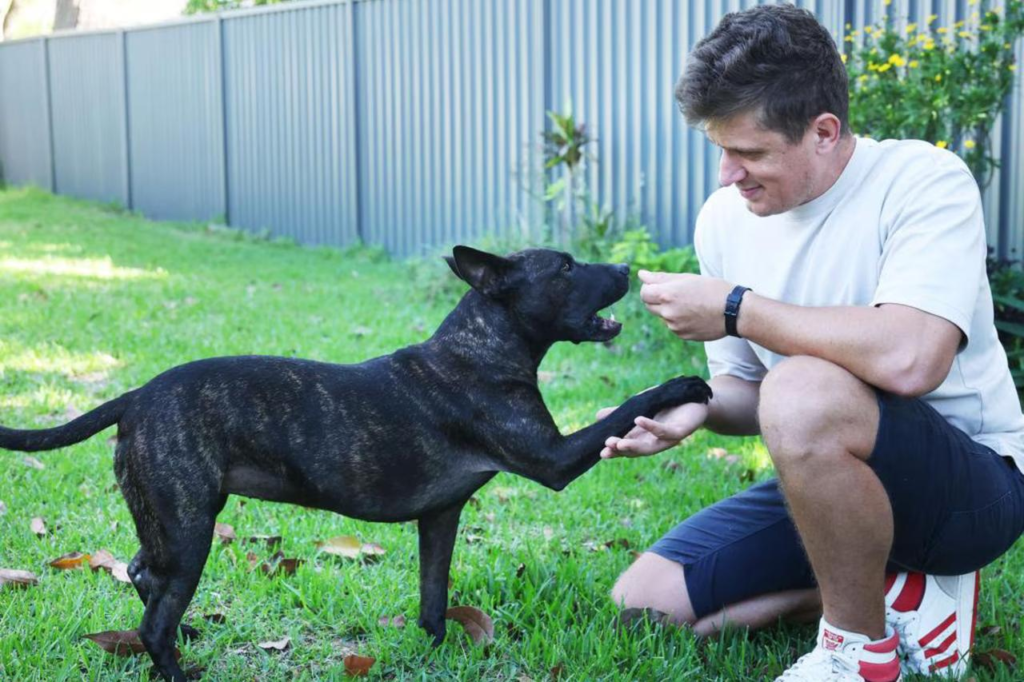
After months of preparation, Rosie finally received the experimental vaccine. For Conyngham and the researchers involved, the moment represented the culmination of a long and uncertain process. No one could guarantee that the treatment would work, but the scientific reasoning behind it offered hope. In the months following the injection, the results appeared encouraging. Reports from researchers indicated that Rosie’s tumour shrank significantly, with some accounts suggesting a reduction of about 50 percent.
The improvement was accompanied by visible changes in the dog’s behaviour and health. Her energy returned, her coat became glossy again and she resumed many of her normal activities. While a single case cannot prove the effectiveness of a medical treatment, the outcome drew attention from scientists and technology experts alike. It demonstrated how artificial intelligence, genetic sequencing and personalised medicine might combine to create new treatment pathways.
Read : Woman Mauled by 7 Dogs in Front of Howard Edward Hayes’ Home
Researchers involved in the project emphasized that the success was the result of collaboration. Conyngham’s determination and analysis initiated the process, but veterinary professionals, laboratories and regulatory authorities played essential roles in developing and administering the vaccine. The case therefore illustrated how citizen-driven innovation can complement traditional scientific expertise. The broader significance lies in what the story suggests about the future of medical research. AI tools capable of analysing genetic data are becoming increasingly accessible.
At the same time, the cost of DNA sequencing continues to fall, allowing more individuals and researchers to study the genetic basis of diseases. Personalised cancer vaccines are already being investigated in human medicine. Clinical trials in several countries are exploring whether customised mRNA therapies can help patients whose tumours contain unique genetic mutations. These treatments remain experimental, but the concept has gained momentum as researchers learn more about the relationship between genetics and cancer.
Rosie’s case offered a glimpse of how these technologies might eventually transform disease treatment. Instead of relying solely on standard therapies, doctors may one day design vaccines or drugs tailored to the genetic profile of each patient’s tumour. Artificial intelligence could help analyse massive genomic datasets and identify potential treatment targets in a fraction of the time previously required. For Conyngham, however, the motivation was far simpler. The project began as an effort to save a beloved pet.
His willingness to explore unconventional solutions, combined with the growing power of digital tools, turned that personal mission into a story that captured global attention. The question raised by the experiment continues to spark discussion within scientific communities. If one determined individual with access to AI tools and genomic data can help initiate a treatment pathway, what possibilities might emerge as more people gain access to these technologies? The intersection of artificial intelligence, biotechnology and citizen curiosity may open new avenues for innovation that extend far beyond a single case.
Rosie’s experience does not represent a universal cure or a replacement for established medical practices. Instead, it demonstrates the potential of collaboration between individuals, researchers and advanced technologies. As AI systems become more sophisticated and biological data becomes more accessible, similar partnerships may shape the future of personalised medicine.
Paul Conyngham’s story ultimately stands as an example of how determination and technology can intersect in unexpected ways. What began with a laptop and a dog evolved into an experiment that captured the imagination of scientists and the public alike. Whether the approach leads to broader medical breakthroughs remains to be seen, but the case has already highlighted a new possibility in the evolving relationship between artificial intelligence and human health.