
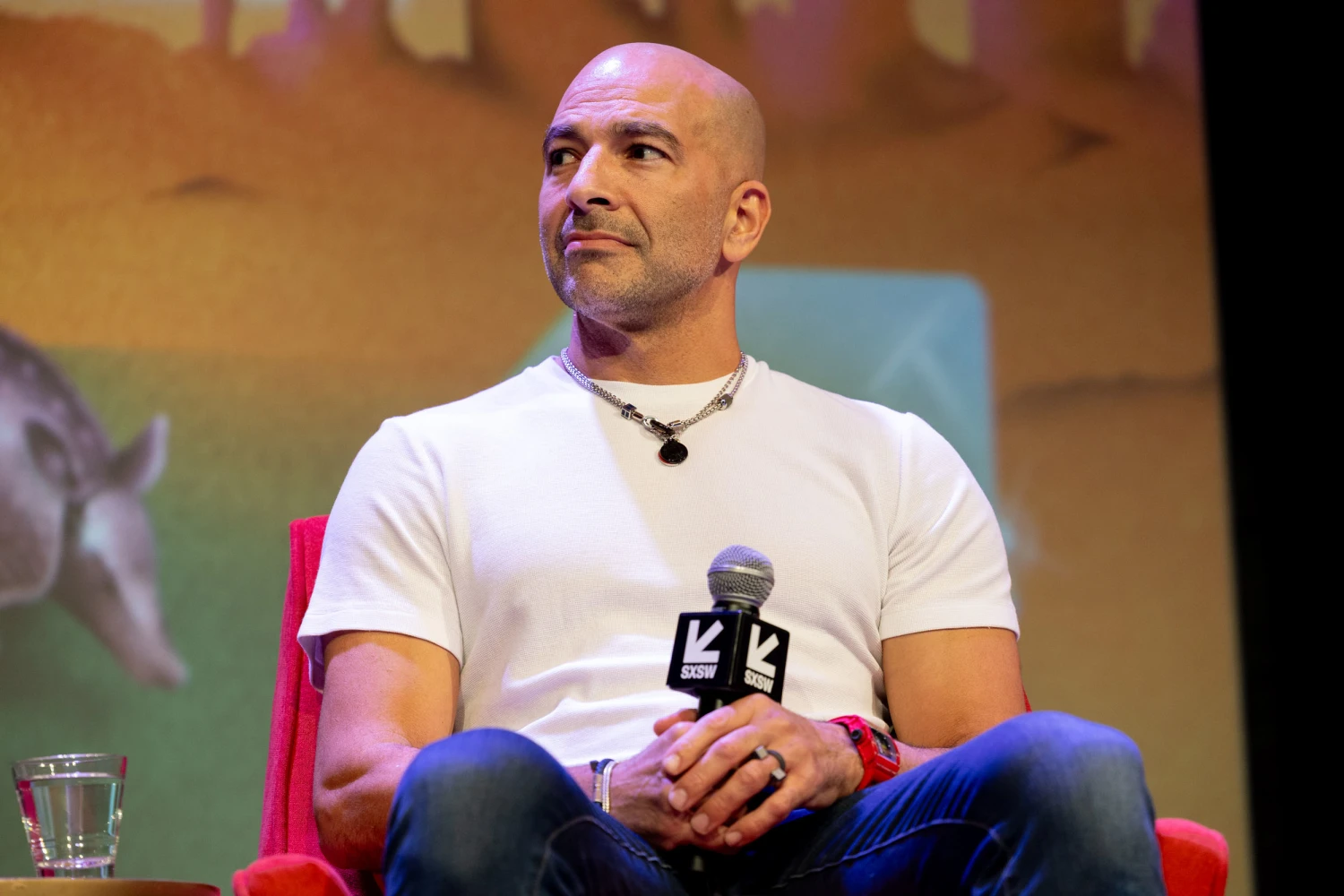
Peter Attia is a physician, author, and health influencer best known for his work in longevity medicine and high-performance health optimization. Over the past decade, he has built a substantial following through podcasts, public speaking engagements, and advisory roles centered on extending lifespan and improving healthspan. His reputation as a data-driven doctor who challenges conventional medical thinking elevated him into mainstream media, culminating in a newly announced contributor role at CBS News.
That appointment, however, was short-lived. Following the release of newly unsealed documents connected to Jeffrey Epstein, Attia resigned from his contributor position before his role had meaningfully begun. The controversy has drawn renewed attention to his career, professional standing, and the broader implications for media organizations navigating reputational risk.
Medical Career and Rise in Longevity Medicine
Peter Attia trained as a physician with a background in surgery before shifting his focus toward preventive medicine and longevity science. Early in his career, he became known for his analytical approach to health, emphasizing measurable biomarkers, metabolic optimization, and individualized care. His work increasingly centered on the concept of healthspan, a term used to describe the number of years a person lives free from chronic disease rather than simply total lifespan.
Attia’s prominence grew significantly through digital media. His podcast, which features in-depth discussions with scientists, researchers, and health experts, gained traction among audiences interested in cutting-edge medical research. His communication style, often described as rigorous and evidence-focused, positioned him as a trusted voice within the wellness and biohacking communities. He frequently addressed topics such as cardiovascular disease prevention, metabolic health, exercise science, and cognitive longevity.
In addition to his media presence, Attia developed consulting practices and partnerships with companies operating in the health and nutrition space. He also authored a widely discussed book on longevity strategies, which contributed to his reputation as a leading figure in preventive medicine. Corporate collaborations, advisory roles, and speaking engagements further expanded his influence beyond traditional clinical practice.
Read : Ukrainians Treated Better Than Other Refugees: Council of Europe
His entry into mainstream broadcast media marked a significant milestone. In January, he was named as one of 19 new contributors brought on as part of a broader strategic initiative at CBS News. The network’s leadership framed the move as an effort to diversify perspectives and modernize its approach, particularly as it sought to reach audiences beyond traditional broadcast viewership. Attia’s background in health science and his existing public profile made him a notable addition to that roster.
Connection to Jeffrey Epstein and Public Backlash
The controversy that led to Attia’s resignation stems from newly released documents connected to the case of Jeffrey Epstein, the convicted sex offender whose network of associates has been subject to extensive legal and public scrutiny. In the released materials, Attia’s name appeared among individuals who had communicated with Epstein. According to the documents, the two exchanged personal and lewd messages in 2016.
The publication of those messages triggered immediate backlash from segments of Attia’s audience and the broader public. Although he has not been accused of criminal wrongdoing, the association with Epstein—whose name remains synonymous with exploitation and abuse—proved highly sensitive. Critics questioned the nature of the relationship and the judgment involved in maintaining communication with such a figure.
Read : CBS2 Chief Meteorologist Roland Steadham Dies in Plane Crash on Payette River
In response to the revelations, Attia issued a public statement clarifying that he had not engaged in any illegal conduct. He stated that he had never visited Epstein’s plane, private island, or attended any parties connected to him. He further emphasized that he had never witnessed illegal activity or seen underage individuals in Epstein’s presence. His message sought to draw a clear distinction between communication and complicity.
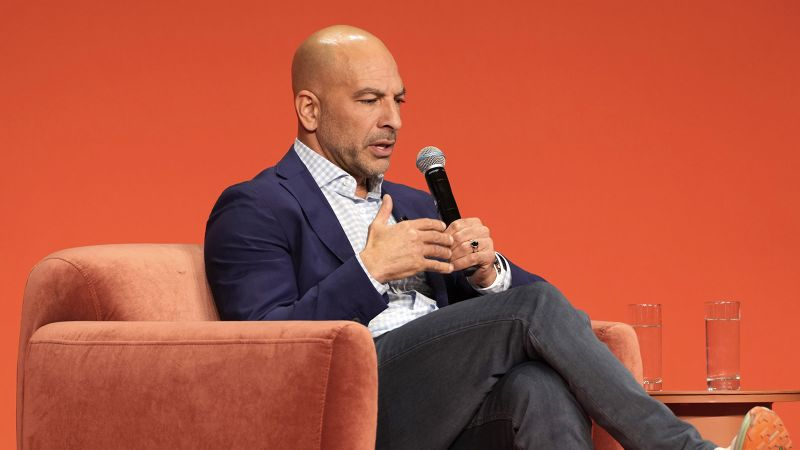
Despite those assurances, the reputational impact was immediate. Social media reaction ranged from disappointment to outright condemnation, particularly among followers who viewed Attia as a figure grounded in ethics and evidence-based medicine. The optics of even peripheral association with Epstein intensified scrutiny, reflecting the broader climate in which public figures are held accountable for past associations, regardless of legal culpability.
The disclosure came at a delicate moment, as media organizations and corporations continue to evaluate the risks posed by affiliations with controversial individuals. The sensitivity surrounding Epstein-related disclosures remains acute, with each new release of documents generating renewed public debate. In this context, Attia’s appearance in the files was enough to create significant public relations challenges.
Resignation from CBS News and Professional Fallout
Shortly after the revelations became public, Attia stepped down from his newly established role at CBS News. A spokesperson stated that his contributor position had not yet meaningfully begun and that he chose to step back to avoid becoming a distraction from the network’s work. The statement framed the resignation as a voluntary measure aimed at preventing reputational harm to the organization.
The decision came amid broader discussions within the network about its strategic direction. Earlier in the year, leadership had introduced a new cohort of contributors as part of a plan to adapt to shifting audience patterns and expand its digital presence. Attia had been among those highlighted as representing a fresh perspective in health reporting. His departure, therefore, marked an abrupt shift in what had been presented as a forward-looking initiative.
Read : CBP Supervisor Andres Wilkinson Charged With Harboring Undocumented Girlfriend and Niece
Reports indicated that internal conversations initially suggested the possibility of allowing Attia to remain in his contributor role despite the controversy. However, the sustained backlash and sensitivity surrounding the Epstein documents appear to have influenced the final outcome. By resigning before his role fully commenced, Attia effectively limited the duration of his association with the network.
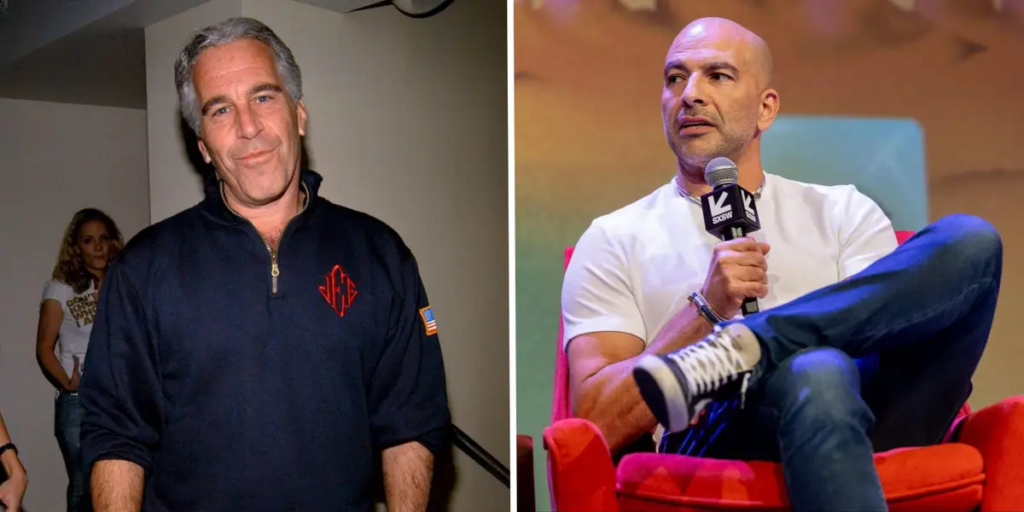
The fallout extended beyond CBS News. Attia also stepped down from his role as Chief Science Officer at a protein bar company, according to statements made by the company’s leadership. While details about that departure were limited, it underscored the broader ripple effects that reputational controversies can have across multiple professional engagements.
For Attia, the episode represents a significant reputational challenge at a time when public trust is central to his brand. As a physician and health communicator, credibility is foundational to his influence. Even in the absence of allegations of criminal conduct, the association with Epstein has introduced a level of scrutiny that may affect future collaborations and media opportunities.
The situation also highlights the complex dynamics faced by media organizations in an era of rapid information dissemination. The release of archived communications, regardless of their age, can reshape public narratives overnight. Networks and companies must weigh not only legal considerations but also audience perception, advertiser relationships, and internal morale.
Attia’s case illustrates how proximity to controversy can become decisive, even when no direct wrongdoing is alleged. In a media landscape shaped by transparency, social media amplification, and reputational risk management, organizations often act swiftly to contain potential fallout. His resignation from CBS News, though brief in duration, has become part of the broader narrative surrounding the ongoing revelations tied to Epstein.
As public attention continues to focus on newly unsealed documents and their implications, Attia remains a prominent example of how secondary associations can carry significant consequences. His career in longevity medicine, once defined primarily by scientific discourse and health advocacy, now intersects with one of the most scrutinized scandals of recent decades.