
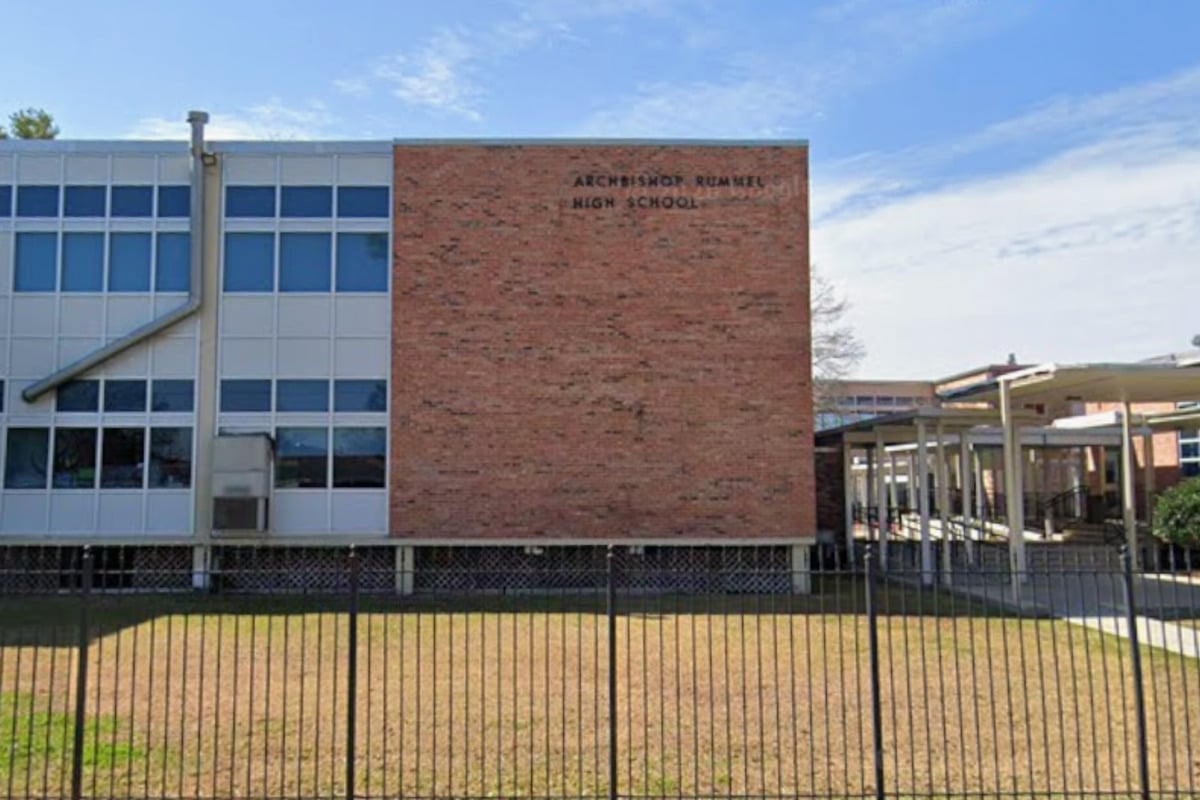
The tragic death of a teenager in the aftermath of a school disciplinary decision has ignited a legal battle that raises profound questions about institutional responsibility, student welfare, and the consequences of abrupt disciplinary actions. Sara Brannon, a suburban New Orleans mother, has filed a wrongful death lawsuit against the local archdiocese, alleging negligence in how her son, Devon Shelton, was treated by his Catholic high school.
The case centers on the events leading up to the 17-year-old’s suicide, which occurred just hours after he was expelled from Rummel High School in Metairie, Louisiana. Through her lawsuit, Sara Brannon seeks accountability for what she describes as a failure by the school to follow its own policies and to adequately consider her son’s mental health history during a critical moment in his life.
Circumstances Leading to the Expulsion
According to the lawsuit, the chain of events began during a St. Patrick’s Day parade, where Devon Shelton, a junior and active member of the school’s marching band, was participating in a performance. Following the event, Shelton reported to his mother and his former stepfather, Rick Ford, that he had been involved in a shoving match with another student. The lawsuit characterizes this altercation not as an act of aggression but as a response to ongoing bullying.
Shelton allegedly expressed reluctance to report the bullying to school authorities, telling Ford that doing so would only make matters worse for those who speak up. Despite his hesitation, Shelton was encouraged to bring the issue forward. The following day, school officials called a meeting with Shelton, Brannon, and Ford. It was during this meeting that the situation escalated dramatically.
According to the lawsuit, school administrators accused Shelton of attempting to initiate a fight by pushing another student against a locker. The principal also introduced a separate concern, stating that Shelton had previously attended band practice with the smell of alcohol on his breath and had admitted to drinking at home prior to school.
Based on these allegations, the school made the decision to expel Shelton. The lawsuit claims that this decision was made without fully investigating the incident, including failing to speak directly with Shelton about the altercation or interviewing a witness who reportedly observed the event. Furthermore, Brannon contends that the school did not adhere to its own disciplinary procedures as outlined in its student handbook, particularly regarding how bullying incidents and expulsions should be handled.
Read : Top Ten Best Beaches in the World to Visit This Summer
The expulsion came as a shock to Shelton and his family. Ford is quoted in the lawsuit as pleading with the principal, emphasizing how deeply Shelton was connected to the school and its community. The principal reportedly responded that it would be best for Shelton to find another school, suggesting dissatisfaction with his perceived progress. This decision, according to the lawsuit, did not take into account Shelton’s emotional state or the potential impact of such a sudden and severe consequence.
A Tragic Sequence of Events
Following the meeting, Sara Brannon attempted to reassure her son, telling him they would work through the situation together. She drove him to Ford’s house, where Shelton was to stay temporarily while she attended to family responsibilities. What unfolded next would become the central focus of the wrongful death claim.
While at the house, Shelton followed a routine that initially appeared normal. He took a shower and then went into his room, locking the door behind him. Shortly afterward, an unusual noise prompted concern among those present. Ford and his nephew attempted to check on Shelton, but when he did not respond, they were forced to break down the door. Inside, they discovered that Shelton had accessed a hidden weapon and died by suicide.
Read : TMH Sues Patient Who Refuses to Leave Hospital Room Five Months After Discharge
The lawsuit emphasizes that the timing of Shelton’s death, occurring just hours after his expulsion, is not coincidental. It argues that the school’s actions directly contributed to a state of emotional distress that Shelton could not manage. Importantly, the suit highlights that school officials were allegedly aware of Shelton’s prior struggles with mental health. It states that he had previously expressed suicidal thoughts to a friend during his freshman year, which led to a requirement for six months of external counseling.

This history, Sara Brannon argues, should have prompted a more cautious and supportive approach from the school. Instead, the expulsion is described as abrupt, unexpected, and devoid of any accompanying support measures. The lawsuit contends that the school failed to provide any assistance or guidance to Shelton in the immediate aftermath of its decision, leaving him vulnerable at a moment of acute emotional distress.
Additionally, the suit suggests that alternative disciplinary measures were available but not considered. One such option mentioned is allowing Shelton to complete the remainder of the school year through virtual learning, which could have mitigated the immediate impact of the expulsion while still addressing the school’s concerns. The absence of such alternatives is presented as evidence of negligence.
Legal Claims and Broader Implications
At the heart of Sara Brannon’s lawsuit is the assertion that the archdiocese, which oversees the school, bears responsibility for the actions of its administrators. The legal filing seeks damages for mental anguish, as well as for the physical pain and suffering associated with Shelton’s death. It also raises questions about whether the institution followed its own established policies and whether it met its duty of care toward a student with known vulnerabilities.
The archdiocese has declined to comment on the specifics of the lawsuit, citing a policy against discussing ongoing litigation. However, it has expressed condolences to Shelton’s family, stating that they are being kept in prayer. This response reflects a broader tension often seen in such cases, where institutions must balance legal considerations with public expressions of sympathy.
The case also draws attention to the documented links between bullying, depression, and suicidal behavior. Research has consistently shown that adolescents who experience bullying are at increased risk for mental health challenges, including suicidal ideation. In this context, the lawsuit argues that the school’s handling of Shelton’s reported bullying was inadequate and may have exacerbated his distress rather than alleviating it.
Beyond the immediate legal claims, the case raises important questions about how schools address student discipline, particularly when mental health concerns are involved. It highlights the potential consequences of decisions that prioritize punitive measures over supportive interventions. For educational institutions, the case serves as a reminder of the importance of thorough investigations, adherence to established policies, and the need to consider the broader context of a student’s well-being.
The involvement of a civil attorney with experience in cases against the archdiocese adds another layer of complexity. The archdiocese itself has faced significant legal challenges in recent years, including a bankruptcy filing linked to settlements with abuse survivors. While this case is distinct in its circumstances, it contributes to ongoing scrutiny of institutional accountability within the organization.
Devon Shelton’s life, as described in his obituary, reflects a teenager who was deeply engaged in his school and community. He was a dedicated musician, participating in the marching band and playing multiple instruments, including trumpet, mellophone, French horn, and tuba. He was also involved in sports, serving as a member of the varsity bowling team, and contributed to charitable activities through volunteer work. These details underscore the sense of loss felt by his family and community, and they form an important backdrop to the legal proceedings.
As the case moves forward, it is likely to prompt further discussion about the responsibilities of schools in managing both discipline and student welfare. It may also influence how similar cases are approached in the future, particularly in terms of balancing institutional rules with the need for compassion and support. For Sara Brannon, the lawsuit represents an effort to seek justice for her son and to ensure that the circumstances surrounding his death are fully examined.
The outcome of the case remains uncertain, but its implications extend beyond the individuals directly involved. It touches on broader societal concerns about youth mental health, the impact of bullying, and the role of educational institutions in safeguarding the well-being of their students.