
A dramatic rescue on a snow-covered mountainside has drawn attention to a lesser-known but deadly winter hazard, as a skier was saved from a life-threatening situation after becoming trapped upside down in deep powder. The incident unfolded at the Summit at Snoqualmie, where heavy snowfall had created ideal conditions for skiing but also concealed serious risks beneath its surface. Captured on video and shared widely, the moment highlights how quickly a routine day on the slopes can turn into an emergency. The quick thinking and training of one individual made the difference between survival and tragedy, offering a powerful reminder of the importance of awareness, preparation, and vigilance in winter sports environments.
A Split-Second Emergency in Deep Powder
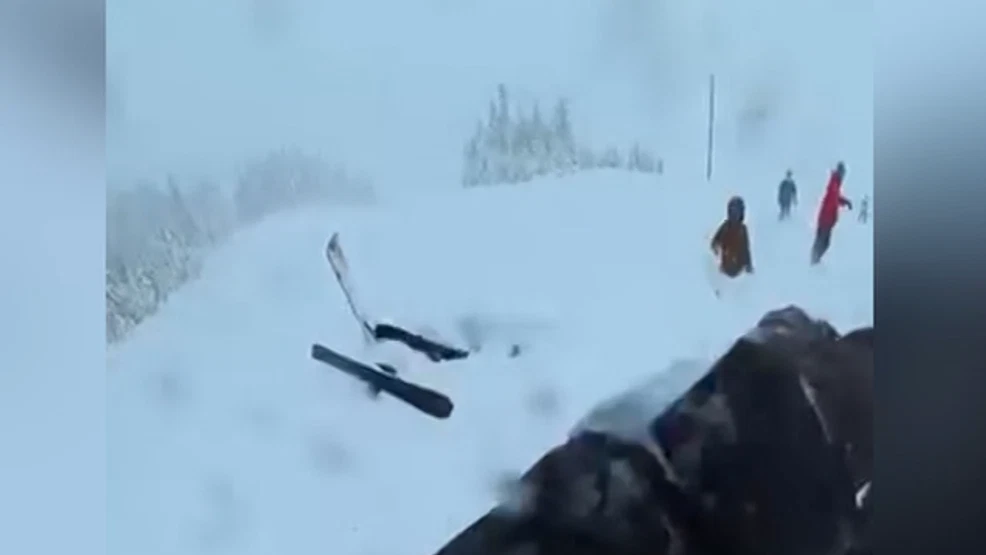
The rescue occurred when a skier veered slightly off course and entered an area of deep, unconsolidated snow. In such conditions, even a minor imbalance can lead to a dangerous fall. The skier reportedly lost control and became inverted, with his head buried beneath the snow while his legs remained visible above the surface. This position is particularly hazardous, as it can restrict breathing and lead to suffocation within minutes if the airway becomes blocked.
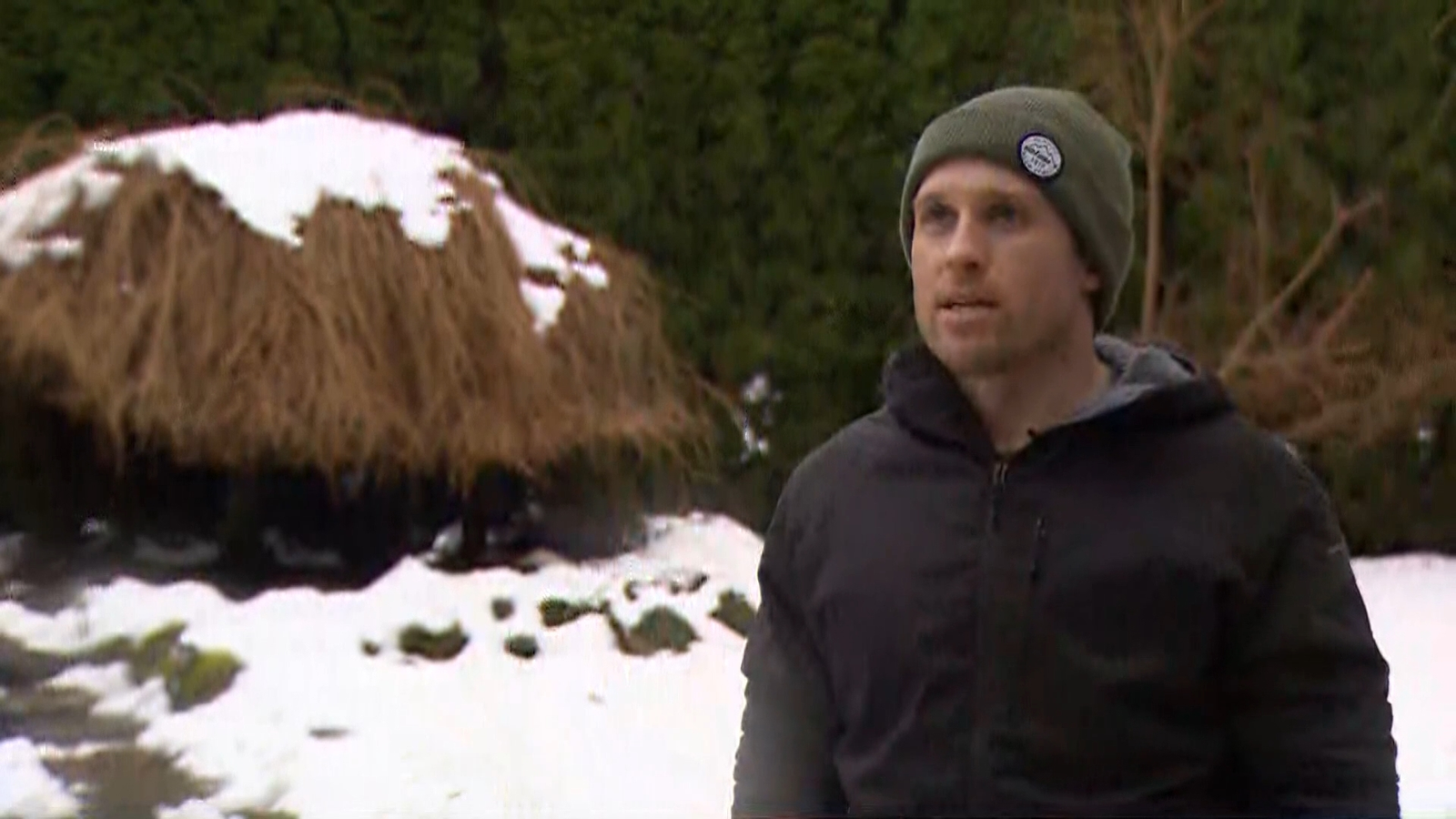
Ian Deans, who was nearby at the time, noticed something unusual that prompted him to stop. He saw the skier’s legs flailing above the snow, an immediate sign that something was wrong. Without hesitation, Deans rushed toward the individual, recognizing the urgency of the situation. Drawing on his avalanche safety training, he understood that time was critical and that the skier might already be struggling to breathe.
Using his hands, Deans began digging rapidly through the dense snow to reach the skier’s head. The effort required both speed and precision, as compacted powder can be difficult to move and delays can prove fatal. After reaching the skier, he cleared the airway and helped free the individual from the snow, ensuring that normal breathing could resume. The entire rescue was completed in a matter of moments, but those moments were crucial.
Fortunately, the skier did not report any injuries after the incident, a remarkable outcome considering the severity of the situation. The rescue serves as a striking example of how awareness and immediate action can prevent a near-fatal scenario from turning into a tragedy. It also underscores how easily such accidents can occur, even in areas that are not typically associated with extreme danger.
Understanding the Hidden Danger of Deep Snow Immersion
While avalanches often dominate conversations about mountain safety, deep snow immersion is a risk that receives far less attention despite being equally dangerous. This phenomenon occurs when a skier or snowboarder falls into deep powder and becomes trapped, often in an inverted position. The loose snow can collapse around the person, making movement nearly impossible and preventing them from freeing themselves.
In many cases, victims of deep snow immersion are unable to create enough space around their face to breathe. Snow can pack tightly around the head and chest, cutting off airflow and leading to suffocation. The situation is made worse by panic, which can cause individuals to struggle and use up their limited oxygen supply more quickly. Without immediate assistance, survival becomes increasingly unlikely as time passes.
“Fall wrong, and it’s game over.” 😱
— Crystal Hope (@CrystalHope1979) March 14, 2026
Ian Deans was enjoying a day out at the Summit at Snoqualmie when he came across a skier in trouble. He immediately started digging—48 inches of fresh powder can turn into a life-or-death situation in seconds.
While we often worry about… pic.twitter.com/DcOrtYLGew
What makes deep snow immersion particularly dangerous is that it can happen almost anywhere on a mountain. Unlike avalanches, which are typically associated with specific terrain and conditions, immersion incidents can occur in tree wells, along the edges of trails, or in areas with heavy powder accumulation. Skiers may not even realize they are at risk until it is too late.
The conditions leading up to this incident contributed significantly to the danger. The region had received an extraordinary amount of snowfall in a short period, with dozens of inches accumulating over the course of a week. This created deep layers of soft snow that, while appealing to skiers, also increased the likelihood of immersion accidents. When combined with uneven terrain or obstacles hidden beneath the surface, the risk becomes even greater.
Deans later emphasized that many people focus heavily on avalanche awareness but underestimate the risks associated with deep powder. His experience during the rescue reinforced the idea that both hazards require equal attention. He also highlighted a simple but crucial safety practice: never ski alone in deep snow conditions. Having a partner nearby can make all the difference in an emergency, as self-rescue is often impossible in these situations.
Weather Conditions and Growing Risks in Mountain Regions
The rescue took place during a period of rapidly changing weather conditions, which further complicated the safety landscape in the region. After significant snowfall, the area began experiencing a shift toward warmer temperatures and increased moisture. This transition is often driven by atmospheric systems that bring warm air and rain into mountainous areas, altering the stability of the snowpack.
Read : 55-Year-Old Skier Dies After Crash at Breckenridge Ski Resort
As temperatures rise, snow begins to melt and absorb water, becoming heavier and more compact. This process can weaken the layers within the snowpack, increasing the risk of avalanches. At the same time, the added moisture can make deep snow even more hazardous for skiers, as it becomes denser and more difficult to move through. These conditions create a combination of risks that require heightened awareness from anyone venturing onto the slopes.
Meteorological patterns during this period indicated a warming trend, with snow levels rising and rainfall expected at lower elevations. This meant that areas that had recently received heavy snowfall were now facing the possibility of rapid melting and water saturation. Rivers in nearby regions were also being monitored for potential flooding, as melting snow combined with rainfall can lead to increased water flow and overflow.
For skiers and outdoor enthusiasts, these changing conditions demand careful planning and constant evaluation of the environment. What may appear safe in the morning can become significantly more dangerous by the afternoon as temperatures fluctuate and snow conditions evolve. This variability makes it essential to stay informed about weather forecasts and mountain reports before heading out.
The incident involving the trapped skier serves as a timely reminder of how environmental factors can influence safety in unpredictable ways. Even experienced individuals can find themselves in dangerous situations when conditions change rapidly. Awareness of these factors, combined with proper preparation and the presence of companions, can greatly reduce the likelihood of accidents.
Ian Deans’ actions during the rescue have been widely recognized as a powerful example of preparedness and quick decision-making. His ability to identify the problem and respond effectively was rooted in training and experience, demonstrating the value of education in outdoor safety. The video of the rescue not only captures a moment of bravery but also serves as an educational tool, helping others understand the realities of deep snow hazards.
The broader message from this incident is clear: winter sports, while exhilarating, come with inherent risks that must be respected. Whether it is the threat of avalanches, deep snow immersion, or rapidly changing weather, each factor plays a role in shaping the safety of the environment. By staying informed, skiing with others, and recognizing the signs of danger, individuals can enjoy the slopes while minimizing the risks they face.