
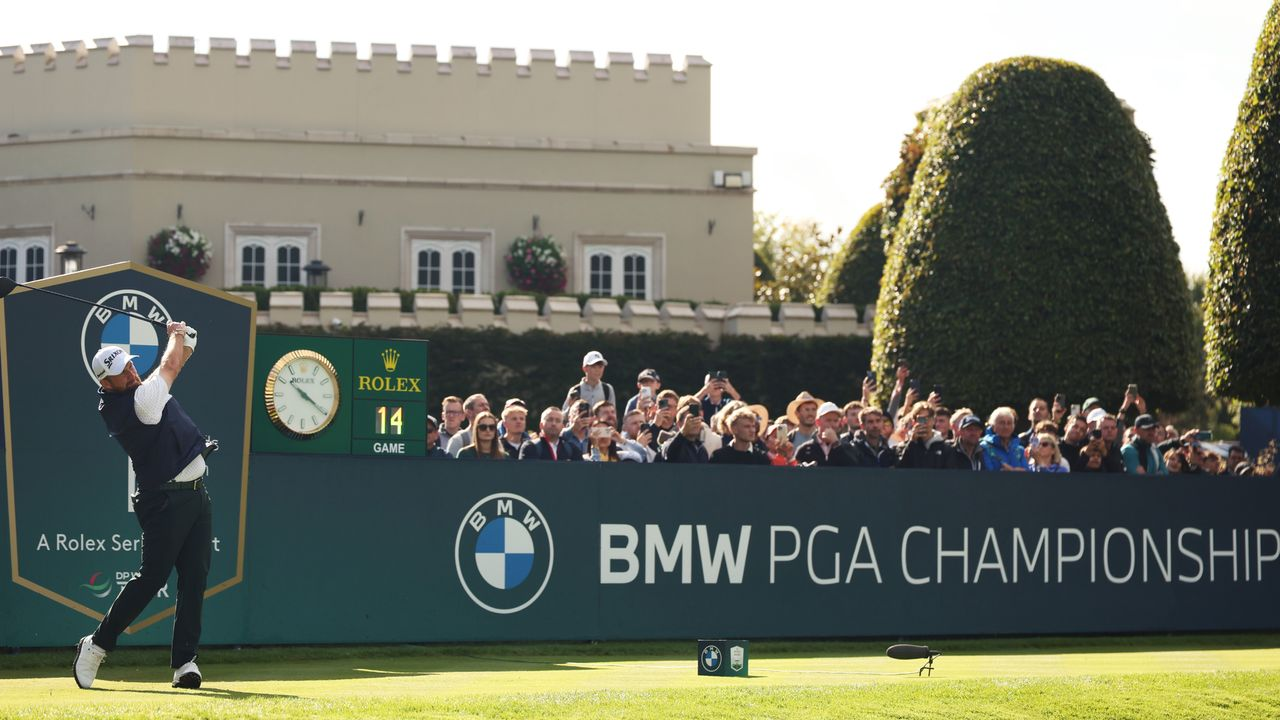
In the high-stakes world of professional golf, where precision timing is as crucial as a perfect swing, an audacious theft has cast a shadow over one of the sport’s most prestigious events. The BMW PGA Championship, held annually at the iconic Wentworth Golf Club in Surrey, England, is a cornerstone of the European Tour’s Rolex Series. This year, as the tournament unfolded from September 11 to 14, 2025, the event made headlines not just for the birdies and bogeys on the course but for a brazen crime that unfolded just days before the first tee shot.
Two luxury Rolex clocks, meticulously installed to help players keep track of their tee times, were stolen from the venue. The culprit, 47-year-old Stephen Townsend from the nearby town of Egham, has now been fined after being charged with handling stolen goods. This incident highlights the vulnerabilities in securing high-value assets at major sporting events and raises questions about the intersection of luxury branding and tournament logistics. As the golf world buzzes with updates from the greens, the story of these missing timepieces serves as a reminder that even in the refined atmosphere of elite golf, opportunism can strike at any moment.
The BMW PGA Championship is more than just a tournament; it’s a celebration of golf’s heritage and a showcase for the sport’s biggest names. Hosted at Wentworth’s West Course, a layout renowned for its challenging fairways, strategic bunkers, and lush Berkshire countryside setting, the event draws thousands of spectators and millions of viewers worldwide. Sponsored by BMW since 2014, the championship has evolved into a Rolex Series highlight, offering a prize purse of €8 million and attracting top talents like Rory McIlroy, Jon Rahm, Tommy Fleetwood, and Justin Rose.
The 2025 edition, kicking off on Thursday, September 11, promised to be particularly electric, with McIlroy aiming to build on his recent form and Rahm seeking to reclaim his dominance post his move to LIV Golf. But beneath the glamour of corporate sponsorships and celebrity sightings, the tournament relies on meticulous preparation, including the installation of specialized equipment to ensure smooth operations.
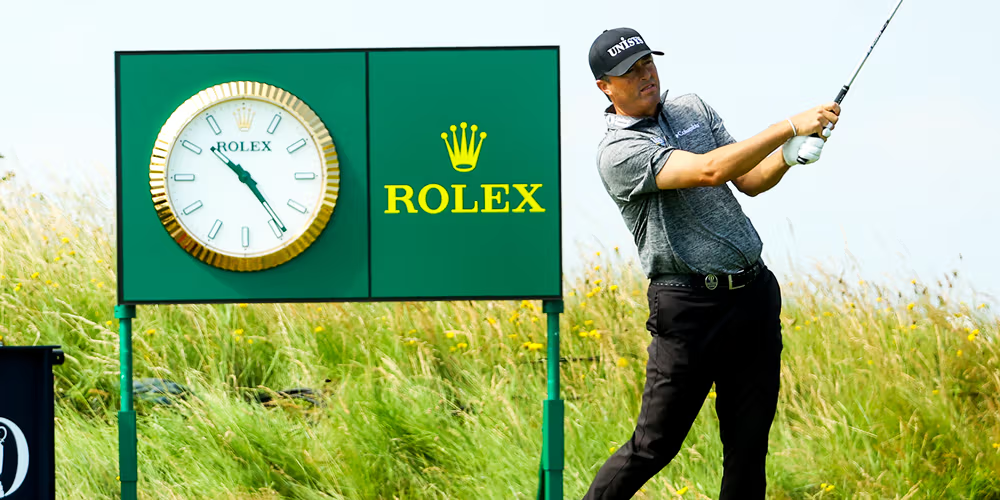
Enter the Rolex clocks—elegant, oversized timepieces that are as much a symbol of the brand’s partnership with golf as they are functional tools. Rolex has been synonymous with the sport since the 1960s, sponsoring major tours and adorning leaderboards and scorecards with its iconic designs. For the BMW PGA Championship, two such clocks were mounted approximately six feet high at strategic points on the course, primarily to assist players in monitoring their tee-off times.
These aren’t your average wall clocks; each is estimated to be worth around £70,000, crafted with the precision and luxury materials that define Rolex’s reputation. Made from high-grade stainless steel or precious metals, featuring the brand’s signature luminous dials and water-resistant casings, these clocks blend seamlessly into the upscale ambiance of Wentworth. They were installed in the days leading up to the event, positioned to be visible from tees and fairways, ensuring that golfers like Fleetwood or Rose could glance up and stay punctual amid the pressure of competition. The theft of these items wasn’t just a loss of property; it disrupted the tournament’s setup and underscored the lengths to which thieves will go for luxury goods.

The incident occurred on Sunday, September 7, 2025, in Virginia Water, the affluent area encompassing Wentworth Golf Club. According to reports from Surrey Police, the clocks were removed under the cover of what was likely a calculated heist, given their prominent placement and the security measures typically in place at such venues. Wentworth, as a private members’ club and host to international events, employs robust security protocols, including patrols, CCTV surveillance, and restricted access zones.
Yet, the thieves managed to bypass these, scaling or accessing the mounts to detach the heavy, valuable items. The clocks’ disappearance was discovered shortly after, prompting an immediate investigation. What made the recovery possible, however, was Rolex’s forward-thinking approach: the timepieces were equipped with advanced tracking devices. These GPS-enabled trackers, integrated discreetly into the clock mechanisms, allowed authorities to be alerted in real-time once the items were moved. It’s a testament to the brand’s investment in anti-theft technology, especially for high-profile installations like those at golf tournaments where visibility and prestige are paramount.
As news of the theft spread through local channels and golf media outlets, the focus quickly shifted to the perpetrators. Surrey Police acted swiftly, arresting several individuals in connection with the crime. Two men were taken into custody on suspicion of conspiracy to commit theft and subsequently released on bail pending further inquiries. But it was Stephen Townsend who became the central figure in the unfolding drama. A 47-year-old resident of Egham—a town just four miles from Wentworth—Townsend was identified through the tracking data and other leads.
Born on September 29, 1977, he appeared at Staines Magistrates’ Court on Thursday, September 11, 2025, the very day the tournament’s opening round commenced. Charged with one count of handling stolen goods, Townsend faced the bench in a hearing that lasted mere minutes but carried significant implications.
Read : Unbelievable! Steve Van Ysseldyk Digs Through Compost Dump to Find Wife’s Lost Wedding Rings
Handling stolen goods, under UK law, involves knowingly possessing or disposing of items that one knows or believes to be stolen, which can lead to fines, community orders, or imprisonment depending on the value and circumstances. In Townsend’s case, the court opted for a fine, reflecting perhaps a plea of guilty or mitigating factors presented during the proceedings. The exact amount of the fine has not been publicly disclosed in initial reports, but it aligns with standard penalties for such offenses involving high-value items.
Read : British Farmer’s Rolex Watch Eaten by Cow in 1970 Recovered After 50 Years
Townsend’s court appearance unfolded against the backdrop of the tournament’s first day, where the world’s elite golfers were vying for supremacy. McIlroy, for instance, navigated a rollercoaster round, flirting with the lead before a dramatic finish on the 18th hole. Meanwhile, inside the courtroom, Townsend’s case highlighted the rapid pace of modern policing, aided by technology.
Witnesses and officials from Wentworth described the clocks as integral to the event’s flow, and their brief absence could have caused logistical headaches had they not been recovered promptly. The tracking devices not only facilitated the arrest but also ensured the clocks were returned undamaged, allowing organizers to reinstall them before the pros arrived. This quick resolution prevented any major disruption to the schedule, though it undoubtedly heightened security measures for the remainder of the weekend.
The Intriguing Role of Rolex in Golf Tournaments
Rolex’s entanglement with golf is a story of enduring partnership, blending the Swiss watchmaker’s ethos of precision with the sport’s demand for exact timing. Since becoming the official timekeeper of The Open Championship in 1932, Rolex has embedded itself deeply into the fabric of professional golf. The brand’s clocks and chronometers appear at majors, tours, and elite events like the BMW PGA Championship, serving both practical and promotional purposes.
At Wentworth, the two stolen clocks were part of a broader installation that included scoreboards and timing displays, all calibrated to the second to accommodate the strict schedules of a 156-player field. Each clock’s £70,000 valuation isn’t hyperbole; these are bespoke pieces, often customized with tournament branding, sapphire crystal faces, and self-winding movements that ensure reliability even in outdoor conditions. The theft brings to light the dual nature of such sponsorships: they elevate the event’s prestige but also create tempting targets for criminals. Golf tournaments, with their influx of wealthy attendees and high-visibility assets, have seen sporadic incidents of theft over the years—from stolen clubs to pilfered prizes.

However, targeting Rolex clocks is particularly audacious, given the brand’s global security protocols. The inclusion of trackers in these installations is a relatively new measure, rolled out in response to rising art and luxury heists. For the BMW PGA Championship, this technology proved invaluable, alerting police within hours of the Sunday theft. Investigators traced the signal to a location in Egham, leading directly to Townsend and his associates. This case exemplifies how luxury brands are adapting to threats, investing in IoT (Internet of Things) devices to monitor assets in real-time.
Moreover, the incident underscores the economic impact of Rolex’s involvement in golf. The brand’s sponsorships generate millions in exposure, with clocks like those at Wentworth becoming Instagram-worthy icons for players and fans. Rory McIlroy, a Rolex ambassador, often sports the brand on his wrist during rounds, amplifying its visibility. The 2025 BMW PGA Championship, despite the theft, proceeded seamlessly, with the clocks reinstalled by Tuesday, September 9.
After three rounds, Frenchman Adrien Saddier and Sweden’s Alex Noren shared the lead at 12-under par, while England’s Tyrrell Hatton lurked two shots back. The story of the stolen clocks added an unintended layer of intrigue, drawing media attention that might otherwise have focused solely on the scores. For Rolex, it’s a minor blemish on an otherwise stellar partnership, but one that reinforces the need for vigilance in an era where high-tech thieves eye high-value prizes.
Legal Proceedings and Broader Implications for Event Security
Stephen Townsend’s courtroom drama at Staines Magistrates’ Court was a swift affair, emblematic of the UK’s efficient handling of property crimes. Appearing on the tournament’s opening day, the 47-year-old from Egham pleaded in a manner that led to his fine, avoiding more severe penalties. Under the Theft Act 1968, handling stolen goods carries a maximum sentence of seven years, but for first-time or lesser-involved offenders, fines are common, especially when items are recovered intact.
Stephen Townsend’s charge specifically pertained to handling, suggesting he may not have been the initial thief but rather involved in possession or attempted sale. Surrey Police’s statement confirmed the clocks’ recovery, crediting the tracking tech for the breakthrough. The two men on bail for conspiracy face ongoing investigations, potentially leading to further charges if evidence links them to the actual removal. This case has ripple effects beyond the individual fine. For event organizers like the European Tour and Wentworth Club, it prompts a review of security protocols.
Major tournaments already employ private security firms, bag checks, and drone surveillance, but the ease of accessing mounted clocks—despite their height—exposes gaps. Experts in event security now advocate for tamper-proof mounts, AI-monitored perimeters, and even blockchain-tracked assets for luxury items. The BMW PGA Championship’s response was proactive; additional guards were deployed, and Rolex reportedly enhanced tracking for future installations. Financially, the theft’s resolution minimized losses—the clocks’ return saved the tournament from replacement costs exceeding £140,000—but it still incurred investigative expenses for police and insurers.
On a societal level, the incident reflects broader trends in luxury crime. Egham and Virginia Water, with their proximity to London and affluent demographics, see occasional thefts targeting high-end goods. Townsend, a local, may have seen an opportunity in the pre-tournament setup phase when security was ramping up but not at full capacity. His fine serves as a deterrent, but it also sparks discussions on rehabilitation versus punishment. Community leaders in Egham have expressed shock, noting the area’s family-oriented vibe.
As the tournament concludes on Sunday, September 14, with the final round underway, the focus returns to golf, but the Rolex clock saga lingers as a cautionary tale. It reminds stakeholders that in the pursuit of excellence on the course, safeguarding the symbols of that excellence is equally vital.
In retrospect, the theft of the two Rolex clocks from Wentworth is a peculiar footnote in the 2025 BMW PGA Championship’s history. Stephen Townsend’s fine closes one chapter, but it opens conversations on technology’s role in crime prevention and the unyielding allure of luxury in sports. As golfers like Noren and Saddier battle for the title, the clocks tick on, a silent testament to resilience.
Mâm trái cây tại đây đẹp như tranh vẽ, trái nào cũng tươi ngon và được cắt tỉa tinh tế. Mình đã làm đám tiệc thành công nhờ fruit platter for party siêu chất này!