
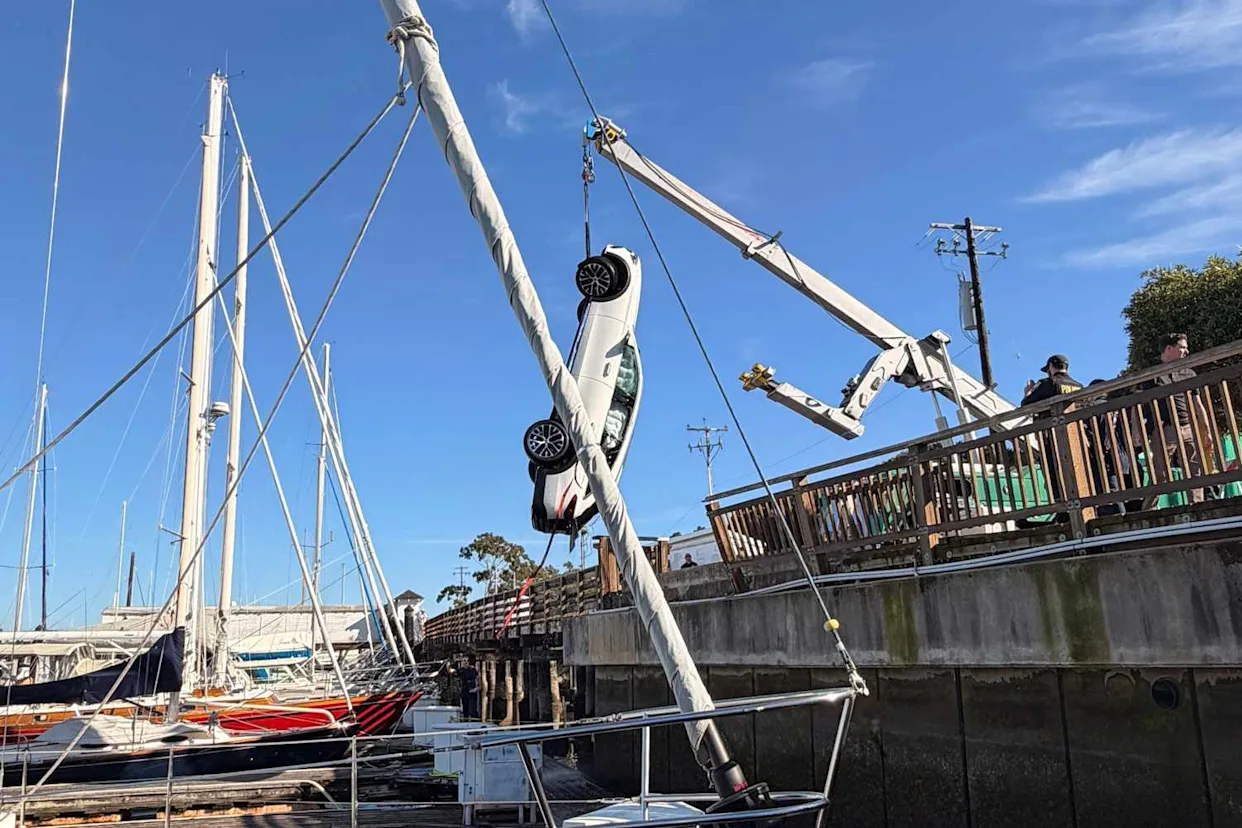
A tragic incident unfolded along the waterfront in Sausalito, California, when a vehicle carrying two occupants became submerged in the waters near the Sausalito Yacht Harbor. The accident, which occurred on the afternoon of March 16, 2026, prompted an urgent emergency response involving multiple agencies and rescue teams. While one occupant managed to escape the sinking vehicle, the driver was unable to exit in time and later died after being transported to a hospital. The event has drawn attention to the dangers associated with waterfront driving areas and the challenges faced by rescue personnel in underwater recovery situations.
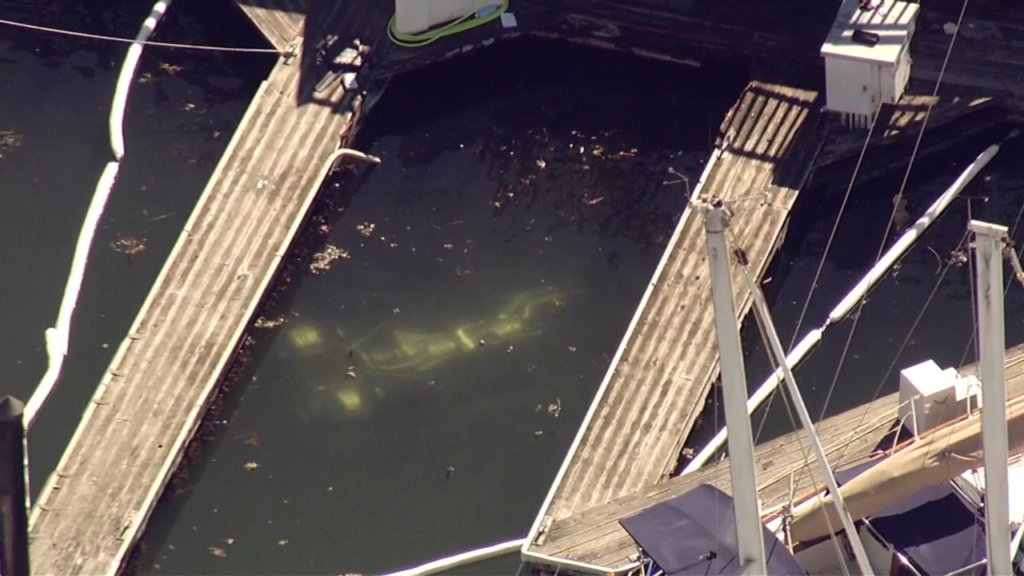
The situation developed quickly, leaving little time for intervention before the vehicle sank approximately ten feet below the surface. Emergency responders were called to the scene after reports indicated that a car had entered the water with people inside. By the time crews arrived, the vehicle was already fully submerged, creating a high-risk rescue scenario that required specialized diving operations. Despite swift action and coordinated efforts, the outcome proved fatal for the driver, underscoring the unpredictability and severity of such incidents.
Emergency Response and Rescue Efforts
When emergency crews received the distress call at around 2:38 p.m., they immediately mobilized resources to the Sausalito Yacht Harbor. Responders from the Southern Marin Fire Protection District arrived to find that the vehicle had already sunk beneath the water’s surface. The urgency of the situation was evident, as reports indicated that at least one individual remained trapped inside the submerged car.
Rescue operations quickly transitioned into a dive response, a complex and dangerous procedure requiring trained personnel and specialized equipment. Divers entered the water to locate and access the vehicle, working against limited visibility and time constraints. The conditions of underwater rescues are inherently challenging, with factors such as water depth, pressure, and visibility all affecting the speed and effectiveness of the operation.
One occupant had managed to escape the vehicle before it fully submerged, a critical factor that likely saved their life. This individual was evaluated at the scene by emergency medical personnel and did not require hospital transport. Meanwhile, divers located the driver still inside the vehicle and successfully extracted them from the water.
Once brought to the surface and onto the dock, first responders immediately initiated life-saving measures. Cardiopulmonary resuscitation and other emergency interventions were performed in an attempt to stabilize the driver. Despite these efforts, the driver was later pronounced dead at a hospital, marking a tragic end to the rescue attempt. The operation also involved coordination with multiple partner agencies, demonstrating the scale and complexity of the response. Assistance came from local police, additional emergency services, and even a private diver who contributed to the rescue effort.
Read : 13 Scientific Mysteries on Earth That Remain Unsolved
The involvement of various teams highlights how such emergencies often require a unified response to maximize the chances of survival. During the rescue, at least one firefighter sustained minor injuries. While not life-threatening, the injury serves as a reminder of the risks emergency personnel face when responding to dangerous and unpredictable situations, particularly those involving water rescues.
Investigation and Environmental Concerns
Following the recovery of the vehicle and confirmation that no other occupants remained inside, attention turned toward investigating the cause of the incident. Authorities have not yet determined how or why the vehicle entered the water, and the case remains under active investigation. Factors such as driver error, mechanical failure, or environmental conditions may all be considered as officials work to piece together the sequence of events.
The identity of the deceased driver has not been released, as authorities are waiting to notify next of kin. This standard procedure ensures that families are informed privately before any public disclosure is made, respecting their need for time and space during a period of grief. In addition to the human toll, the incident also raised environmental concerns. When a vehicle becomes submerged in a body of water, there is a risk of fuel leakage and contamination. As a precaution, an environmental notification was issued following the recovery operation.
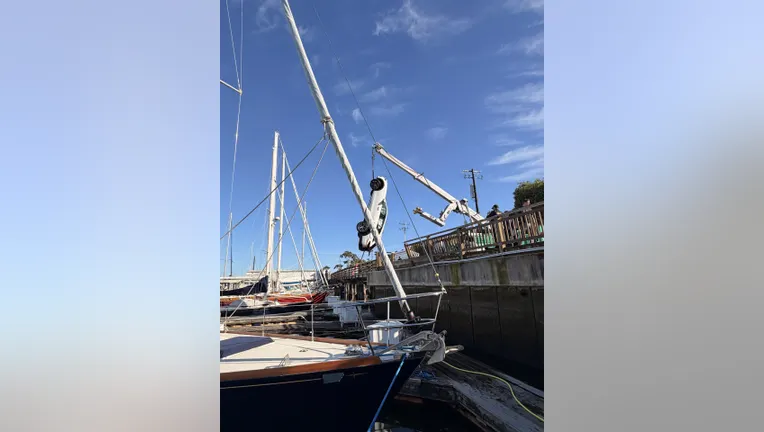
This step allows relevant agencies to monitor and address any potential pollution that could affect marine life or water quality. The vehicle was eventually hoisted out of the water, a process that requires careful handling to prevent further environmental damage. Removing a submerged vehicle is not only a logistical challenge but also a necessary step in both the investigation and environmental protection efforts. Authorities also notified the U.S. Coast Guard, reflecting the seriousness of the situation and the need for oversight in navigable waters.
Incidents like this often involve multiple layers of jurisdiction, particularly when they occur in areas connected to larger waterways. Interestingly, this was not an isolated occurrence for the region. Just days earlier, emergency crews had responded to another vehicle-related water incident in Novato, where a driver managed to escape without injury. While the outcomes differed, the proximity in timing highlights a concerning pattern that may prompt further review of safety measures in waterfront and roadway areas.
Safety Implications and Public Awareness
The tragedy at Sausalito Yacht Harbor brings renewed focus to the risks associated with driving near bodies of water. Whether due to narrow roadways, limited barriers, or driver misjudgment, vehicles entering water are rare but often catastrophic events. The rapid sinking of a car can leave occupants with only seconds to react, making survival heavily dependent on immediate action and situational awareness. Experts often emphasize the importance of knowing how to respond if a vehicle enters water. In many cases, the best chance of survival comes from acting quickly before the vehicle fully submerges.
Opening windows or exiting the vehicle early can be critical, as water pressure increases rapidly and can make doors impossible to open once the car is submerged. For communities located near harbors, marinas, and coastal roads, infrastructure plays a key role in preventing such incidents. Guardrails, warning signs, and improved lighting can all help reduce the likelihood of vehicles accidentally entering the water. While it is not yet clear what factors contributed to this specific incident, it may lead to discussions about whether additional safety measures are needed in the area.
Public awareness is another important factor. Many drivers are unaware of how quickly a vehicle can sink or how difficult it becomes to escape once submerged. Educational campaigns and safety guidelines can help equip individuals with the knowledge needed to respond effectively in emergencies. The role of emergency responders also deserves recognition. The swift and coordinated response by fire crews, police officers, and supporting agencies reflects a high level of preparedness and professionalism.
Even in cases where the outcome is tragic, these efforts are essential in providing the best possible chance of survival and ensuring that all necessary measures are taken. At the same time, the incident underscores the emotional and physical toll such events can take on responders. From the risks involved in underwater rescues to the impact of dealing with life-and-death situations, these operations are among the most demanding in emergency services.
As the investigation continues, authorities may release additional details that shed light on what led to the vehicle entering the water. Until then, the focus remains on supporting those affected by the tragedy and reinforcing the importance of safety in similar environments. The loss of life in this incident serves as a sobering reminder of how quickly situations can escalate and how critical preparedness and awareness are in preventing and responding to emergencies near water.