
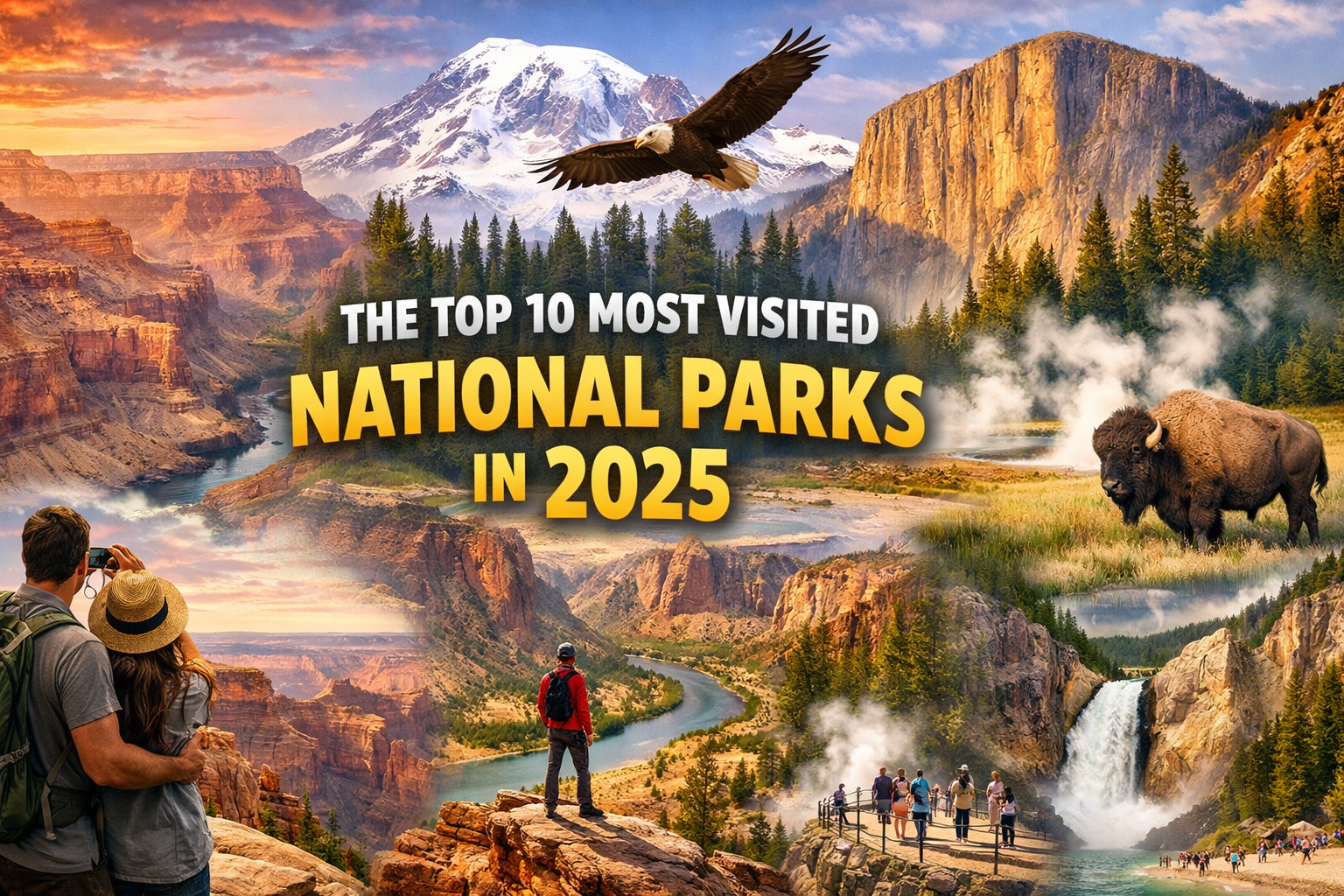
America’s national parks continue to captivate millions, offering breathtaking landscapes, rich biodiversity, and opportunities for adventure, reflection, and connection with nature. In 2025, the U.S. National Park Service recorded over 323 million recreation visits across its units, with the iconic “national parks” category drawing huge crowds despite a slight dip from previous years. Leading the pack is Great Smoky Mountains National Park with approximately 11.5 million visitors, far outpacing others. This list highlights the top 10 most visited true national parks based on official 2025 data, showcasing why these destinations remain perennial favorites for hikers, families, photographers, and nature lovers alike.
1. Great Smoky Mountains National Park, Tennessee and North Carolina (11.5 million visitors)
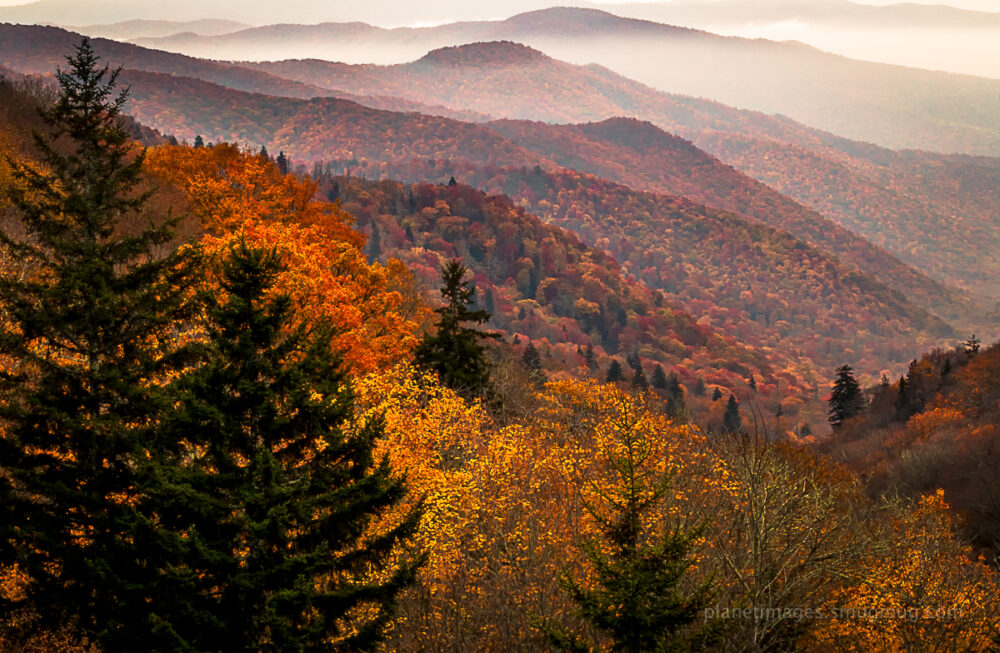
Great Smoky Mountains National Park, straddling the border of Tennessee and North Carolina, was established in 1934 as a way to preserve the region’s Appalachian heritage and forests while providing public recreation. It became the most visited national park largely due to its free entry (no admission fee), accessibility from major population centers, and diverse ecosystems ranging from misty mountains to wildflowers.
The park protects one of the oldest mountain ranges on Earth, with ancient forests that include the largest block of old-growth hardwood in the eastern U.S. Iconic features include Clingmans Dome (the highest point in the park at 6,643 feet), Cades Cove’s historic homesteads and wildlife viewing, and the famous synchronous fireflies that light up summer nights in a natural spectacle. With over 800 miles of trails, abundant black bears, elk reintroductions, and vibrant fall foliage, the Smokies offer year-round appeal—from spring wildflowers to winter solitude—making it a timeless escape that draws families and adventurers seeking both serenity and excitement.
2. Zion National Park, Utah (4.9 million visitors)
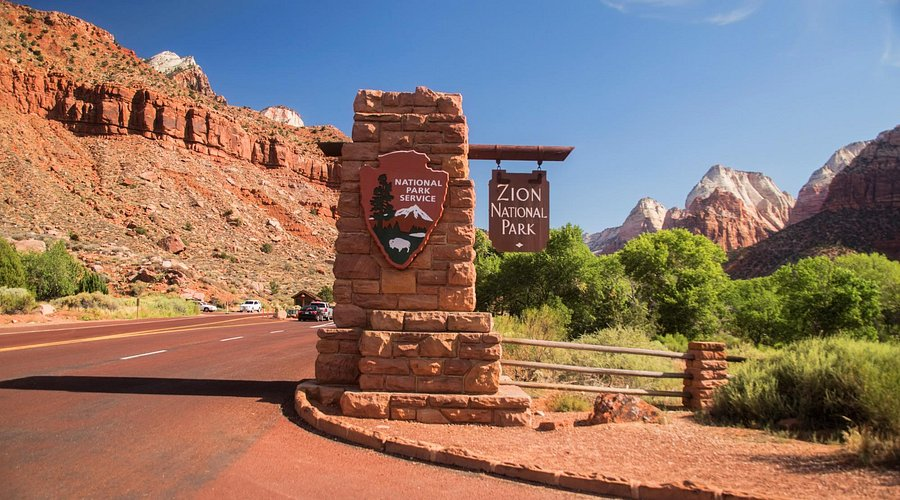
Zion National Park was first protected as Mukuntuweap National Monument in 1909 and redesignated as a national park in 1919, named after the Hebrew word for “refuge” or “sanctuary.” Its dramatic canyons and towering sandstone cliffs were carved by the Virgin River over millions of years, creating one of the most striking landscapes in the American Southwest. The park’s main attraction is Zion Canyon, where sheer walls rise up to 2,000 feet, and popular hikes like Angels Landing (with its thrilling chains) and The Narrows (wading through the river) draw thrill-seekers.
Shuttle systems help manage crowds in the main canyon during peak seasons. Zion’s diverse ecosystems—from desert to riparian zones—support unique wildlife like California condors and bighorn sheep, while spring waterfalls and autumn colors add seasonal magic. Its proximity to other Utah parks makes it a hub for “Mighty Five” road trips.
3. Yellowstone National Park, Wyoming (4.7 million visitors)
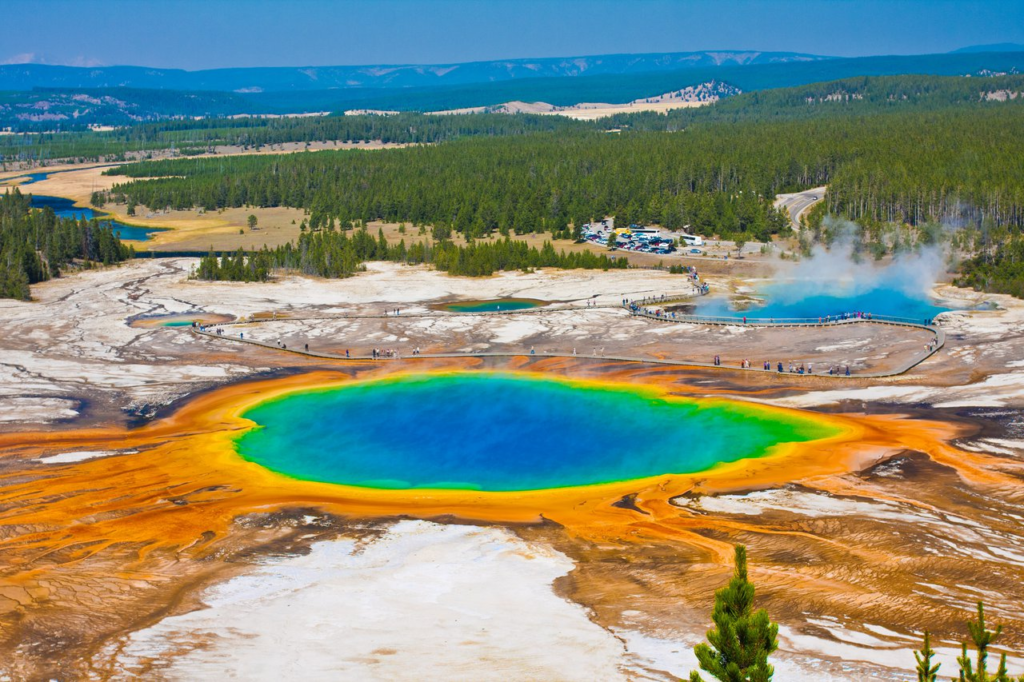
Yellowstone became the world’s first national park in 1872, signed into law by President Ulysses S. Grant to protect its geothermal wonders, wildlife, and scenery from exploitation. Spanning Wyoming, Montana, and Idaho, it sits atop a supervolcano, fueling its famous geysers and hot springs. Old Faithful’s predictable eruptions, Grand Prismatic Spring’s vibrant colors, and the Lamar Valley’s wildlife—bison herds, wolves, grizzlies, and elk—define the park’s allure.
Read : Mother and Daughter Rescued After Getting Stuck Waist-Deep in Sand Near Amusement Park
The Grand Canyon of the Yellowstone River offers dramatic waterfalls and colorful rock walls. Yellowstone’s vast wilderness supports one of the largest concentrations of mammals in the lower 48 states, including the reintroduced gray wolf population. Seasonal changes, from summer bison jams to winter snowcoach tours, keep it fascinating year-round.
4. Grand Canyon National Park, Arizona (4.4 million visitors)
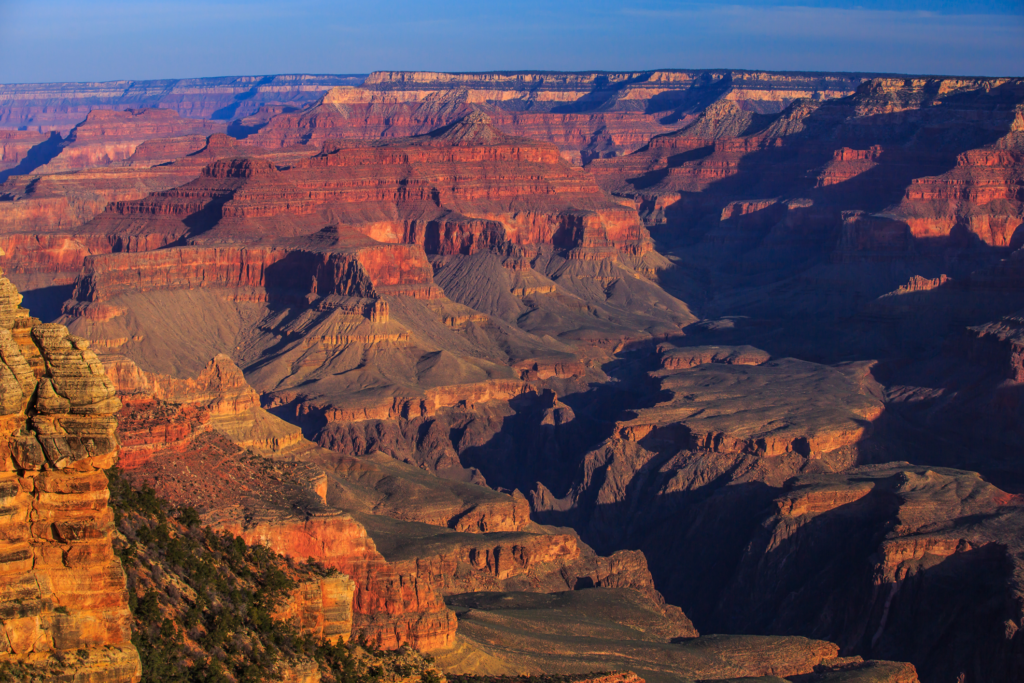
Grand Canyon National Park was established in 1919, though the canyon itself has been carved by the Colorado River over 6 million years, exposing nearly 2 billion years of Earth’s geological history in its layered rock walls. The South Rim draws most visitors with easy access to viewpoints like Mather Point and Desert View Watchtower, while the North Rim offers quieter, higher-elevation experiences. Iconic hikes include Bright Angel Trail and Rim-to-Rim adventures. The park protects diverse habitats from rim forests to inner-canyon desert, home to California condors, mule deer, and unique plant life. Sunrises, sunsets, and the canyon’s immense scale inspire awe and reflection for millions annually.
5. Yosemite National Park, California (4.2 million visitors)
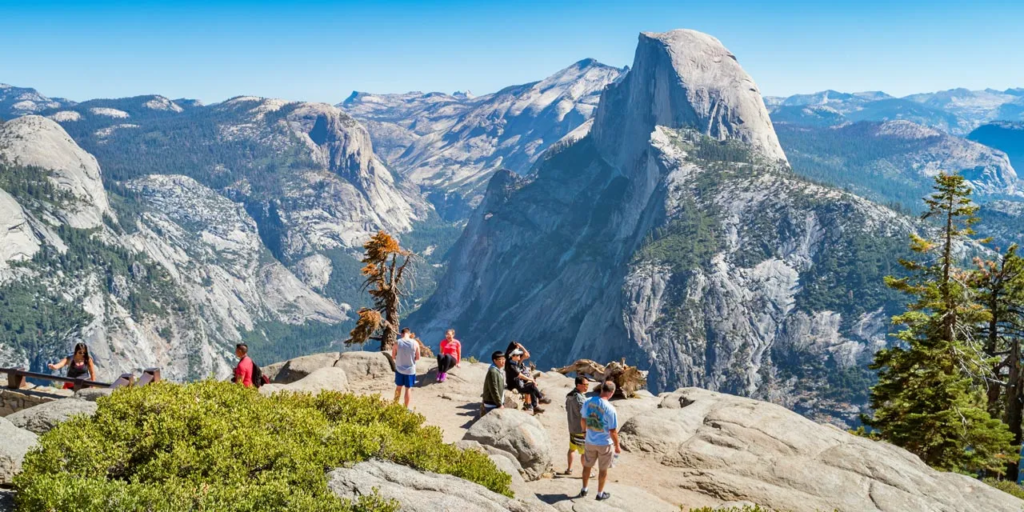
Yosemite was granted protected status in 1864 by President Lincoln (as a state park) and became a full national park in 1890, championed by John Muir to preserve its granite cliffs, waterfalls, and sequoias from development. El Capitan and Half Dome dominate the valley views, with Yosemite Falls (North America’s tallest) cascading dramatically in spring. Giant sequoias in Mariposa Grove and high-country Tuolumne Meadows add variety. Rock climbing, hiking (like the Mist Trail to Vernal and Nevada Falls), and wildlife viewing—black bears, mule deer—define the experience. Seasonal wildflowers, fall colors, and winter snow sports keep it dynamic.
6. Rocky Mountain National Park, Colorado (4.1 million visitors)
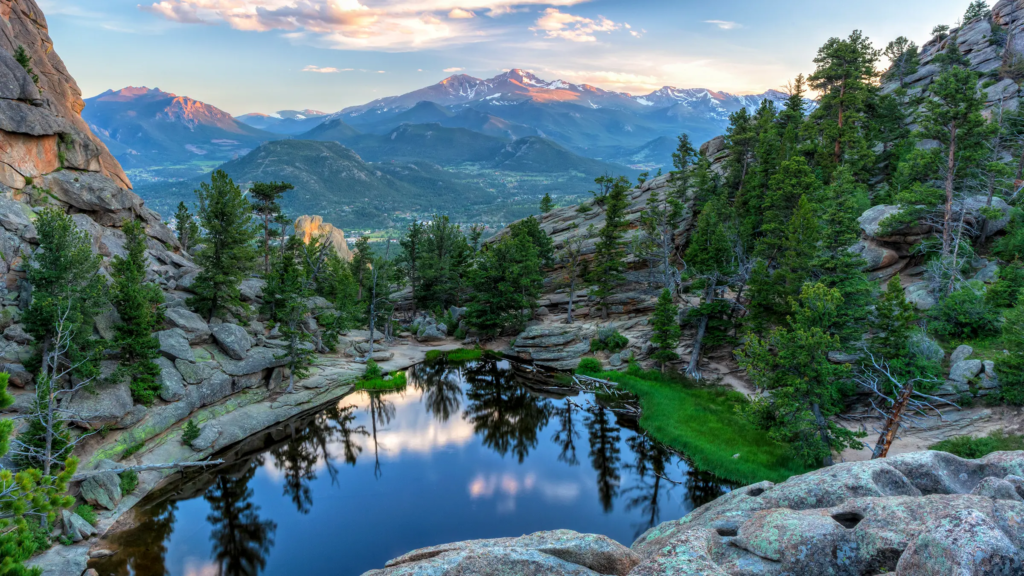
Established in 1915, Rocky Mountain National Park preserves the stunning Front Range of the Rockies, with Trail Ridge Road (the highest continuous paved road in the U.S.) crossing the Continental Divide at over 12,000 feet. Alpine tundra, wildflower meadows in summer, and elk bugling in fall highlight its ecosystems. Popular spots include Bear Lake for easy hikes and Longs Peak for challenging summits. The park’s high elevation supports bighorn sheep, marmots, and ptarmigan, with dramatic weather changes adding to the adventure. It’s a premier spot for stargazing and mountain scenery.
7. Acadia National Park, Maine (4 million visitors)

Acadia was first protected in 1916 (as Sieur de Monts National Monument) and became Lafayette National Park in 1919, later renamed Acadia in 1929. It protects the rugged Atlantic coast and Cadillac Mountain, the highest point on the U.S. East Coast. Carriage roads built by Rockefeller, thunder hole waves, and ocean views from Ocean Path draw visitors. Fall foliage explodes in vibrant reds and oranges. The park’s mix of mountains, islands, and tide pools supports seals, seabirds, and diverse marine life, offering a unique coastal wilderness experience.
8. Grand Teton National Park, Wyoming (3.8 million visitors)
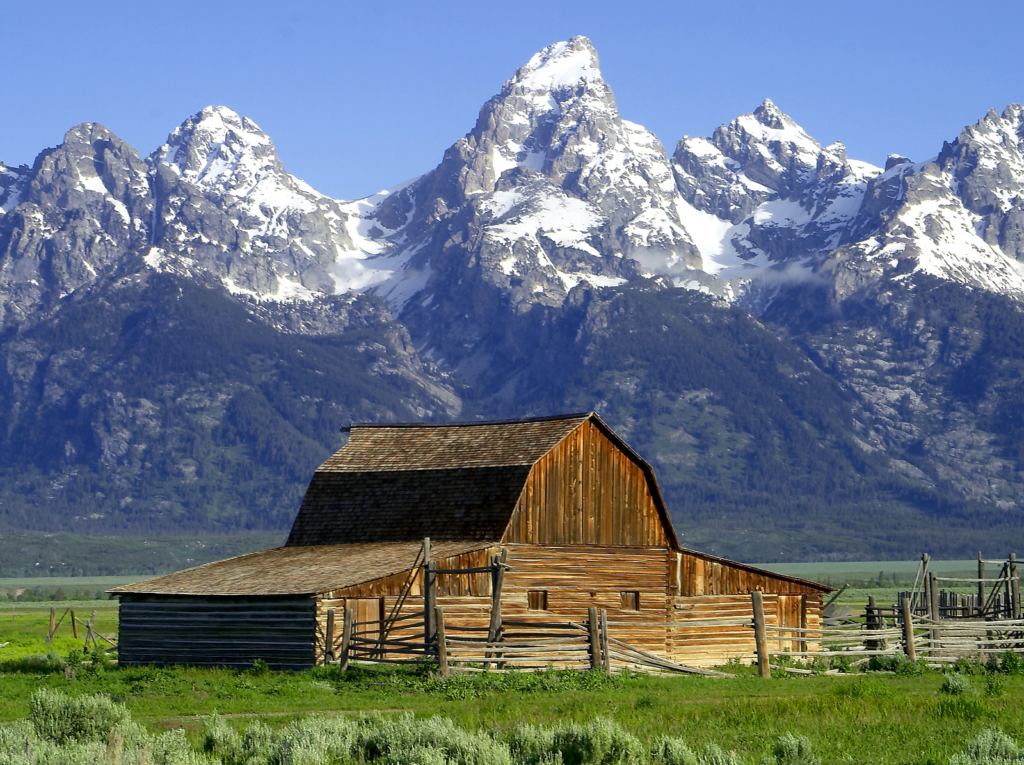
Grand Teton National Park was established in 1929 (expanded in 1950) to protect the dramatic Teton Range rising sharply from Jackson Hole valley, alongside lakes and rivers. Iconic views include Jenny Lake, Schwabacher Landing reflections, and wildlife like moose, bison, and grizzlies. Hiking, boating, and climbing abound. Its proximity to Yellowstone creates a combined Greater Yellowstone Ecosystem experience, with stunning sunrises over snow-capped peaks.
9. Olympic National Park, Washington (3.5 million visitors)

Olympic was designated a national park in 1938 to protect its three distinct ecosystems: temperate rainforests, rugged Pacific coastline, and alpine mountains. Hoh Rain Forest receives over 140 inches of rain annually, with moss-draped trees; Hurricane Ridge offers panoramic views; and Ruby Beach features sea stacks. The park shelters Roosevelt elk, black bears, and tide pool life, with diverse habitats from old-growth forests to subalpine meadows.
10. Glacier National Park, Montana (3.1 million visitors)
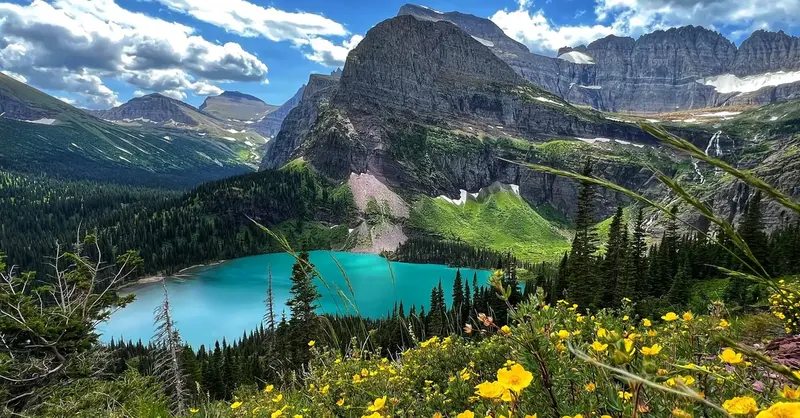
Glacier National Park was established in 1910 as the “Crown of the Continent,” famous for its glacier-carved peaks, though many glaciers have receded due to climate change. Going-to-the-Sun Road crosses the park with stunning vistas, while lakes like Two Medicine and Many Glacier offer boating and hiking. Grizzly bears, mountain goats, and wildflowers thrive here, with the park’s alpine scenery and historic lodges providing timeless appeal.
These top 10 national parks represent the pinnacle of America’s natural heritage, drawing record crowds in 2025 for their unparalleled beauty and accessibility. Whether you’re chasing waterfalls, wildlife, or epic vistas, they remind us why protecting these treasures matters. Plan your visit responsibly—book ahead, follow Leave No Trace principles, and help ensure these wonders endure for future generations. Which one tops your bucket list?