
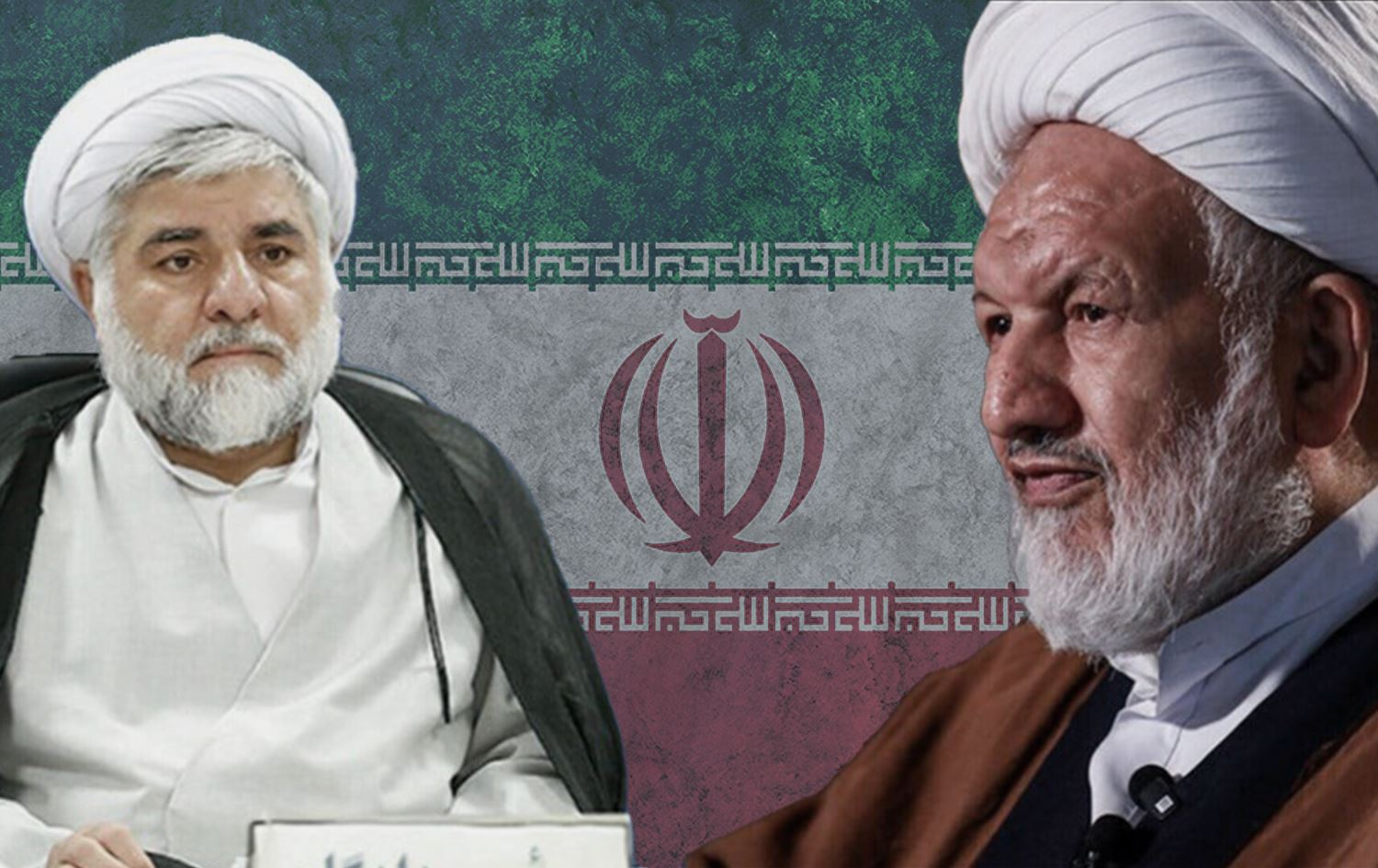
Two Judges Shot Dead in Supreme Court of Iran has sent shockwaves through the country, raising questions about the safety of judicial officials, the stability of the Iranian government, and the possible motivations behind such a brazen attack.
The victims, Ali Razini and Mohammad Moghiseh, were killed in an apparent premeditated assassination while they were carrying out their judicial duties in Tehran.
The attack has left the nation on edge as authorities scramble to investigate the motives behind the killings, with both judges having played key roles in the enforcement of the country’s harsh judicial practices.
The Assassination of Two Senior Judges
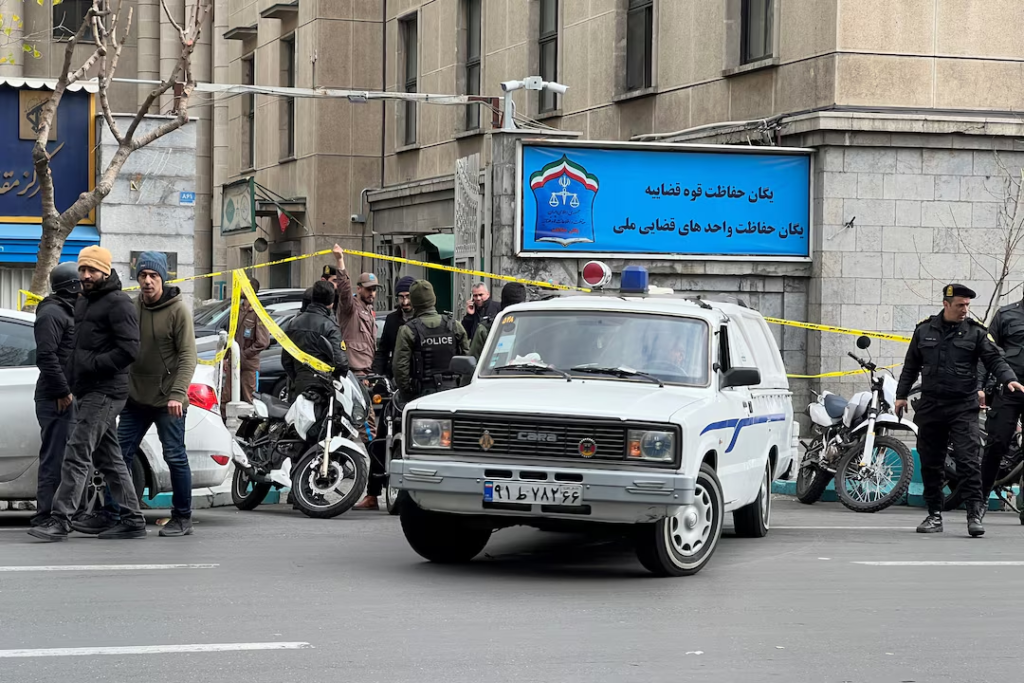
On a quiet Saturday morning, two senior Iranian judges were shot dead in what appeared to be a targeted assassination within the hallowed halls of the Supreme Court in Tehran.
The judges, Ali Razini and Mohammad Moghiseh, were both high-ranking members of Iran’s judiciary and had been involved in overseeing some of the country’s most controversial judicial proceedings.
According to reports, the gunman entered the court and shot both judges at close range before fleeing the scene. In a tragic twist, the attacker subsequently killed himself while trying to escape, adding an additional layer of complexity to an already shocking crime.
Iran’s judiciary has long been a powerful institution, with significant influence over the country’s political landscape. Both Razini and Moghiseh had held crucial positions in the judicial system for decades, which makes their assassination all the more striking.
They were responsible for some of the most important decisions in Iran’s judicial history, including the confirmation of death sentences, particularly for those seen as political enemies or opponents of the Islamic government.
The attack, described by the judiciary’s media office as a premeditated assassination, has left many wondering about the identity of the attacker and the possible motives behind such a brazen act.
The judiciary’s official statements indicated that the attacker had no known connection to any ongoing cases before the Supreme Court. However, the killers’ precise motives remain unclear, and officials are still working to determine if the assailant acted alone or was part of a larger network with broader political objectives.
Read : Satellite Photos Show Iran Expanding Missile Production: Assessed by American Researchers
The murder of such prominent figures in Iran’s judicial establishment has raised fears of an escalation of violence against government officials and institutions, with many wondering whether this is a sign of deepening instability or a targeted effort to destabilize the ruling regime.
The Background of Ali Razini and Mohammad Moghiseh
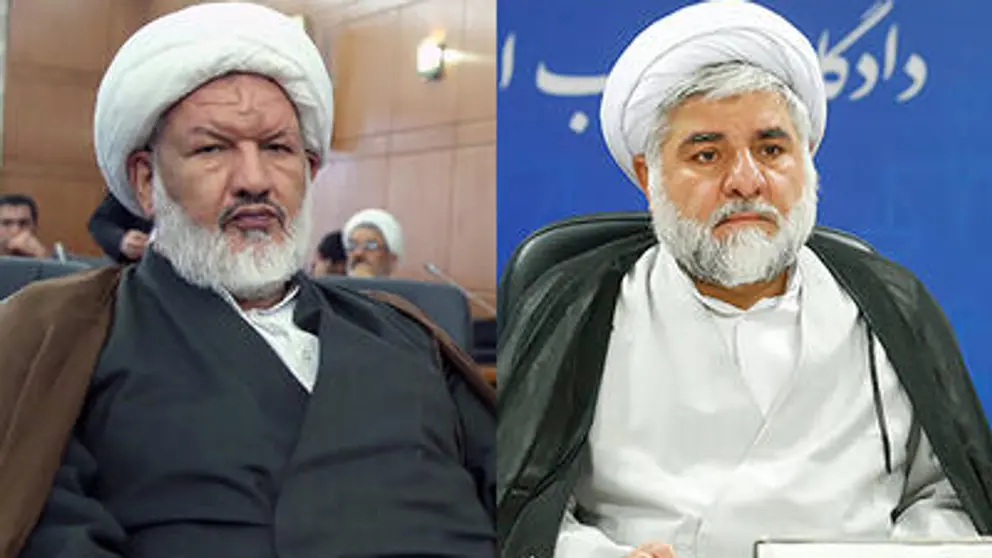
The two judges who lost their lives in the attack, Ali Razini and Mohammad Moghiseh, were not just any ordinary members of the judiciary; they were among Iran’s most senior and controversial figures. Both men had long and turbulent careers in the country’s justice system, playing pivotal roles in shaping the country’s approach to law, order, and human rights.
Ali Razini was 71 years old at the time of his death and had been a fixture in Iran’s judicial system for decades. Razini had an extensive career in which he was known for his hardline stance on legal issues and his close association with the conservative elements of the Islamic government.
His involvement in the judiciary can be traced back to the early days after the 1979 revolution, and he had become one of the most powerful figures in the country’s legal establishment. Razini was responsible for overseeing various high-profile cases, including those involving political dissidents, activists, and individuals accused of challenging the regime.
In addition to his role in the judiciary, Razini had survived an assassination attempt back in 1998. This earlier attempt on his life highlighted the risks associated with being a prominent figure within the Iranian judicial system, where many individuals involved in such high-level cases face threats of violence or retaliation. Despite this earlier attack, Razini continued to serve in his position until his untimely death in 2023.
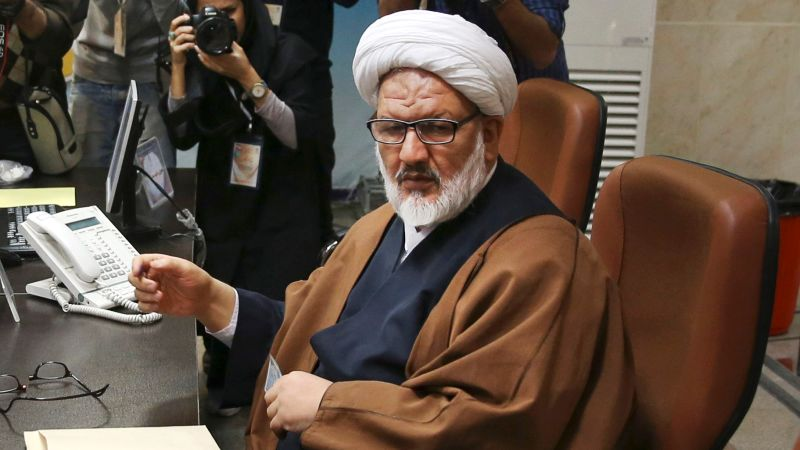
Mohammad Moghiseh, 68, was another veteran judge who played a significant role in Iran’s legal proceedings. Moghiseh’s career in the judiciary was marked by his involvement in cases that drew international attention due to the accusations of human rights violations associated with his decisions.
Moghiseh was specifically known for his harsh stance on political activists, and he was linked to the confirmation of death sentences for individuals accused of being involved in anti-government activities.
As a result of his actions, Moghiseh had been sanctioned by the European Union, the United States, and Canada for his role in upholding the regime’s crackdown on dissent.
Moghiseh’s involvement in overseeing some of the most controversial legal proceedings in Iran has made him a polarizing figure. While supporters of the government saw him as a protector of Islamic law and order, critics viewed him as a key enforcer of repressive policies aimed at silencing opposition voices. His death raises questions about the level of animosity directed at those who have long been associated with the regime’s tough stance on human rights.
Together, these two judges represented the conservative, hardline elements of the Iranian judiciary, where decisions often had a significant impact on the political landscape. Their deaths have not only shocked Iran but have also sent ripples through international human rights communities that had long condemned their roles in upholding controversial practices.
The Political Implications and Ongoing Investigation
The assassination of two senior members of the Iranian judiciary is undoubtedly a political act, though the motivations behind it remain uncertain. While there is speculation that the attack was politically motivated, with the assailant potentially being driven by opposition to the regime, the details of the investigation are still unfolding.
One possible explanation for the attack could be the growing discontent among various factions within Iran’s political and social spheres. Over the years, the country has seen a series of protests and uprisings, many of which have been fueled by opposition to the Islamic government’s strict policies, human rights abuses, and economic challenges.
The judiciary, particularly judges like Razini and Moghiseh, has long been viewed as a pillar of the regime, ensuring the continued dominance of the hardline factions. It is not unreasonable to speculate that the killings could be a response to the perceived repression of opposition voices and a sign of deepening frustration with the system.
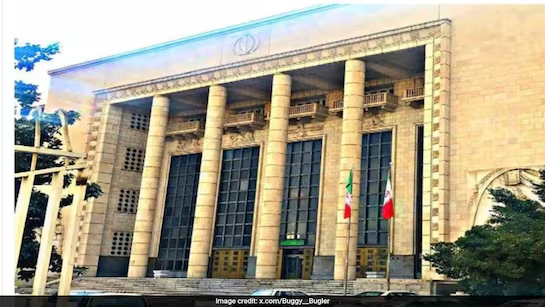
In a statement following the attack, Iranian officials described the incident as a premeditated assassination. Investigators have been trying to determine whether the attacker acted alone or was part of a larger conspiracy.
Given the high-profile nature of the victims, the authorities will likely face intense scrutiny as they work to uncover the full details of the plot. The involvement of other individuals or groups in orchestrating the attack remains a significant area of investigation.
At this stage, it is too early to determine whether this attack will mark the beginning of a new wave of violence targeting high-ranking members of the Iranian government or judiciary.
However, it certainly raises questions about the vulnerability of those who hold powerful positions within the regime. The attack also underscores the growing tension between the Iranian state and its critics, as well as the risks faced by those who serve as enforcers of its policies.
A Turning Point for Iran’s Judiciary?
The brutal assassination of Ali Razini and Mohammad Moghiseh has left an indelible mark on the Iranian judiciary and sparked widespread speculation about the future of the country’s political system.
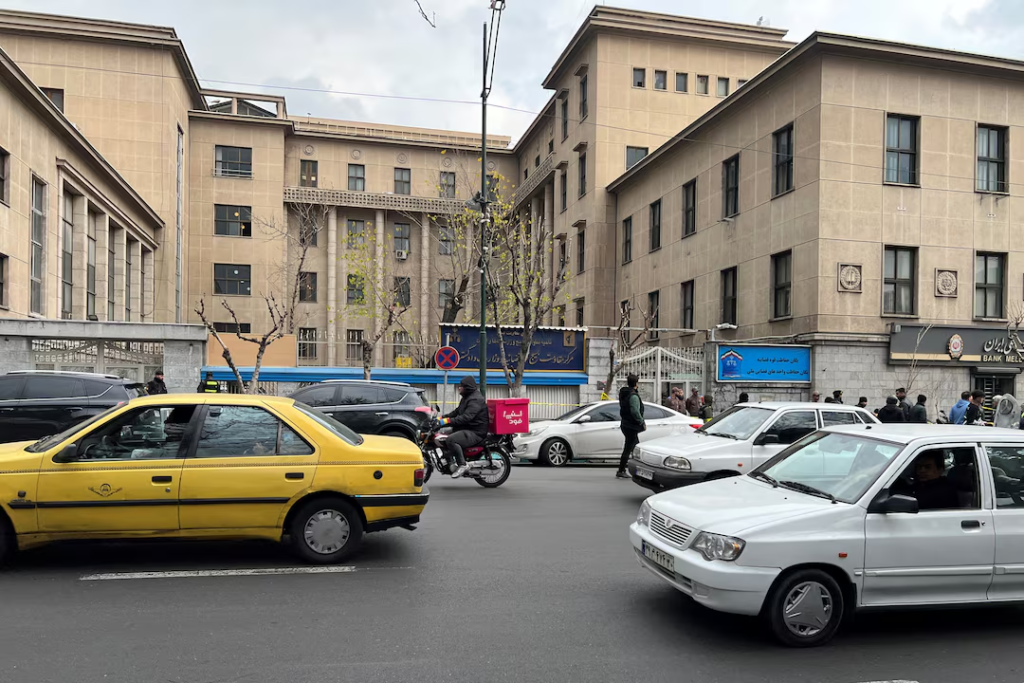
While the investigation into the motives behind the attack is ongoing, it is clear that the incident reflects the growing volatility in Iran, where political unrest and disillusionment with the regime have been escalating in recent years.
For the Iranian judiciary, the killings of two prominent judges serve as a stark reminder of the risks involved in upholding the harsh policies of the regime. The legacy of these judges, both of whom were deeply entrenched in the establishment’s efforts to suppress dissent, will continue to haunt the nation as it grapples with the impact of this tragedy.
As authorities continue their investigation and seek to identify those responsible, the broader implications of the attack will likely continue to reverberate across the country and beyond.
Whether this marks the beginning of a more intense period of political violence or a turning point in Iran’s judicial and political landscape remains to be seen. What is certain, however, is that this event will have a lasting impact on both the government’s legitimacy and the stability of the Iranian state.