
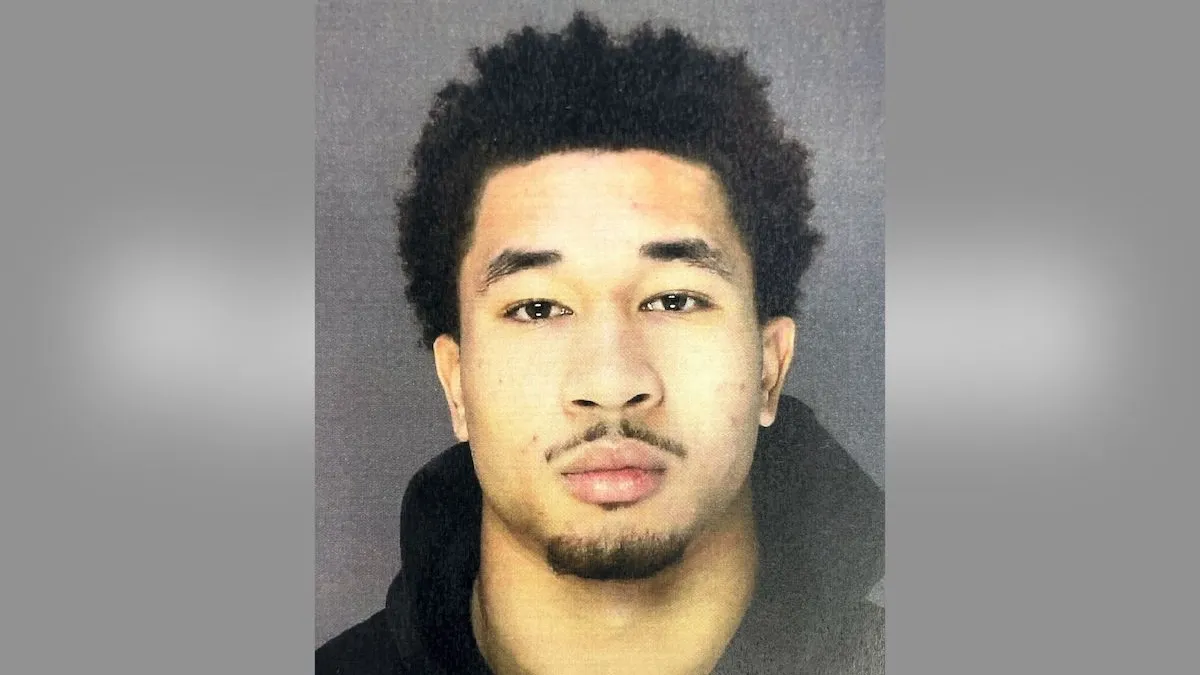
A Villanova University freshman football player has been charged with multiple serious criminal offenses following allegations of a sexual assault involving another student, according to court records and statements from the university. The case has drawn attention both because of the severity of the charges and because the accused is a student-athlete at a prominent private university.
Authorities say the alleged incident occurred inside a campus residence hall, raising concerns about student safety, institutional responsibility, and the legal processes that follow accusations of sexual violence within higher education settings. As the case proceeds through the criminal justice system, it also unfolds against the backdrop of Villanova’s stated commitment to maintaining a safe campus environment and supporting those affected by sexual misconduct.
Charges and Allegations Detailed in Court Records
D’hani J. Cobbs, 20, a freshman at Villanova University and a member of the school’s football program, has been charged with sexual assault, rape, aggravated assault, and indecent assault. Cobbs is from Sicklerville, New Jersey, and is a 2025 graduate of Camden High School. Court records indicate that he was arrested on Friday and is currently being held on $250,000 bail. He is scheduled to appear for a preliminary hearing on Feb. 12.
According to reporting by The Villanovan, the alleged assault took place on Dec. 7 inside a Villanova University dormitory. Authorities have said the female victim was a guest in the residence hall at the time of the incident. No further details about the circumstances of the alleged assault or the relationship between the individuals involved have been released publicly, and law enforcement has not disclosed additional information about the investigation.
Cobbs’ attorney could not immediately be reached for comment, and no public statement has been issued on his behalf. As with all criminal cases, the charges represent allegations, and Cobbs is presumed innocent unless and until proven guilty in a court of law. The preliminary hearing will determine whether prosecutors have sufficient evidence to move the case forward to trial.
Read : Why Youngsters Are Struggling with Anger Issues and How to Solve Them
The charges filed against Cobbs are among the most serious under Pennsylvania law. Rape and sexual assault charges can carry significant prison sentences if a defendant is convicted, while aggravated assault and indecent assault add further potential legal consequences. The high bail amount set by the court reflects the gravity of the accusations and the potential penalties involved.
Villanova University’s Response and Campus Implications
Villanova University acknowledged the charges and addressed the situation in an emailed statement, emphasizing its stance on sexual misconduct and campus safety. “Sexual violence of any kind is not tolerated on our campus and we are committed to both supporting the victim and fostering a safe environment for all of our students,” the university said. The statement further noted that the institution is “deeply troubled any time we receive reports of such misconduct,” underscoring that student safety remains a priority.
While the criminal case is being handled by law enforcement and the courts, universities often conduct parallel internal reviews when students are accused of serious violations of campus policies. Villanova has not publicly disclosed whether it has initiated a Title IX investigation or other internal disciplinary proceedings related to the case, nor has it detailed what interim measures, if any, have been put in place. Such measures can include restrictions on campus access, housing changes, or suspension from university activities while investigations are ongoing.
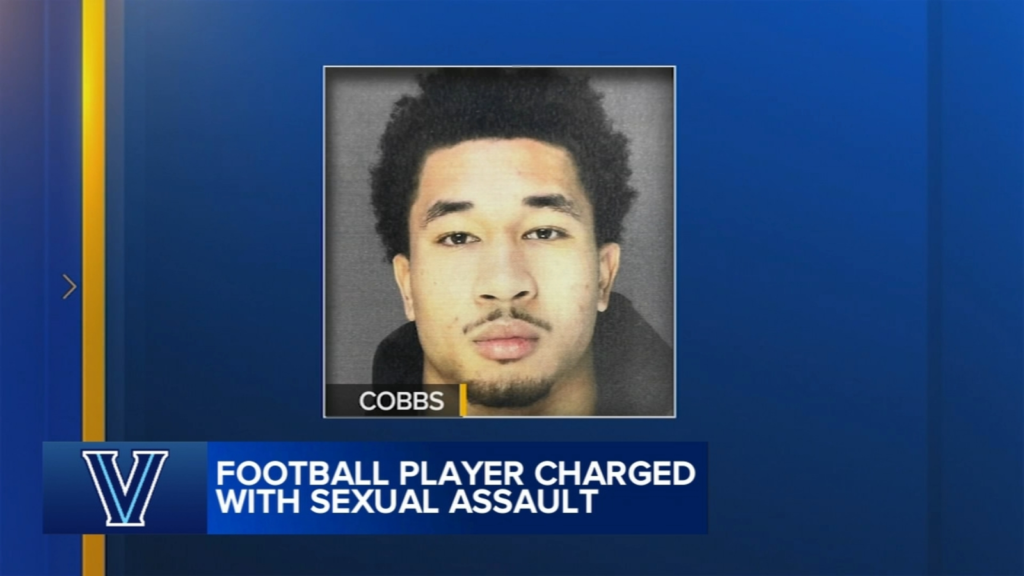
The alleged incident occurring within a university residence hall has heightened scrutiny on campus safety protocols, particularly regarding guest access and supervision within student housing. Residence halls are typically considered controlled environments, and incidents that occur in these settings often prompt institutions to reexamine security measures, reporting procedures, and student education initiatives related to consent and sexual misconduct.
Villanova’s statement focused on its commitment to supporting the victim, though it did not outline specific resources being offered. Many universities provide counseling services, academic accommodations, and access to advocacy offices for students affected by sexual violence. The case has also likely prompted conversations among students and faculty about reporting mechanisms and the university’s handling of such allegations.
Background of the Accused and Athletic Program Context
Cobbs joined Villanova University as a freshman receiver on the football team for the 2025 season. Following news of his arrest, his biography was removed from the university’s athletic website, a step commonly taken by athletic departments when players face serious criminal charges. Villanova has not issued a separate public statement specifically addressing Cobbs’ status with the football program.
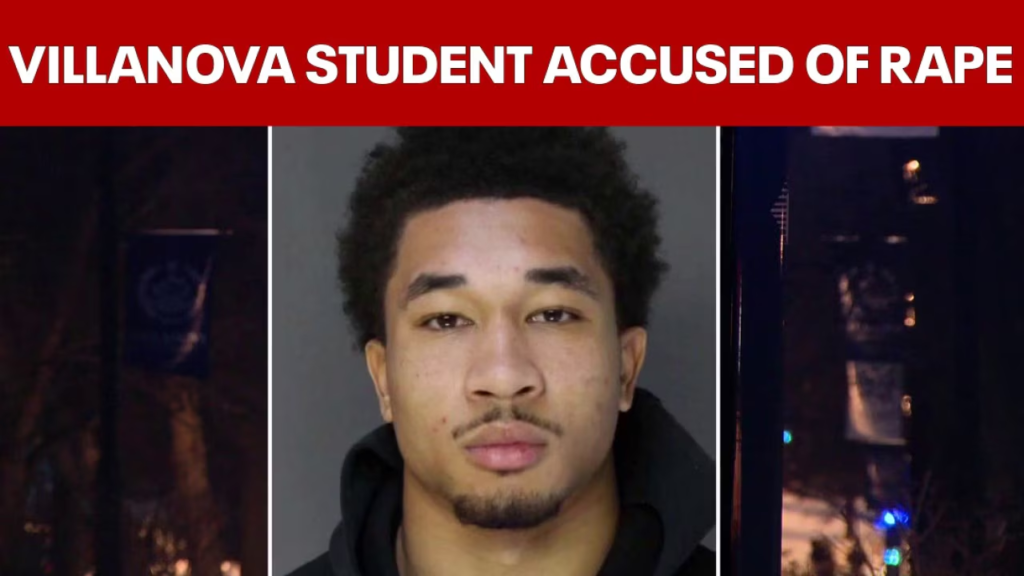
Before enrolling at Villanova, Cobbs attended Camden Catholic High School as a freshman before transferring to Camden High School, where he completed his final three years and graduated in 2025. His progression from high school football in New Jersey to a Division I program placed him in a visible position on campus, which can intensify public attention when allegations arise.
Cases involving student-athletes often raise broader questions about how universities balance athletic participation with accountability and student conduct standards. While there is no indication that Cobbs’ status as a football player influenced the charges or the bail decision, the involvement of a varsity athlete can bring additional media scrutiny and institutional pressure.
Athletic programs are typically subject to both university conduct codes and conference or NCAA expectations regarding player behavior. Depending on the outcome of the criminal case and any internal university proceedings, potential consequences could range from suspension to dismissal from the team and the university. At this stage, Villanova has not publicly detailed any disciplinary action beyond the removal of Cobbs’ athletic profile.
As the case moves forward, attention will likely remain focused on the legal process, the university’s response, and the broader implications for campus safety. The preliminary hearing scheduled for Feb. 12 will mark the next significant step, determining whether prosecutors can proceed with the charges based on the evidence presented.
Hi there I am so happy I found your weblog, I really found you by error, while I was researching on Google for something else, Anyways I am here now and would just like to say many thanks for a fantastic post and a all round entertaining blog (I also love the theme/design), I don’t have time to look over it all at the minute but I have book-marked it and also included your RSS feeds, so when I have time I will be back to read a lot more, Please do keep up the awesome job.