
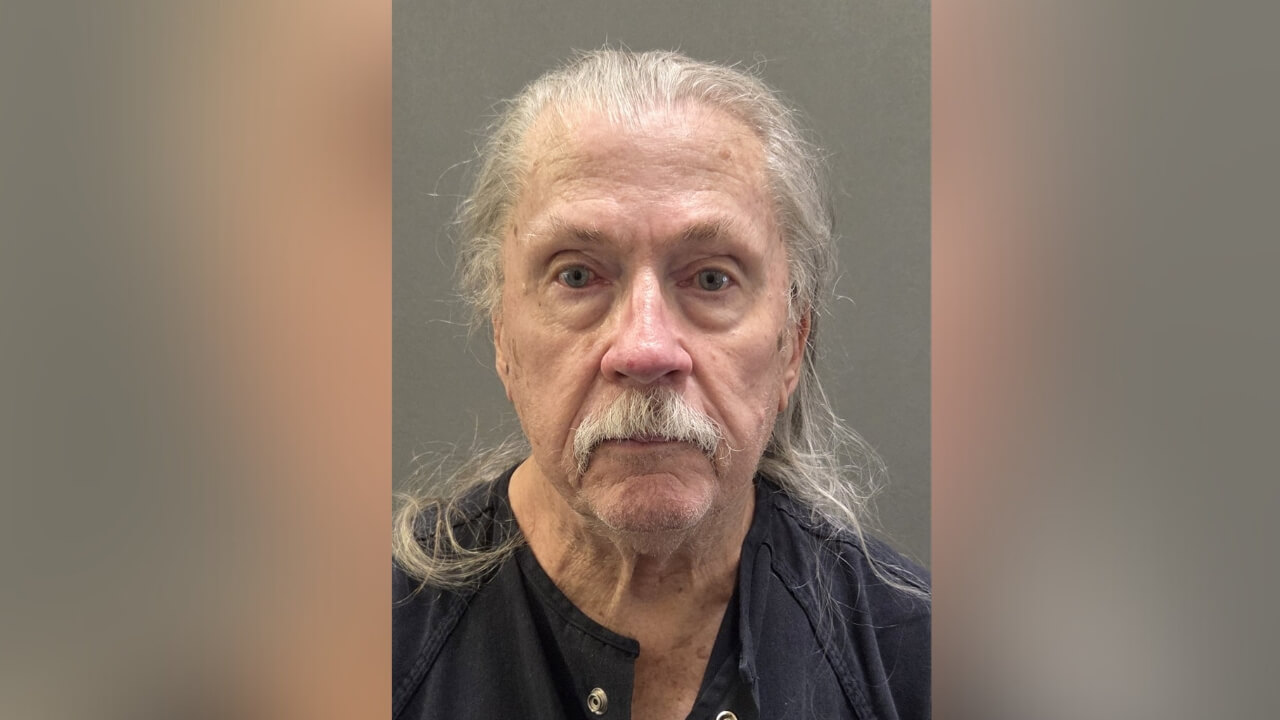
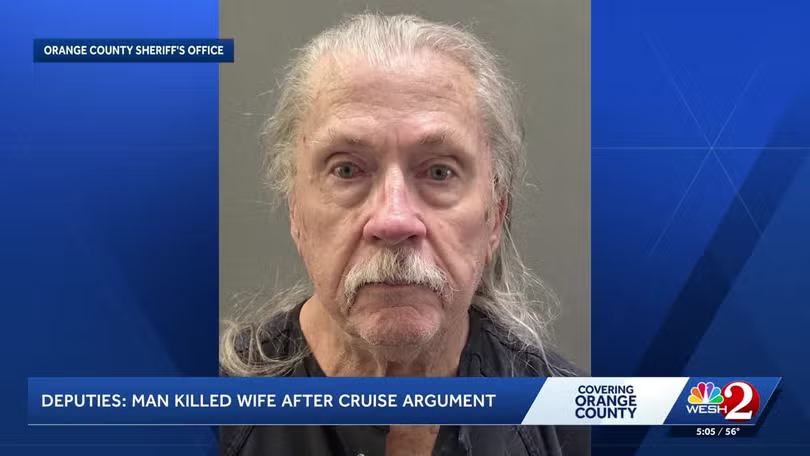
An 80-year-old Florida man has been charged with first-degree murder after authorities say he fatally shot his 83-year-old wife during an argument over whether to go on a cruise. According to investigators, the incident occurred on February 21 and ended with a phone call to police in which the husband allegedly admitted to the killing.
The case has drawn attention not only because of the ages of those involved, but also because of the circumstances described in court documents, including statements about long-term caregiving and emotional strain. Law enforcement officials say the suspect made clear admissions at the scene, and formal charges have since been filed as the legal process moves forward.
The Events Leading to the Shooting
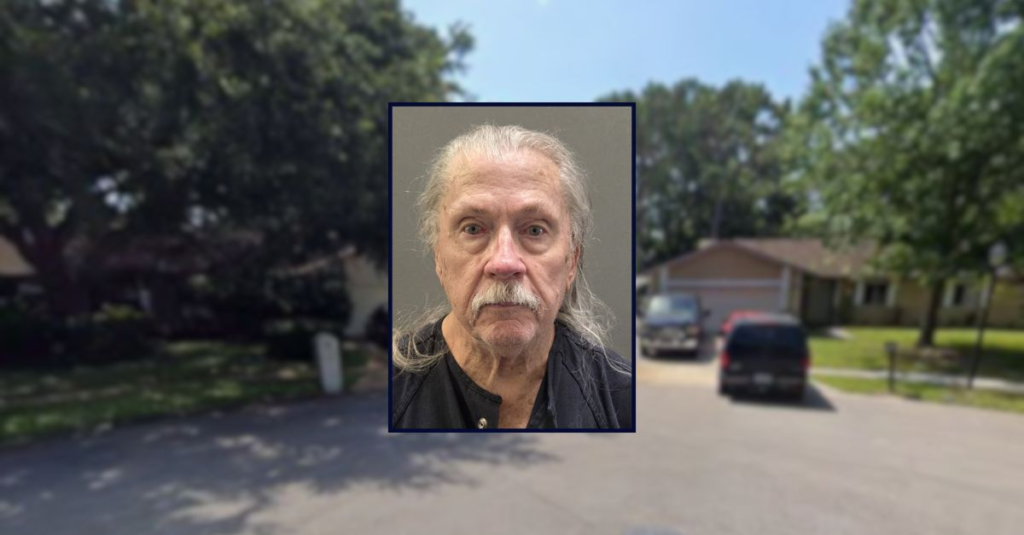
According to an affidavit reviewed by media outlets, 80-year-old William Simmons contacted authorities on February 21 and told dispatchers that his wife was “down” and unable to speak. Deputies responded to the couple’s Florida residence, where they discovered 83-year-old Nancy Simmons unresponsive in the kitchen. She had sustained a gunshot wound to her upper body. A shotgun and an empty shell casing were reportedly found nearby. She was pronounced dead at the scene.
Investigators say Simmons admitted responsibility for the shooting when officers arrived. He allegedly told deputies that the couple had been arguing about going on a cruise when tensions escalated. During questioning, Simmons reportedly stated that his wife had used profanity toward him repeatedly during the dispute, which he claimed triggered his actions. According to the affidavit, he retrieved a shotgun from his bedroom closet during the argument and returned to confront her.
Authorities allege that Simmons told his wife he had “had enough” and that he could pull the trigger. When she continued swearing at him, he allegedly fired once, striking her. Law enforcement officials stated that Simmons later confirmed that his wife had not attempted to physically harm him and that the shooting was not an act of self-defense. He also reportedly told officers that he was not under the influence of alcohol or drugs at the time.
The direct nature of the alleged confession has become a central component of the case. Investigators say the suspect remained at the scene and did not attempt to flee. After placing the call to authorities, he waited for deputies to arrive. Law enforcement documentation indicates that he described the events in detail and acknowledged that he had intentionally pulled the trigger.
Read : Thailand Becomes Third Asian Country to Legalize Same-Sex Marriage After Taiwan and Nepal
Simmons was subsequently arrested and charged with first-degree murder. Under Florida law, first-degree murder involves premeditated intent or the commission of a felony resulting in death. The affidavit suggests that prosecutors believe the act met the legal threshold for premeditation, based on the retrieval of the firearm and the verbal exchange described before the shooting occurred.
Statements About Dementia and Long-Term Strain
In addition to describing the immediate argument, Simmons reportedly told investigators that his wife had been living with dementia. According to the affidavit, he stated that he had been dealing with her condition “for too long.” He also reportedly expressed that he “loved the old Nancy” but would rather live in prison than continue coping with the situation as it had become.
Read : Jose Luna Charged with Murder in Killing of Wife Alisett Schubert During Argument
Dementia is a progressive neurological condition that can significantly alter memory, personality, communication abilities, and behavior. Caregiving for a spouse with dementia can present emotional, physical, and psychological challenges, particularly for elderly caregivers who may themselves face health limitations. While the affidavit notes Simmons’ remarks about his wife’s condition, authorities have not indicated that dementia played any legal role in the charges filed against him.
Law enforcement documentation makes clear that Simmons allegedly acknowledged that his wife did not pose a physical threat to him during the confrontation. His statements reportedly emphasized frustration rather than fear. He also told investigators he was not acting in self-defense and was not impaired at the time of the shooting.
The mention of dementia has prompted broader public discussion about caregiver stress and the pressures faced by elderly couples dealing with chronic illness. However, legal experts typically note that frustration or caregiving fatigue does not excuse acts of violence under criminal law. Prosecutors will likely focus on whether the act was intentional and premeditated rather than on the emotional context described by the suspect.
There has been no public indication that Simmons had previously reported concerns to authorities about his wife’s condition or sought outside intervention related to domestic conflict. Investigators have not released information suggesting a prior history of violent incidents at the residence. The affidavit centers primarily on the events of February 21 and the statements allegedly made following the shooting.
Legal Proceedings and Community Response
William Simmons has been formally charged with first-degree murder. The charge carries severe penalties under Florida law, including the possibility of life imprisonment if convicted. Court proceedings will determine whether prosecutors can establish premeditation beyond a reasonable doubt. In cases involving an alleged confession, defense strategies often focus on the context in which statements were made, mental state considerations, and procedural issues such as Miranda rights.
Read : Christopher Trybus Charged with Manslaughter of Wife Tarryn Baird
At this stage, authorities have not publicly disclosed whether Simmons has retained legal representation or what arguments his defense may present in court. The affidavit describes what investigators believe to be a deliberate act following a heated argument. Prosecutors are expected to argue that retrieving the firearm from a bedroom closet and returning to confront his wife demonstrates intent and planning, even if the time frame was short.
Under Florida statutes, premeditation does not require extended planning; it can be formed in a brief moment if there is conscious intent before the act is carried out. The case has also sparked conversations within the community about elder domestic violence, mental health support for caregivers, and access to conflict resolution resources. Domestic violence is not limited by age, and experts note that older adults can face unique barriers when seeking help, including isolation, financial dependence, and limited mobility.
Local law enforcement agencies typically encourage individuals experiencing intense domestic disputes to seek assistance before situations escalate. Crisis intervention programs, mental health services, and caregiver support groups are among the resources commonly cited as preventive measures in high-stress household environments. As the investigation continues, officials have indicated that additional details may emerge through court filings and hearings. The Orange County Sheriff’s Office has not released further public comment beyond confirming the arrest and charge.
The case now moves into the judicial phase, where evidence will be examined and legal arguments presented before a court. The death of Nancy Simmons marks a tragic conclusion to a long marriage, according to investigators’ descriptions. While the affidavit provides insight into the alleged events of that day, many questions about the couple’s personal history and daily life remain outside the public record. Court proceedings will ultimately determine legal responsibility and sentencing, should a conviction occur.
The incident serves as a reminder of how quickly domestic conflicts can escalate when firearms are accessible and emotions run high. Authorities continue to emphasize that disputes, regardless of their origin, must be addressed through lawful and nonviolent means. The outcome of this case will depend on the evidence presented in court and the legal standards applied by the judicial system.