

The quiet streets of San Bernardino County, California, became the scene of a harrowing attack that has left a community shaken and a teenage girl facing a long road to recovery. On July 17, 17-year-old Tracy Hurtado was out for a routine jog when she encountered a terrifying danger—a pack of at least ten large-breed dogs, all reportedly unleashed and unfenced, that descended upon her with ferocity.
The attack left Hurtado with severe injuries, altering the trajectory of her final year of high school and igniting questions about animal safety, accountability, and public protection in the area. Nearly a month later, the owner of the dogs, 61-year-old Craig Arthur Simmons, was taken into custody on August 13, facing charges of being the owner of an animal that caused serious bodily injury. This incident underscores the devastating potential of domestic animals when kept in unsafe conditions and serves as a cautionary tale for pet owners and communities alike.
The Attack: A Routine Jog Turned Nightmare
Tracy Hurtado was preparing for a milestone in her life: the start of her senior year of high school. On that fateful July morning, she set out for a jog, unaware that her familiar surroundings would turn into a scene of terror. According to the San Bernardino County Sheriff’s Department, Simmons’ property housed more than a dozen dogs, with at least ten of them being large-breed animals. These dogs were reportedly not restrained by fences or leashes, allowing them free access to the surrounding areas.
As Hurtado jogged near the property, the dogs charged at her, attacking with a relentless intensity. Deputies reported that the dogs bit her multiple times on her arms and legs, resulting in extensive lacerations, abrasions, and even flesh removal. The severity of the injuries prompted immediate action from bystanders, one of whom bravely intervened to rescue Hurtado from further harm. Emergency responders quickly transported her to Loma Linda University Medical Center, where she received urgent medical attention.
Read : What Are the Warning Signs of a Silent Heart Attack?
The psychological impact of such an attack is just as profound as the physical injuries. Hurtado’s mother, Maria Azpeitia, shared her heartbreak as she comforted her daughter in the aftermath. “I got close to her and she’s like, ‘Mom, am I still pretty?’” Azpeitia recounted. The innocence and vulnerability of Hurtado in that moment reflect the traumatic nature of the event. Beyond the visible injuries, Hurtado has had to cope with nightmares, difficulty sleeping, and the emotional toll of suddenly being unable to resume her daily life as a teenager.
Legal Consequences: Simmons Faces Serious Charges
Following the attack, authorities launched an investigation that eventually led to the arrest of Craig Arthur Simmons. On August 13, nearly a month after the incident, Simmons was booked into High Desert Detention Center on suspicion of being the owner of an animal that caused serious bodily injury or death. The charges carry significant legal consequences and highlight the responsibility of pet owners to ensure the safety of their animals and the public.
Read : Mauledcore! Woman Loses Arm After Lion Bite at Darling Downs Zoo
Simmons’ case raises broader questions about animal control regulations, particularly concerning the management of large or potentially dangerous breeds. Communities rely on laws that mandate proper fencing, leashing, and supervision of pets to prevent incidents like this. The fact that Simmons’ dogs were able to roam freely and attack a passerby demonstrates a breach of these responsibilities, bringing the importance of enforcement and accountability into sharp focus.
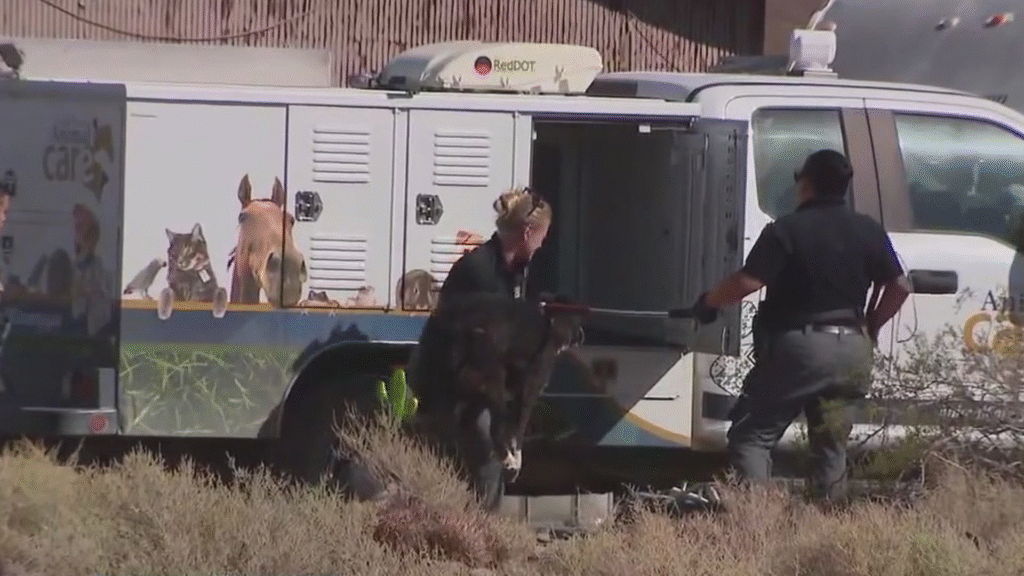
The legal process ahead for Simmons will likely involve testimony from witnesses, including the Good Samaritan who intervened during the attack, as well as assessments of the dogs’ behavior and any previous complaints about their conduct. The outcome of this case could set a precedent for how similar incidents are handled in California, impacting both local animal control policies and the responsibilities of pet owners across the state.
The Road to Recovery: Physical and Emotional Healing
For Tracy Hurtado, the aftermath of the attack has been nothing short of life-altering. With severe injuries to her arms and legs, she has had to pause her education and undergo extensive medical treatment and rehabilitation. According to a GoFundMe campaign set up to support her recovery, titled “Support Tracy’s Recovery Journey,” the community has rallied to provide financial assistance, raising $28,000 to help cover medical expenses and therapy costs.
Recovery from such an attack is multifaceted, encompassing both physical and emotional healing. The physical injuries sustained in dog attacks can require surgeries, extensive wound care, and months of physical therapy to regain full mobility. For a teenager preparing for her senior year of high school, these challenges are compounded by the disruption of her academic and social life.
Equally important is addressing the psychological trauma. Survivors of dog attacks often experience post-traumatic stress disorder (PTSD), anxiety, and sleep disturbances. In Tracy Hurtado’s case, nightmares and difficulty sleeping have been reported, which are common signs of trauma following a sudden and violent incident. The support of her family, friends, and the wider community plays a crucial role in helping her navigate this difficult period. Counseling and therapy, alongside medical treatment, are essential components of a comprehensive recovery plan.
The GoFundMe campaign not only provides financial support but also serves as a reminder of the community’s empathy and solidarity. In times of crisis, collective efforts can significantly impact the healing process, offering emotional reassurance and practical resources to victims of such traumatic events. Tracy Hurtado’s journey underscores the importance of community involvement in supporting victims of violent incidents, whether caused by human actions or the negligence of animal owners.

The attack on Tracy Hurtado by Craig Arthur Simmons’ pack of dogs is a stark reminder of the potential dangers posed by uncontrolled animals and the responsibilities of pet owners. As Tracy Hurtado continues her recovery, both physically and emotionally, the incident has drawn attention to the need for stricter adherence to animal control laws, public awareness about pet safety, and community support for victims.
Simmons’ arrest and pending legal proceedings underscore the accountability that comes with owning large or potentially dangerous animals. This tragic event has left a lasting impact on Tracy, her family, and the San Bernardino community. It highlights the importance of vigilance, responsible pet ownership, and rapid intervention in emergencies.
The bravery of the Good Samaritan who rescued Tracy Hurtado demonstrates the profound difference that quick action can make in life-threatening situations. As the community rallies around her, the story of Tracy Hurtado serves as both a cautionary tale and a testament to human resilience in the face of trauma.
Tracy Hurtado’s journey is far from over, and the support of her community, medical professionals, and mental health experts will be critical in ensuring she can regain her sense of safety, continue her education, and heal from the ordeal. Incidents like these remind us all that the responsibility for safety extends beyond individual households to encompass community awareness, proactive prevention measures, and compassion for victims navigating the aftermath of violence—whether human or animal.
The San Bernardino attack will be remembered not only for its immediate horror but also for the lessons it imparts about the intersection of human and animal responsibility, legal accountability, and the profound resilience required to overcome trauma. As Tracy Hurtado moves forward, her story may inspire stronger regulations, greater public awareness, and a renewed commitment to safeguarding communities against preventable tragedies.