
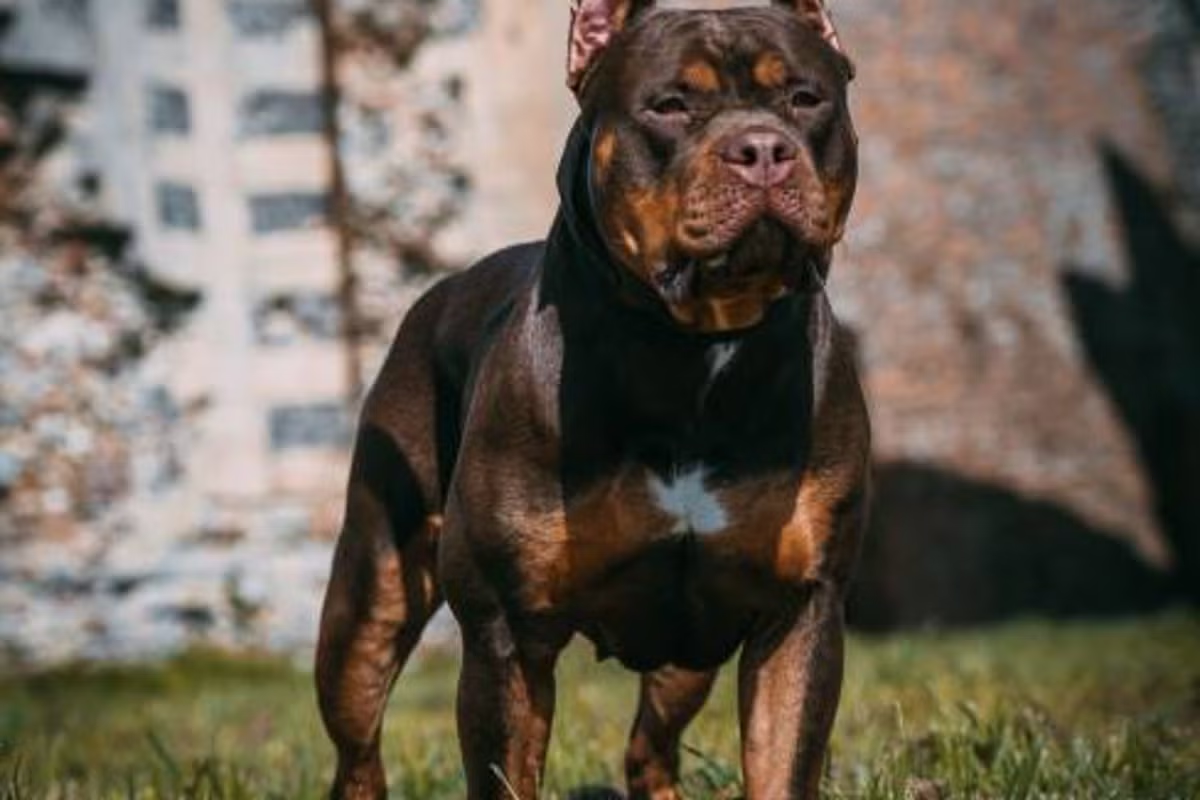
In a heartbreaking incident that has sent shockwaves through a quiet North Yorkshire village, 10-year-old Savannah Skye Bentham was tragically killed by her family’s pet XL bully dog. The attack occurred in the family’s static caravan in East Heslerton, near Malton, where Savannah Bentham lived with her parents, Tracey and an unnamed father, and the six-year-old dog named Biggie. What began as an ordinary afternoon turned into unimaginable horror when the family pet, described by loved ones as a “lazy dog” with whom Savannah shared a close bond, suddenly turned aggressive.
This devastating event underscores the unpredictable dangers posed by certain dog breeds, even in loving homes, and has reignited national conversations about pet safety and breed-specific legislation. Savannah, a bright and affectionate child known for her excitement over animals—previously caring for a bearded dragon lizard—was simply watching television alone in the caravan when the tragedy unfolded. Her mother, Tracey Bentham, had stepped out briefly to fetch her father, Mark, to fix a faulty gas canister connection for the caravan’s heating and hot water.
In that short absence, the unthinkable happened. When Tracey returned, she discovered her daughter in a fetal position on the floor, severely injured, with Biggie present and covered in blood. The scene was one of pure devastation, as emergency responders and even nearby neighbors rushed to aid the young girl, but despite their valiant efforts, Savannah could not be saved. She was pronounced dead at 4:45 p.m. that day from catastrophic neck injuries, as confirmed by pathologist Dr. Bolton during the subsequent inquest.
The loss of Savannah has left her family in profound grief. In the immediate aftermath, they issued a statement expressing their utter shock: “We are utterly shocked and devastated by what happened to Savannah. We can’t believe we have lost our wonderful girl who we love so much. We thank everyone for their support and kindness as we struggle to come to terms with our loss. We ask that our family’s privacy is respected while we grieve for Savannah.” At the inquest held on September 23, 2025, at Northallerton Coroner’s Court, family members wiped away tears as the details were recounted, a poignant reminder of the raw pain that lingers nearly a year later.
The Tragic Afternoon: A Timeline of Unimaginable Loss
To understand the full weight of this tragedy, it’s essential to reconstruct the events of that fateful day, pieced together from police investigations and inquest testimony. The Bentham family had recently settled into their static caravan on a private yard behind a local shop in East Heslerton, a serene rural spot far removed from urban chaos. Life there was simple and close-knit, with Savannah Bentham eagerly embracing her role in the household, including helping care for the family pets.
Biggie, the XL bully acquired about four years prior, had been a fixture in their lives—a large, imposing dog that neighbors described as well-looked-after and previously well-behaved. Local accounts painted a picture of a gentle giant, often seen lounging lazily around the property, earning his affectionate nickname from the family.
The day started routinely. In the early afternoon, Mark Bentham visited to deliver and install a new gas canister, ensuring the caravan’s essentials were in order. Later, as the hot water system faltered, Tracey Bentham left Savannah in the caravan with instructions to watch TV while she sought her father’s help once more. The outing was meant to be momentary—just a quick walk to locate Mark. No one could have foreseen the peril in that brief separation.
Detective Chief Inspector Matthew Wilkinson, who led the North Yorkshire Police investigation, provided harrowing details during the inquest. Upon Tracey’s return, she encountered a nightmare: her daughter crumpled on the floor, motionless, with the dog nearby, its fur matted with blood. “Savannah was in a fetal position in the address and the dog was present and covered in blood,” Wilkinson recounted, his words hanging heavy in the courtroom.
Read : Lions Mauls Zookeeper Jian Rangkharasamee To Death In Front Of Visitors at Safari World zoo
Panic ensued as Tracey raised the alarm. Mark, alerted immediately, acted swiftly to secure Biggie in a car to prevent further harm, while neighbors and staff from a nearby business—moved by the cries for help—rushed to the scene. They performed CPR on the tiny frame, their hands trembling as they fought to stem the bleeding from the severe neck wounds inflicted by the dog’s bites.
An inquest has found a 10 year-old girl died by injuries inflicted by the family dog in North Yorkshire.
— Greatest Hits Radio York & North Yorkshire (@GHRYork) September 23, 2025
⁰Savannah Skye Bentham from the #Malton area was killed in November last year.⁰⁰Our senior reporter Karen Liu is outside Northallerton Coroners Court 👇 pic.twitter.com/q2eMszV5jH
Paramedics arrived promptly, their sirens piercing the rural quiet, but the injuries proved too grave. Savannah’s grandmother formally identified her body later that afternoon, a task no family member should ever face. The inquest heard that there were no witnesses to the exact moment of the attack, leaving a haunting void in the narrative. Yet, what is clear is the ferocity of the assault: multiple bites to the neck that severed vital structures, leading to rapid blood loss and cardiac arrest. Dr. Bolton’s pathology report was unequivocal—death resulted directly from these injuries, with no underlying health issues contributing to Savannah’s vulnerability.
In the chaotic hours that followed, police cordoned off the area, launching a thorough probe into the “out-of-character” behavior of a dog that had shown no prior aggression. Autopsies were conducted on both Savannah Bentham and Biggie to explore any medical factors, such as undetected illnesses in the animal that might have triggered the outburst. The community, stunned by the loss of such a vibrant child, rallied with quiet support—flowers left at the caravan site, whispers of condolences in the village pub. For the Benthams, though, the timeline of that afternoon etched itself into eternity: a routine errand, a loving pet left to guard, and a child’s life extinguished in solitude.
Unraveling the Mystery: Why Did Biggie Attack?
At the heart of this tragedy lies a perplexing question: why would a dog so deeply integrated into family life suddenly become a killer? Biggie, a seven-year-old XL bully (noted variably as six in some reports), had been with the Benthams for four years, forming what police described as a “close, loving relationship” with Savannah Bentham. Neighbors echoed this sentiment, with one local farmer telling media outlets that the dog was “certified and well looked after,” a “very big dog” but one that had never posed a threat. The family themselves referred to him as their “lazy dog,” a gentle soul who lounged more than he lunged.
North Yorkshire Police’s investigation delved into this anomaly, examining behavioral patterns, environmental triggers, and the dog’s health. One key line of inquiry focused on Biggie’s physiology—an autopsy was performed to check for tumors, neurological issues, or pain that could have provoked an otherwise placid animal. Preliminary findings suggested no obvious medical culprits, but the full results were not publicly detailed to respect the ongoing sensitivity.
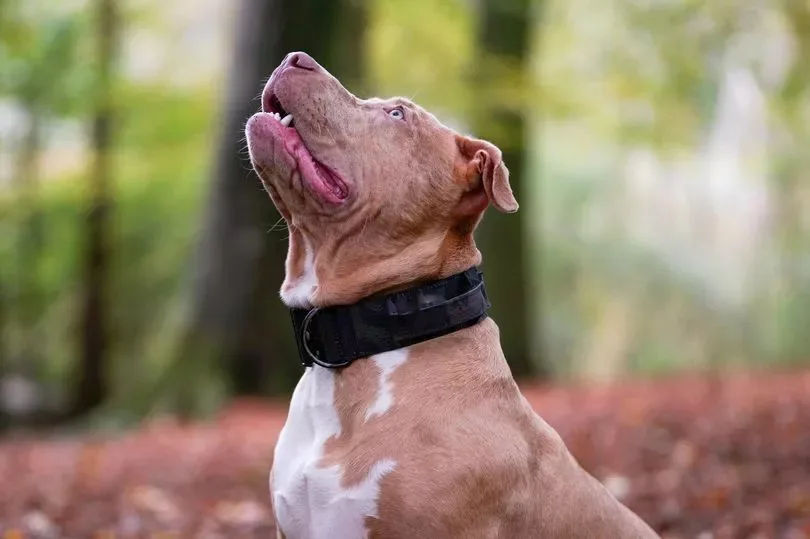
Environmental factors were also scrutinized: Was there a startling noise from the TV? A territorial instinct flared by the mother’s brief absence? Or simply the inherent unpredictability of a breed known for its strength and, in some cases, protective drives that can misfire catastrophically? The inquest shed light on Biggie’s history. There had been zero prior incidents of aggression—no bites, no growls, no warning signs. He was kept muzzled in public as required, but at home, he roamed freely as a beloved companion.
Wilkinson testified that the attack appeared isolated, defying the patterns seen in many dog maulings where escalating warnings precede violence. This “out-of-character” nature compounded the family’s bewilderment, turning grief into a search for elusive answers. Coroner Jon Heath, in his narrative conclusion, acknowledged this void: “Savannah Skye Bentham died as a consequence of injuries inflicted on her by the family dog.” No blame was apportioned; instead, the ruling emphasized the tragic confluence of circumstances.
Experts in canine behavior, though not directly involved, have long noted that XL bullies—a variant of the American bully breed—possess powerful jaws and muscular builds that amplify the risk in any aggressive episode. Even well-socialized specimens can snap under stress, a reality that experts attribute to genetics intertwined with nurture. In the Bentham case, nurture seemed exemplary: regular vet checks, ample exercise in the rural setting, and integration into daily family rhythms. Yet, as the inquest closed, the mystery persisted, a somber caution that no amount of love can fully domesticate instinct.
Legal Shadows and Lasting Echoes: Breed Bans in the Spotlight
Savannah Bentham’s death arrives against a backdrop of stringent UK laws targeting XL bullies, laws that the Bentham family had meticulously followed. Since February 2024, it has been illegal to sell, breed, abandon, or give away American XL bullies without an exemption certificate. Existing owners, like the Benthams, were required to neuter their dogs, microchip them, and ensure muzzles in public spaces. Biggie met all criteria: neutered, certified, and compliant. North Yorkshire Police confirmed this adherence, noting that the exemption was in place and the dog had been humanely put down by a vet immediately after the attack.

This compliance did little to prevent the horror, prompting renewed scrutiny of the Dangerous Dogs Act amendments. Critics argue the ban, while well-intentioned, creates a false sense of security—exempted dogs remain potent risks in private settings, where muzzles are absent. Supporters counter that without such measures, incidents like Savannah’s would surge. The inquest, brief yet poignant, avoided policy debates, with Coroner Heath extending “sincere condolences” to the family before adjourning further proceedings if needed. No charges were filed; the focus remained on closure, not culpability.
For the broader community, the echoes are profound. East Heslerton, a tight-knit village of rolling fields and modest homes, has grappled with collective mourning. Vigils were held in November 2024, with residents sharing memories of Savannah’s laughter echoing from the caravan. Schools in nearby Malton incorporated counseling, helping children process the loss of a peer. Nationally, the story has fueled media coverage, with outlets highlighting it as a stark reminder of pet ownership’s responsibilities. Animal welfare groups urge enhanced training for owners of restricted breeds, while lawmakers ponder tighter home-safety protocols.
As the Bentham family navigates their unimaginable void—perhaps through therapy, memorials, or quiet reflection—the legacy of Savannah endures. She was more than a victim; she was a girl who dreamed of pets, who lit up rooms with her curiosity. Her story compels us to honor her by fostering safer homes, informed choices, and unwavering vigilance. In a world where love for animals intersects with peril, Savannah’s light serves as both beacon and warning: cherish the bonds, but never underestimate their fragility.