
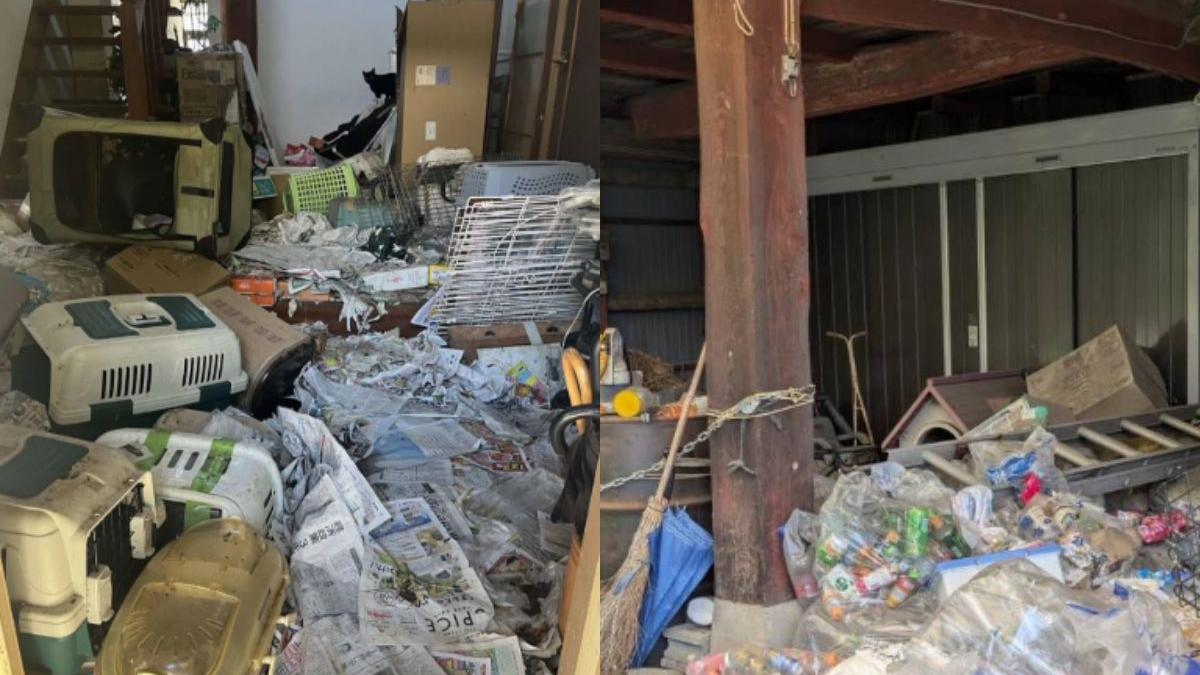
A disturbing discovery in southwest Japan has shaken the nation’s trust in the very organizations meant to protect vulnerable animals. In what is being described as a house of horror, nearly 100 dead cats were discovered in a home belonging to a staff member of Animal Assist Senju, a group known for rescuing and rehoming abandoned cats and dogs.
The woman, once trusted with the care of countless animals, is now at the center of an unfolding scandal marked by neglect, suffering, and tragic death. The incident came to light when city officials and animal rights volunteers responded to reports of a feline death in Kumamoto City.
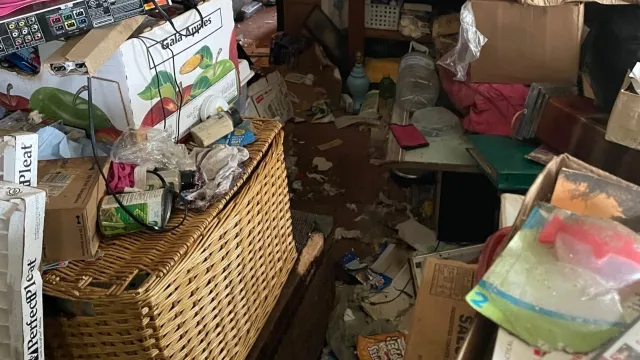
What began as a routine inspection quickly spiraled into a nightmarish discovery. Investigators described the home as being filled with faeces, urine, and rotting trash. One of the dead cats found had its skin partly peeled off and was lying with its paws soaked in its own filth. The scene was so distressing that even seasoned animal welfare volunteers were reportedly shaken.
The Horrific Scene Behind Closed Doors
The home, situated in a quiet neighborhood of Kumamoto City, concealed a horrifying secret. For days, perhaps weeks or even longer, the corpses of cats lay decomposing in piles of refuse. The unbearable stench, mixed with ammonia from urine and decay, permeated the entire house. It was clear the cats had suffered prolonged neglect before they died, many likely from starvation, illness, or untreated injuries.
Animal Assist Senju, the group the woman was affiliated with, expressed deep sorrow and disbelief over the situation. On social media, the group published images of the house’s interior, revealing heaps of garbage and signs of extreme filth. Their Instagram post confirmed that the woman had been acting independently, taking in cats without informing or seeking the group’s approval.
Read : Shere Hite Arrested After 22 Dead Cats Found at Her Home In Morgan City
The group admitted its failure to monitor her activities more closely and issued a public apology. “All the members of our group take what happened very seriously,” their statement read. “We can only imagine what agonising pain the cats went through before dying.” They emphasized that the woman is no longer permitted to keep any animals and that stricter monitoring procedures are being considered to prevent such cases in the future.
A Breakdown in Oversight and Responsibility
This incident has cast a spotlight on the often-overlooked dangers of unchecked animal hoarding, even within animal rescue groups themselves. While the intention to help may start out noble, without proper infrastructure, mental health support, and oversight, the results can be catastrophic—not only for the animals involved but also for the people responsible.
Read : Choosing Your Perfect Pet: Dog vs. Cat
Animal hoarding is a recognized mental health condition that involves keeping more animals than a person can properly care for. It often stems from a desire to rescue animals but quickly spirals into neglect and suffering. In this case, the woman’s affiliation with a legitimate animal welfare group may have masked her deteriorating capacity to provide adequate care. Without regular check-ins or internal regulation, her behavior went unnoticed until it was too late.
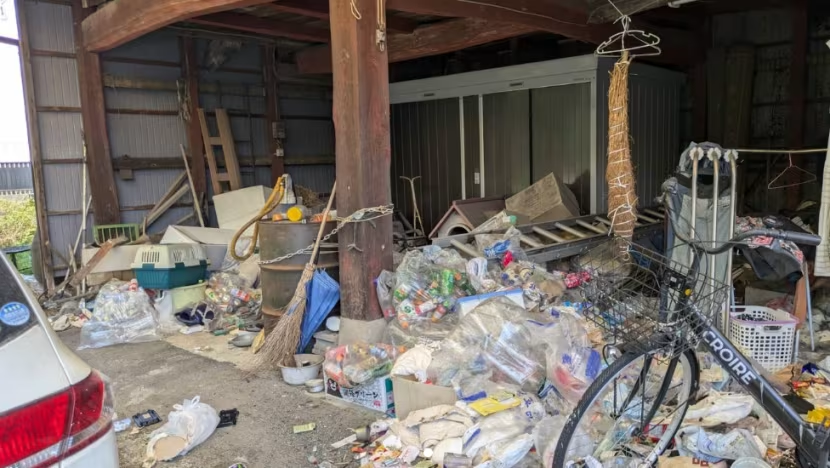
The city’s animal protection center was notified of a possible case of feline death and visited the home on two occasions before launching a comprehensive rescue operation. While they managed to save twelve live cats, the fate of the others was already sealed. Officials now suspect the actual number of dead cats may be higher than initially estimated.
What’s particularly tragic is that the woman may have believed she was helping these animals. However, intention without action, or worse, action without competence or accountability, led to unimaginable suffering. The situation underscores the urgent need for clearer regulations and support systems within animal welfare organizations—especially those that rely on volunteers and staff with limited resources and training.
The Aftermath and Public Reaction
The case has triggered a wave of outrage and sorrow across Japan and beyond. Animal lovers, activists, and ordinary citizens have taken to social media to express their grief, anger, and disbelief. Many have questioned how such a tragedy could occur within an organization dedicated to animal welfare and why no warning signs were caught earlier.
City officials have remained largely tight-lipped about any potential legal action. At this point, it is unclear whether criminal charges will be filed against the woman, though public pressure is mounting for a thorough investigation. The rescued cats are reportedly receiving medical care and will be monitored before any decisions are made about their future.
Animal Assist Senju has pledged to overhaul its internal systems to ensure that no single individual is ever again allowed to operate in isolation. They are considering mandatory mental health evaluations for staff, routine home checks, and better communication protocols. The group is also collaborating with local authorities to develop guidelines that can be shared with other organizations nationwide.
In response to the incident, advocacy groups have called for a broader national conversation on animal hoarding and the importance of mental health support for caregivers. They argue that Japan needs stronger laws not only to protect animals from cruelty but also to detect and intervene in cases of hoarding before they escalate to this level of devastation.
For now, the squalid house in Kumamoto stands as a grim symbol of failed intentions, oversight breakdowns, and the quiet suffering of those who cannot speak. It is a wake-up call for the entire animal welfare community and a stark reminder that compassion alone is not enough—it must be matched with responsibility, resources, and accountability.