
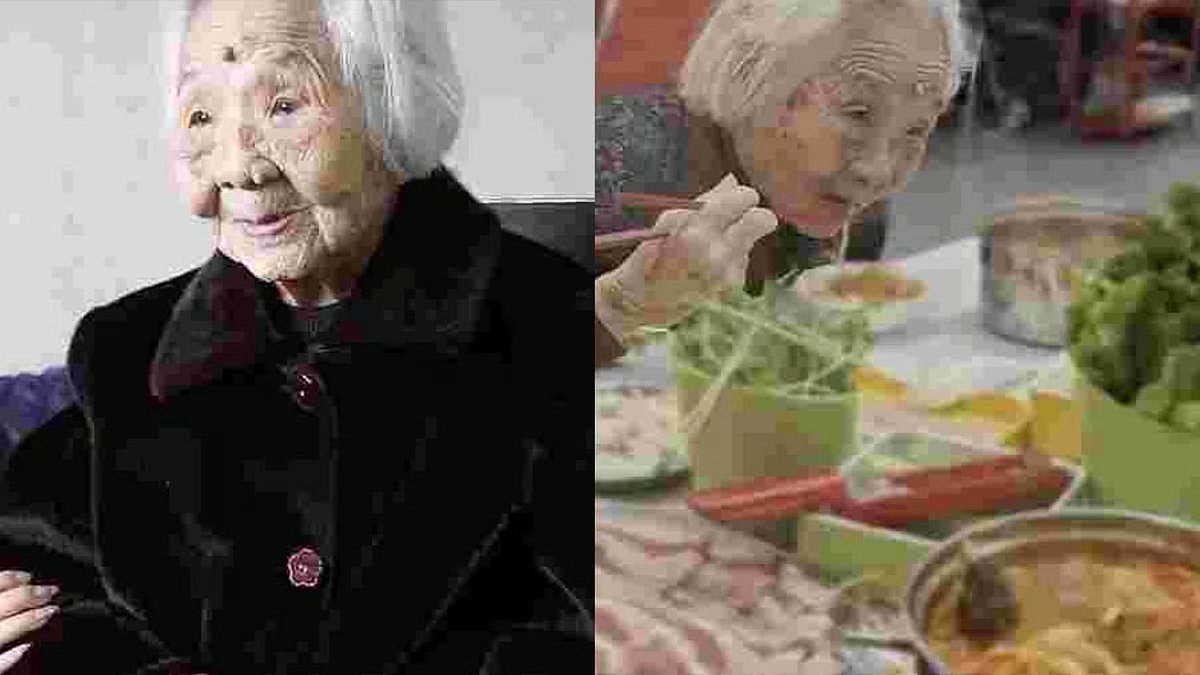
In an era dominated by wellness checklists, early bedtimes, calorie tracking and strict daily regimens, the story of a 101-year-old woman from eastern China has captured global attention for doing almost everything “wrong” yet ageing remarkably well. Jiang Yueqin, a centenarian from Wenzhou in Zhejiang province, has become an unlikely symbol of healthy ageing precisely because she defies conventional advice.
Her routine includes staying awake until the early hours of the morning, waking up late, enjoying pastries and snacks at night, and living without a rigid schedule. Despite this, she remains active, emotionally balanced, and notably, still has all her natural teeth. Her story, first reported by The South China Morning Post and amplified across social media, has sparked conversations about whether longevity is shaped more by mindset than by rules.
Rather than promoting extremes or dismissing medical science, Jiang’s life offers a rare real-world example of how individual rhythms, emotional calm, and consistency over decades can sometimes outweigh prescriptive health norms. Her experience challenges the idea that there is only one correct way to age well, encouraging a more nuanced understanding of health that includes psychological well-being alongside physical habits.
A Routine That Defies Modern Health Advice
By most modern standards, Jiang Yueqin’s daily schedule appears to contradict nearly every guideline commonly promoted for healthy living. While experts frequently recommend waking early, eating structured meals, avoiding late-night screen time, and cutting down on sugary snacks, Jiang follows a markedly different pattern that suits her body and temperament.
Her day typically begins around 10 a.m., long after sunrise. Instead of a traditional breakfast, she starts with a strong cup of green tea, easing herself into the day rather than rushing through morning rituals. Lunch functions more like brunch, aligning with her later wake-up time. Evenings are reserved for relaxation, particularly watching television, a habit she enjoys without concern for clock-watching. It is not uncommon for her to stay awake until 2 a.m., comfortably settled into her routine.
Food is another area where her habits diverge from prevailing advice. Jiang enjoys a range of snacks, particularly in the evening. These include biscuits, crisps, dried sweet potatoes, shaqima, and local pastries. Her favourite indulgence is Matisong, a traditional pastry from Wenzhou. She does not eliminate sugar, nor does she adhere to strict portion rules, yet she eats slowly and mindfully, chewing carefully and stopping when satisfied.
Read : Naomie Pilula Slams Netizens for Criticizing Her Big Nose
Perhaps the most striking detail is her dental health. At 101, Jiang Yueqin has never worn dentures and has not required major dental procedures. She continues to chew her food comfortably, a rarity even among much younger adults. While genetics may play a role, her long-standing habits of slow eating and thorough chewing are believed to have helped preserve her teeth and jaw health over time.
Read : Discover Vancouver: A Guide to the Jewel of the Pacific Northwest
Importantly, Jiang’s lifestyle is not chaotic or indulgent in excess. While it appears relaxed, it is consistent. Her body has adapted to a rhythm that remains largely unchanged day to day. This regularity, even if unconventional, may be one of the key factors supporting her physical stability in old age.
How Circumstances Shaped Her Reverse Schedule
Jiang Yueqin’s late-night routine was not something she followed throughout her entire life. According to her family, the shift occurred relatively recently, following an injury two years ago. After suffering a fall that injured her hand and required surgery, her family asked her to stop doing household chores and physically demanding work. This sudden reduction in daily responsibilities altered her natural activity cycle.
With more time to rest during the day, Jiang began taking afternoon naps. Gradually, this pushed her bedtime later, and over time, her body fully adjusted to the new pattern. Rather than forcing herself back into an earlier schedule, she allowed the change to settle naturally. This adaptability appears to have prevented sleep disturbances or fatigue, as she reportedly sleeps deeply and wakes feeling refreshed.

Her meal timings also adjusted alongside her sleep cycle. Breakfast was replaced by brunch, dinner moved to around 6 p.m., and if hunger appeared later in the evening, she allowed herself a light snack around 9 p.m. There was no rigid enforcement of eating windows or fasting periods. Instead, her routine evolved organically in response to her body’s signals. This gradual adaptation is significant. Sudden lifestyle changes, especially in older adults, often lead to stress, sleep disruption, and physical discomfort.
Jiang Yueqin’s experience demonstrates how gentle transitions, rather than forced discipline, can support well-being even in advanced age. Her family describes her as cooperative but independent in spirit. She accepts help when needed but prefers to live without unnecessary restrictions. This balance between support and autonomy has allowed her to maintain a sense of control over her life, which researchers increasingly recognize as important for mental health in the elderly.
Peace of Mind as the Foundation of Longevity
When asked about the secret behind Jiang Yueqin’s long and healthy life, her family does not point to supplements, exercise regimens, or strict diets. Instead, they consistently emphasize her calm temperament and stress-free mindset. Jiang Yueqin is known for avoiding conflict, letting go of grudges, and maintaining emotional balance even during difficult periods. Her daughter, Yao Songping, has shared that Jiang rarely feels anxious and does not dwell on worries.
Read : Netizens in Tears Watching Viral Video of Elephant Mourning After Partner of 25 Years Died in Russia
She sleeps soundly, wakes without agitation, and approaches each day with quiet acceptance rather than urgency. This emotional steadiness may be one of the most overlooked contributors to her longevity. Scientific research increasingly supports the idea that chronic stress accelerates ageing by affecting hormonal balance, inflammation, and immune function. While Jiang Yueqin may not consciously practice meditation or stress management techniques, her lifestyle naturally minimizes psychological strain.
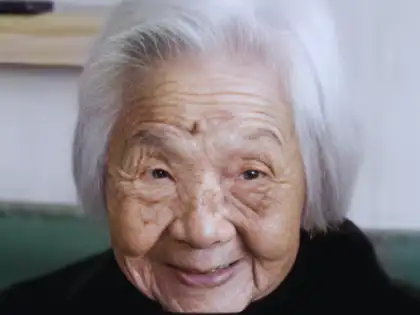
She lives without pressure to meet external expectations, a factor that may have protected her mental and physical health over decades. Her approach to food also reflects emotional balance. She eats without guilt, enjoys flavours without excess, and does not rush meals. This relaxed relationship with eating may contribute to better digestion and metabolic health, even when food choices are not strictly “healthy” by modern standards.
Jiang Yueqin’s life does not suggest that late nights and snacks are universally beneficial. Rather, it highlights the importance of alignment between lifestyle and individual physiology. Her routine works because it suits her body, personality, and long-term habits. Attempts to impose drastically different patterns might have caused more harm than good.
The online reaction to her story reflects growing fatigue with one-size-fits-all wellness advice. Many viewers have noted that her life demonstrates how health is not solely about discipline or denial, but about contentment, consistency, and emotional ease. While her habits may not be replicable for everyone, the principles underlying her longevity, particularly peace of mind and self-awareness, resonate widely.
At 101, Jiang Yueqin continues to smile, enjoy her favourite snacks, and live quietly on her own terms. Her story does not dismiss medical guidance, but it reminds us that human health is complex, shaped by decades of habits, emotions, relationships, and adaptability. In a world increasingly focused on optimization, her life stands as evidence that sometimes, thriving comes not from strict control, but from living lightly and listening closely to oneself.