
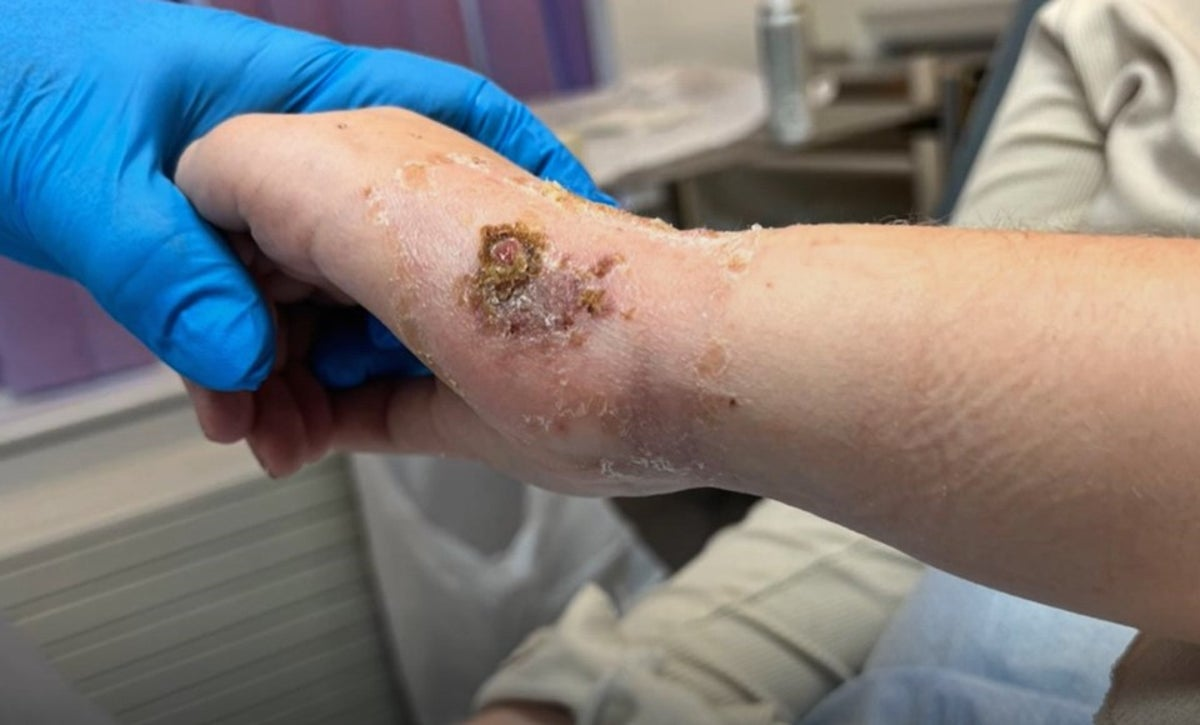
The story of 12-year-old Chloe Norris is a heartbreaking reminder of the hidden dangers lurking behind seemingly harmless beauty products, especially those purchased online. What began as a festive Christmas gift turned into a devastating ordeal that has left Chloe with severe burns and uncertain prospects for full recovery in her hands.
This incident not only highlights the risks associated with unregulated cosmetic products but also serves as a crucial warning for parents, consumers, and regulators alike.
The Incident: A Christmas Gift Gone Horribly Wrong
Chloe Norris, a young schoolgirl from Kent, England, received a false nail set as a Christmas present from her parents in 2023. The set, purchased from the online marketplace Temu, included a bottle of nail glue.
Stacey Norris, Chloe’s mother, inspected the package and found nothing amiss. She assumed the product had passed safety regulations and was safe for her daughter to use. However, disaster struck as Chloe was applying the manicure set. While handling the nail glue, she accidentally knocked the bottle over, causing the glue to spill onto the skin of her hands.
Almost immediately, Chloe experienced an intense, sharp pain unlike anything she had ever felt before. Despite her mother’s prompt action to wash off the glue and apply antiseptic cream, the damage was done.
At first, Chloe only had a few small blisters and went to school as usual. But as hours passed, the condition of her hands worsened dramatically. The skin began blistering severely, prompting emergency medical treatment. Upon examination, doctors discovered that the nail glue had burnt through the skin all the way to the nerve endings, inflicting deep tissue damage.
Read : Man’s Lips Sealed After He Applied Superglue on Them for Instagram Video: Watch
Chloe was transferred to a specialist burns unit where surgeons had to remove the damaged skin and replace it with skin grafts taken from her thigh. Although the surgery was successful, the road to recovery remains uncertain. Medical experts have warned that Chloe might never regain full sensation or movement in her hands, casting a shadow over her future quality of life.
The Hidden Dangers of Nail Glue and Unregulated Products
Nail glue is a common product used to attach artificial nails or nail art, but it contains powerful chemical compounds such as ethyl cyanoacrylate and other acrylates. These substances can cause serious skin irritation, redness, blistering, and even chemical burns if mishandled or if the product is substandard. The risk escalates when products are purchased from unregulated online sources where safety assessments and ingredient disclosures may be inadequate or absent.
Read : Farmers of Nazca Found ‘Alien Mummies’ in Cave of Peru
The Chartered Trading Standards Institute (CTSI) has issued a stern warning regarding these potent chemicals, emphasizing that even products deemed “safe” contain strong adhesives that should be handled with caution. In particular, CTSI highlights the dangers posed by products lacking proper safety testing, ingredient transparency, and clear usage instructions.

Kerry Nicol, External Affairs Manager at CTSI, underscored that parents often opt for easy-to-use stick-on nails or home manicure kits without realizing that many online products may not meet safety standards. For children especially, who may be more sensitive or less experienced in handling such chemicals, the consequences can be catastrophic—as seen in Chloe’s case.
Richard Knight, CTSI Lead Officer for Cosmetics and Beauty, explained that the health risks become intolerable when manufacturers do not provide safety information or warnings, leaving consumers vulnerable. He strongly advocates for using professional nail technicians who adhere to safety regulations and employ safe adhesives to mitigate these risks.
The Response and Broader Implications for Consumers and Regulators
Following the incident, Chloe’s parents contacted Temu to alert the company about the dangers of the nail glue they sold. Temu responded by stating that they no longer stock the particular glue product and reiterated that the glue should be kept out of children’s reach.
A company spokesperson assured that Temu requires sellers on their platform to comply with relevant safety regulations and that they actively monitor and remove listings that fail to meet their standards.
While this response may offer some reassurance, the broader problem remains: the rise of online marketplaces selling cosmetic and beauty products that may not be thoroughly vetted for consumer safety.

In the fast-growing world of e-commerce, it is challenging to ensure every product complies with strict regulations, especially when many sellers are based overseas. Chloe’s story has brought renewed attention to the need for stricter controls, better consumer education, and increased awareness about the risks of at-home beauty treatments using potent chemicals.
Parents and consumers are urged to exercise caution when buying such products online, to carefully read ingredient labels and warnings, and to consider professional services when it comes to treatments involving strong adhesives or chemicals.
The case also raises important questions about product liability and the responsibilities of online marketplaces in protecting consumers from hazardous products. As e-commerce platforms continue to expand their reach, stronger regulatory frameworks and international cooperation will be essential to prevent similar tragedies from happening again.
The ordeal of 12-year-old Chloe Norris is a sobering example of how a routine beauty product can cause life-altering harm when safety standards are compromised. Despite prompt medical intervention, Chloe faces an uncertain future with potential permanent damage to her hands—a devastating outcome for any child.
This incident serves as a critical reminder that not all products sold online are safe, and even commonly used cosmetic items can carry serious risks if not handled properly or sourced from reputable suppliers. Parents and consumers must remain vigilant, prioritizing professional care and well-regulated products to safeguard health and well-being.
Ultimately, Chloe’s story calls for greater awareness, stronger regulatory oversight, and more responsible practices within the beauty product industry and online retail sectors. Only through these measures can consumers be better protected from hidden dangers and tragedies like Chloe’s be prevented in the future.
IbN Sne vOpvym CwhXpY sFLnkm