
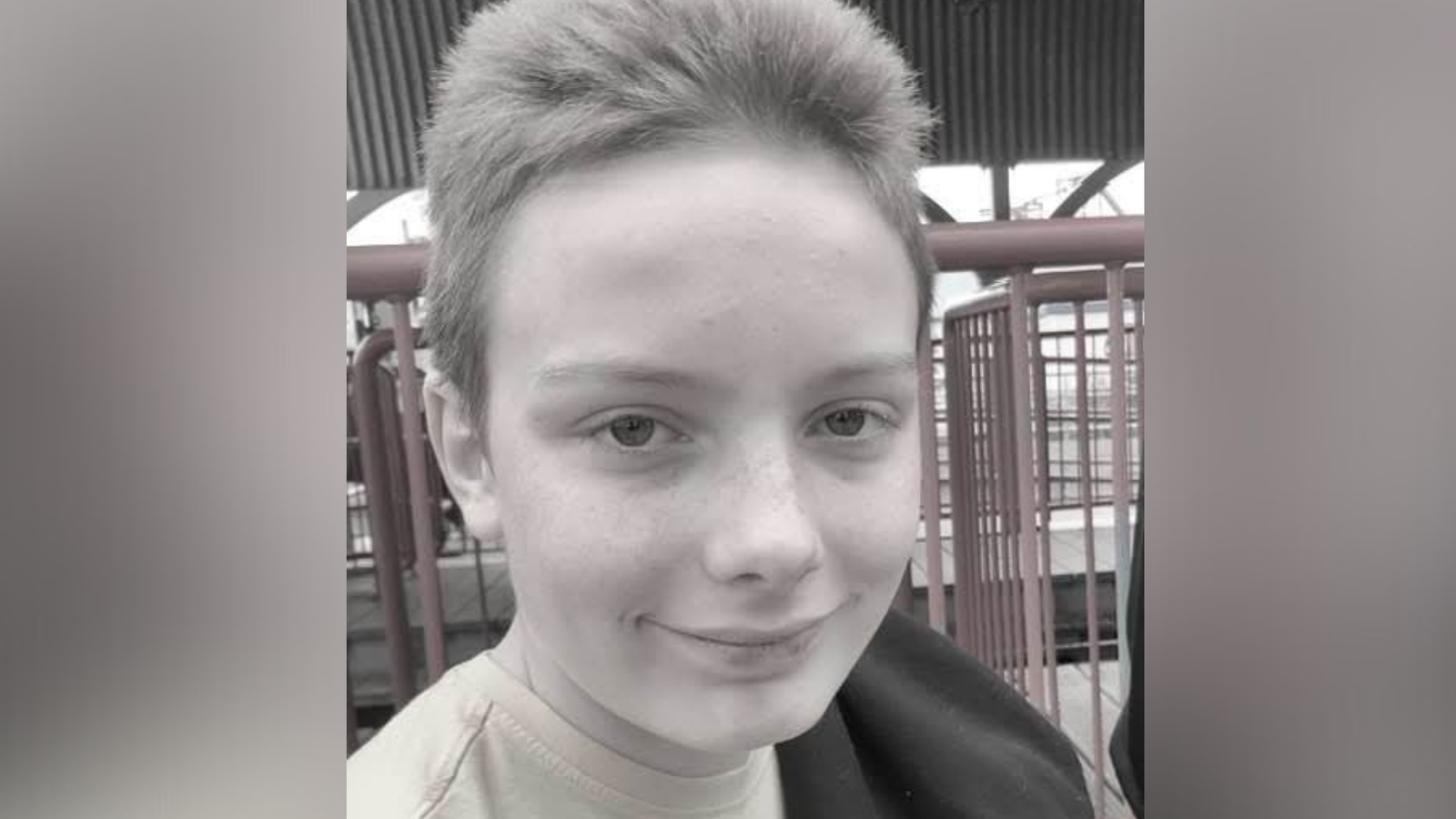
The death of 12-year-old Sebastian Cizman has cast a harsh light on the dangers posed by online trends and the unintended consequences of popular entertainment reaching young audiences. Sebastian, a schoolboy from Glasshoughton in West Yorkshire, was found unresponsive at his family home in circumstances that investigators later linked to a dangerous choking prank inspired by imagery associated with the Netflix series Squid Game. What began as an ordinary family gathering ended in an unimaginable tragedy that has since raised urgent questions about child safety, digital platforms, and the reach of violent or risky content among minors.
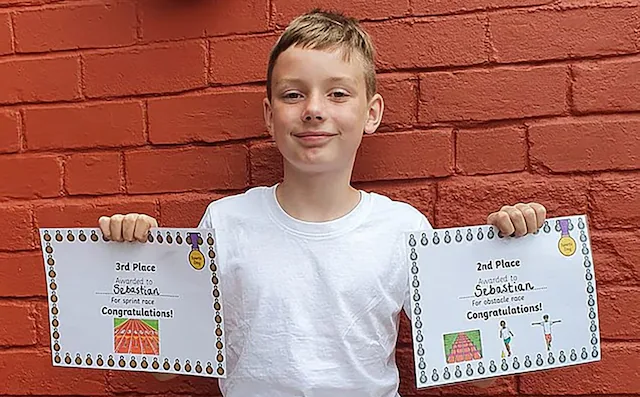
Sebastian was described by those who knew him as intelligent, curious, and playful, with a particular reputation among friends for enjoying harmless jokes and pranks. On the day he died, relatives had gathered to celebrate his younger brother’s First Holy Communion. After playing in the garden with his cousins, Sebastian went inside the house, telling family members that he was tired. He was later found unconscious. Despite immediate efforts by his parents and emergency responders to revive him, he was pronounced dead at hospital.
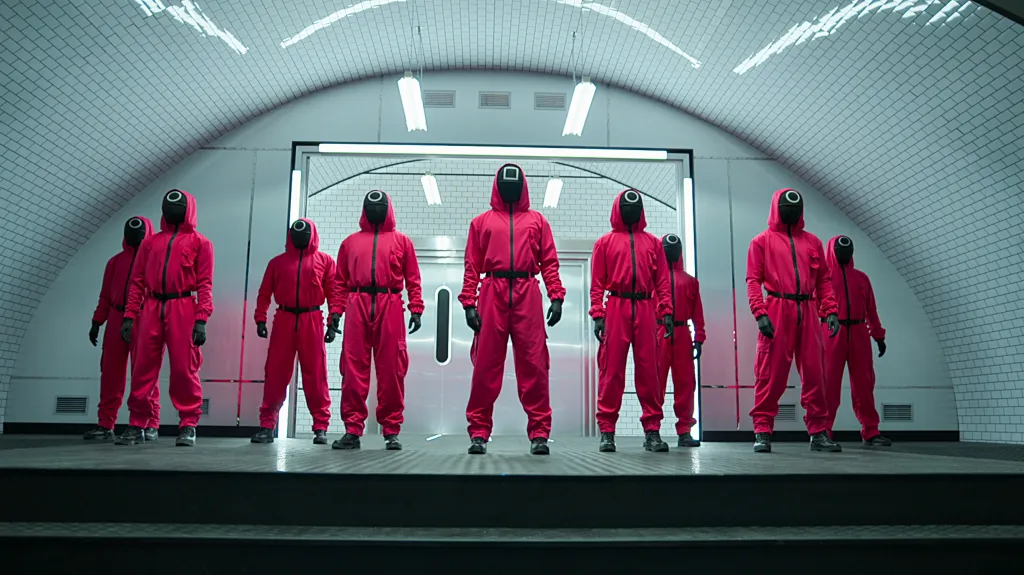
An inquest into Sebastian’s death heard evidence suggesting that he had been attempting to recreate a hanging or choking scenario similar to those depicted in Squid Game, a dystopian drama series that had achieved global popularity. Police examinations of his smartphone revealed images from the show and online searches related to choking alone and surviving such acts. Investigators concluded that Sebastian had likely underestimated the extreme danger involved, believing the act to be a prank rather than a life-threatening risk.
The Events Leading to Sebastian Cizman’s Death
Testimony presented at the inquest detailed the timeline of Sebastian’s final hours. Family members described a lively and affectionate child who appeared in good spirits throughout the day. There were no warning signs of distress, depression, or self-harm. According to his mother, Kasia Cizman, Sebastian had no history of harming himself and would never have intentionally put his life at risk.
After leaving the garden, Sebastian Cizman went into the house alone. It was during this time that investigators believe he attempted a form of self-choking that has circulated online under various names, often framed as a challenge or prank. These acts typically involve restricting airflow or blood flow to induce brief unconsciousness, a practice that medical professionals have long warned can lead to sudden death, brain injury, or cardiac arrest even when attempted once.
Detective Sergeant Paul Bayliss told the inquest that the presence of Squid Game-related content on Sebastian’s phone, combined with his search history and his reputation as a prankster, provided what investigators described as a “concrete hypothesis” for how the fatal incident occurred. While the series itself is not aimed at children, its vivid imagery and themes have been widely circulated across social media platforms, often stripped of context and presented in short clips, memes, or challenges.
Read : Exploring Switzerland’s Top Ten Most Beautiful Villages
Emergency services were called as soon as Sebastian Cizman was discovered unconscious. Paramedics and family members attempted resuscitation, but the damage was irreversible. His death was later formally recorded as accidental, with the inquest emphasizing that there was no evidence of suicidal intent. The conclusion reinforced the view that Sebastian had not understood the lethal risks associated with the act he attempted.
Online Challenges, Entertainment Culture, and Child Safety
Sebastian Cizman’s death is not an isolated incident. Over the past several years, child safety advocates and medical experts have warned about the proliferation of dangerous online challenges that encourage risky behavior, often disguised as games, dares, or jokes. Choking challenges in particular have been linked to numerous child deaths worldwide, frequently involving children who believed the activity was safe or reversible.
The influence of popular entertainment has complicated this landscape. Shows like Squid Game, though rated for mature audiences, have permeated youth culture through social media, gaming platforms, and peer conversations. Children may encounter characters, scenes, or concepts without the broader narrative context or the emotional maturity required to process them safely. In some cases, dramatic imagery can be misinterpreted as something to imitate rather than observe.
Experts note that children’s cognitive development affects how they assess risk. At 12 years old, many children are capable of complex thought but still lack a full understanding of long-term consequences and irreversible harm. When combined with curiosity, peer influence, and algorithm-driven content feeds that reward shock value, this developmental stage can become particularly vulnerable.
Medical professionals consistently stress that any form of intentional oxygen deprivation is extremely dangerous. Even brief periods without sufficient oxygen can cause fatal outcomes, and there is no safe way to attempt such acts. Despite this, online videos and posts sometimes minimize or ignore these risks, presenting the behavior as a test of endurance or bravery rather than a medical emergency waiting to happen.
The inquest heard that Sebastian Cizman had searched for videos related to surviving choking alone, suggesting he may have sought reassurance that the act could be performed without serious harm. This pattern reflects a broader concern about how easily children can access misleading or harmful information online, often without effective safeguards or warnings.
Parental Grief and Calls for Accountability
In the aftermath of Sebastian Cizman’s death, his mother, Kasia Cizman, has spoken publicly about her grief and anger, directing much of her criticism toward major technology companies and social media platforms. She argued that dangerous content is allowed to circulate freely, promoted by algorithms that prioritize engagement over safety, and that little is done to prevent children from encountering it.
Kasia called for those who promote or profit from such challenges to be held legally accountable, stating that platforms make significant money while failing to adequately protect young users. She described the system as “completely unchecked,” asserting that warnings and age restrictions are insufficient when harmful material continues to reach children’s feeds.
Her statements reflect a growing global debate over the responsibilities of tech companies in moderating content and protecting minors. While many platforms claim to remove harmful videos and enforce community guidelines, critics argue that enforcement is inconsistent and often reactive rather than preventative. Families affected by similar tragedies have repeatedly called for stricter regulations, clearer accountability, and more robust parental controls.
Sebastian’s mother also emphasized that her son’s talents and personality should not be overshadowed by the circumstances of his death. He was a self-taught classical pianist, deeply interested in music, and known for his creativity and intelligence. According to his family, he was not reckless or troubled, but simply unaware of how quickly a prank could turn fatal.
The Cizman family has expressed hope that sharing Sebastian Cizman’s story might prevent other children from being harmed. While acknowledging the pain of speaking publicly, Kasia said she wanted parents, children, and platform operators to understand the real-world consequences of allowing dangerous trends to spread unchecked. Her words at the inquest underscored the belief that no family should have to learn about these risks through personal loss.
Sebastian Cizman’s death stands as a stark reminder of the gap between online content and real-life consequences. It highlights the need for greater awareness among parents and guardians, more effective digital literacy education for children, and stronger oversight of platforms that host and amplify harmful material. The inquest findings made clear that Sebastian did not intend to die, and that his actions were rooted in misunderstanding rather than despair, a distinction that has shaped both the investigation’s conclusions and the broader conversation that has followed.
Just browsed through perya777. User experience is pretty solid, and I thought the graphics were clear. You might dig it if you like a clean platform!