

The killing of 13-year-old British national Alfie Hallett in central Portugal has prompted widespread shock and grief, raising renewed concerns about domestic violence, repeat offenders, and the safeguarding of children in high-risk households. The teenager was found fatally wounded inside a home in the municipality of Tomar after authorities responded to an emergency call linked to a suspected domestic violence incident. Moments later, a gas explosion ripped through the property, injuring a police officer and killing the suspected attacker.
As investigators piece together the sequence of events, the case has drawn international attention, with Portuguese authorities, British officials, and local communities seeking answers in the aftermath of an incident that unfolded with devastating speed. Alfie Hallett, who lived in Portugal with his mother, was pronounced dead at the scene after suffering multiple stab wounds. The alleged perpetrator, identified as the mother’s former partner, also died following the incident.
Police later confirmed that the suspect had a prior conviction for aggravated homicide and had been the subject of domestic violence complaints stretching back several years. The tragedy has reignited debate over how authorities monitor individuals with violent histories and how intervention systems function when warning signs are already known. As tributes pour in from Alfie Hallett’s school and basketball club, the focus has also turned to the circumstances that allowed such a fatal escalation to occur.
The Incident in Tomar and Police Response
The fatal stabbing occurred in Casais, a locality within the historic municipality of Tomar in central Portugal. According to official police statements and local media reports, emergency services were alerted after a domestic violence-related call was made to Portugal’s emergency number, 112. The call reportedly came from Alfie Hallett’s mother, who also sought help from neighbours shortly before authorities arrived. Officers from the GNR, Portugal’s National Republican Guard, were dispatched to the residence to assess the situation and secure the occupants.
Upon entering the property, officers discovered Alfie Hallett and the suspected attacker both suffering from stab wounds. Police said the teenager was in cardiorespiratory arrest when found and was pronounced dead at the scene despite emergency efforts. The 43-year-old suspect also showed signs of life initially but was later declared dead. Within moments of the officers’ arrival, a powerful gas explosion tore through the house. Investigators believe the explosion was deliberately caused, likely as an act intended to barricade the suspect inside or to prevent intervention.
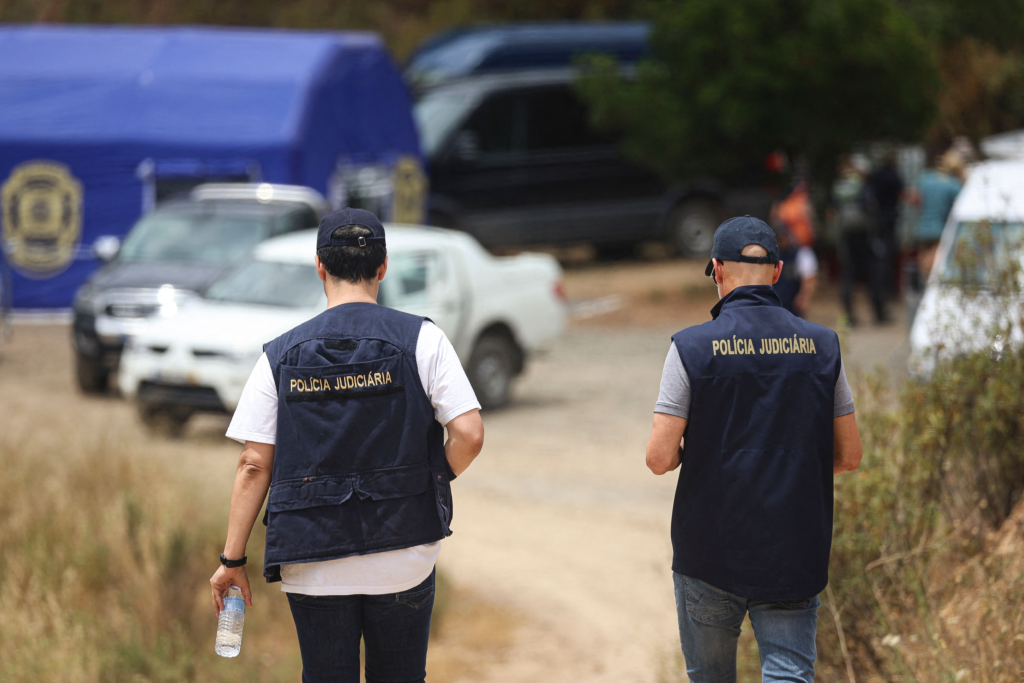
The explosion injured one GNR officer, who was treated for non-life-threatening injuries. Authorities confirmed there was a strong smell of gas inside the home immediately before the blast, suggesting intentional release. The house sustained extensive damage, complicating initial forensic assessments and prompting the involvement of specialists from the Judicial Police. Forensic teams have since been examining the site to reconstruct the timeline and determine precisely how the explosion was triggered.
MY LATEST:
— Jonathan Josephs (@jonathanjosephs) December 24, 2025
"A rather tragic Christmas for this one family"
A 13 year old British boy, named locally as Alfie Hallett has been stabbed to death in Portugal https://t.co/1ab2OH4Gz9 pic.twitter.com/Etq4mWHw52
Alfie Hallett’s mother was found alive but injured. Police said she showed signs of having been restrained and assaulted and was taken to hospital for treatment. While her physical injuries were described as minor, authorities confirmed she is receiving psychological support due to the traumatic nature of the attack and the loss of her child. Investigators have indicated that she is being treated as a victim and a key witness in the case, not as a suspect.
Background of the Suspect and Domestic Violence History
One of the most troubling aspects of the case is the background of the alleged attacker. Portuguese police confirmed that the 43-year-old man had previously served a prison sentence for aggravated homicide, marking him as a known violent offender. In addition, domestic abuse complaints involving the family had been registered with authorities in both 2022 and 2023. Local officials acknowledged that the household had already been flagged due to repeated episodes of domestic violence.
Read : 18-Year-Old Aundre Matthews Stabbed Classmate to Death During Fight at Sterling High School
According to reports from SIC Notícias and Diario de Notícias, Alfie’s mother and the suspect had separated in 2023. Despite the separation, the man was reportedly a regular visitor to the home. The president of the local parish council, Luís Freire, told Portuguese media that the situation was considered “complicated” and was already known to the GNR due to its history. His remarks underscored that the case was not an isolated incident but one preceded by documented concerns.
Police statements indicated that both Alfie and the suspect sustained multiple injuries caused by a bladed weapon, reinforcing the view that the attack was deliberate and violent. Investigators believe the suspect attacked Alfie Hallett before barricading himself inside the property, where the gas explosion later occurred. While the full motive remains under investigation, authorities are examining whether the attack was an act of retaliation, control, or escalation linked to ongoing domestic disputes.
The existence of prior complaints has led to renewed scrutiny of how domestic violence cases are managed in Portugal, particularly when individuals with severe criminal histories are involved. Advocacy groups have long argued that repeat offenders pose heightened risks and require closer supervision. This case has intensified calls for stronger protective measures, especially where children are present in households with known patterns of abuse.
Community Reaction, Tributes, and Ongoing Investigation
The death of Alfie Hallett has deeply affected the local community in Tomar, where he was known as an active and talented young athlete. Sport Club Operário de Cem Soldos, the basketball team he played for, released a moving tribute following confirmation of his death. In a Facebook post, later translated into English, the club described Alfie Hallett as a beloved member of the team and noted that he had played his last game only days before the tragedy. Teammates and coaches recalled his enthusiasm and skill, expressing disbelief that a promising young life had been cut short so violently.
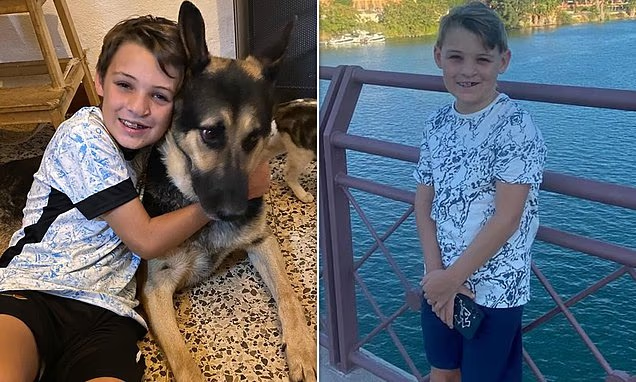
The tribute stated that Alfie would “always be in our hearts,” reflecting the sense of loss felt not only by those who knew him personally but also by the wider community. Local residents gathered informally to pay respects, while messages of condolence circulated widely on social media. For many in Tomar, the incident has shattered the sense of safety in what is generally regarded as a quiet historic town.
British authorities have also become involved. The UK Foreign Office confirmed it is in contact with Portuguese officials and stands ready to provide consular support to Alfie’s family. Such involvement is standard in cases involving British nationals abroad, but it also highlights the cross-border impact of the tragedy. Coordination between British and Portuguese authorities is expected to continue as the investigation progresses.
The Judicial Police have taken charge of the forensic investigation, with specialists examining the remains of the house and analyzing evidence recovered from the scene. Their work includes determining the exact sequence of events, the source and method of the gas release, and whether any additional factors contributed to the explosion. While both the alleged attacker and the victim are deceased, investigators are still required to complete a thorough inquiry, particularly given the prior history of domestic violence and the injuries sustained by the mother and a police officer.
As authorities continue their work, the case has become a focal point for broader discussions about domestic abuse prevention, offender monitoring, and child protection. The combination of a fatal stabbing, a deliberate explosion, and known prior warnings has prompted difficult questions about intervention thresholds and system failures. For Alfie Hallett’s family, friends, and community, these questions are inseparable from their grief, as they mourn a 13-year-old whose life ended amid circumstances that many believe should never have been allowed to escalate to such a catastrophic outcome.
Hey all, tested bonobetobet and found some interesting things. Their betting odds are pretty competitive. Worth checking out if you’re looking for some action. Take a look: bonobetobet