
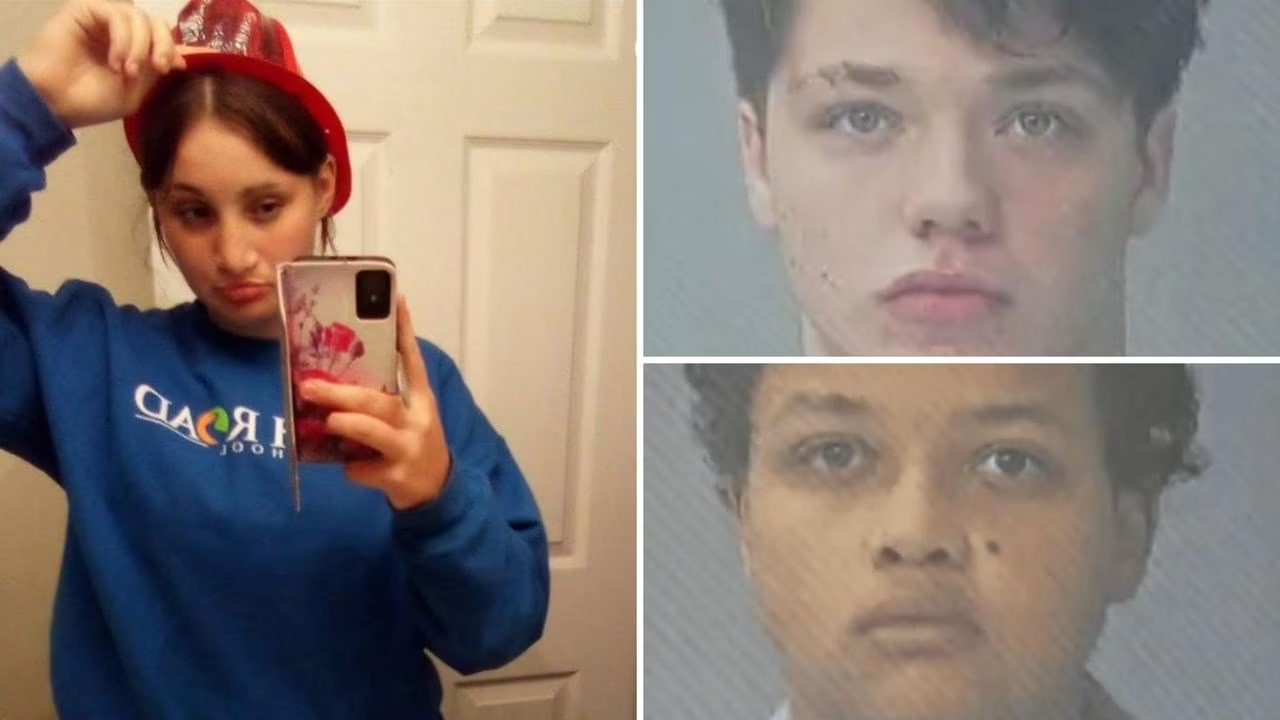
The killing of 14-year-old Danika Jade Troy in Santa Rosa County, Florida, has drawn national attention for both its brutality and the youth of those accused. What began as a missing-child case became a homicide investigation within a day, after a passerby discovered Danika’s burned body in a wooded area near Pace, not far from the Alabama border. Investigators now allege two teenage boys, both known to Danika, lured her into the woods with the intention of killing her.
The case has shaken the quiet community and raised urgent questions about violent crime among adolescents, juvenile justice procedures, and the circumstances that led to such a devastating outcome. Authorities continue to examine every detail of the events that unfolded between the time Danika Jade Troy was last seen and the discovery of her body, while prosecutors weigh whether to charge the suspects as adults.
Background of the Case and Early Investigation
Danika’s family last saw her on Sunday, and she was reported missing on Monday when she did not return home. According to the Santa Rosa County Sheriff’s Office, search efforts began immediately, with deputies tracing her last known whereabouts and attempting to contact those who may have recently interacted with her. The investigation shifted dramatically on Tuesday after a passerby walking near a wooded area spotted what appeared to be a body and notified authorities. Deputies confirmed soon after that the remains belonged to 14-year-old Danika Jade Troy.
At the initial press briefing, Sheriff Bob Johnson described the crime scene as one of the most disturbing his office had encountered in recent years. According to investigators, Danika Jade Troy had been shot multiple times and then set on fire. The intensity of the fire suggested an attempt to destroy evidence, a detail consistent with premeditation. By the time the body was found, signs of burning were widespread, and forensic teams began working urgently to document the scene, identify physical evidence, and reconstruct the timeline that led to Danika’s death.
Within hours, leads emerged pointing to two teenage boys: 14-year-old Kimahri Blevins and 16-year-old Gabriel Williams, both from the local area. Investigators conducted interviews with classmates and associates, reviewed social media communications, and obtained statements from a cooperating witness. That witness ultimately played a key role in identifying the suspects and outlining elements of the alleged plan.
Read : Florida Mother Sues Hospital After Doctor’s Decimal Error Kills 2-Year-Old De’Markus Page
As investigators pieced together the boys’ movements over the previous days, the evidence reached a threshold that prompted their arrest on first-degree premeditated murder charges. They are currently being held by the Florida Department of Juvenile Justice as the State Attorney’s Office evaluates whether they will be transferred to adult court.
Truly sick when junior high kids are capable of such a heinous murder…
— Jennifer Coffindaffer (@CoffindafferFBI) December 7, 2025
And where did the gun come from? The 14 yo had access to his mom's gun.
May Danika Jade Troy, rest in peace.
P.S. Where were the parents?#Florida pic.twitter.com/cywOB1QBh4
Authorities also recovered information about the firearm believed to have been used in the killing. According to Sheriff Johnson, the gun was stolen by Williams from his own mother before the murder. This detail underscored a potential access-to-weapons issue and provided a clearer picture of how the teens obtained a means to carry out a planned attack. Law enforcement officials continued interviewing additional witnesses to determine whether anyone else had prior knowledge of the plan or participated in any part of the crime, including the disposal of evidence.
Emerging Accounts from Witnesses and Interactions Between the Suspects and Danika
As investigators deepened their inquiry, they began assembling a portrait of the relationship dynamics between Danika and the two accused teenagers. According to police documents, Blevins told investigators he had last spoken to Danika Jade Troy during the Thanksgiving break. He claimed that the two had experienced a falling-out, which resulted in him blocking her on social media. Despite this assertion, investigators believe there was recent contact between the parties, culminating in Danika being lured to the wooded area where the killing occurred.
One of the clearest insights into the possible sequence of events came from a cooperating witness who provided a detailed account of conversations with Blevins after the incident. According to the witness, Blevins stated that the initial plan had been to shoot Danika Jade Troy once, but that Williams continued firing beyond the first shot. The witness also reported that Blevins described burning Danika’s body before leaving the scene, a statement that aligned with the forensic evidence documented by investigators.
The alleged motive remains unclear. Sheriff Johnson stated publicly that no definitive explanation has been identified, though authorities continue to analyze social media interactions, text messages, and verbal statements for context. Early indications suggest emotional conflict and personal grievances may have played a role. Williams reportedly told investigators that Danika Jade Troy had made comments that upset him, including statements that he felt portrayed him as worthless or associated him with gang activity.
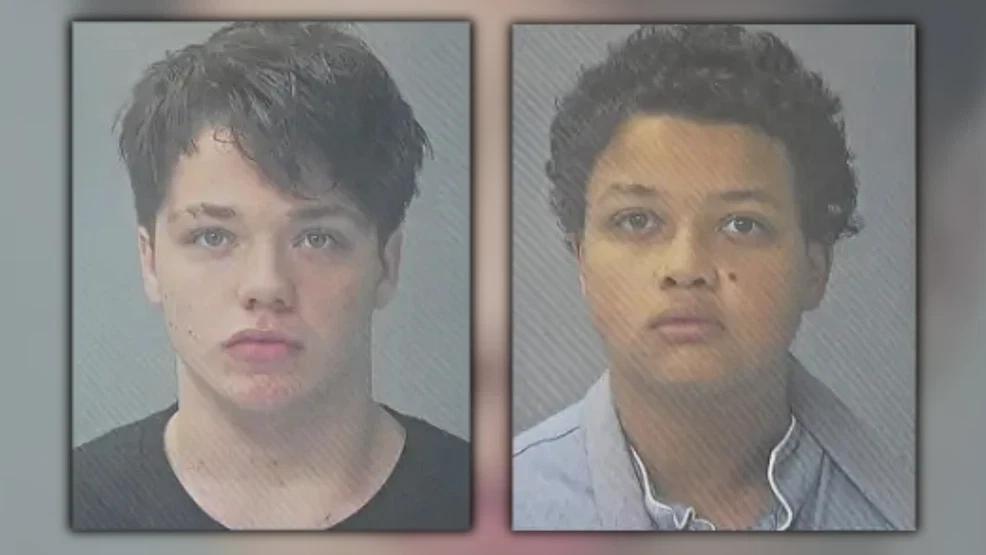
Investigators are evaluating whether these remarks, if confirmed, may have contributed to escalating tensions or influenced the suspects’ decision-making in the days leading up to the killing. Digital evidence is expected to play a significant role in the ongoing investigation. Detectives are reviewing phone records, chats, and other communications between Danika and the suspects to understand whether threats were made, whether the plan was discussed over messages, or whether anyone else had prior knowledge of the alleged plot.
Social media activity is particularly relevant given the age of those involved and the witness’s reference to a previous dispute that resulted in blocking on various platforms. Additionally, investigators are working to establish a precise timeline of events, including how Danika was contacted, what was said to persuade her to enter the wooded area, and how long the suspects remained there after the shooting.
The suspects’ individual accounts to investigators also diverged in ways that detectives are still working to reconcile. While Blevins referenced limited recent communication with Danika Jade Troy, other evidence suggested a more contemporary exchange. Williams’s statement indicated emotional upset stemming from comments Danika had made, but did not address the planning aspect or the steps leading to the alleged theft of the firearm. These discrepancies are expected to be examined closely by prosecutors, who will determine how they may influence charging decisions and theories of the case.
Legal Proceedings and Community Response to the Arrests
Following the arrests, Sheriff Johnson stated that his office would be advocating for both suspects to be charged as adults. Under Florida law, juveniles accused of serious violent crimes, including first-degree murder, can be transferred to adult court at the discretion of prosecutors or through judicial review. In his remarks, Johnson emphasized the severity of the alleged actions, noting that the nature of the crime aligned more with adult behavior and consequences than typical juvenile conduct. The decision to seek adult charges, he said, was based on both the brutality of the killing and the apparent planning involved.
Read : Who is Crystal Terese Wilsey, the Cinnabon Worker Fired After Mocking Somali Woman’s Hijab?
The State Attorney’s Office has not yet announced whether the suspects will be charged as adults, but the statutory framework allows for significant penalties, including life imprisonment, depending on how the case proceeds. Attorneys for the suspects have not been publicly identified, and no statements have been made on their behalf. Their juvenile status typically limits the amount of information released about their detention, but authorities have confirmed that both remain in custody with the Florida Department of Juvenile Justice.

In the community of Pace and surrounding areas, the news of Danika’s death and the arrests has prompted deep concern and shock. Residents described the area as generally quiet, with low levels of violent crime involving young people. Many expressed disbelief that adolescents could be implicated in such an extreme act of violence. Local officials have discussed the need to address the broader social and psychological factors that may contribute to severe conflict among teenagers, including the impact of social media disputes, access to weapons within households, and lapses in communication that allow tensions to escalate without detection.
School officials in the area have not publicly identified the specific educational institutions the teens attended, but have indicated that trauma-response resources and counseling services are available to students who may be affected by the case. Because all involved parties were minors, privacy laws restrict details about their school affiliations, but community members have emphasized that the incident has caused distress among parents and students across the region. Many have expressed a desire for increased intervention frameworks to prevent similar tragedies, though such efforts are likely to be long-term and multifaceted.
The investigation is ongoing, and authorities are continuing to collect evidence to present a comprehensive case to prosecutors. Forensic analysis, including ballistics testing on the recovered firearm and examination of any accelerants used to burn the body, is expected to play a critical role. Detectives are also reviewing the suspects’ movements before and after the incident, assessing whether surveillance footage, vehicle tracking, or witness sightings will add clarity to the timeline.
Interviews with additional acquaintances of the suspects and Danika may uncover more information about the nature of their relationships, prior conflicts, or indications that planning may have occurred earlier than initially believed. As the community awaits further updates, the focus remains on understanding how such an event unfolded among teenagers who, by age alone, are typically associated with school, sports, social activities, and the early phases of adolescent development.
The violence described in the charging documents stands in stark contrast to those expectations, prompting renewed attention to the factors contributing to serious juvenile crime. The loss of 14-year-old Danika Jade Troy remains at the center of that conversation, as investigators and prosecutors work toward accountability in a case that has profoundly affected residents of Santa Rosa County and beyond.
Landed on zt9398net by chance, and ended up sticking around. The site has a nice variety of options, and I appreciate that they keep adding new content. Might be your next go to platform, give zt9398net a try!
**mitolyn**
Mitolyn is a carefully developed, plant-based formula created to help support metabolic efficiency and encourage healthy, lasting weight management.