
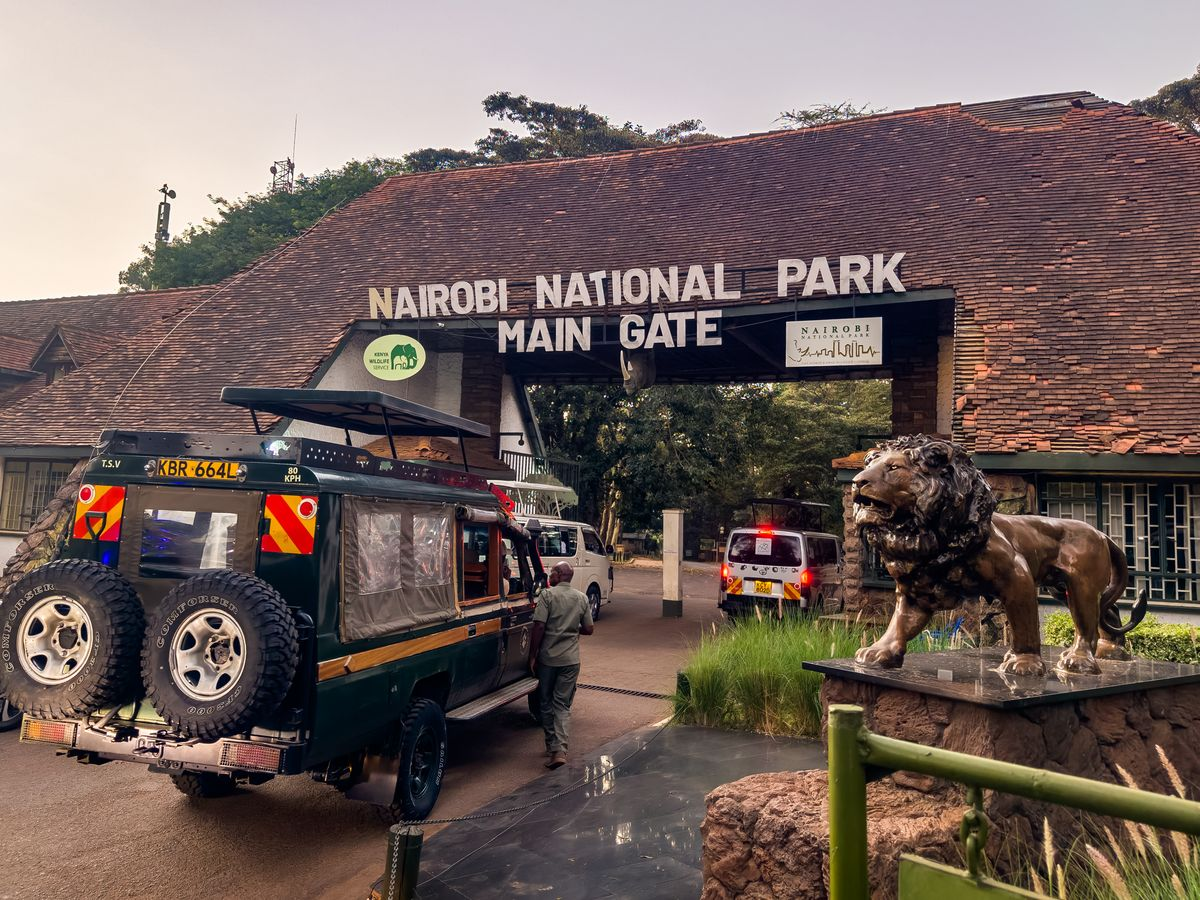
On a quiet evening near Nairobi, a tragic event unfolded when a 14-Year-Old Girl Mauled by Lioness that had wandered into a residential area bordering Nairobi National Park.
This incident, which occurred on a ranch at the southern edge of the park, has highlighted the growing issue of human-wildlife conflict in Kenya, a country known for its rich biodiversity and diverse wildlife.
The attack has drawn attention to the delicate balance between conservation efforts and human settlement, with many questions arising about how best to mitigate these tragic occurrences in the future.
The Attack: A Night of Horror
The events that led to the death of the young girl began on Saturday night when the lioness breached a makeshift fence around a residential compound near Nairobi National Park. According to Paul Udoto, the Senior Corporate Communications Manager of the Kenya Wildlife Service (KWS), the lioness jumped over the fence and entered the compound unnoticed.
Inside the house, the girl was with another teenager when the lioness attacked. The second teenager, who was unharmed, quickly raised the alarm, prompting a swift response from KWS rangers and emergency teams.
Despite the quick response, the damage was already done. Bloodstains were traced to the Mbagathi River, where the girl’s lifeless body was recovered. She had suffered injuries to her lower back, and authorities later confirmed that there had been no provocation from the victims.
This detail was crucial, as it pointed to the lioness’s behavior being unusual and possibly linked to other ecological pressures, including the scarcity of prey in its natural habitat.
Read : Who is Lucy Guo Who Surpassed Taylor Swift to Become World’s Youngest Self-Made Woman Billionaire?
The attack has left many in the local community shaken, with residents of the area expressing concern over the proximity of wildlife to their homes. Nairobi National Park, one of the few wildlife conservation areas located so close to an urban center, is home to various species of animals, including lions, elephants, and giraffes.
Read : Roaring Adventures: Top Places to See Lions in the Wild
The park, which borders residential areas, often leads to conflicts between the animals and the local human population, particularly as human settlements expand into previously uninhabited areas.
Human-Wildlife Conflict: A Growing Concern
This tragic incident is not an isolated one. Kenya has been grappling with an increasing number of human-wildlife conflicts, particularly in regions where wildlife habitats intersect with human settlements. As cities and towns expand, wildlife corridors are often disrupted, forcing animals to venture into populated areas in search of food and water.
This not only puts human lives at risk but also threatens the survival of the animals, who face dangers from poaching, vehicle collisions, and other hazards.
The lioness that killed the 14-year-old girl may have been driven into the residential area due to the depletion of its natural prey, a common issue in Kenya’s national parks and game reserves.
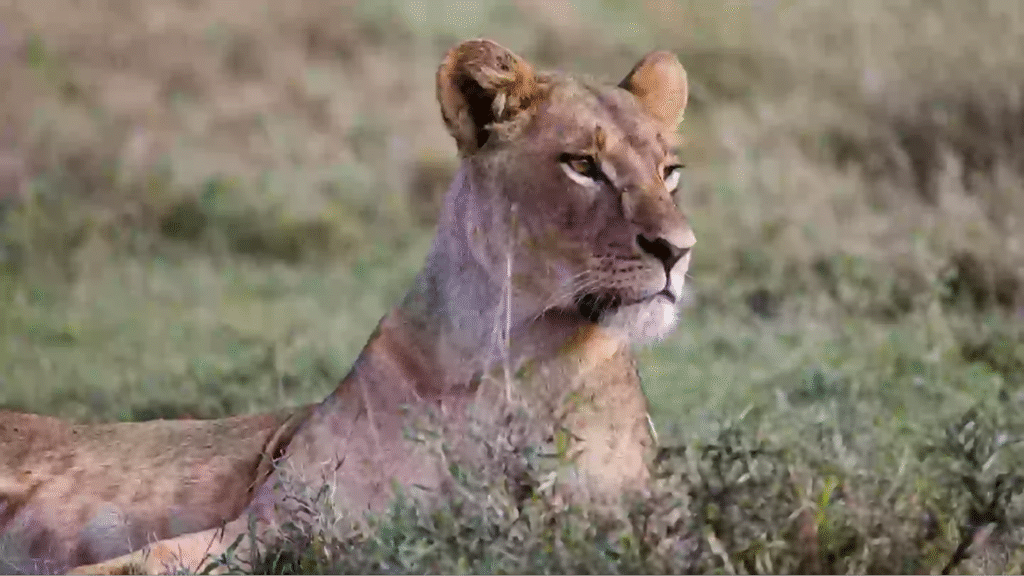
As human populations grow and encroach on wildlife areas, the availability of land for animals to roam freely becomes limited, forcing them to interact with people more frequently. The increasing demand for land and resources has led to a rise in agricultural activities, further pushing wildlife into closer proximity to human settlements.
Similarly, the attack by an elephant in Nyeri County, which occurred just a day earlier, underscores the broader issue of human-wildlife conflict. The elephant attacked a 54-year-old man who had been grazing livestock in a forest area. The man suffered severe chest injuries and internal trauma, ultimately succumbing to his injuries.
Like the lioness attack, the elephant’s aggression was likely a result of human encroachment on its territory. These incidents reveal a troubling trend where the expansion of human settlements is creating conditions for more frequent and dangerous encounters between people and wildlife.
Mitigating the Risks: How Can the Situation Improve?
The Kenya Wildlife Service has been actively working on strategies to mitigate human-wildlife conflicts, but challenges remain. The agency has set traps and deployed teams to search for the lioness responsible for the girl’s death, with the hope of preventing further attacks.
KWS has also stressed the importance of investing in better security measures, such as electric fences and AI-powered early warning systems, to help alert communities to the presence of wildlife near their homes.
Electric fences are one solution that has been implemented in several areas, creating a barrier between wildlife and human settlements. However, the effectiveness of these fences has been questioned, particularly in regions where the animals are highly mobile and can sometimes find ways to breach them.
AI-powered systems, which use sensors and cameras to detect animal movement, represent a more innovative approach to tracking wildlife and notifying communities of potential threats. These systems are still in their infancy, but they hold promise in helping to prevent dangerous encounters between people and animals.
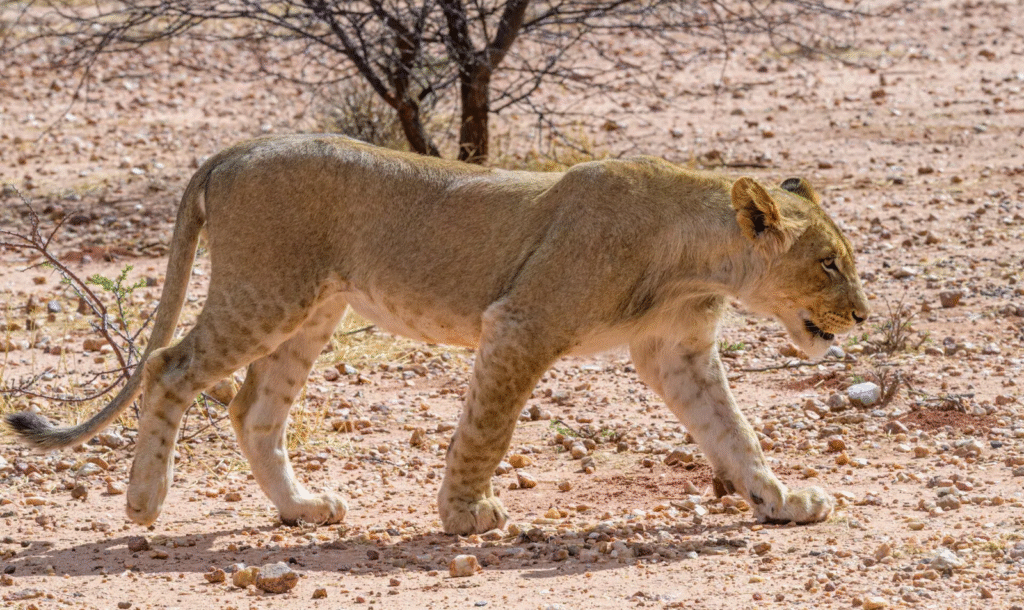
Despite these efforts, experts agree that human-wildlife conflict cannot be solved overnight. A comprehensive, long-term approach is required, which includes better land-use planning, the creation of more wildlife corridors, and the active involvement of local communities in conservation efforts.
The Kenya Wildlife Service has emphasized the need for “continued investment in human-wildlife conflict mitigation” through strategic interventions, such as improving infrastructure and promoting awareness about the challenges faced by both humans and animals living near protected areas.
Moreover, collaboration between conservationists, local authorities, and affected communities is essential to addressing this issue effectively. Educating communities about the risks posed by wildlife and the importance of preserving natural habitats can help foster better understanding and cooperation between people and animals.
Additionally, initiatives to improve the livelihoods of people living in wildlife-adjacent areas, such as eco-tourism and sustainable agriculture, can reduce reliance on land that is vital for wildlife.
The Role of Conservation in Preventing Further Tragedies
While human-wildlife conflict is a natural consequence of human expansion, it also highlights the importance of conservation efforts in protecting both wildlife and human populations. Kenya, like many other African nations, is home to a wealth of biodiversity that is crucial not only for the environment but also for the economy.
The country’s tourism industry, which relies heavily on its national parks and wildlife reserves, is a significant contributor to the national economy. Preserving these habitats is not only essential for the animals but also for the people who depend on tourism for their livelihoods.
However, conservation efforts must be balanced with the needs of local communities. It is clear that as human populations continue to grow and urbanize, finding solutions to prevent such tragic incidents will require a multifaceted approach. This includes better urban planning, increased investment in wildlife corridors, and innovative solutions like AI-powered monitoring systems.
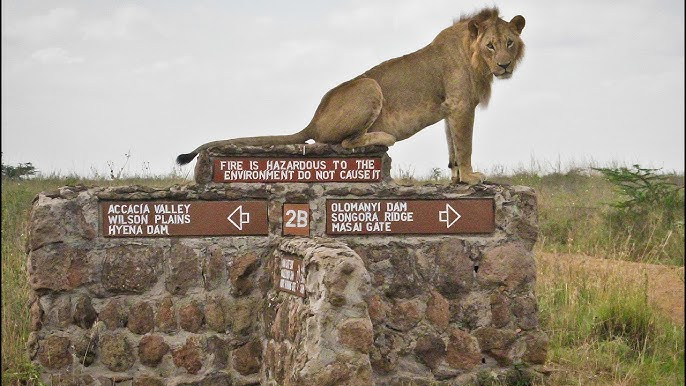
Additionally, increasing community involvement in wildlife conservation and ensuring that the benefits of conservation are shared with local communities can help to foster a more harmonious coexistence between people and animals.
The tragic deaths of the 14-year-old girl and the 54-year-old man are stark reminders of the risks posed by human-wildlife conflict. While these events are rare, they underscore the need for more effective measures to protect both people and animals.
Moving forward, it will be crucial for all stakeholders—government agencies, conservation organizations, and local communities—to work together to find sustainable solutions that minimize the risks of such attacks and ensure the continued coexistence of humans and wildlife in Kenya.
The recent lioness attack near Nairobi is a tragic event that highlights the broader issue of human-wildlife conflict in Kenya. As the human population expands and wildlife habitats shrink, incidents like this are likely to become more common.
Addressing this issue requires a multifaceted approach, combining effective wildlife management strategies, improved infrastructure, and collaboration with local communities. Only through concerted efforts can we hope to reduce the frequency of such attacks and ensure the safety of both humans and wildlife in the future.