
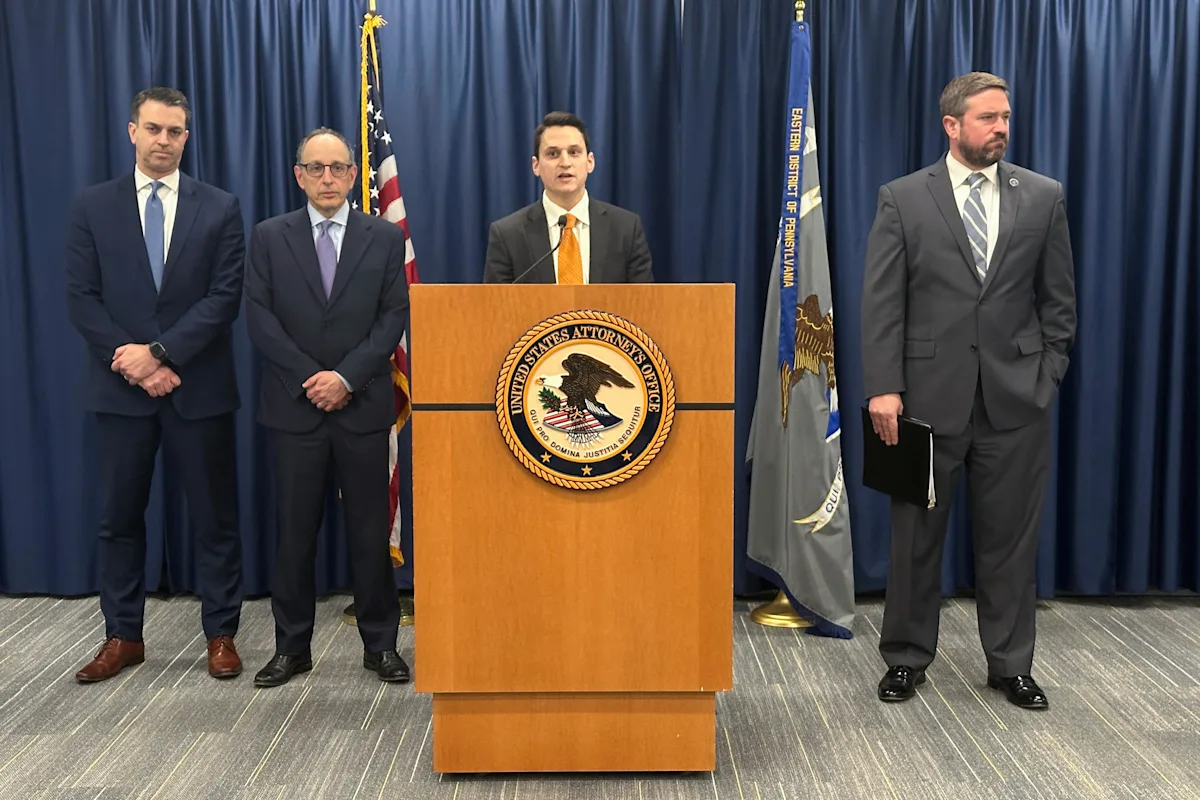
Federal prosecutors in the United States have unveiled one of the most extensive basketball corruption cases in recent years, charging 26 individuals in an alleged international game-rigging and point-shaving operation that spanned both American college basketball and China’s professional league. At the center of the case are 15 former NCAA Division I players, some of whom competed as recently as the 2024–25 season, accused of accepting bribes to deliberately influence game outcomes.
The indictment, filed in Philadelphia, outlines a multi-year scheme that prosecutors say undermined the integrity of competitive basketball while defrauding sportsbooks and unsuspecting bettors across multiple jurisdictions. The charges mark a significant escalation in the federal government’s scrutiny of sports gambling-related corruption, particularly as legalized betting continues to expand in the United States.
Investigators allege that the operation was carefully structured, well-funded, and deliberately targeted at players seen as vulnerable or influential enough to manipulate point spreads without drawing immediate suspicion. By extending beyond US college basketball into China’s CBA, the scheme highlights how modern sports corruption can operate across borders, exploiting differences in leagues, regulations, and enforcement.
How the Point-Shaving Operation Allegedly Worked
According to the 70-page federal indictment, the scheme began in September 2022 with games in the Chinese Basketball Association. Prosecutors allege that a group of so-called “fixers” placed bets on games they had already manipulated by bribing players to shave points. Point shaving does not necessarily require a team to lose; instead, players subtly influence the margin of victory or defeat so that betting outcomes, particularly against the spread, fall in the fixers’ favor.
The indictment describes bribe payments ranging from $10,000 to $30,000 per game, amounts that prosecutors argue were significant enough to entice players while still allowing the fixers to earn substantial profits through wagering. The fixers allegedly instructed players on specific actions, such as missing free throws, committing unnecessary fouls, or limiting scoring during certain stretches of a game, all designed to alter the final score without obviously compromising the contest.
After establishing the operation overseas, prosecutors say the group shifted its focus to NCAA men’s basketball during the 2023–24 and 2024–25 seasons. College players were allegedly recruited through personal connections, training relationships, and informal networks within the basketball world. Some of the fixers, according to court documents, had direct experience in player development, training, or coaching, giving them access and credibility that helped them approach athletes without immediately raising alarms.
Federal authorities allege that once players agreed to participate, the fixers coordinated betting activity across multiple sportsbooks, often using intermediaries and digital communication to avoid detection. In placing wagers on games they had already corrupted, prosecutors argue, the defendants committed wire fraud by exploiting interstate betting platforms and misleading sportsbooks into accepting bets on contests that were no longer fair competitions.
Read : Beyond K-Dramas: Essential Stops for Every South Korea Itinerary
“In placing these wagers on games they had fixed, the defendants defrauded sportsbooks, as well as individual sports bettors, who were all unaware that the defendants had corruptly manipulated the outcome of these games that should have been decided fairly, based on genuine competition and the best efforts of the players,” prosecutors wrote in the indictment.
Who Has Been Charged and the Scope of the Allegations
The 26 people charged include 15 former college basketball players and 11 others alleged to have played organizational, financial, or facilitation roles in the scheme. While prosecutors did not release detailed biographies for every defendant in the initial filing, the indictment names the following individuals as charged in the case: Jalen Smith, Marves Fairley, Shane Hennen, Roderick Winkler, Alberto Laureano, Arlando Arnold, Simeon Cottle, Kevin Cross, Bradley Ezewiro, Shawn Fulcher, Carlos Hart, Markeese Hastings, Cedquavious Hunter, Oumar Koureissi, Da’Sean Nelson, Demond Robinson, Camian Shell, Dyquavion Short, Airion Simmons, and Jalen Terry.
Several of the defendants were involved in NCAA Division I programs, with some still actively competing during the time period covered by the alleged scheme. Prosecutors say this proximity to high-profile college basketball provided consistent betting opportunities, given the volume of games, widespread wagering markets, and relatively less financial oversight of individual players compared to professional leagues.
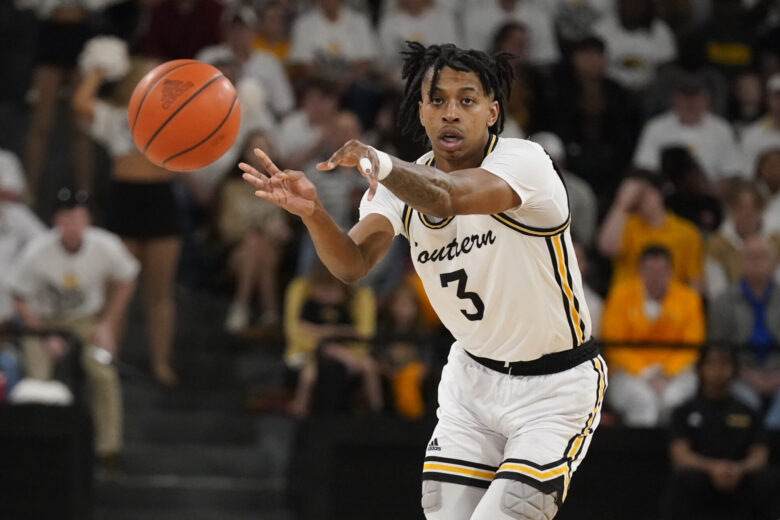
Two of the named players, Cedquavious Hunter and Dyquavion Short, were previously sanctioned by the NCAA in November for fixing games involving New Orleans-based programs. Those sanctions included eligibility penalties that effectively ended their college careers. Their inclusion in the federal indictment suggests that the criminal investigation was proceeding in parallel with, and possibly informed by, the NCAA’s own enforcement actions.
At least two other defendants, Shane Hennen and Marves Fairley, were already known to federal authorities. Both men were charged in a separate indictment in the Eastern District of New York related to gambling schemes involving the NBA, according to reporting by ESPN. Their alleged involvement in multiple basketball-related betting conspiracies underscores prosecutors’ claims that the fixers were experienced operators rather than isolated bad actors.
The indictment further describes the fixers as a diverse group that included former NCAA players, trainers, individuals involved in player development, and high-stakes sports gamblers. Some were also described as social media influencers and sports handicappers, roles that prosecutors say may have helped them blend into the sports betting ecosystem while placing large wagers without immediate suspicion. All 26 defendants face charges that include bribery and wire fraud. If convicted, they could face substantial prison sentences, significant fines, and permanent bans from involvement in organized sports and regulated betting markets.
Broader Impact on College Sports and Sports Betting
The case arrives at a moment when college sports, and men’s basketball in particular, are undergoing profound changes. The expansion of legalized sports betting across much of the United States has created new revenue streams but also new vulnerabilities. College athletes, many of whom are not earning professional-level salaries, can become attractive targets for fixers offering quick cash in exchange for subtle on-court actions.
Federal prosecutors emphasized that the alleged scheme did not merely harm sportsbooks but also damaged public confidence in the fairness of athletic competition. Unlike professional leagues, where athletes are subject to extensive monitoring and compliance systems, college basketball relies heavily on institutional oversight and self-reporting, creating enforcement gaps that sophisticated criminal networks can exploit.
This indictment follows a series of NCAA investigations over the past two years that resulted in at least 10 players receiving lifetime bans for betting-related violations. Those cases, while serious, were largely handled through internal disciplinary processes rather than criminal courts. The current federal charges represent a more aggressive approach, signaling that authorities are increasingly willing to treat sports corruption as organized fraud rather than mere rule-breaking.
The case also highlights the international dimension of modern sports gambling. By beginning with games in China’s CBA and later shifting to US college basketball, prosecutors allege that the defendants took advantage of global betting markets where wagers placed in one country can be influenced by actions in another. This cross-border element complicates enforcement and raises questions about cooperation between leagues, regulators, and law enforcement agencies worldwide.
Last year’s sweeping federal takedown that charged 34 people in connection with gambling in professional basketball demonstrated a similar trend toward large-scale prosecutions. Together, these cases suggest that US authorities are building broader investigations that link college, professional, and international basketball into a single risk landscape shaped by legalized betting and digital communication.
For the NCAA, the indictment is likely to intensify pressure to strengthen education, monitoring, and support systems for athletes. While rules prohibit players from betting on games or sharing inside information, critics argue that compliance programs have not kept pace with the speed and accessibility of modern sports gambling. The alleged willingness of players to accept bribes, as outlined by prosecutors, may prompt renewed debates over athlete compensation, financial literacy, and the responsibilities of universities to protect their players from exploitation.
As the case moves through the federal court system, it is expected to generate further scrutiny of how betting lines move, how suspicious activity is flagged, and how information flows between sportsbooks and law enforcement. Regardless of the eventual verdicts, the indictment itself stands as a stark reminder that the integrity of basketball, from college arenas to international leagues, is increasingly intertwined with the global gambling economy.