

The tragic drowning of 15-year-old David Ejimofor at Aberavon Beach, South Wales, has cast a solemn light on a tradition deeply embedded in local youth culture. Described by many as a ‘coming-of-age’ ritual, the tradition sees school-leavers take a celebratory leap into the sea after completing their GCSE or A-Level exams. But what should have been a moment of youthful triumph and celebration ended in unspeakable sorrow for David’s family and community.
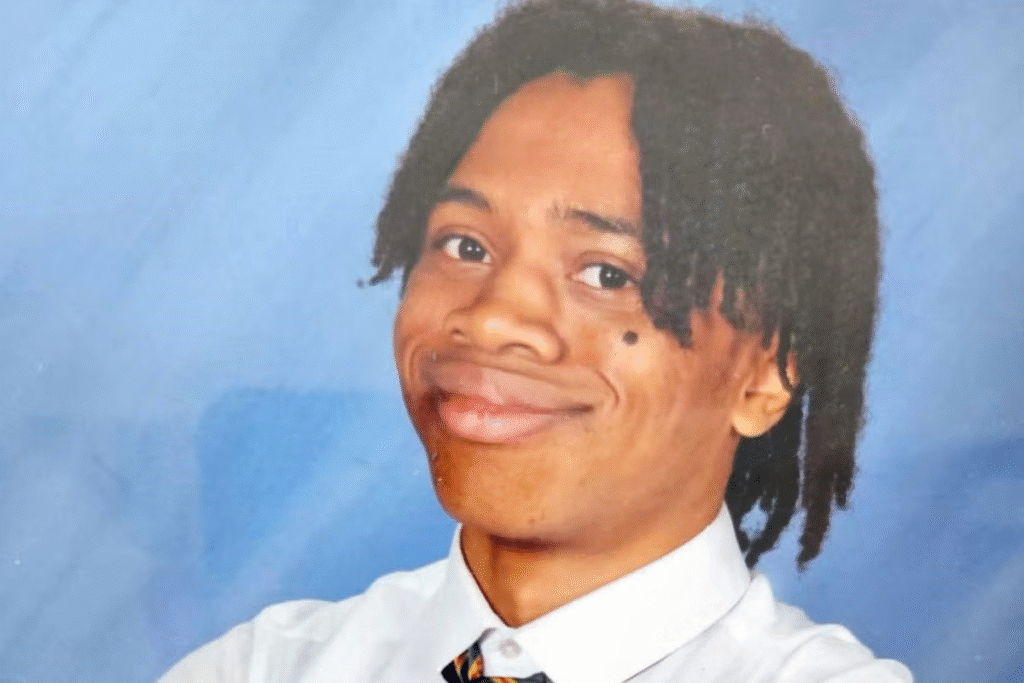
David Ejimofor, a vibrant and promising teenager, lost his life in June 2023 when he jumped into the sea from the breakwater at Aberavon Beach in Port Talbot. Despite immediate efforts to save him and a rapid transfer to the Princess of Wales Hospital in Bridgend, he could not be revived. The coroner’s investigation that followed has now raised serious questions about safety oversight, lifeguard presence, and preventive measures on the beach—particularly during known times of increased risk.
This devastating incident has since triggered a wave of grief, reflection, and calls for reform. A coroner’s report has highlighted avoidable safety failures, and David’s family has begun a petition urging local authorities to take responsibility and introduce more effective safeguards to prevent further tragedies.
A Celebratory Tradition with Hidden Dangers
For local teens in South Wales, especially around the Port Talbot region, the end of academic exams often signals more than just the conclusion of a school year—it’s a rite of passage into adulthood. As part of this cultural ritual, students gather at Aberavon Beach to leap into the sea from the breakwater, marking their transition into the next stage of life. But the sea, despite its beauty and allure, can be treacherous.
David Ejimofor, who had just completed his GCSE exams, joined his friends for this community-known tradition. It was high tide—conditions that might seem ideal for a swim but can hide perilous undercurrents and sudden changes in depth. It was during this event that David got into trouble in the water, a moment that swiftly escalated into a life-threatening situation.
Read : List of Top Ten Hottest Countries In the world
Despite emergency services being alerted and the teenager being rushed to the hospital, efforts to revive him proved unsuccessful. In the weeks that followed, the sorrow surrounding David’s untimely death was compounded by revelations from an official inquiry into beach safety protocols. The community was left to grapple not only with the weight of loss but also with difficult questions about how such a tragedy could have been averted.
Coroner’s Findings Raise Questions of Accountability
Assistant Coroner Edward Ramsay, who led the investigation into David Ejimofor’s death, issued a prevention of future deaths report that has since sparked both outrage and demands for accountability. According to the findings, no lifeguard was stationed at the pier on the day of the incident—even though there had previously been a practice of having lifeguards positioned at or near the breakwater during high-risk periods, especially in the warmer months.
Ramsay underscored the historical knowledge that the pier was frequently used by teenagers and children for jumping into the sea during the spring and summer. This practice was not only well-known to the community but also to the authorities. He noted that in previous years, the presence of lifeguards had acted as a deterrent for such risky behavior. Yet on the day David jumped, no such deterrence existed.
Read : 14 Year Old Girl Jailed for 15 Years for Stabbing Two Teachers at Ysgol Dyffryn Aman
In his damning remarks, Ramsay stated, “Had there been [a lifeguard], it is possible that David would not have jumped and therefore would not have drowned.” He also expressed concern over the absence of a clear explanation as to why the lifeguard patrol had been discontinued prior to David Ejimofor’s death and why it remained absent even after the tragedy.
Adding to the concern was the apparent ineffectiveness of post-incident measures such as additional signage and a limited-height barrier, which the coroner noted had not been proven to successfully deter similar activity. The implication was clear: more decisive and permanent changes were needed to protect lives.
The coroner’s report was forwarded to the Neath Port Talbot Council, Associated British Ports, and the Royal National Lifeboat Institution (RNLI), all of whom have been given 56 days to respond. What action they choose to take—or fail to take—could determine the safety of countless others in the years to come.
Family’s Grief Turns into a Call for Reform
In the wake of David Ejimofor’s death, his family has been vocal in their efforts to ensure that no other family suffers a similar loss. They launched a petition addressed to the Neath Port Talbot Council, urging the implementation of stricter safeguarding measures at Aberavon Beach. For them, this isn’t just about assigning blame—it’s about honoring David’s memory through meaningful change.
David was described by his family as “a vibrant and promising young boy,” full of potential and beloved by those around him. A “son, brother, cousin, nephew, and friend,” David had an infectious smile and a passionate interest in sports and health. He was known for his kind spirit, his drive for self-improvement, and his deep faith. The emotional tribute painted the picture of a life tragically cut short, leaving behind a void that cannot be filled.

The family’s petition highlights a critical reality: this was not the first such incident at the pier. Other young people have been injured or killed engaging in similar activities at the same location. The tradition, while celebratory, carries an unspoken risk—one that is magnified in the absence of proper safety protocols.
“If everyone, including schools, are aware of this practice, surely we would expect the council to have better safeguarding measures in place, especially at this time of year,” the family stated. They emphasized that David’s name should not be just another entry in a tragic list of preventable deaths. Instead, his story should serve as a turning point, a catalyst for urgent change.
Their plea is simple but profound: “We do not want David to be another statistic. We want his name to serve as an end of this unfortunate trail.”
The story of David Ejimofor is heartbreaking. It is also a stark reminder of the fragile boundary between tradition and tragedy. It calls on communities, councils, and institutions to reexamine what safety means in the context of youth culture and local practices.
The council and other relevant authorities now face a crucial decision. Will they act swiftly and decisively to ensure David Ejimofor’s death was not in vain? Or will the beach remain a site where joy and sorrow dangerously coexist?
Only time—and action—will tell.