
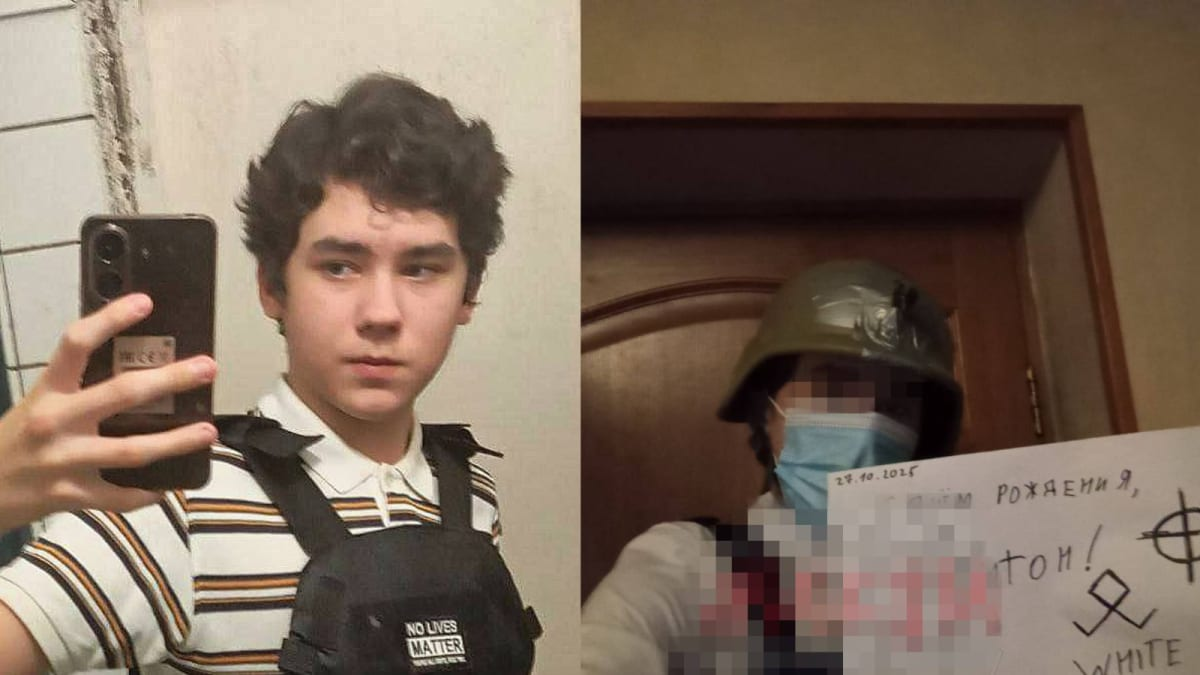
A fatal attack inside a school in the Moscow region has once again placed the issue of youth violence in Russia under intense scrutiny. A 10-year-old boy was killed and a security guard injured after a fellow pupil carried out a knife and pepper spray attack at Uspenskaya Secondary School in the village of Gorki-2. Investigators say the suspect, a 15-year-old student identified as Timofey K., was detained at the scene after armed police responded to emergency calls from the campus. The incident, which unfolded during the school morning, prompted a large-scale security response and the opening of a criminal case for murder and attempted murder by Russia’s Investigative Committee.
The attack occurred amid a broader climate of concern following another school-related stabbing in St. Petersburg earlier in the week. Authorities, regional officials, and law enforcement agencies have since emphasized the need to establish the full sequence of events, the motivations of the suspect, and any ideological influences that may have contributed to the violence. While investigators continue their work, the killing of a young child inside a school has reverberated widely, raising questions about school safety, radicalization, and the prevention of similar attacks.
Attack at Uspenskaya Secondary School
According to investigators, the incident began shortly after the start of the school day, around 9 a.m., when the suspect entered the building armed with a knife and carrying pepper spray. Uspenskaya Secondary School serves children of multiple age groups, and at the time of the attack, classrooms were occupied and corridors busy with students and staff. Witnesses described scenes of panic as pupils fled the building or sought shelter inside classrooms.
Emergency services were alerted after reports of violence inside the school, prompting the rapid deployment of armed police units. Special forces and bomb disposal teams were also sent to the campus after reports emerged that an improvised explosive device may have been found among the suspect’s belongings. Although officials have not publicly confirmed the presence of a functional device, the precautionary search underscored the seriousness with which authorities treated the threat.
Investigators say the 15-year-old attacked multiple people during the rampage. A security guard was reportedly sprayed with pepper spray and stabbed while attempting to intervene. The attacker then moved through parts of the school, chasing pupils before fatally stabbing a 10-year-old boy in a stairwell. The child suffered multiple stab wounds and later died despite efforts by emergency responders to save him.
As the attack unfolded, teachers and staff initiated emergency measures. Some students were evacuated from the building, while others barricaded themselves inside classrooms. Russian media reported that parents who became aware of the incident rushed to the school and, in some cases, attempted to pull their children out through windows to bring them to safety. The chaotic response reflected both the speed of the attack and the fear experienced by those inside the building.
Read : Germany to Tighten Rules on Deporting Foreigners Who Glorify Terror Acts Amid Gaza War
Police detained the suspect at the scene without reports of further resistance. He was identified only as a male student from the school, later named by Russian Telegram channels as Timofey K. Authorities confirmed that he was taken into custody and questioned by investigators. A criminal case was opened on charges of murder and attempted murder, with forensic teams brought in to examine the scene and collect evidence.
Investigation, Ideology, and Online Footage
As details emerged, Russian news agencies and Telegram channels began reporting on the suspect’s appearance and alleged ideological affiliations. According to several outlets, the teenager was wearing a T-shirt bearing the slogan “No Lives Matter” at the time of the attack. He was also reportedly wearing a protective helmet marked with extremist inscriptions, including a neo-Nazi slogan and a quote attributed to Dylann Roof, the perpetrator of the 2015 Charleston church shooting in the United States.
Read : 49-Year-Old Shawn Quinn Shot Dead by Neighbor While Allegedly Stabbing Girlfriend
Emergency services sources cited by the TASS news agency said the suspect was believed to be a follower of what they described as a “destructive youth movement.” Russian authorities have increasingly used this term in recent years to refer to online subcultures or extremist networks that promote violence, nihilism, or radical ideologies among young people. Investigators have not yet publicly confirmed whether the suspect had direct links to organized extremist groups or whether his actions were influenced primarily by online content.

Further reports indicated that the teenager filmed the attack on his mobile phone and uploaded the footage online. News channel Mash said the video showed him approaching pupils, questioning them about their nationality, using pepper spray on the security guard, and chasing students with a knife before the fatal stabbing. Other Telegram channels reported that the victim was ethnically Tajik, a detail that has intensified scrutiny of the ideological messages allegedly displayed by the attacker.
Russian authorities have cautioned against sharing or publishing footage of the attack. Moscow region Governor Andrey Vorobyov described the incident as “a horrific act of extreme cruelty” and urged the media to refrain from circulating videos out of respect for the victim’s family. He also called for a thorough examination of the circumstances that led to the killing, emphasizing the need to prevent similar incidents in the future.
Investigators have confirmed that the suspect admitted responsibility during questioning, according to RIA news agency. Under Russian law, minors charged with serious crimes face reduced maximum sentences compared to adults. Officials said the teenager could face up to 10 years in prison if convicted, although the final outcome will depend on the court’s assessment and the findings of the ongoing investigation.
Broader Context and Security Concerns
The killing at Uspenskaya Secondary School occurred just one day after another violent incident at an educational institution in Russia. In St. Petersburg’s Krasnogvardeisky district, a student reportedly stabbed a teacher after failing a test, according to the interior ministry. While the two cases are not believed to be directly connected, their proximity in time has heightened public concern about safety in schools and the factors contributing to youth violence.
Russian officials have repeatedly stated that schools must remain secure environments, yet attacks involving knives and other weapons have continued to occur sporadically in recent years. Many of these incidents have involved students, often adolescents, acting alone rather than as part of organized groups. In response, authorities have introduced measures such as increased security personnel, metal detectors, and monitoring of online activity linked to extremist content.
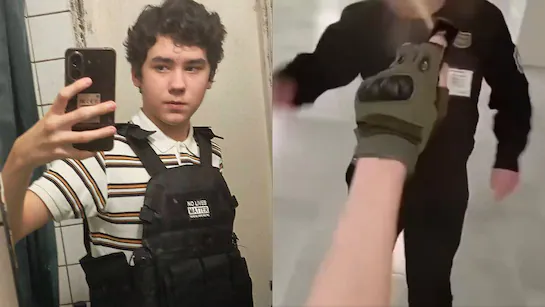
The Gorki-2 attack has renewed debate over the effectiveness of these measures and the challenges of identifying potential threats before violence occurs. The reported presence of extremist slogans and references to foreign attackers has also drawn attention to the role of the internet in exposing young people to violent ideologies. Russian law enforcement agencies have expanded efforts to monitor social media platforms and messaging apps, particularly Telegram, which is widely used in the country and has become a primary source of news and unofficial information.
Contradictory reports circulated in the immediate aftermath of the attack regarding the number of injured and the precise sequence of events. Some outlets initially suggested additional victims, while others focused solely on the fatality and the injured security guard. Authorities have since confirmed that one child was killed and at least one adult injured, while continuing to verify other details. International media outlets noted that some footage circulating online could not be independently verified.
As the investigation continues, officials have emphasized the need for a careful and comprehensive review rather than speculation. The Investigative Committee has said it will examine the suspect’s background, online activity, and possible motives, as well as any failures in school security procedures. For the families affected, particularly the relatives of the 10-year-old victim, the focus remains on accountability and the circumstances that allowed such an attack to take place within a school setting.
The incident in Gorki-2 stands as one of the most serious school attacks in the Moscow region in recent years. Its impact has extended beyond the local community, prompting national discussion about youth radicalization, mental health, and the responsibilities of schools and authorities in preventing violence. While officials have pledged to do everything possible to stop similar tragedies, the events at Uspenskaya Secondary School have underscored the persistent challenges facing educational institutions across the country.