
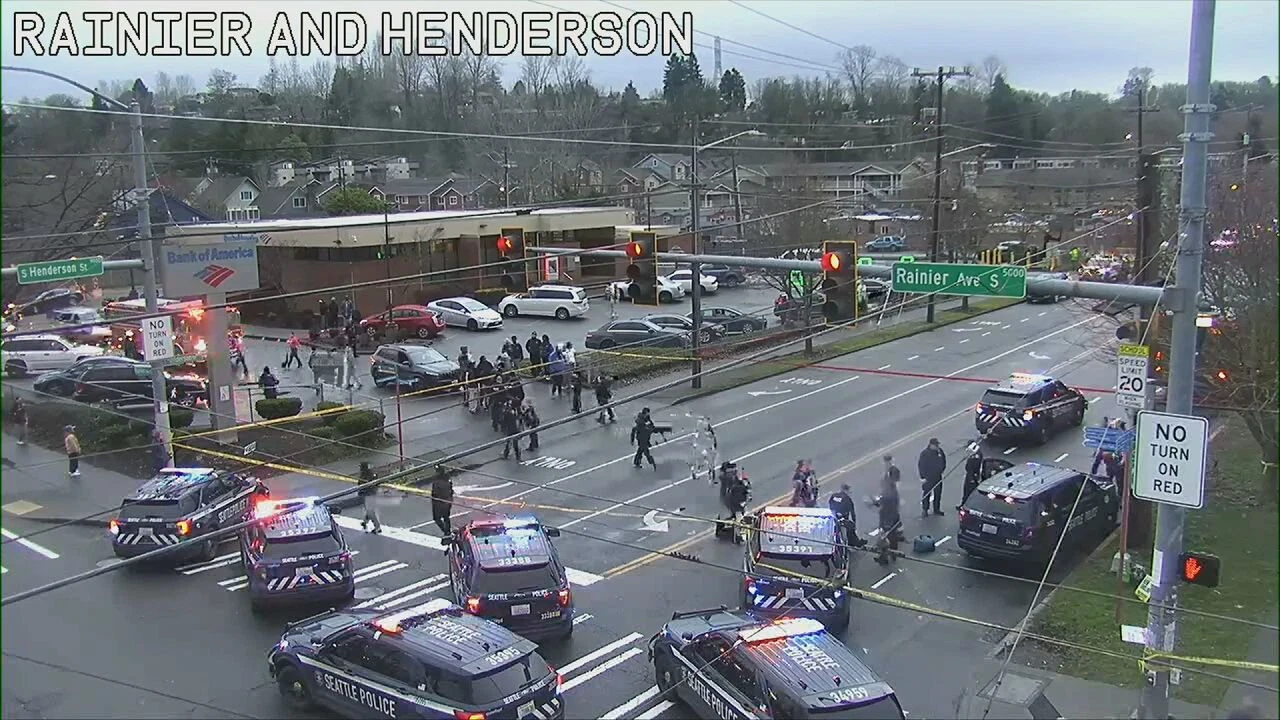
The fatal shooting of two teenagers outside a high school in Seattle’s Rainier Beach neighborhood has sent shockwaves through the local community, raising urgent questions about youth violence, public safety, and the justice system’s handling of juvenile offenders. The victims, 17-year-old Traveiah Houfmuse and 18-year-old Tyjon Stewart, were killed in broad daylight in late January, an incident that has since led to the arrest and charging of a 16-year-old suspect.
The case has drawn attention not only because of the brutality of the crime but also due to the legal complexities surrounding the suspect’s age and whether he will be tried as a juvenile or an adult. As the legal process unfolds, the incident continues to reverberate among families, students, and officials grappling with its consequences.
Details of the Shooting and Investigation
According to charging documents, the shooting occurred just before 4 p.m. on January 30 in front of a school in the Rainier Beach area. The timing and location made the incident particularly alarming, as it took place when students and staff were likely still present or nearby. Authorities allege that the suspect was traveling on a westbound public bus prior to the attack. When the bus stopped near the school, he reportedly exited through the rear doors, approached the victims, and shot both teenagers in the head.
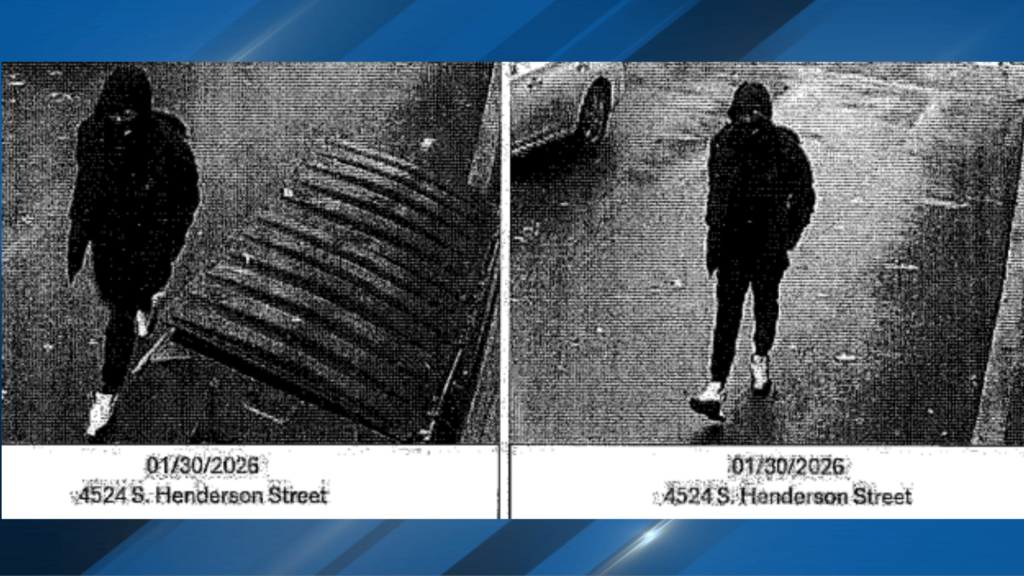
The suspect is then believed to have fled the scene on foot along South Henderson Street. Surveillance cameras in the vicinity played a crucial role in tracing his movements after the shooting. Investigators were able to piece together a route based on this footage, which later became an important element in building the case.
In the days following the incident, law enforcement worked to identify the suspect. A breakthrough came on February 5, when an anonymous tipster provided information that pointed authorities toward a specific individual. Detectives subsequently coordinated with the suspect’s probation officer and staff at his school to verify his identity. These steps helped solidify the case against him.
Further evidence emerged through phone records obtained via a warrant. These records reportedly placed the suspect’s device in the area at the time of the killings, strengthening the link between him and the crime. After more than six weeks of investigation, police arrested the suspect on March 17 in Renton. The delay between the incident and the arrest underscores the complexity of the investigation and the effort required to gather sufficient evidence for formal charges.
Read : World’s Shortest Flight Takes Only 53 Seconds to Reach the Destination: Sets Guinness World Record
Prosecutors have since charged the teenager with two counts of first-degree murder, each accompanied by a firearm enhancement, as well as one count of second-degree unlawful possession of a firearm. These charges reflect the severity of the allegations and signal the possibility of significant legal consequences if the suspect is convicted.
Legal Challenges: Juvenile or Adult Court Decision
One of the most significant aspects of this case lies in determining how the suspect will be prosecuted. At the time of the shooting, the accused was 15 years old, though he has since turned 16. This age factor plays a critical role in the legal process, as it influences whether the case will proceed in juvenile court or be transferred to adult court.
Under the applicable legal framework, suspects under the age of 16 are not automatically tried as adults, even in serious cases such as homicide. Instead, prosecutors must request a review, after which a judge evaluates whether transferring the case to adult court is appropriate. This decision involves weighing multiple factors, including the nature of the crime, the suspect’s criminal history, and the likelihood of rehabilitation within the juvenile system.
Prosecutors filed such a request on March 20, the same day the charges were formally announced. A judge will now consider arguments from both the prosecution and the defense before making a determination. This process can take several months, as it often involves detailed hearings and the presentation of evidence related to the suspect’s background and behavior.

The outcome of this decision carries major implications. If the case remains in juvenile court, the focus will likely be on rehabilitation rather than punishment, and any sentence would typically be limited by age restrictions. On the other hand, if the judge rules that the suspect should be tried as an adult, he could face much harsher penalties, including a lengthy prison sentence.
Another key procedural step is the arraignment, which will occur only after the court decides where the case will be heard. During arraignment, the suspect will formally respond to the charges, and the next stages of the trial process will begin. Until then, the legal proceedings remain in a preliminary phase, with attention centered on the jurisdictional decision.
Prosecutors have also argued that the suspect should remain in secure detention. One factor influencing this position is that he was reportedly already under court supervision at the time of the shooting. This detail may play a role in both the detention decision and the broader question of whether he should be treated as an adult within the justice system.
Community Impact and Ongoing Proceedings
The killing of two young individuals has had a profound emotional impact on the Rainier Beach community. Schools, families, and local residents have been left to cope with the loss while also confronting concerns about safety in public spaces. The fact that the shooting occurred outside a school during daylight hours has intensified these concerns, prompting discussions about preventive measures and the need for greater vigilance.
For the families of Traveiah Houfmuse and Tyjon Stewart, the legal proceedings represent only one part of a much larger and deeply personal tragedy. The loss of two teenagers at such a young age underscores the devastating consequences of gun violence and highlights the lasting grief experienced by loved ones. Community members have expressed a desire for accountability, as well as hope that the justice system will address the seriousness of the crime.
At the same time, the case has also sparked broader debates about juvenile justice. Questions have emerged about how best to handle cases involving young suspects accused of severe offenses. Some argue that trying juveniles as adults is necessary in cases involving extreme violence, while others emphasize the importance of rehabilitation and the recognition that adolescents are still developing both mentally and emotionally.
The next scheduled hearing in the case is set to take place at the Clark Child and Family Justice Center in Seattle. During this hearing, the court will continue to address procedural matters and move closer to resolving the question of jurisdiction. As the case progresses, additional details may come to light, potentially influencing both public perception and legal strategies.
The outcome of the judge’s decision regarding adult versus juvenile court will likely shape the trajectory of the entire case. Regardless of the path chosen, the proceedings are expected to be closely followed, given the serious nature of the allegations and the broader implications for how similar cases are handled in the future.