

The case of 17-year-old Walid Ahmad, a Palestinian teenager who died in Israel’s Megiddo Prison, has ignited renewed concerns over the conditions and treatment of Palestinian detainees in Israeli prisons.
Walid, who had been detained for six months without any formal charges, succumbed to what medical experts believe was a result of prolonged starvation, medical neglect, and inadequate prison conditions. His death, the first of a Palestinian teen in Israeli custody since the beginning of the Gaza war in October 2023, brings to light troubling accounts of abuse and systemic neglect in Israeli detention facilities.
Starvation, Medical Neglect, and a Death Without Charges
Walid Ahmad was arrested in September 2024 from his home in the occupied West Bank during a pre-dawn raid. According to his family, the alleged reason for his detention was throwing stones at Israeli soldiers—an accusation that was never formally charged.
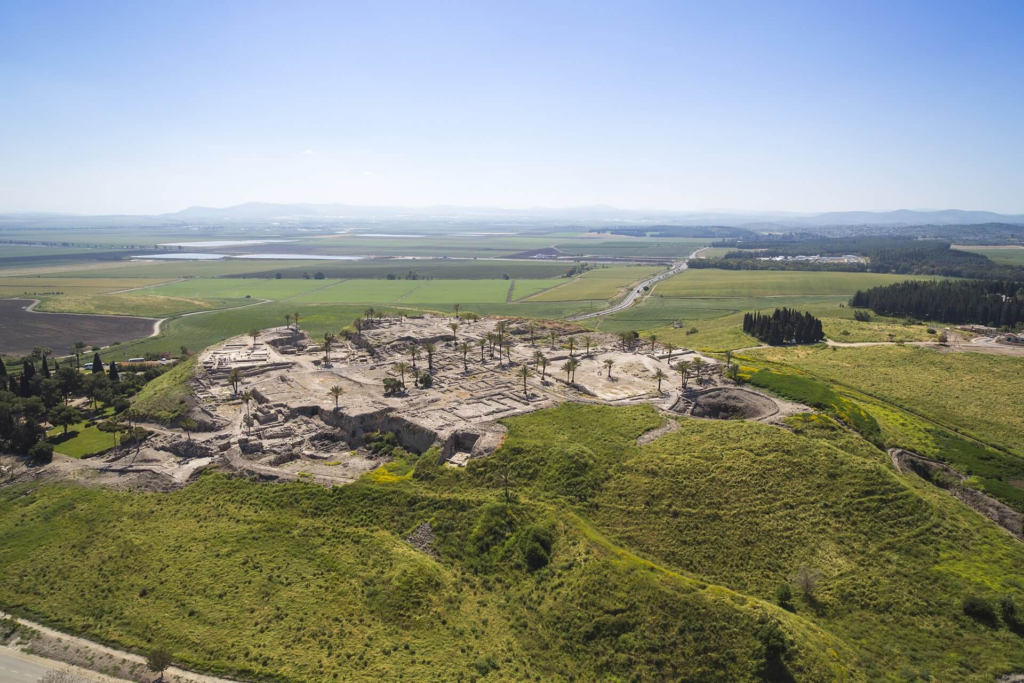
Over the next six months, Walid remained in Megiddo Prison, a maximum-security facility notorious for its harsh conditions and for housing a large number of Palestinian detainees, including minors.
During his detention, Walid Ahmad repeatedly complained of inadequate food and poor health, as documented in reports from the prison medical clinic. Despite these complaints, no significant medical intervention was provided. His condition deteriorated visibly over time.
According to eyewitness accounts from other prisoners, Walid experienced severe diarrhea, vomiting, dizziness, and headaches. His condition became critical during Ramadan, when fasting detainees were reportedly given perishable food like cheese and yogurt in the morning, which was left unrefrigerated for hours.
On the day of his death, Walid collapsed inside the prison and struck his head. He was pronounced dead soon after. Palestinian officials and human rights advocates swiftly condemned the incident, pointing to systemic neglect and abuse as contributing factors.
An autopsy conducted on March 27 at Israel’s Abu Kabir Forensic Institute—observed by Dr. Daniel Solomon, a gastrointestinal surgeon—did not officially state a cause of death. However, Dr. Solomon noted signs of extreme malnutrition, muscle wasting, scabies, and inflammation of the colon.
Read : Mother Jailed for Killing 4-Year-Old Diabetic Daughter by Feeding Her Mountain Dew in US
These signs, according to medical experts, pointed clearly toward starvation and prolonged neglect. Dr. Lina Qasem Hassan, head of the board for Physicians for Human Rights Israel, reviewed the findings and concluded that starvation combined with untreated colitis had led to severe dehydration and electrolyte imbalances, likely causing heart failure.
Living Conditions in Megiddo Prison: A Breeding Ground for Illness and Abuse
Megiddo Prison has long been known as one of the harshest facilities in Israel’s prison system. Former detainees and human rights organizations have reported a grim environment where prisoners—particularly Palestinians—are subjected to overcrowding, unsanitary conditions, poor food, and inadequate medical care. These conditions have worsened dramatically since the beginning of the war in Gaza in October 2023.
Reports from Physicians for Human Rights Israel and former prisoners describe severe overcrowding, outbreaks of scabies, and lack of access to clean water or adequate hygiene supplies.
Prisoners have recounted beatings by guards, prolonged isolation, and psychological abuse. These conditions, when combined with fasting during Ramadan and inadequate nutritional support, create a dangerous and potentially fatal environment—especially for vulnerable detainees like minors.
Walid Ahmad’s fellow inmates noted that he had been suffering from health issues for weeks before his death. They believe his condition may have been exacerbated by contaminated food and water.
The autopsy noted scabies rashes on his legs and genital area and found air between his lungs and upper body, which can be caused by violent coughing or vomiting—common symptoms when severe dehydration and gastrointestinal disease go untreated.
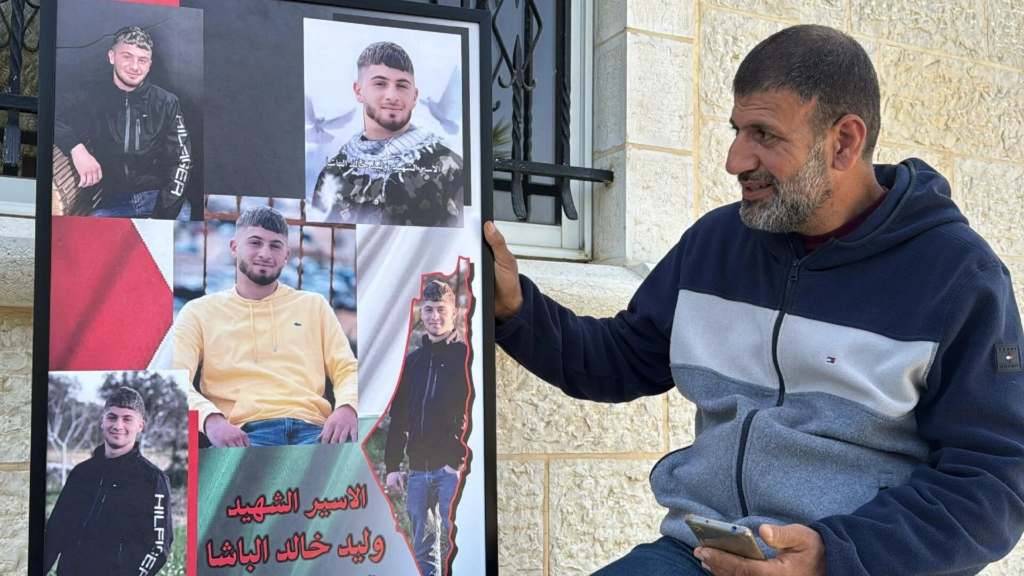
Despite these signs, Walid Ahmad was reportedly not given adequate medical care. His lawyer, Firas al-Jabrini, was denied access to visit him. Walid’s father, Khalid Ahmad, observed his son during a videoconference court session in February and was shocked by his deteriorated appearance. Sadly, the family never had another opportunity to see or speak to Walid again.
A Broader Pattern of Neglect and Violation of Rights
The tragic death of Walid Ahmad is not an isolated incident but part of a larger pattern of alleged mistreatment and abuse in Israeli prisons. According to the Palestinian Authority, Israel is currently holding the bodies of 72 Palestinian prisoners who have died in custody, 61 of them since the onset of the current war.
The withholding of bodies is often done for political leverage or under the pretext of security concerns, a practice widely criticized by international human rights organizations. Rights groups, including Physicians for Human Rights Israel and international observers, have condemned what they describe as widespread abuse in Israeli detention centers.
Detainees have described brutal interrogations, beatings, lack of legal representation, and inadequate medical facilities. These issues are particularly concerning for minors and vulnerable detainees, who are even less capable of advocating for themselves.
Dr. Arne Stray-Pedersen, a professor of forensic medicine at the University of Oslo, who reviewed Dr. Solomon’s report, said the findings suggest “a period of prolonged malnutrition and sickness lasting at least a few weeks or months.” He concluded that the underlying cause of death was “emaciation—wasting,” likely due to a combination of starvation and illness.
The Israeli Prison Service has stated that it operates according to the law and provides all prisoners with basic rights. However, the mounting evidence presented by independent doctors, human rights groups, and the testimonies of former prisoners paints a different picture—one of systemic neglect, lack of oversight, and disregard for international norms and human rights.
Walid Ahmad’s family has yet to receive a death certificate. They are calling for the return of his body and justice for their son. “We will demand our son’s body for burial,” said his father, Khalid Ahmad. “What is happening in Israeli prisons is a real tragedy, as there is no value for life.”
The silence of Israeli forensic authorities, who have not yet released an official autopsy report, has only deepened the family’s anguish. Their hope now rests on Dr. Solomon’s independent observations to shed light on what happened to Walid in his final days.
As the international community becomes increasingly aware of the deteriorating conditions in Israeli prisons, calls for accountability and independent investigation into deaths like Walid’s are growing louder. Human rights organizations stress that no child should die in custody, especially under conditions that point so clearly to starvation, disease, and neglect.
In memory of Walid Ahmad, many are urging that his story not be forgotten. His death, while tragic, should serve as a wake-up call to governments, international bodies, and all who value justice and human rights—to push for transparency, humane treatment of detainees, and to ensure that no more lives are lost behind prison walls in silence.