
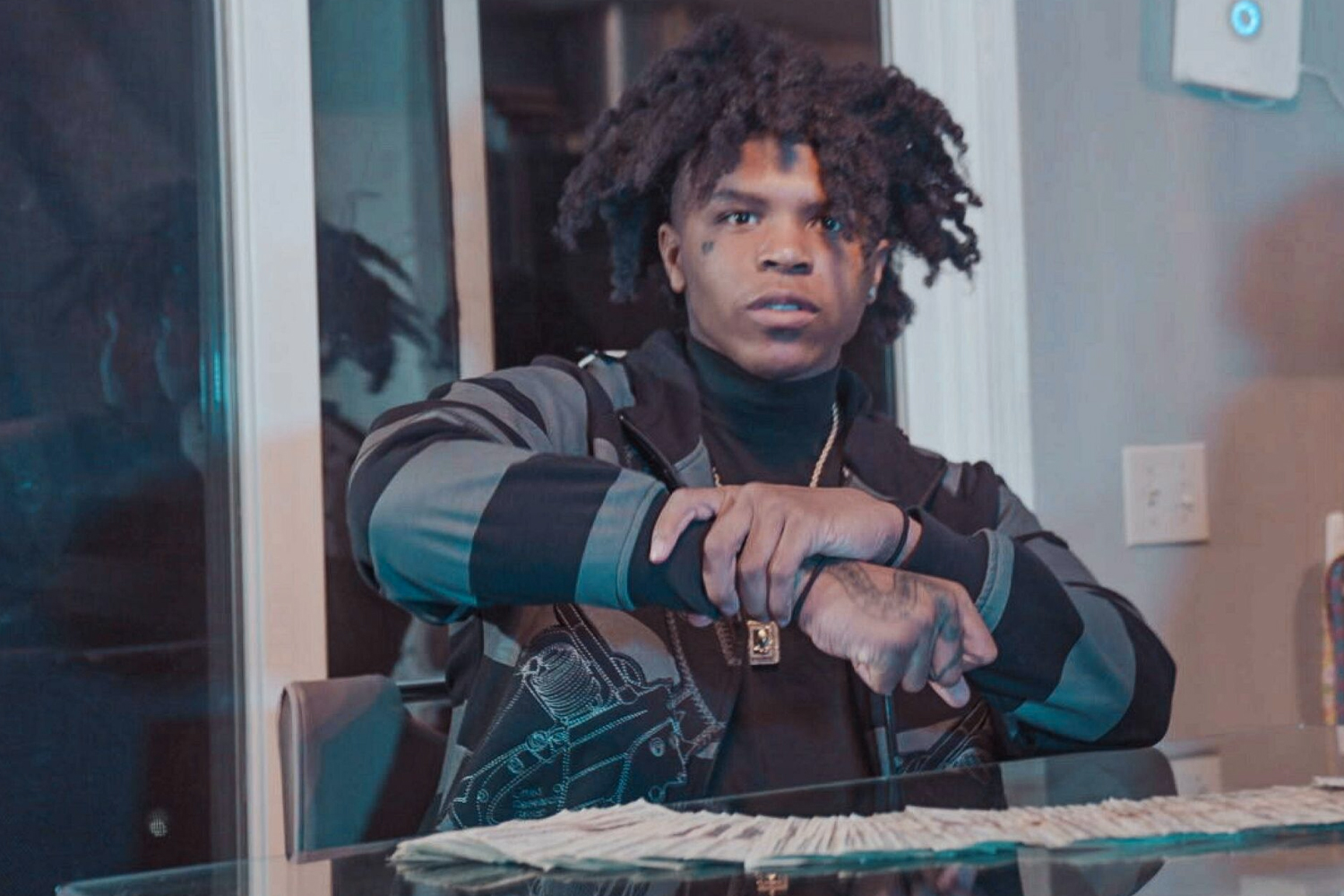
The chilling intersection of crime and social media has once again made headlines, this time in Fort Wayne, Indiana, where a 19-year-old man has been charged with murder. The incident has left a community stunned, especially after the accused allegedly posted a celebratory rap video on YouTube referencing the crime.
The case brings to light the disturbing reality of how some young individuals may use digital platforms to boast about violent acts, a trend that law enforcement agencies say is on the rise.
As details unfold, the story of Cameron Kizer Jr. and the fatal shooting of 20-year-old Jathen Maxwell has become a somber example of the devastating consequences of unresolved conflict, amplified by social media bravado.
The Crime and the Investigation
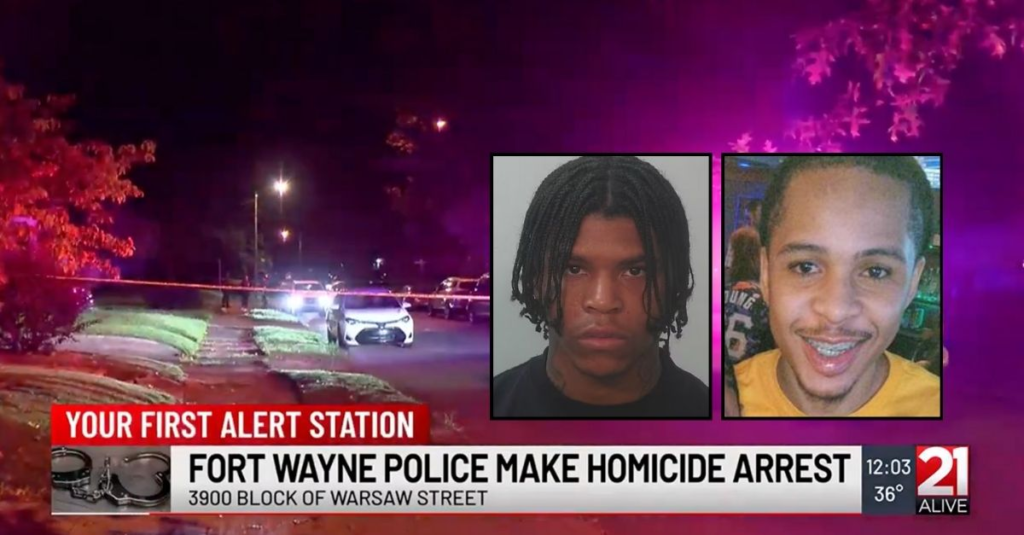
According to the Fort Wayne Police Department, Jathen Maxwell was fatally shot on July 25 in Fort Wayne. The incident sparked an immediate investigation, with detectives working for months to piece together what happened and who was responsible.
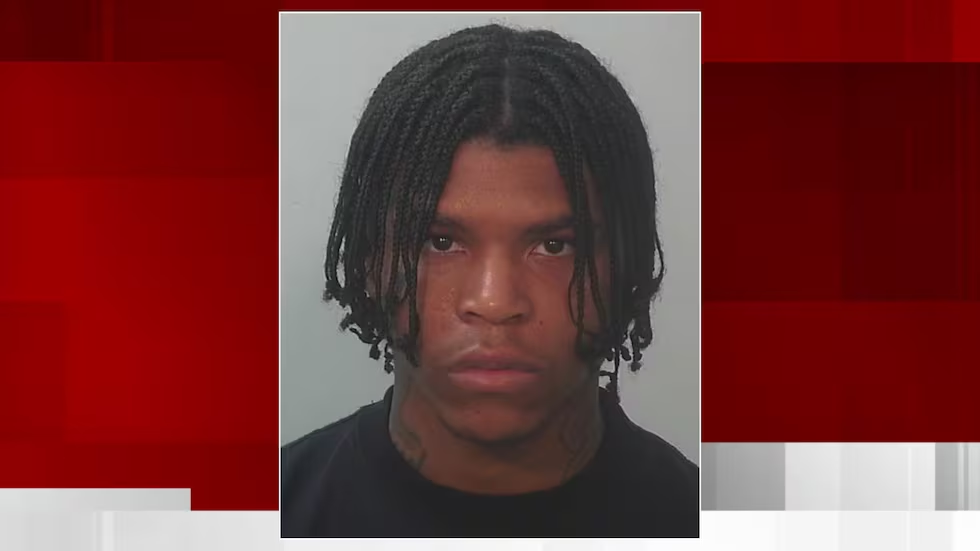
The trail eventually led them to Cameron Kizer Jr., a 19-year-old local who was formally charged with murder months after the shooting. The delay in arresting Kizer was attributed to the complexity of gathering digital evidence, witness statements, and other forensic details required to build a solid case.
Court documents and affidavits obtained by news outlets such as WANE and 21 Alive News revealed several unsettling findings. One of the most incriminating pieces of evidence came from Kizer’s own social media activity.
Not long after Maxwell was gunned down, Kizer allegedly posted cryptic messages online, including one that read simply, “headshot,” which authorities believe was a direct reference to the manner in which Maxwell was killed.
Read : Donna Jordan’s Husband Announces Her Death in the Middle of Her Last YouTube Video: Watch
Investigators uncovered additional digital breadcrumbs that pointed toward premeditation. Kizer had reportedly been threatening Maxwell via social media in the days leading up to the shooting.
Read : Viral Video Shows 7-Foot-3-Inch Tall Female Basketball Player Included in China Team
Witnesses told police that tensions had been simmering between the two, and that Kizer had made explicit threats against Maxwell’s life through Instagram messages. This digital harassment culminated in the deadly confrontation, which tragically cost Maxwell his life.
The YouTube Rap Video: A Disturbing Confession
What makes this case particularly harrowing is the fact that the accused seemingly used a YouTube rap video to allude to — and possibly celebrate — the murder. In the video, Kizer is seen rapping lyrics that investigators say appear to reference the killing.
One of the lyrics cited in the affidavit reads, “I gotta finish the beef they started. You get a low on bro then call me.” Authorities interpret this as a thinly-veiled reference to a conflict with Maxwell, suggesting a retaliatory motive.
The video quickly drew the attention of law enforcement officials, who had already been analyzing Kizer’s online footprint. To them, the rap served not only as a disturbing self-promotion but also as a potential confession.
The use of art, especially music, as a medium to narrate criminal exploits is not new, but the line between artistic expression and criminal self-incrimination is becoming increasingly blurred in the age of social media.
Forensic analysts working with police were able to match the timeline of the song’s release with the date of the murder, strengthening the theory that the video was uploaded shortly after the crime as a form of gloating.
The brazen act of turning a murder into a rap narrative demonstrates an alarming detachment from the gravity of the crime and reflects a broader issue of youth culture influenced by online validation and notoriety.
Impact on the Community and the Victim’s Family
The arrest of Cameron Kizer has brought some relief to the family of Jathen Maxwell, but it has also deepened the grief surrounding his untimely death.
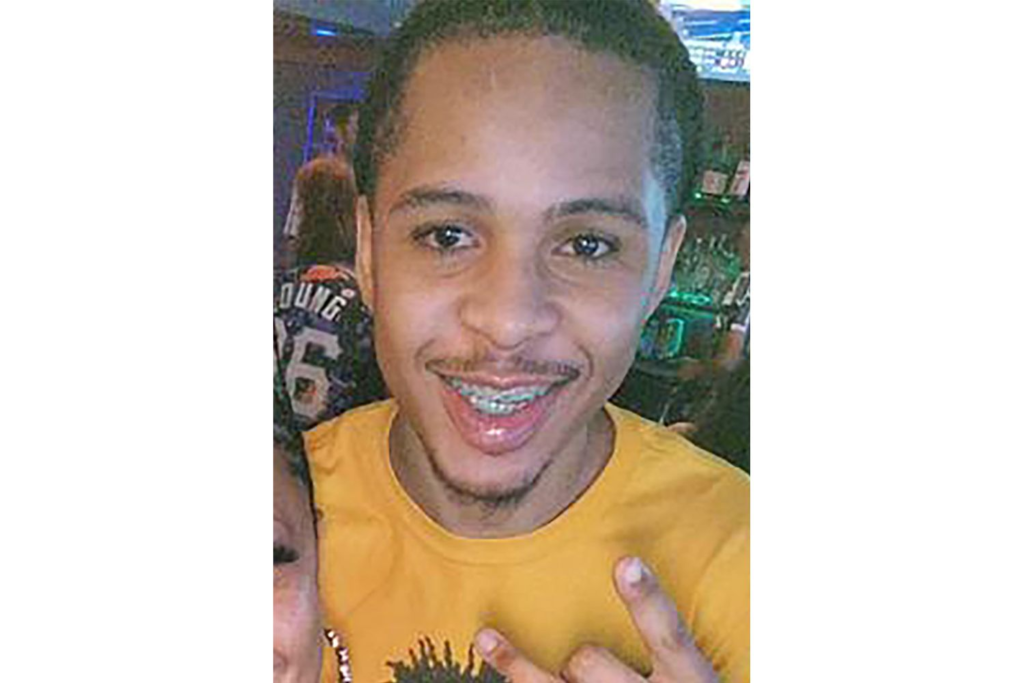
In online tributes, Maxwell was remembered as a cherished brother and son, someone who had much to live for. His family and friends described him as a kind-hearted individual who didn’t deserve to become another statistic in the rising tide of youth violence.
For the community of Fort Wayne, the incident has raised serious concerns about youth conflict resolution, the influence of online platforms, and the role of social media in modern crime.
Parents, educators, and community leaders are questioning what led a 19-year-old to not only take another young man’s life but to also use that act as content for a rap video shared publicly. It is a sobering reminder of how deeply embedded digital culture has become in real-world violence.
Law enforcement officials also expressed dismay over the glamorization of crime online. Officers involved in the case noted that social media has increasingly become a breeding ground for threats, harassment, and even planning of violent acts.
The ease with which users can upload content — without much scrutiny or delay — poses a challenge for policing, especially when those platforms become stages for showcasing real criminal activity.
The case has prompted calls for more robust monitoring of social media content, especially from young individuals with known histories of conflict or aggression. While freedom of expression is a protected right, it becomes complicated when that expression is used to boast about or confess to criminal actions.
A Culture of Violence and the Role of Technology
This incident is not an isolated case. Across the United States, there have been multiple examples of individuals using platforms like YouTube, Instagram, and TikTok to post about violent acts — sometimes even in real-time. What sets the Cameron Kizer case apart is the calculated use of a music video to seemingly glamorize and even profit off the crime.
Mental health professionals and sociologists point to a culture where violence is often normalized in entertainment, particularly in music and social media content. For impressionable youth, this environment can distort the line between fiction and reality. The desire for fame, likes, and viral attention can lead to reckless behavior with devastating consequences.
In this context, Kizer’s rap video is not just a piece of digital content — it’s a window into a dangerous mindset shaped by a culture that rewards shock value over morality.
The question remains: How can society address this growing problem? Some advocate for digital literacy programs in schools that teach young people about the responsibilities of online behavior.
Others call for tighter regulations on platforms to flag and remove content that may be linked to criminal acts. Meanwhile, community outreach and intervention programs could help at-risk youth find healthier outlets for their conflicts and emotions.
As for the legal proceedings, Kizer will face the full weight of the law. The evidence gathered — from social media posts to the YouTube video — will likely play a central role in the prosecution’s case. If convicted, Kizer could face decades behind bars, a stark contrast to the brief online fame he appeared to seek.
The tragedy of Jathen Maxwell’s death underscores the urgent need for communities to not only address violence but to understand the evolving digital landscapes where that violence can be bred, celebrated, and perpetuated.
The story of a young man’s life taken, and another’s destroyed by his own actions and online ego, should serve as a wake-up call for parents, educators, tech companies, and society at large.