
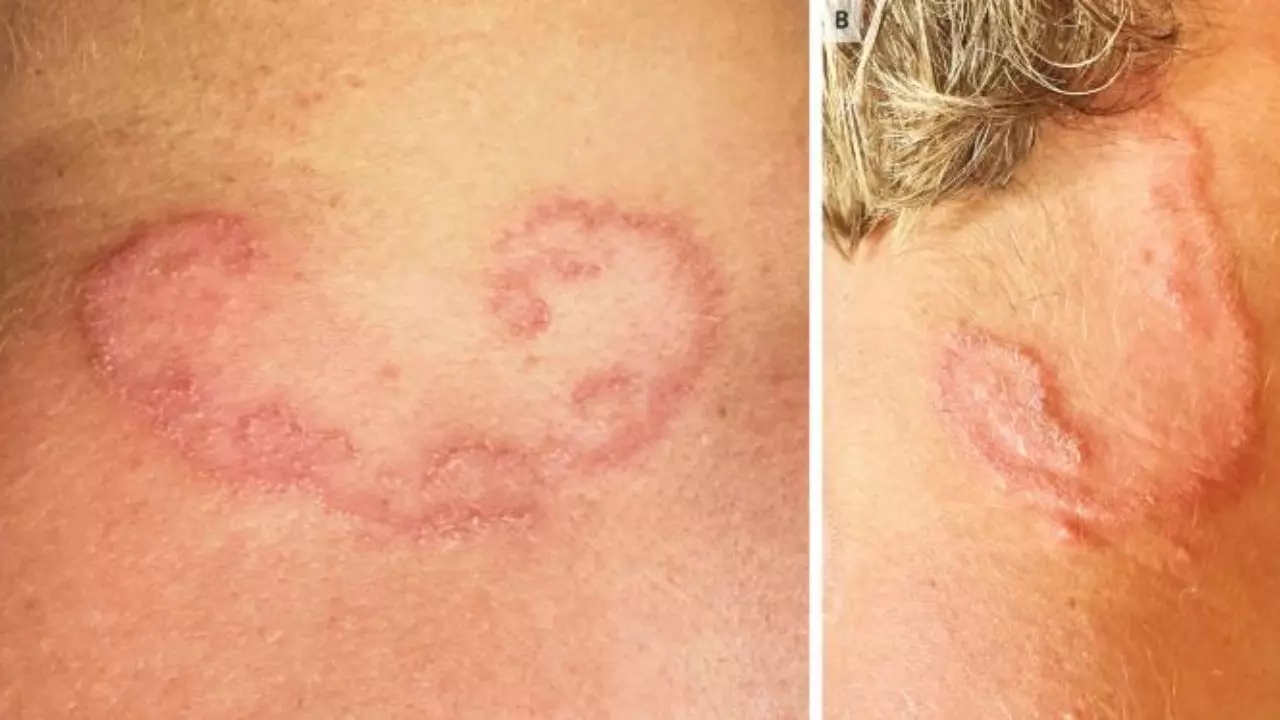
A 19-year-old teenager from California was left horrified after what he initially thought was a simple skin rash turned out to be a parasitic worm infection. The young man, who worked as a lifeguard at a beach in southern California, sought medical attention after noticing strange snake-like marks on his neck.
His condition, later identified as cutaneous larva migrans, was caused by hookworm larvae that had burrowed under his skin. The shocking diagnosis highlights the risks associated with this infections and the importance of maintaining proper hygiene and preventive measures while spending time on sandy or soil-rich environments.
How Hookworm Infections Occur
Hookworm infections are caused by parasitic worms that thrive in warm, moist environments, particularly in regions with poor sanitation. The infection occurs when hookworm larvae come into contact with human skin, often through contaminated soil or sand.
In most cases, the larvae penetrate the skin of the feet when individuals walk barefoot on infected ground. However, in the case of the California teenager, the worms entered through his neck, likely due to prolonged exposure to contaminated sand while he was lying on the beach.
Hookworm larvae originate from the feces of infected animals or humans. When fecal matter is left in the environment, the eggs hatch, and the larvae develop in the soil. These microscopic larvae can survive for weeks, waiting for a host to come into contact with them.
Once they penetrate the skin, they begin a journey through the bloodstream, eventually reaching the lungs. From there, they migrate to the throat, where they are swallowed and enter the digestive system.
The larvae then mature into adult hookworms in the small intestine, where they attach to the intestinal walls and feed on the host’s blood. This can lead to various health complications, including iron deficiency anemia, diarrhea, and severe stomach pain.
Symptoms and Diagnosis of Hookworm Infections
Many people infected with hookworms may not exhibit noticeable symptoms, making the condition difficult to detect early. However, those who do experience symptoms may initially notice skin irritations at the site where the larvae entered the body.
These rashes are often red, raised, and intensely itchy, creating distinctive snake-like patterns that move as the larvae migrate beneath the skin. In the case of the teenager from California, the rash appeared on his neck, which is an unusual site for hookworm infection but still a possibility given his frequent exposure to sand.
Read : Health Officials in US Confirm First Human Case of Plague in Colorado
Apart from skin-related symptoms, hookworm infections can cause a range of other health issues, including:
- Fever
- Coughing and wheezing (as the larvae pass through the lungs)
- Abdominal pain and discomfort
- Loss of appetite
- Diarrhea
- Weight loss
- Iron-deficiency anemia (due to blood loss caused by the worms feeding on intestinal tissues)
Doctors diagnose hookworm infections through a combination of clinical symptoms, medical history, and laboratory tests. A stool sample examination is the most common method to detect hookworm eggs, while blood tests can help identify anemia or nutritional deficiencies associated with the infection. In cases where the larvae are still migrating through the skin, as seen with cutaneous larva migrans, a visual examination of the rash can provide crucial diagnostic clues.
Prevention and Treatment of Hookworm Infections
Preventing hookworm infections requires a combination of hygiene practices, environmental control, and awareness of potential risks. Here are some essential preventive measures:
- Avoid Walking Barefoot in Contaminated Areas: Since hookworm larvae thrive in soil or sand contaminated with fecal matter, it is essential to wear shoes or sandals while walking in such environments. This is especially important in tropical and subtropical regions where hookworm infections are more common.
- Proper Sanitation Practices: Ensuring that human and animal waste is disposed of properly can significantly reduce the risk of contamination. In areas where sanitation facilities are limited, using toilets and avoiding open defecation can help prevent the spread of hookworm larvae in the environment.
- Regular Deworming of Pets: Dogs and cats can carry hookworms, and their feces may introduce larvae into the soil. Regular deworming treatments for pets, along with responsible pet waste disposal, can minimize the risk of infection for both animals and humans.
- Good Personal Hygiene: Washing hands thoroughly with soap and water after handling soil, sand, or pets can prevent accidental ingestion of hookworm eggs. Additionally, showering after beach visits and avoiding prolonged skin contact with sand can reduce exposure to larvae.
If a hookworm infection is diagnosed, treatment usually involves antiparasitic medications such as albendazole or mebendazole. These drugs effectively eliminate adult hookworms in the intestines, stopping further complications.
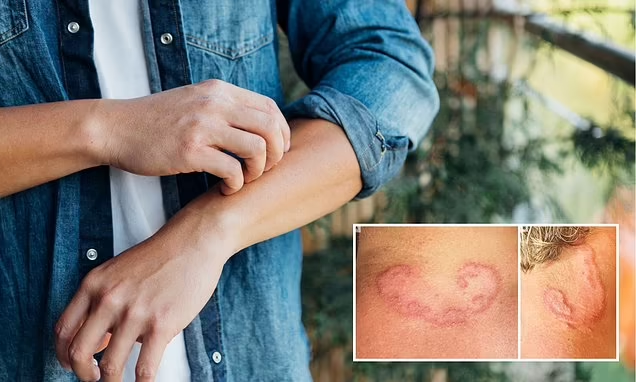
In cases of cutaneous larva migrans, topical or oral antiparasitic medications can be prescribed to target the migrating larvae under the skin. Symptomatic treatments, such as antihistamines to relieve itching and iron supplements for anemia, may also be recommended based on individual needs.
The case of the 19-year-old lifeguard in California serves as a stark reminder of the hidden dangers lurking in seemingly harmless environments.
While beaches and sandy areas offer relaxation and recreation, they can also harbor infectious parasites that pose health risks. Hookworm infections, though less common in developed countries due to improved sanitation, can still occur when preventive measures are overlooked.
By understanding how hookworms infect humans, recognizing the symptoms, and adopting proper hygiene and safety practices, individuals can protect themselves from these parasitic infections and ensure a healthier, worm-free life.